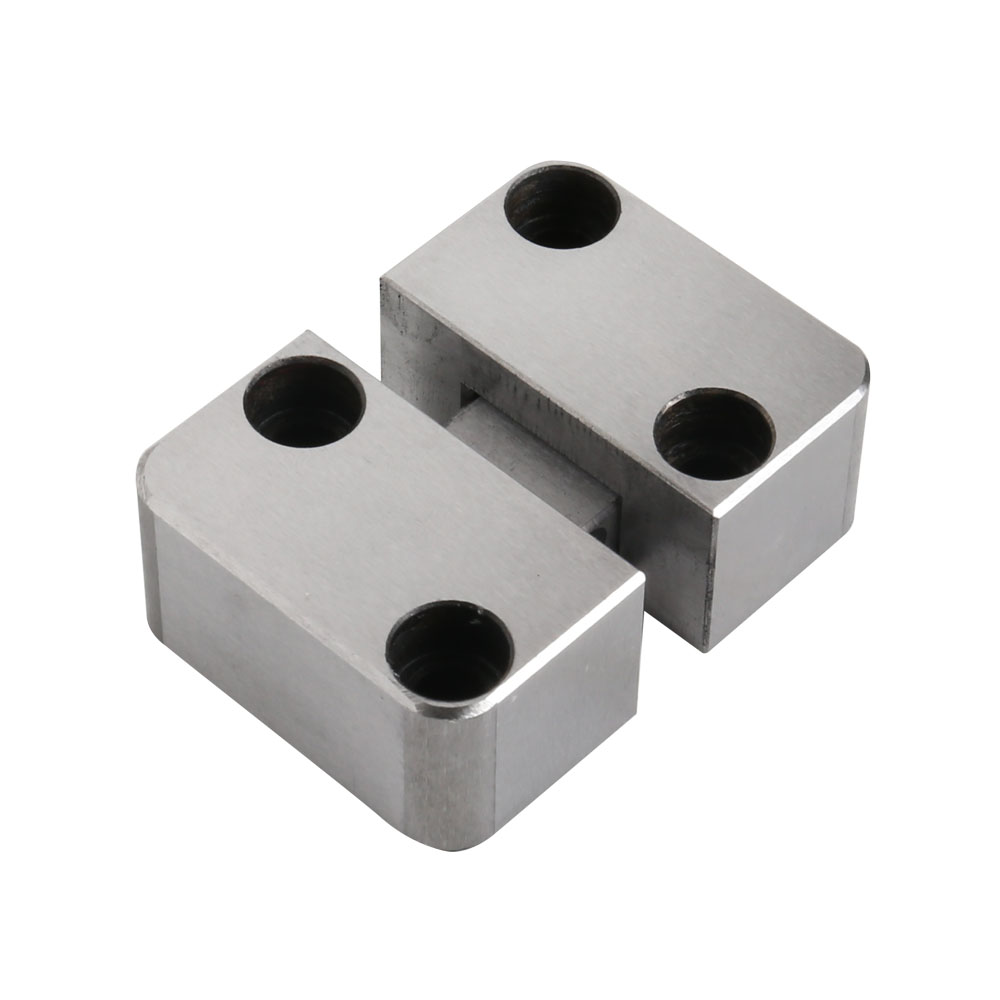
Casting Products
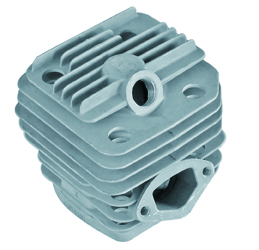
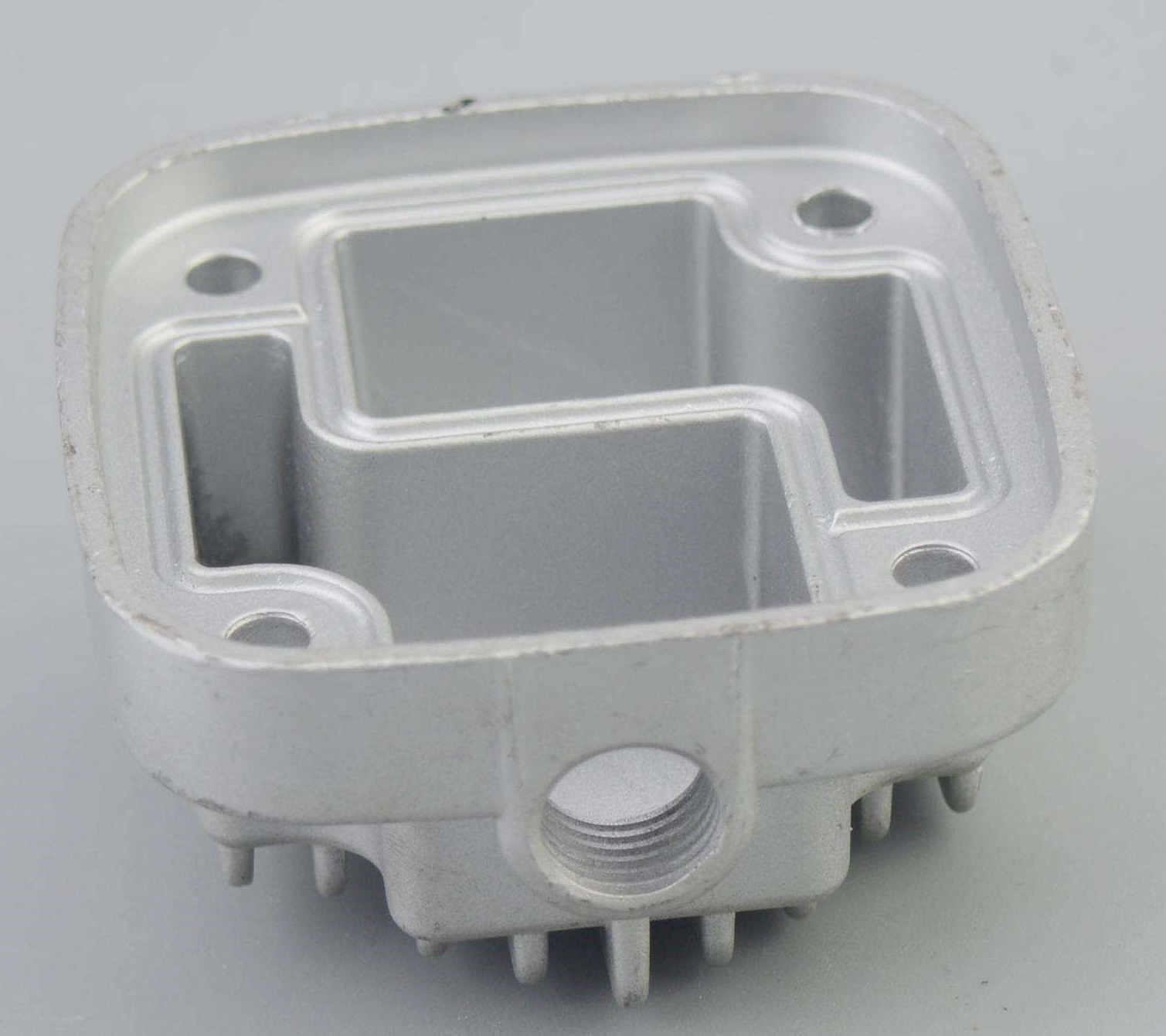
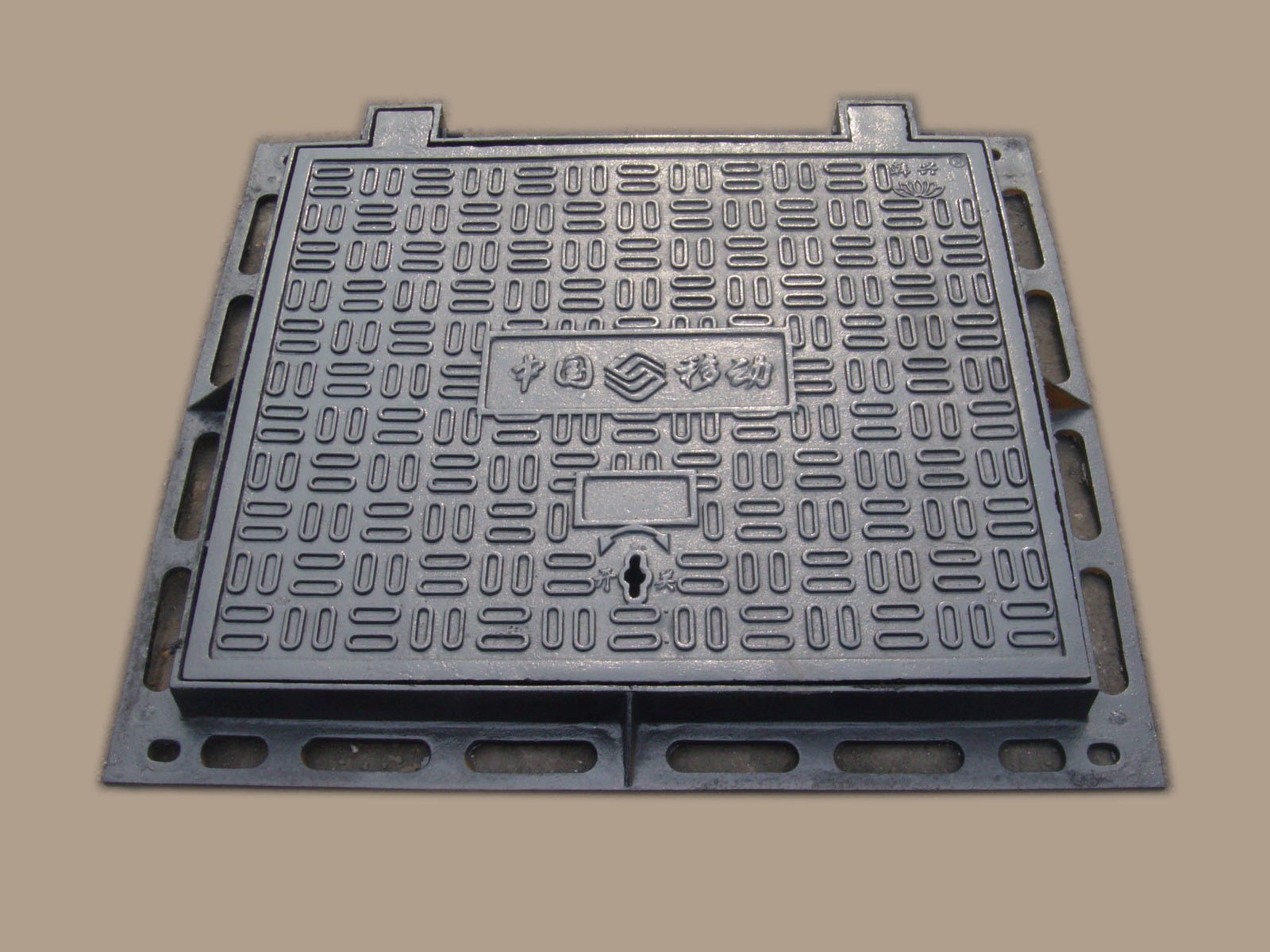
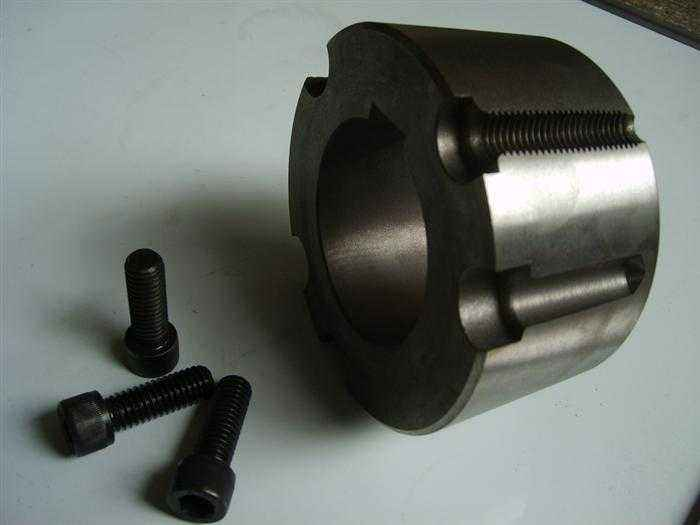
Source industrial-grade Casting Products from vetted suppliers and manufacturers. Designed for importers, wholesalers, and brands requiring OEM/ODM production, this catalog features bulk casting solutions. Connect with top facilities for precision sand, investment, and die casting components tailored to your exact specifications.
Sourcing industrial castings at scale requires strict control over metallurgy, tooling precision, and defect management. Whether you are procuring heavy-duty iron sand castings for agricultural machinery or high-precision stainless steel investment castings for valves, success depends on matching your mechanical requirements with a factory's specific technical capabilities. A supplier excellent at high-volume zinc die casting will rarely be the right partner for low-volume steel sand casting.
Aligning Process with Production Reality
Selecting the right casting method dictates your tooling costs, per-piece price, and the amount of secondary CNC machining required.
| Casting Process | Typical Materials | Ideal Application | Typical Tolerance |
|---|---|---|---|
| Sand Casting | Iron, Carbon Steel, Aluminum | Large, heavy components with thicker walls | CT10 - CT13 |
| Investment (Lost Wax) | Stainless Steel, Alloy Steel | Complex geometries requiring minimal machining | CT5 - CT7 |
| Die Casting | Aluminum, Zinc, Magnesium | High-volume runs with thin walls | CT4 - CT6 |
When engaging a factory for OEM/ODM Services, you must clearly define the machining allowance. A common pitfall is failing to specify which surfaces require post-casting CNC work, leading to parts that are cast too close to the final dimension, leaving no material for finishing.
Need help matching your part design to the right casting facility? We evaluate technical capabilities to ensure they align with your requirements.
Talk to our teamQuality Control and Defect Management
The most critical phase of procuring casting products is managing subsurface defects. Surface finish is easy to evaluate, but internal integrity dictates the mechanical failure rate. Before committing to a large production run, verifying the supplier's in-house testing capabilities through Factory Audits is essential. A reliable casting facility must have a spectrometer to verify the chemical composition of every melt before pouring.
Critical Testing Requirements for Castings
- Chemical Composition: Spectrometer analysis per heat/batch to ensure proper alloy grading.
- Mechanical Properties: Tensile strength, yield strength, and hardness testing on test bars poured alongside the batch.
- Non-Destructive Testing (NDT): X-ray or ultrasonic testing to detect internal porosity and shrinkage.
- Dimensional Verification: CMM (Coordinate Measuring Machine) reporting for critical tolerances.
Shrinkage and porosity are the enemies of cast parts. If your components operate under high pressure (like pump housings or hydraulic manifolds), microscopic internal voids will cause leaks. Implementing strict Quality Control & Inspection protocols before shipment ensures that defective batches are caught before they cross the ocean.
Tooling, MOQs, and Lead Times
Casting is a tooling-dependent process. You are not just buying parts; you are financing the creation of a mold or die.
Tooling costs vary wildly. A wooden pattern for sand casting might cost a few hundred dollars, while a hardened steel mold for high-pressure aluminum die casting can run into the tens of thousands. Always clarify tooling life (e.g., guaranteed for 50,000 shots) and ownership terms in your purchase agreement.
Managing tooling development and production schedules across borders? Let Merhein handle the supplier coordination and project management.
Get a free consultationFrequently Asked Questions
Procuring casting products requires a long-term view. The initial friction of tooling design and sample approval is high, but once a mold is dialed in and the metallurgy is stable, a reliable factory becomes a seamless extension of your supply chain. Focus heavily on vetting the supplier's engineering team and testing equipment before the first deposit is paid.
Get Sourcing Help for Casting Products
Tell us your requirements and our experts will connect you with verified manufacturers.