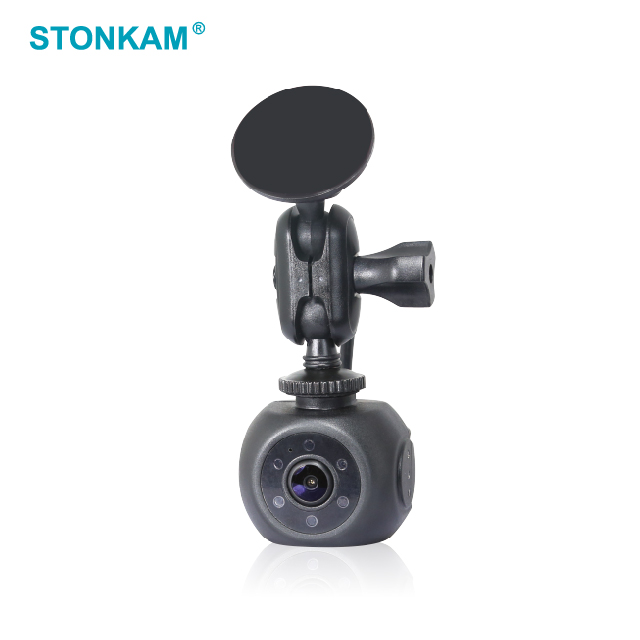
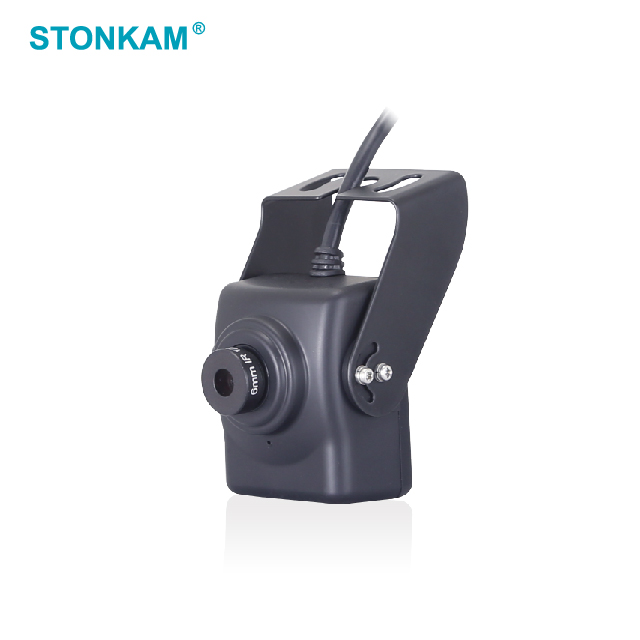
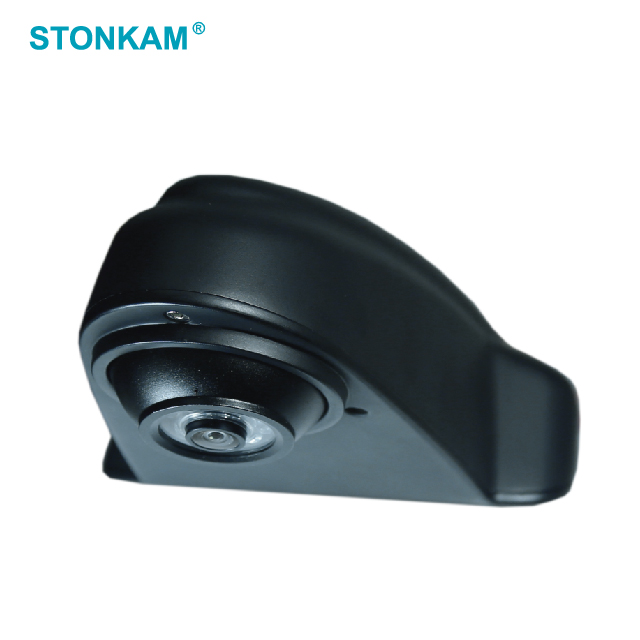
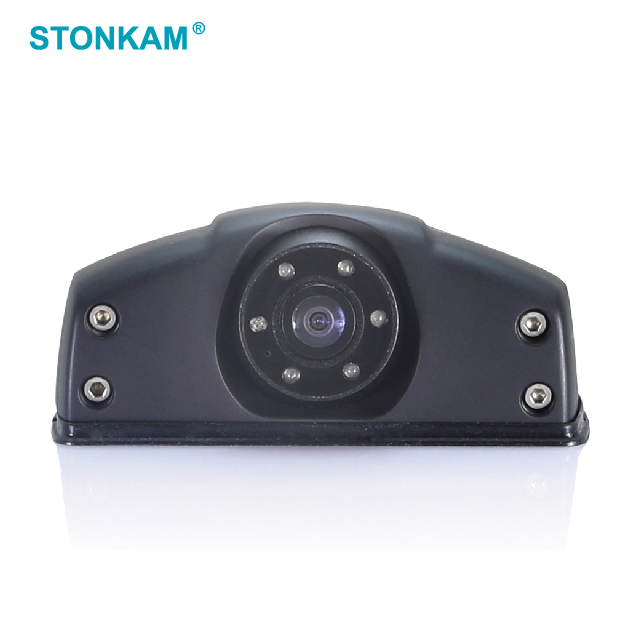
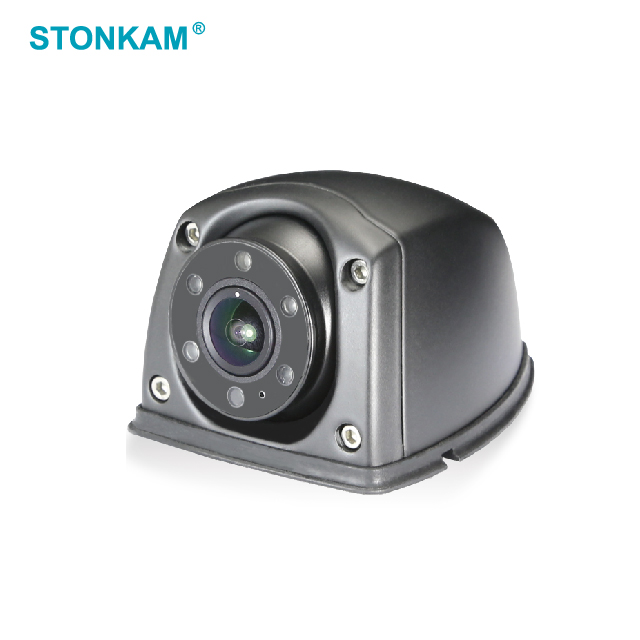
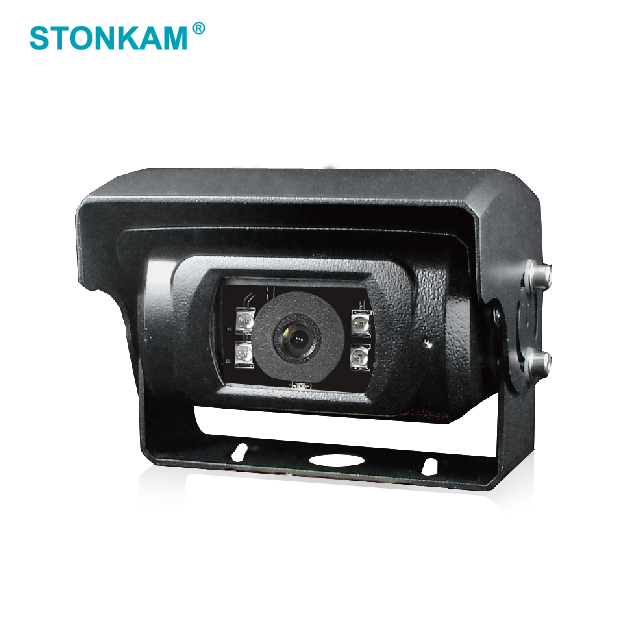
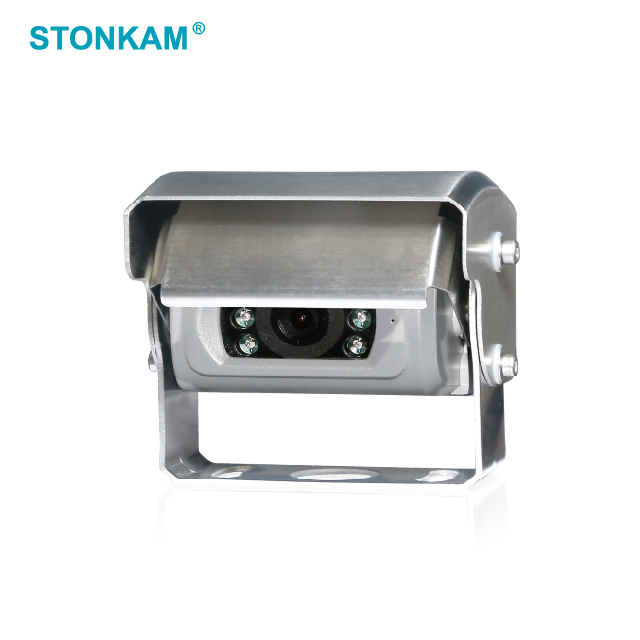
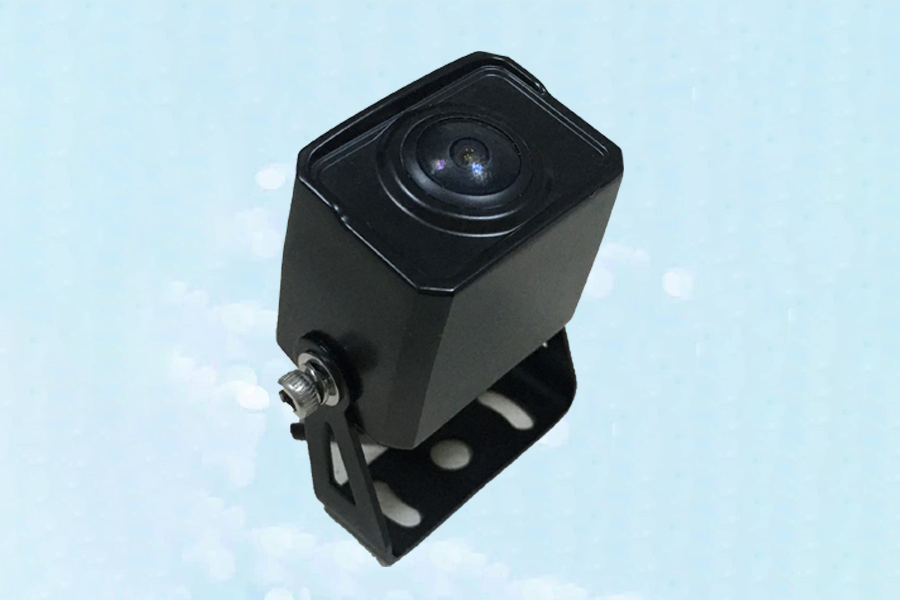
Cameras
Source high-performance analog security cameras from vetted suppliers and manufacturers in China. Designed for importers, distributors, and brands seeking reliable bulk purchasing or custom OEM/ODM production. We help you secure competitive pricing on durable surveillance hardware built to strict industry standards.
Sourcing analog surveillance cameras at scale requires navigating a highly fragmented manufacturing landscape. While IP cameras dominate new enterprise installations, the demand for high-definition analog (AHD, TVI, CVI) remains massive for legacy coaxial upgrades and cost-sensitive markets. Success in this category depends on specifying the correct sensor-DSP pairings, ensuring robust housing integrity, and enforcing strict quality control on the factory floor.
Critical Component Specifications
The core performance of an analog camera is dictated by its Image Sensor and Digital Signal Processor (DSP). Buyers must specify both to avoid receiving units with mismatched or substandard components that produce noisy or degraded video.
- Image Sensors: CMOS sensors drive the analog market. Specify the exact sensor brand and model (e.g., Sony STARVIS for superior low-light performance, or specific OmniVision/SmartSens models for budget tiers). Ensure the sensor size (e.g., 1/2.8-inch vs. 1/3-inch) matches your required field of view and lux sensitivity.
- DSPs (Image Signal Processors): The DSP handles noise reduction, wide dynamic range (WDR), and signal encoding (AHD/TVI/CVI). Fullhan and Nextchip are standard in the analog space.
- Lenses: Specify fixed (typically 2.8mm or 3.6mm) or varifocal lenses. For varifocal, clarify if manual or motorized (auto-focus) is required.
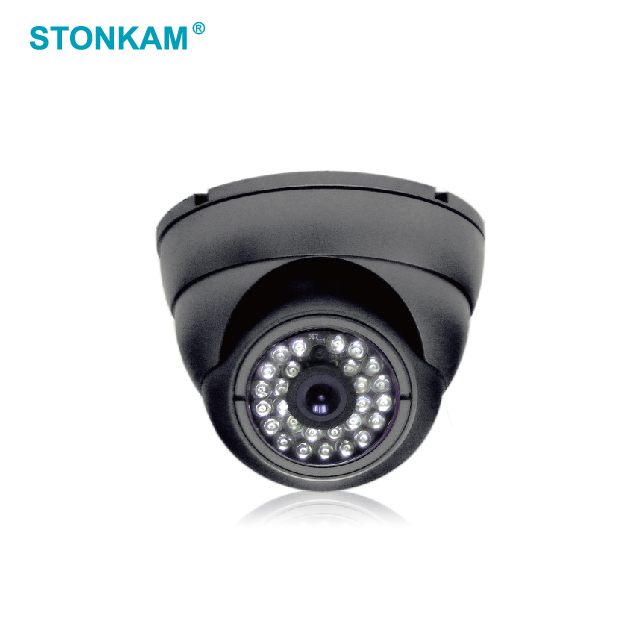
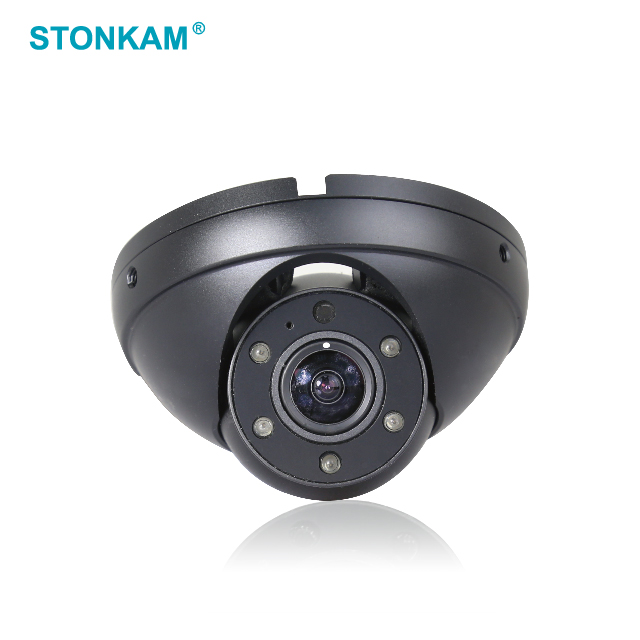
- IR Illumination: Specify the wavelength (usually 850nm) and the exact number/type of LEDs (SMD vs. traditional). Request "Smart IR" capabilities in the DSP to prevent overexposure of close subjects.
| Signal Format | Max Resolution | Primary Use Case |
|---|---|---|
| CVBS (Legacy) | 960H (Standard Def) | Legacy system replacement only |
| AHD / TVI | Up to 8MP (4K) | Mainstream high-def coaxial upgrades |
| CVI | Up to 8MP (4K) | Specific proprietary DVR ecosystems |
Need help verifying supplier component claims? Let our engineers review your BOM and specifications.
Talk to our teamManufacturing Tolerances and Quality Control
Analog cameras are often deployed in harsh outdoor environments. The primary failure points usually stem from poor assembly environments or inadequate testing, rather than component failure.
Dust on the sensor during assembly will appear as permanent dark spots on the video feed. Factories must use dedicated cleanrooms for the sensor-to-lens mounting process. Furthermore, improper housing seals lead to internal condensation, blinding the camera.
Factory QC Priorities to Enforce
- Cleanroom assembly for all sensor and lens integration
- High-temperature aging tests under load (minimum 24 to 48 hours)
- Vacuum or pressure-immersion testing for IP66/IP67 rated housings
- IR cut filter (ICR) mechanical switching calibration
- Coaxial video output signal strength testing
Working with a partner who can manage Quality Control & Inspection directly at the factory ensures these steps are actually performed, rather than just promised on a spec sheet. If you are developing a custom housing or unique feature set, utilizing professional OEM/ODM Services is crucial to maintain these tolerances during mass production.
Pricing, MOQs, and Production Lead Times
Pricing in the analog camera market is highly elastic, driven primarily by the sensor tier, housing material (die-cast aluminum vs. ABS plastic), and lens type.
When negotiating, be aware that suppliers may quote a highly competitive price by substituting a premium sensor (like a Sony IMX series) with a cheaper alternative that shares the same megapixel count. Always lock in the exact bill of materials (BOM) before issuing a purchase order.
Optimize your surveillance hardware supply chain. We negotiate direct with factories to secure your margins.
Get a free consultationRegulatory Compliance
Security hardware must meet specific regional standards. Ensure your supplier can provide valid test reports for CE (Europe) and FCC (North America) regarding electromagnetic interference, as analog signals can both emit and be susceptible to RF noise. For environmental compliance, RoHS certification is mandatory for most Western markets. If you are unsure of the requirements for your target market, Compliance & Testing oversight can prevent costly customs seizures.
Securing reliable analog cameras at wholesale volumes requires strict attention to the internal components rather than just the external housing. By locking down your BOM and enforcing rigorous on-site quality control, you can source high-margin, low-defect surveillance hardware.
Get Sourcing Help for Cameras
Tell us your requirements and our experts will connect you with verified manufacturers.