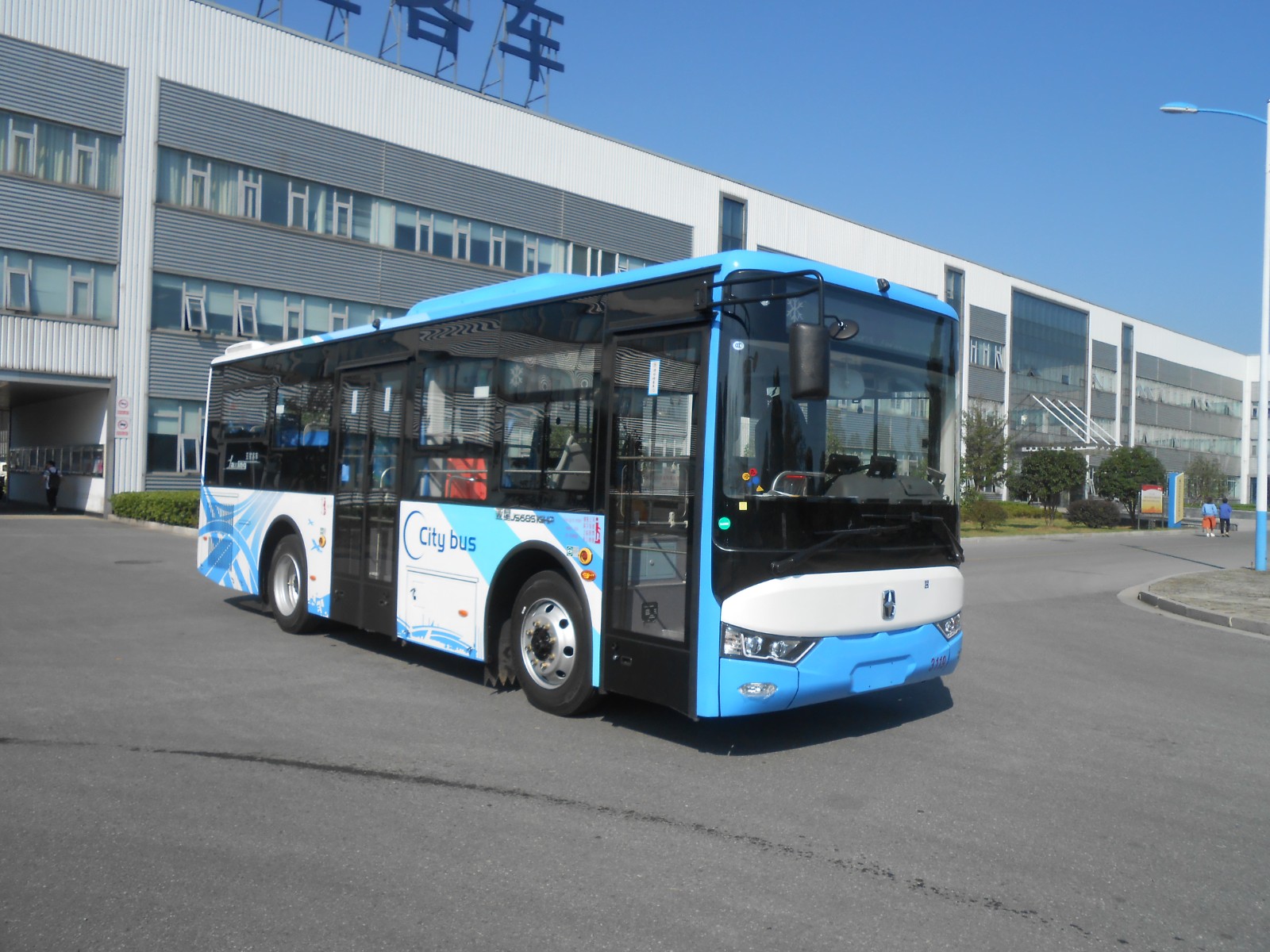
Buses
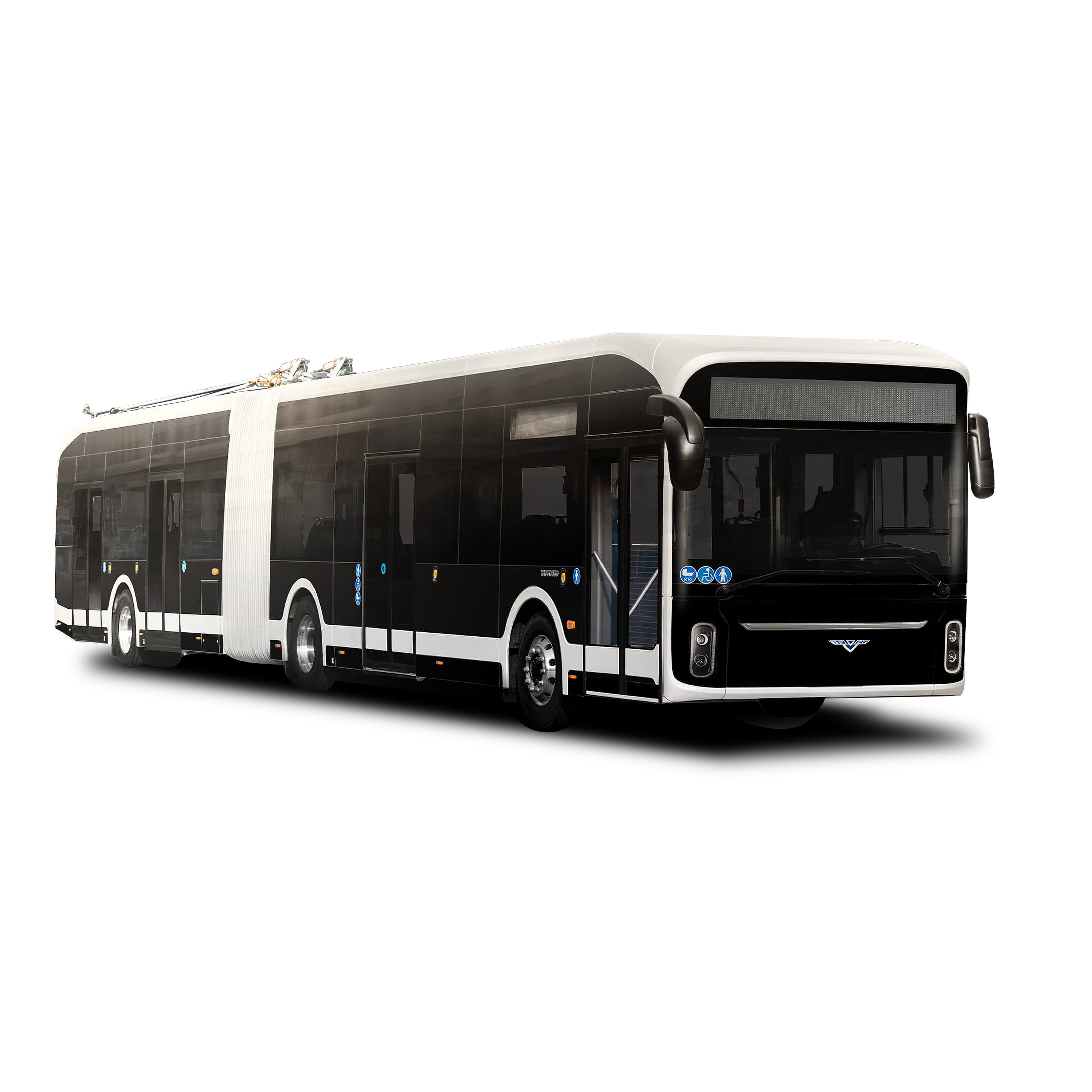
Source commercial buses from vetted suppliers and manufacturers across Asia. Designed for transit authorities, fleet operators, and specialized vehicle distributors, our network provides direct access to wholesale bus manufacturing, custom OEM production, and reliable supply chains for passenger transport vehicles.
Sourcing commercial buses—whether for urban transit, intercity coaching, or specialized shuttle services—requires strict alignment between factory capabilities and destination market regulations. The primary challenge is not simply finding a manufacturer with available capacity; it is ensuring the chassis, drivetrain, and passenger cabin meet stringent homologation standards while maintaining a competitive total cost of ownership (TCO) for fleet operators.
Drivetrain and Chassis Specifications
The shift toward zero-emission public transport has heavily influenced Asian bus manufacturing, but traditional internal combustion engine (ICE) platforms remain critical for long-haul and emerging market applications. When specifying a build, the chassis and drivetrain architecture dictate the vehicle's operational lifespan.
| Drivetrain Type | Primary Use Case | Key Sourcing Considerations |
|---|---|---|
| Battery Electric (BEV) | Urban transit, airport shuttles | Battery chemistry (LFP preferred for stability), thermal management systems, charging protocol compatibility |
| Diesel / CNG | Intercity, long-haul coach | Emissions tier compliance (e.g., Euro V or VI), reliable engine sourcing (often imported blocks like Cummins) |
| Hydrogen Fuel Cell | Extended range zero-emission | Fuel cell stack lifespan, high-pressure tank certification, localized refueling infrastructure |
For EV platforms, buyers must clearly define the battery capacity (measured in kWh) against the required daily route range, factoring in HVAC load. Under-specifying the battery to reduce upfront costs often results in rapid degradation and unacceptable operational downtime.
Manufacturing Standards and Quality Control
A bus is a high-liability asset. Quality is won or lost long before final assembly. The structural integrity of the space frame and the reliability of the electrical harnesses are paramount. Verifying a supplier's production line requires extensive Quality Control & Inspection, focusing on both in-line processes and pre-shipment validation.
Critical Factory-Floor Checks
- Cathodic Electrodeposition (CED) Coating: Ensure the entire frame undergoes CED for long-term anti-corrosion, critical for winter or coastal environments.
- Weld Seam Integrity: Robotic welding should be used for primary structural nodes; manual welds require rigorous ultrasonic or X-ray non-destructive testing.
- Wiring Harness Routing: High-voltage cables in EVs must be heavily shielded, physically segregated from low-voltage systems, and routed away from high-friction zones.
- Axle and Suspension Sourcing: Verify if critical components are manufactured in-house or sourced from Tier-1 suppliers (e.g., ZF, Dana).
Managing vehicle homologation and factory-level QA requires boots on the ground. Let's discuss your technical requirements and compliance needs.
Talk to our teamHomologation and Market Compliance
Importing complete vehicles requires navigating complex regulatory frameworks. A bus built for the domestic Asian market will rarely meet European (ECE), North American (FMVSS/CMVSS), or Australian (ADR) standards out of the box.
Modifying a vehicle for compliance after production is cost-prohibitive. You must specify the target market during the initial engineering phase. This involves rigorous Compliance & Testing for rollover strength, seat anchorage pull-tests, emergency exit dimensions, and braking system performance.
Pricing, MOQs, and Lead Times
Unlike consumer goods, commercial vehicles operate on project-based manufacturing cycles. While single-unit purchases are possible, they offer no leverage for custom engineering or favorable pricing.
When negotiating pricing, clarify exactly what components are included. Buyers often request specific imported components (like Allison transmissions or Knorr-Bremse braking systems) to simplify local maintenance, which will adjust the baseline unit cost.
Navigating RoRo shipping and complex vehicle supply chains? We can streamline your procurement and logistics.
Get a free consultationShipping and Logistics Strategy
Transporting fully assembled buses requires specialized roll-on/roll-off (RoRo) shipping, which is subject to distinct port infrastructure requirements and volatile freight rates. Alternatively, buyers with local assembly capabilities may opt for Completely Knocked Down (CKD) or Semi Knocked Down (SKD) shipping. CKD/SKD dramatically reduces Shipping & Freight costs and often benefits from lower import tariffs, though it requires significant downstream infrastructure.
Before committing to a CKD/SKD contract, comprehensive Factory Audits are necessary to ensure the supplier has the logistical maturity to accurately pick, pack, and document thousands of individual components per container without shortages.
Frequently Asked Questions
Procuring commercial buses at scale is an exercise in risk management and technical alignment. Success depends on selecting a manufacturing partner capable of meeting your specific market's regulatory demands while maintaining rigorous quality control across the entire production cycle. If you need support navigating factory selection, compliance, or logistics, our team is equipped to help you execute a seamless sourcing strategy.
Get Sourcing Help for Buses
Tell us your requirements and our experts will connect you with verified manufacturers.