Buckets
Source heavy-duty construction buckets from vetted suppliers and manufacturers across Asia's top industrial hubs. Designed for importers, equipment distributors, and OEM brands buying in bulk, our network delivers reliable excavator and loader attachments. Secure competitive wholesale pricing and strict quality assurance on high-volume bucket orders.
Sourcing construction machinery buckets at scale requires balancing volatile steel market pricing with the uncompromising durability required in the field. Whether you are importing standard trenching buckets or heavy-duty rock buckets for mining applications, the sourcing challenge lies in verifying material authenticity and ensuring precise fitment tolerances. A millimeter of distortion during the manufacturing process can render an attachment useless, causing severe delays for your end-users.
Material Specifications and Wear Resistance
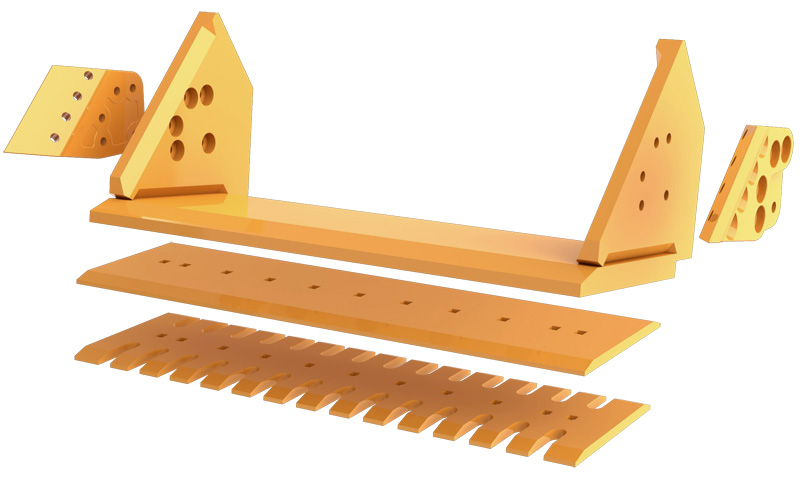
The lifespan of a bucket is dictated by its steel composition and the strategic placement of wear plates. Buyers must specify the exact material grades for different components of the bucket shell, side cutters, and cutting edge.
| Bucket Class | Main Shell Material | Cutting Edge / Wear Plates | Typical Application |
|---|---|---|---|
| Standard Duty | Q345B / Q355B | Q345B (Thicker plate) | Light soil, sand, loose gravel |
| Heavy Duty (HD) | Q355B | NM400 / AR400 | Mixed dirt, clay, light rock |
| Severe Duty / Rock | Q355B reinforced | NM500 / Hardox 450/500 equivalent | Solid rock, demolition, high abrasion |
When negotiating with manufacturers, be aware that substituting high-tensile wear steel (like NM400) with standard structural steel (like Q345B) is a common margin-padding tactic. Verifying mill certificates and conducting hardness testing is essential before mass production begins.
Ensure your bucket specifications match factory production capabilities. Get expert guidance on supplier material verification and OEM customization.
Talk to our technical sourcing teamManufacturing Tolerances and Quality Control
The manufacturing sequence directly impacts the structural integrity and fitment of the bucket. The most critical failure point in bucket production is pin hole alignment.
During assembly, the intense heat of welding the bucket ears (mounting brackets) to the shell causes metal distortion. Top-tier manufacturers will weld the entire bucket structure first, and only perform the final boring of the pin holes after welding is complete and the metal has cooled. Lower-tier factories often pre-bore the holes to save time, resulting in misaligned pins that require forced fitment or cause rapid bushing wear.
Critical QC Checks for Construction Buckets
- Dimensional Verification: Pin diameter, ear width, and pin center-to-center distance must match OEM specs exactly.
- Weld Integrity: Ultrasonic Testing (UT) or Magnetic Particle Inspection (MPI) on main structural welds.
- Boring Sequence: Verify that line boring is performed post-welding to ensure perfect axial alignment.
- Paint Thickness: Dry Film Thickness (DFT) checks to ensure adequate rust prevention for ocean freight.
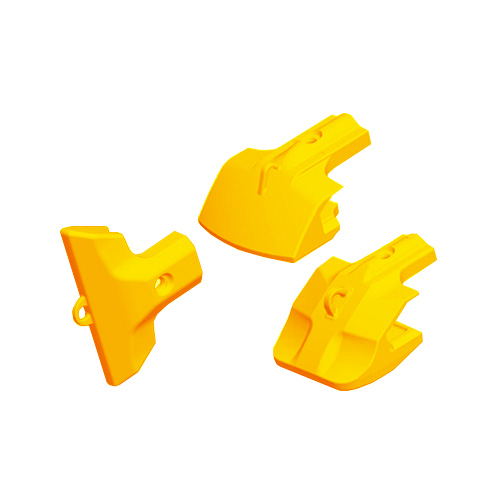
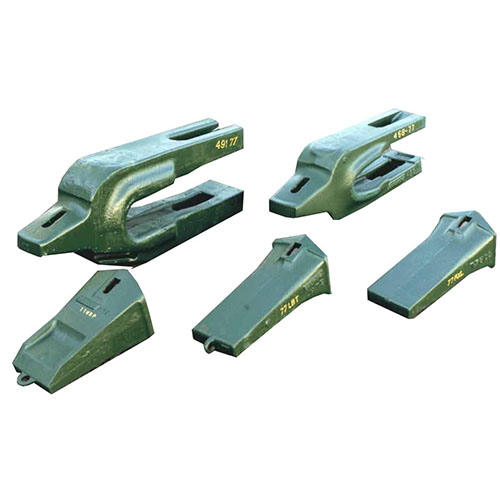
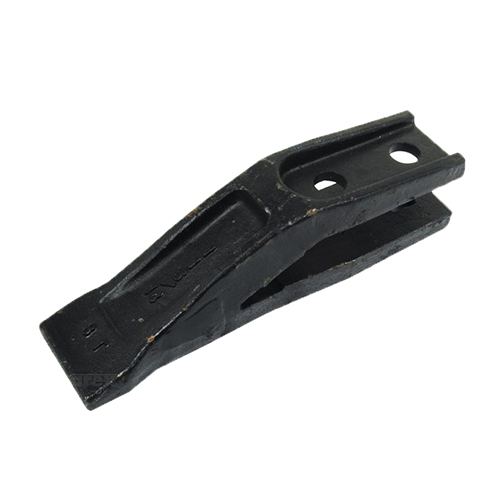
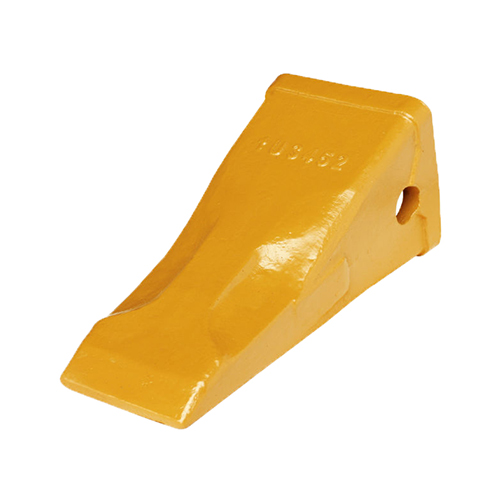
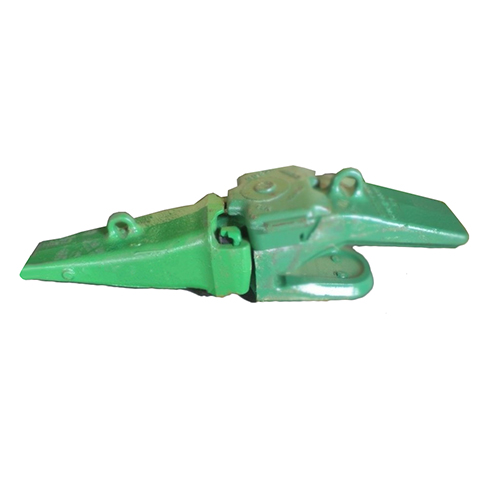
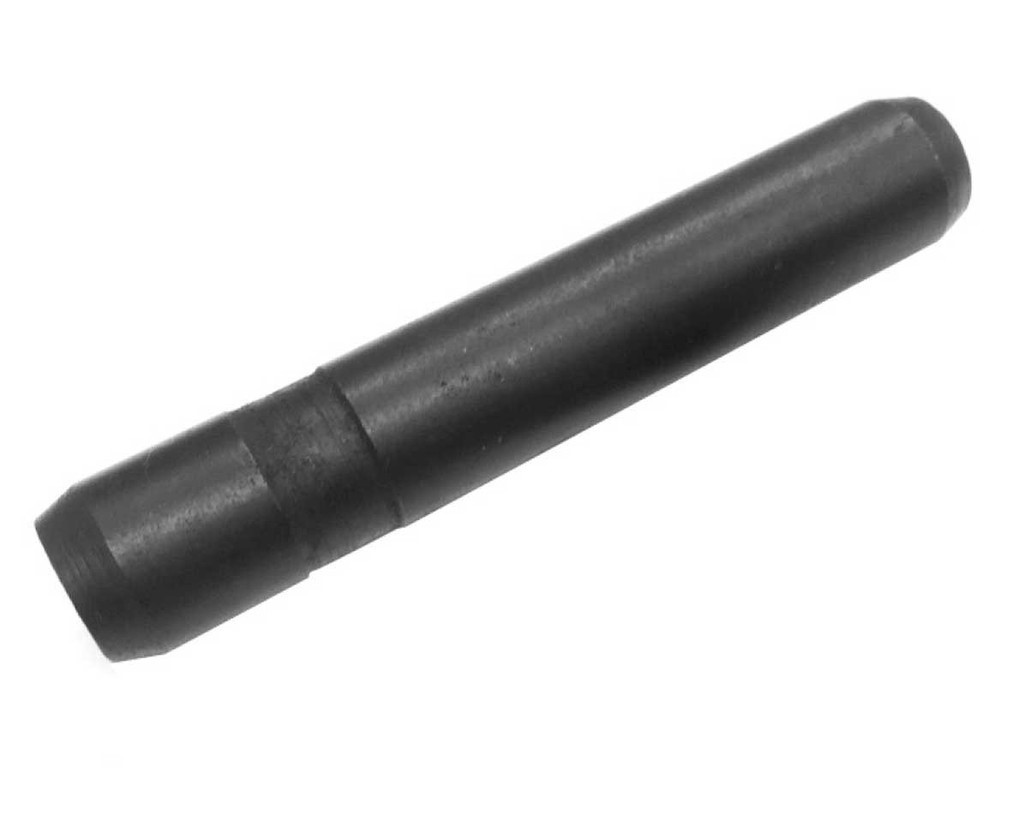
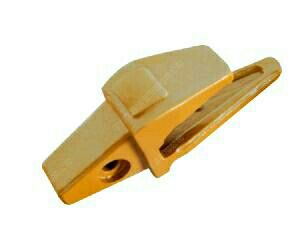
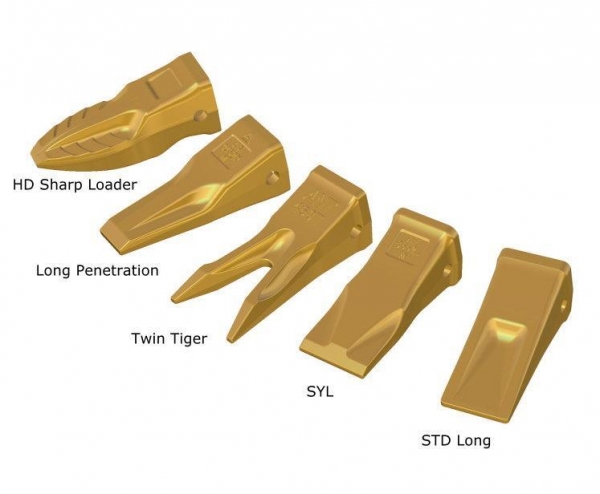
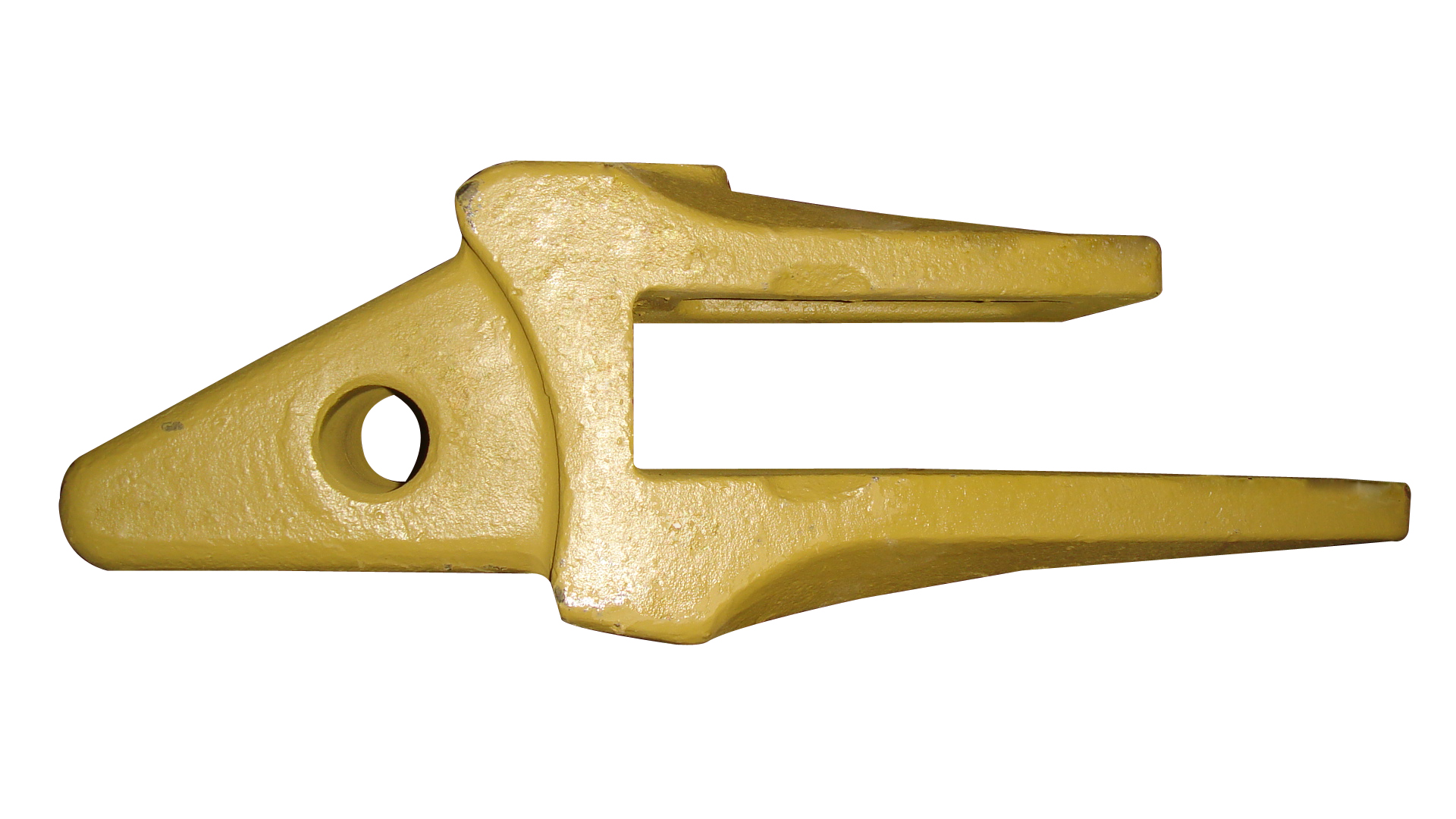
- Tooth/Adapter Fitment: Test-fitting GET (Ground Engaging Tools) to ensure shanks and pins lock correctly.
If you are sourcing under your own brand, conducting comprehensive Factory Audits is crucial to verify that the supplier has the heavy machinery (CNC line borers, heavy-duty press brakes) required to manufacture attachments to your specifications. Furthermore, implementing strict Quality Control & Inspection protocols prior to shipment prevents fitment disasters upon arrival.
Pricing Drivers, MOQs, and Logistics Reality
Bucket pricing is heavily indexed to raw steel costs, which fluctuate globally. When reviewing quotations, ensure the price validity period is clearly stated (typically 15 to 30 days).
The Impact of Nesting on Freight Costs
Because buckets are essentially large, heavy, empty vessels, shipping them inefficiently destroys your landed margin. Experienced suppliers and forwarders will "nest" buckets—placing smaller trenching buckets inside standard buckets, which are then placed inside large rock buckets.
Coordinating this requires precise volumetric planning and often involves consolidating orders from multiple attachment suppliers. Utilizing professional Shipping & Freight management ensures your container space is maximized, driving down the per-unit landed cost.
Struggling with high landed costs on heavy attachments? Let our team optimize your order consolidation and supplier negotiations.
Get a freight and sourcing assessmentFrequently Asked Questions
Sourcing construction buckets profitably requires moving beyond simple unit-price comparisons. By auditing factory production methods—specifically their welding and boring sequences—and aggressively optimizing container nesting, importers can secure highly durable attachments that protect both their margins and their brand reputation in the heavy equipment market.
Get Sourcing Help for Buckets
Tell us your requirements and our experts will connect you with verified manufacturers.