Brewery machinery
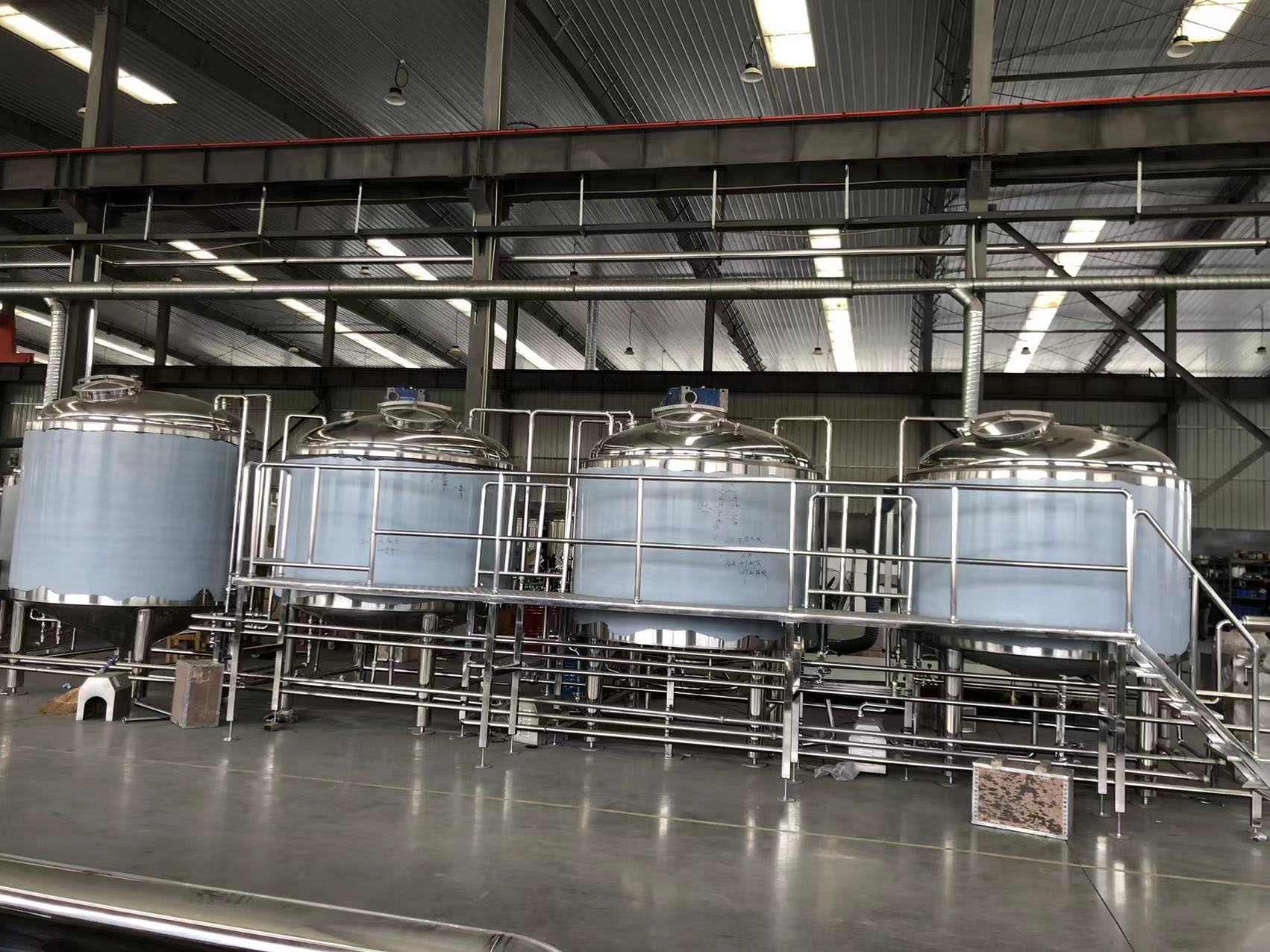
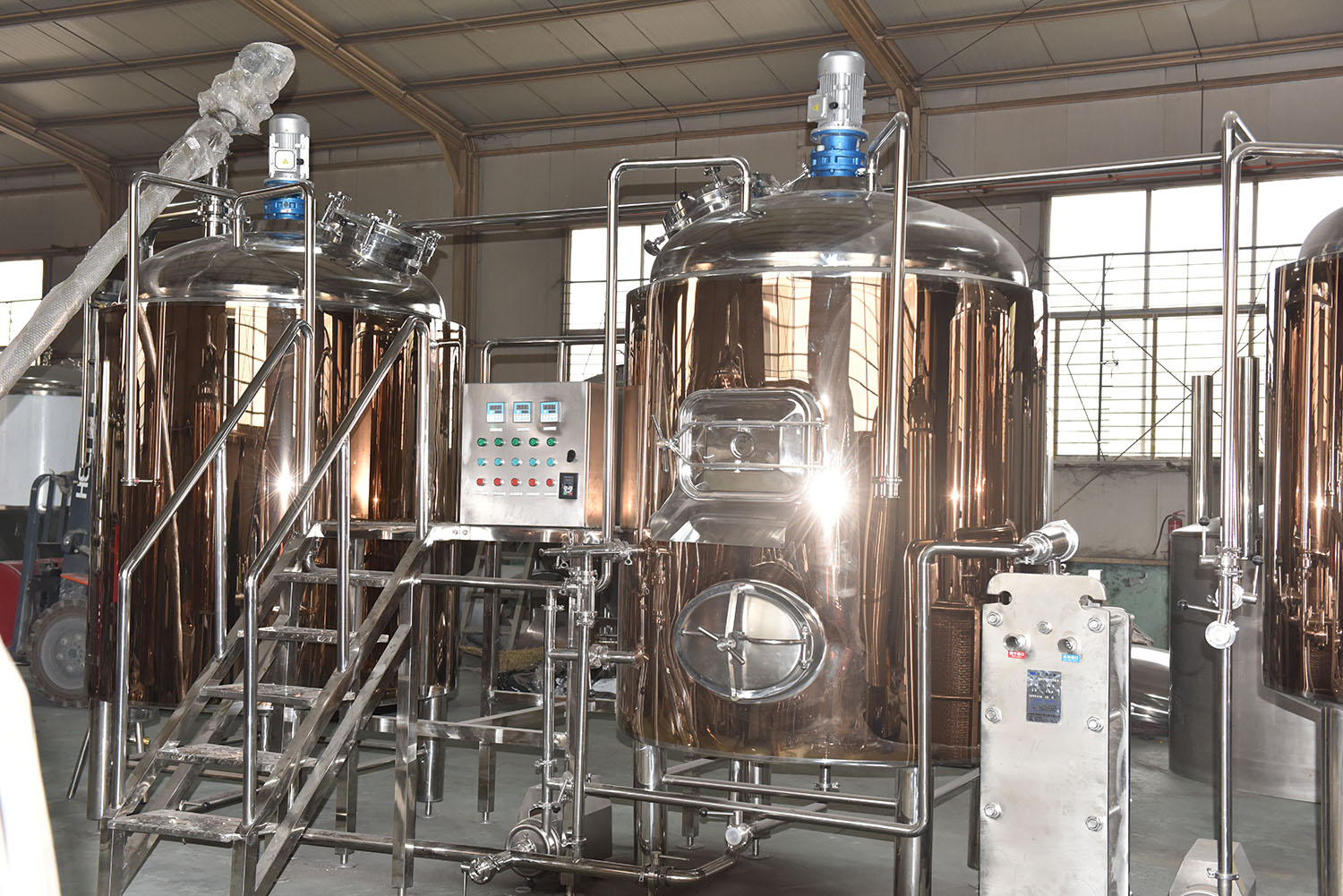
Source commercial-grade brewery machinery from vetted manufacturers and suppliers. Built for importers, equipment distributors, and brands seeking reliable OEM production, our network delivers precision brewing systems that meet strict sanitary and performance standards.
Sourcing commercial brewery machinery requires balancing aggressive capital expenditure goals with uncompromising sanitary standards. Whether you are importing complete brewhouse systems for distribution or procuring custom fermentation cellars for an OEM brand, the stakes are high. A minor defect in a sanitary weld or an improper jacket design can lead to catastrophic contamination or inefficient cooling. Successfully procuring these systems from overseas manufacturers demands rigorous technical specifications and tight oversight on the factory floor.
Specifying Commercial Brewery Systems: Material and Finish Standards
The core of any brewing system—from mash tuns to brite tanks—is the quality of the raw materials and the precision of the surface finish. Relying on a supplier's verbal assurance is a common pitfall; professional buyers must mandate specific grades and testing protocols in their purchase orders.
Stainless Steel Grades and Application
The industry standard is AISI 304 stainless steel for general tank construction, but specific applications require upgrades.
| Application / Component | Standard Material | Premium / High-Acid Material |
|---|---|---|
| Hot Liquor Tanks & Mash Tuns | 304 Stainless Steel | 304L Stainless Steel |
| Fermenters & Brite Tanks | 304 Stainless Steel | 316L Stainless Steel |
| CIP Systems & High-Salinity Areas | 316 Stainless Steel | 316L Stainless Steel |
Surface Finish and Polishing
Sanitary requirements dictate that all internal surfaces in contact with wort or beer must be smooth enough to prevent microbial harborages. The standard specification is an internal Ra (Roughness Average) of under 0.6 micrometers, achieved via mechanical polishing and subsequent passivation. External finishes typically feature a No. 4 brushed finish or a 2B finish, depending on aesthetic requirements.
Need to verify material grades and sanitary finishes at the factory level? Our engineering team can help audit your supplier's capabilities.
Get a free consultationManufacturing Tolerances and Quality Control
The true test of a brewery machinery manufacturer is their welding and testing capability. Poor TIG welding introduces microscopic crevices, while inadequate cooling jacket construction can lead to pressure failures.
Before committing to a high-volume order or a complex custom system, it is highly recommended to conduct thorough factory audits to verify the manufacturer's welding certifications (such as ASME Section VIII or PED 2014/68/EU for pressure vessels).
Critical Inspection Points
When implementing quality control protocols, ensure the factory performs and documents the following tests before the equipment leaves the floor:
Pre-Shipment Testing Protocol
- Hydrostatic pressure testing of all cooling jackets (typically tested at 0.3 MPa to 0.4 MPa).
- Dye penetrant inspection (PT) or radiographic testing (RT) on critical pressure-bearing welds.
- Riboflavin testing to verify the complete coverage and efficacy of internal CIP (Clean-in-Place) spray balls.
- Surface roughness verification using a calibrated profilometer on internal tank walls.
- Dimensional checks against approved CAD drawings to ensure exact piping alignments.
Passivation Verification
Never assume passivation has been completed correctly. Insist on a documented passivation report detailing the nitric or citric acid concentrations and contact times used to restore the chromium oxide layer after polishing.
Sourcing Mechanics: Pricing, MOQs, and Lead Times
Brewery equipment is highly capital-intensive and logistically complex. Pricing is heavily tied to global stainless steel commodity indices, the complexity of the automation (e.g., basic manual manifolds vs. fully automated pneumatic valve arrays with Siemens/Allen-Bradley PLCs), and the overall capacity of the system.
Because these are large, oversized items, freight costs make up a significant portion of the landed price. Shipping requires careful container loading, often utilizing open-top containers or flat racks for larger tanks (e.g., 50 BBL and above). Coordinating shipping and freight early in the procurement cycle is essential to avoid unexpected logistical bottlenecks.
Looking to streamline your equipment procurement, from factory vetting to international logistics?
Talk to our teamFrequently Asked Questions
Procuring brewery machinery at scale is an exercise in risk management. By rigidly defining material specifications, mandating strict hydrostatic and sanitary testing, and securing robust logistical support, buyers can leverage the cost advantages of overseas manufacturing without compromising the integrity of the brewing process. If you need experienced boots on the ground to manage supplier vetting and quality control, our team is ready to assist.
Get Sourcing Help for Brewery machinery
Tell us your requirements and our experts will connect you with verified manufacturers.