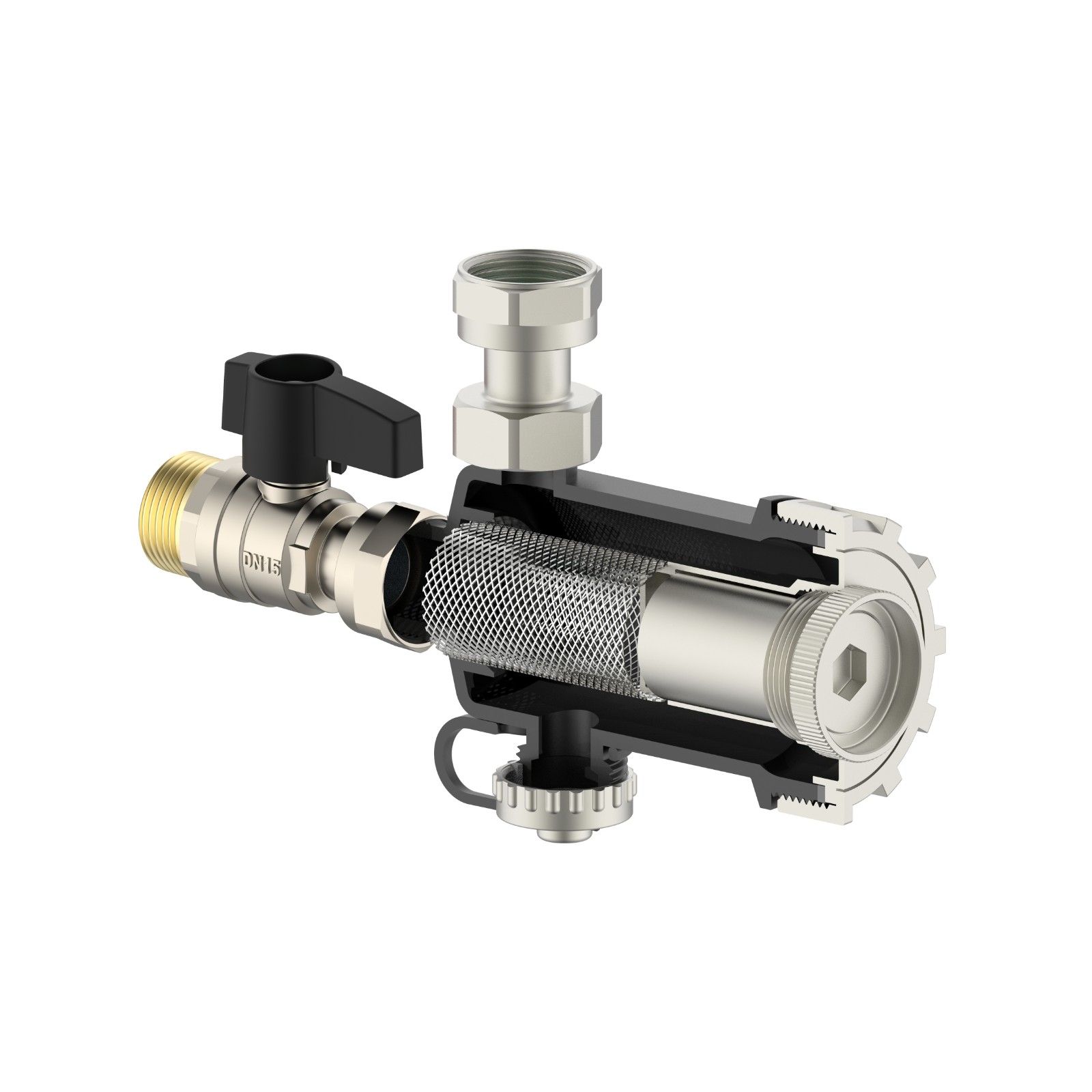
Boiler Parts
Source high-quality industrial and commercial boiler parts from vetted suppliers and manufacturers. Designed for importers, wholesalers, distributors, and OEM brands buying in bulk, our network delivers reliable components meeting strict pressure, temperature, and international safety specifications.
Sourcing industrial and commercial boiler parts requires balancing rigorous safety standards with cost-efficient manufacturing. Because these components operate under extreme thermal and mechanical stress, failure is not an option. Whether you are procuring cast iron heat exchangers, precision-machined brass valves, or seamless steel pressure tubes, securing a reliable supply chain means validating metallurgy, machining tolerances, and international pressure certifications before the first production run begins.
Critical Specifications and Material Selection
Boiler components are heavily regulated by regional standards like the ASME Boiler and Pressure Vessel Code (BPVC) in North America and the Pressure Equipment Directive (PED) in Europe. Specifying the correct material grade and ensuring the factory actually uses it is the most critical phase of procurement.
Factories often suggest material substitutions to lower costs. While some local Chinese equivalents (like GB standards) are mechanically identical to ASTM or DIN materials, unauthorized substitutions can lead to catastrophic failure under high pressure.
| Component Type | Typical Material | Primary Defect Risk |
|---|---|---|
| Pressure Tubes | Carbon Steel (SA-106/SA-210) | Wall thinning, weld porosity |
| Burner Housings | Cast Iron / Aluminum Alloy | Casting voids, micro-cracks |
| Safety & Relief Valves | Forged Brass / SS316 | Seat leakage, thread galling |
To mitigate material risks, professional buyers require comprehensive documentation. Relying on visual inspection is insufficient for pressure-retaining parts.
Mandatory Material Verification
- Material Test Reports (MTRs) tracing the exact heat lot of the raw steel or alloy.
- Positive Material Identification (PMI) using handheld XRF analyzers to confirm alloy composition.
- Third-party laboratory validation for tensile strength and yield strength on critical pressure boundaries.
- Verification of the factory's ASME 'S', 'U', or 'PP' stamp validity if exporting to North America.
Need help verifying factory certifications and material compliance before placing a bulk order?
Talk to our teamManufacturing Processes and Quality Control
The integrity of a boiler part is won or lost on the factory floor. Casting, forging, and welding are the primary manufacturing methods, and each introduces specific defect risks. For example, improper cooling during the casting of iron headers can create internal voids, while incorrect shielding gas mixtures during tube welding can cause porosity.
Implementing a strict Quality Control & Inspection protocol is non-negotiable. Quality assurance for boiler parts must go beyond dimensional checks and include structural integrity testing.
Non-Destructive Testing (NDT)
Factories must utilize Radiographic Testing (X-ray) or Ultrasonic Testing (UT) to detect sub-surface flaws in welds and castings.
Hydrostatic Testing
Pressure-retaining components must be subjected to hydrostatic tests at 1.5 times their maximum allowable working pressure (MAWP) to check for leaks.
Dye Penetrant Inspection
Used on machined surfaces and valve seats to detect microscopic surface cracks that could propagate under thermal cycling.
Dimensional Tolerances
CNC-machined threads and mating surfaces are verified using go/no-go gauges to ensure a perfect, leak-free seal upon assembly.
If you are developing custom components, leveraging professional OEM/ODM Services ensures that your proprietary designs are matched with a factory capable of meeting these exact testing parameters.
Evaluating Factory Capabilities
Not all metal fabrication facilities are equipped to produce boiler parts. A factory producing standard plumbing valves likely lacks the traceability systems required for high-pressure steam applications.
Conducting thorough Factory Audits is essential. You must verify that the supplier maintains an active ISO 9001 quality management system and has a dedicated quality assurance team separate from production staff. Look for in-house testing equipment; factories that outsource all their NDT and hydrostatic testing often suffer from delayed feedback loops, leading to higher defect rates in the final batch.
Typical MOQs, Pricing, and Lead Times
Pricing for boiler parts is highly dependent on raw material indices (like global steel and copper prices), the complexity of the machining, and the testing requirements.
Custom tooling for forged or cast parts will require an upfront investment and add 20 to 30 days to the initial timeline for sample approval. Always factor in the time required for independent Compliance & Testing before authorizing mass production.
Optimize your procurement costs and establish a reliable supply chain for high-pressure components.
Get a free consultationBuyer FAQ
Sourcing boiler components successfully requires strict oversight of metallurgy, manufacturing tolerances, and pressure testing. By partnering with factories that possess the right certifications and enforcing rigorous quality control protocols, you can secure reliable, compliant parts at scale.
Get Sourcing Help for Boiler Parts
Tell us your requirements and our experts will connect you with verified manufacturers.