Blender Parts
Source premium wholesale blender parts from vetted manufacturers and suppliers across Asia. Designed for importers, appliance distributors, and brands requiring bulk OEM and ODM production, our factory-direct network delivers reliable components—from high-torque motors and food-grade jars to precision-balanced stainless steel blade assemblies.
Sourcing blender components at scale requires balancing unit economics with strict food-safety compliance and mechanical durability. Whether you are procuring replacement parts for aftermarket distribution or custom-engineered assemblies for a new appliance line, the reliability of the final product hinges on the material integrity and manufacturing tolerances of its individual parts.
Critical Specifications for Core Blender Components
Blenders are high-vibration, high-friction appliances. Specifying the wrong material grade or motor winding can lead to premature failure, dulling, or catastrophic jar cracking under thermal stress.
Blade Assemblies (Agitators)
The performance of a blender is dictated by the hardness and geometry of its blades.
- Material Grade: Standard blades use SUS304 stainless steel, which offers excellent corrosion resistance but dulls faster under heavy load. Commercial or high-performance blender blades should be specified as SUS420J2 or SUS421, which can be hardened to HRC 50-55 for superior edge retention.
- Bearing and Seal: The blade shaft relies on dual ball bearings (often carbon steel or stainless) and a heavy-duty lip seal. Food-grade silicone or specialized Viton seals are mandatory to prevent liquid ingress into the bearing housing, which causes rusting and seizing.
Jars and Pitchers
Material selection for the blending vessel defines the product's market positioning and regulatory compliance.
| Material | Durability | Clarity & Aesthetics | Best For |
|---|---|---|---|
| Tritan (Copolyester) | High impact resistance | Glass-like, resists clouding | Premium & commercial models |
| Polycarbonate (PC) | Extremely shatterproof | Prone to scratching/clouding | Budget commercial (check BPA rules) |
| Tempered Glass | Heavy, moderate impact risk | Scratch-resistant, premium feel | Mid-tier domestic blenders |
| AS Plastic (SAN) | Low impact resistance | Clear but brittle over time | Entry-level domestic models |
Motors and Drive Systems
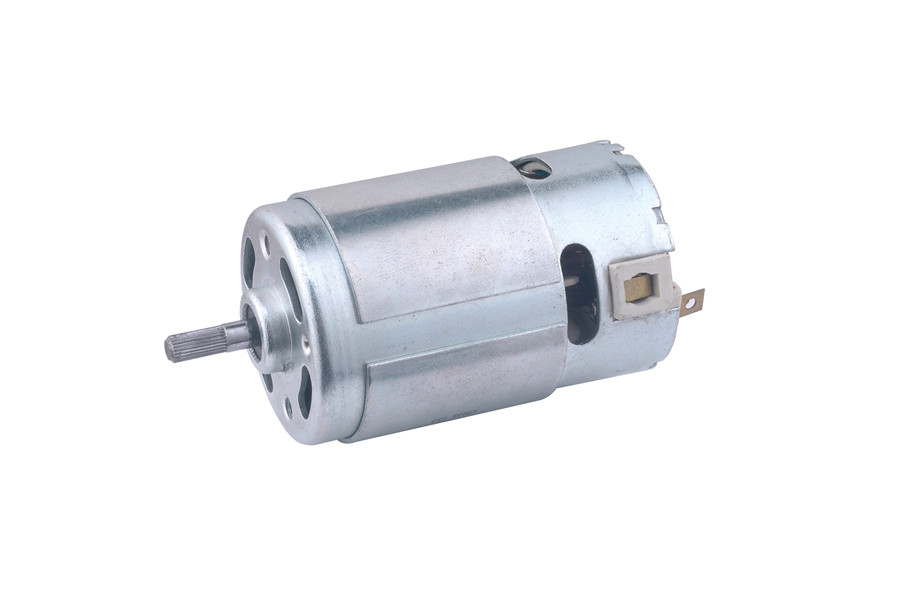
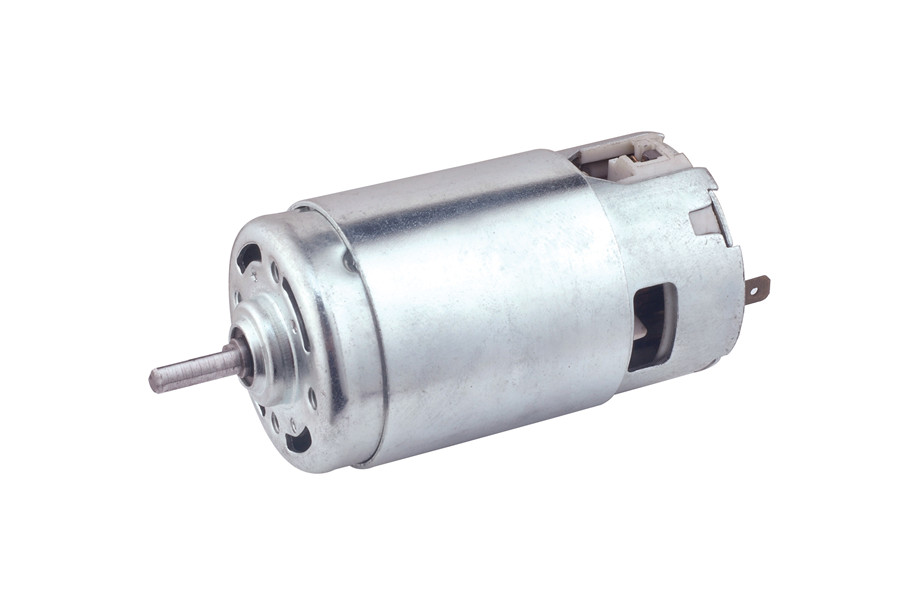
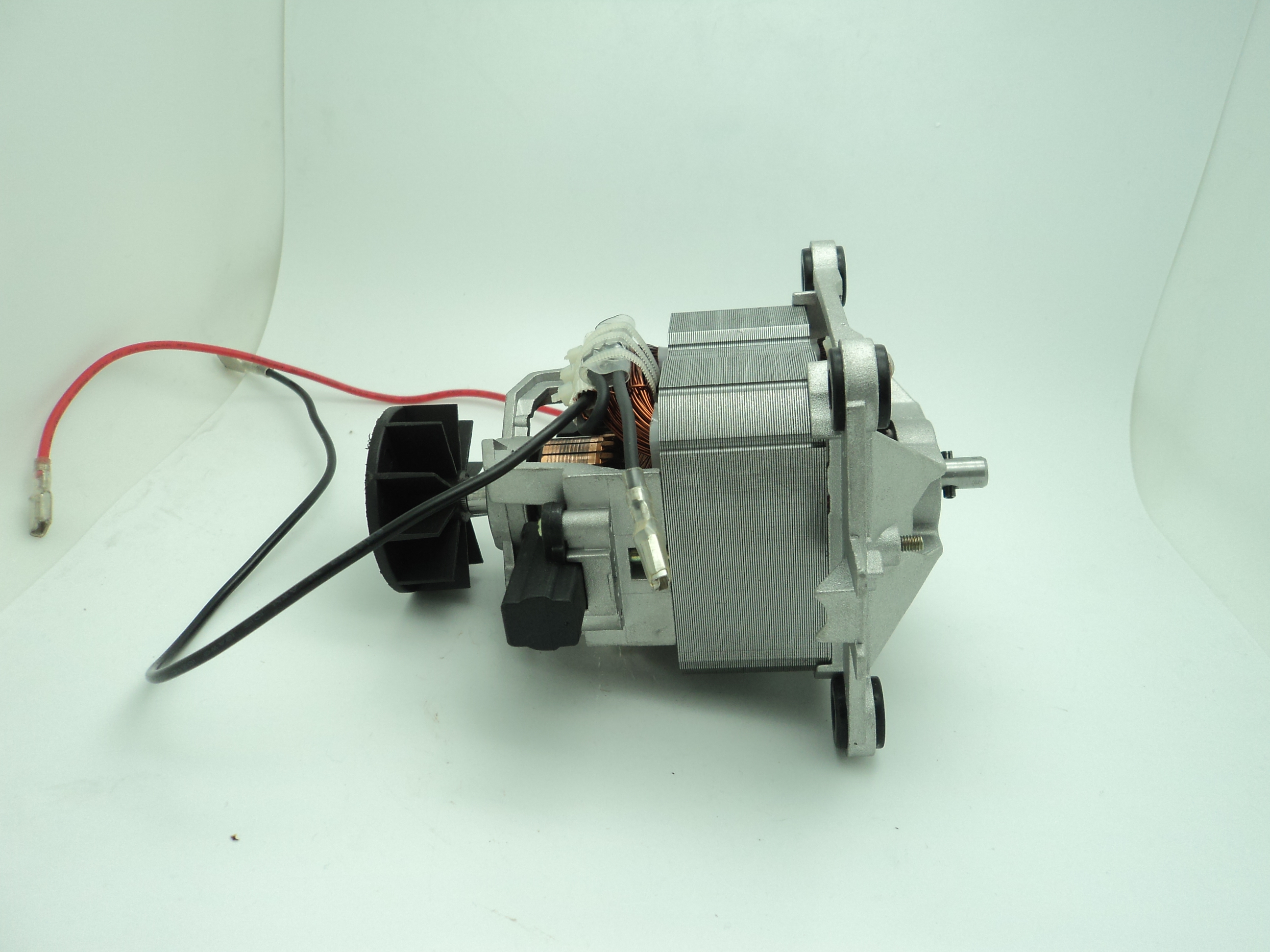
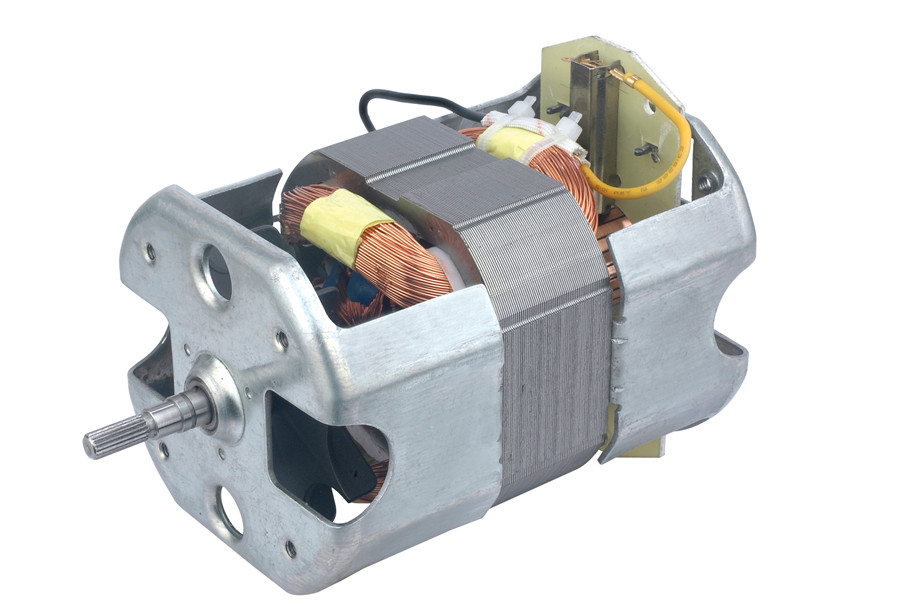
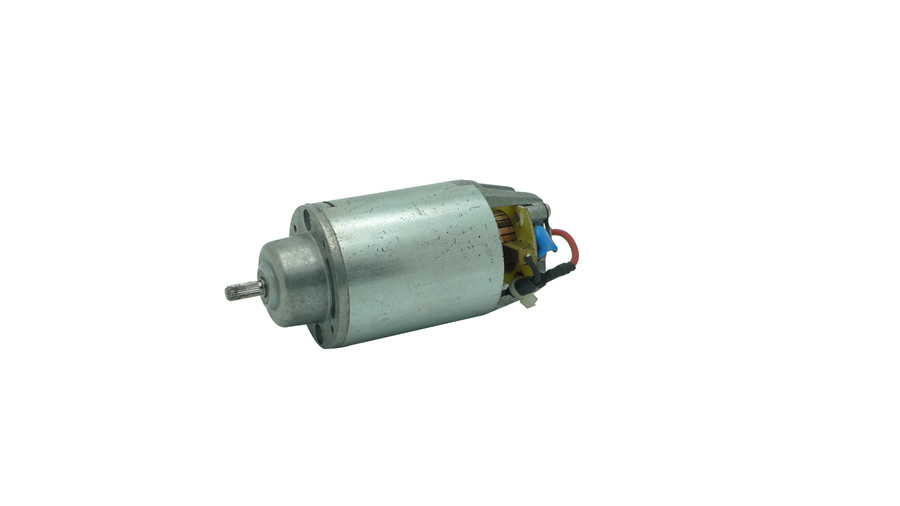
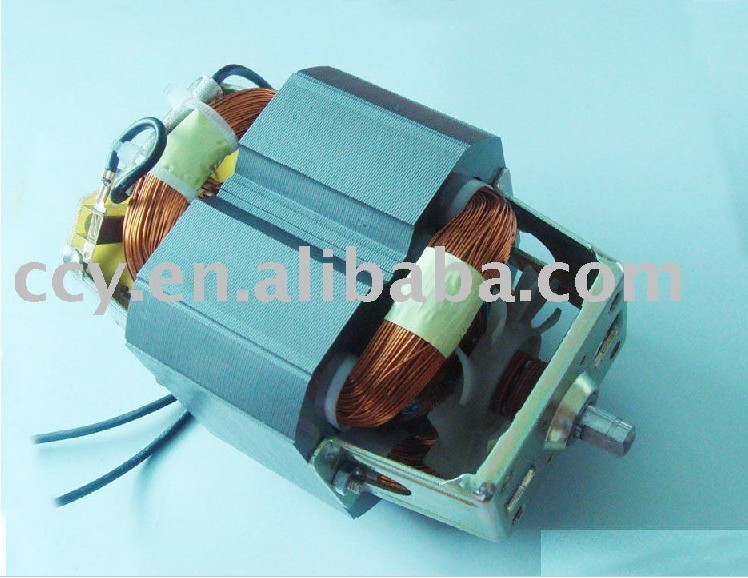
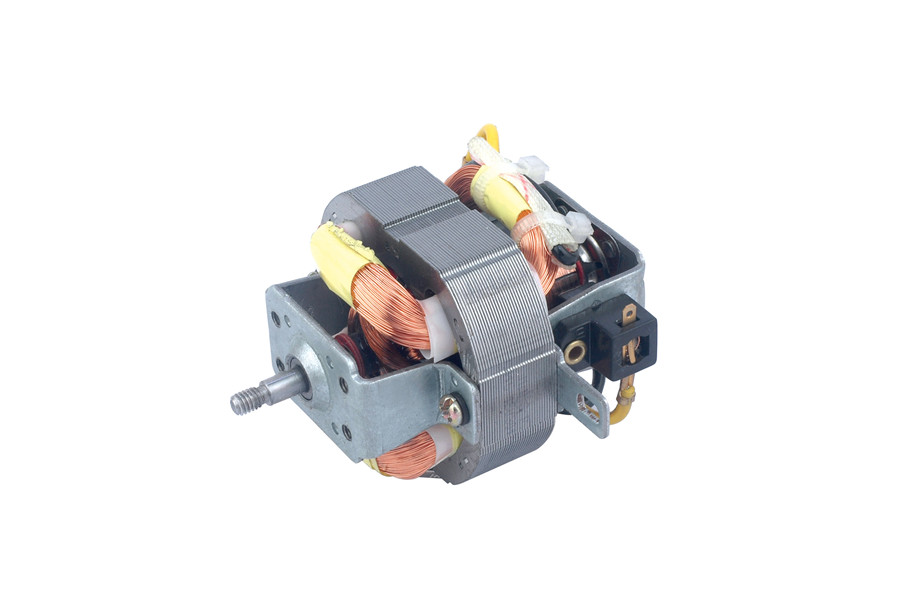
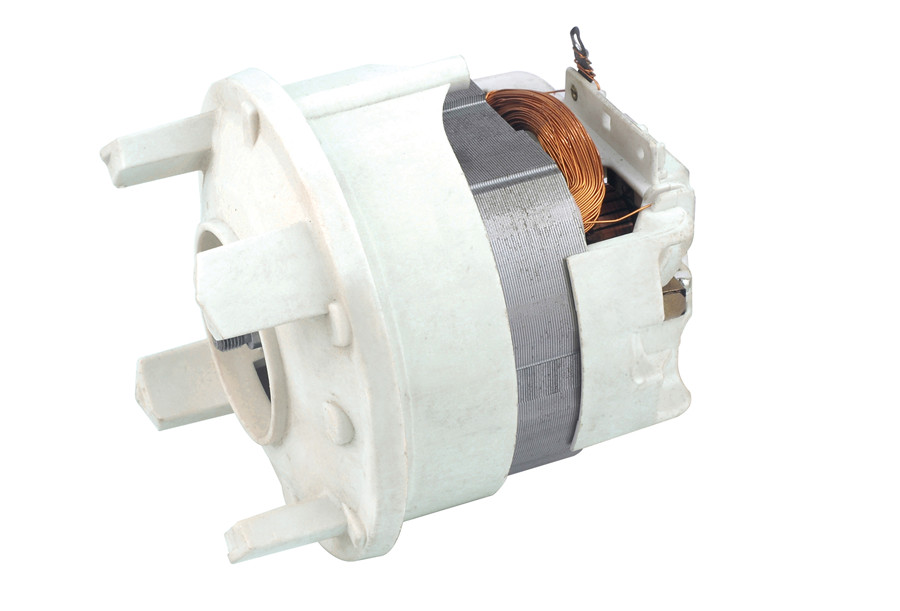
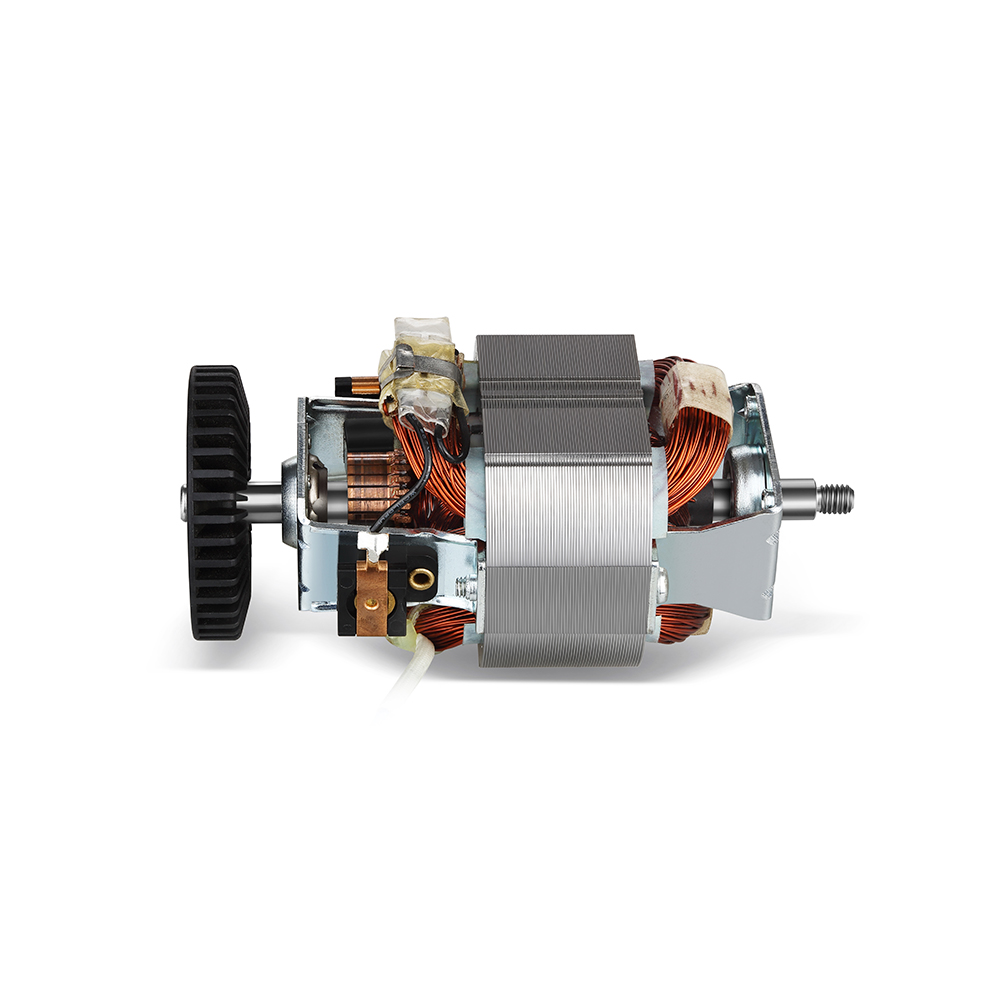
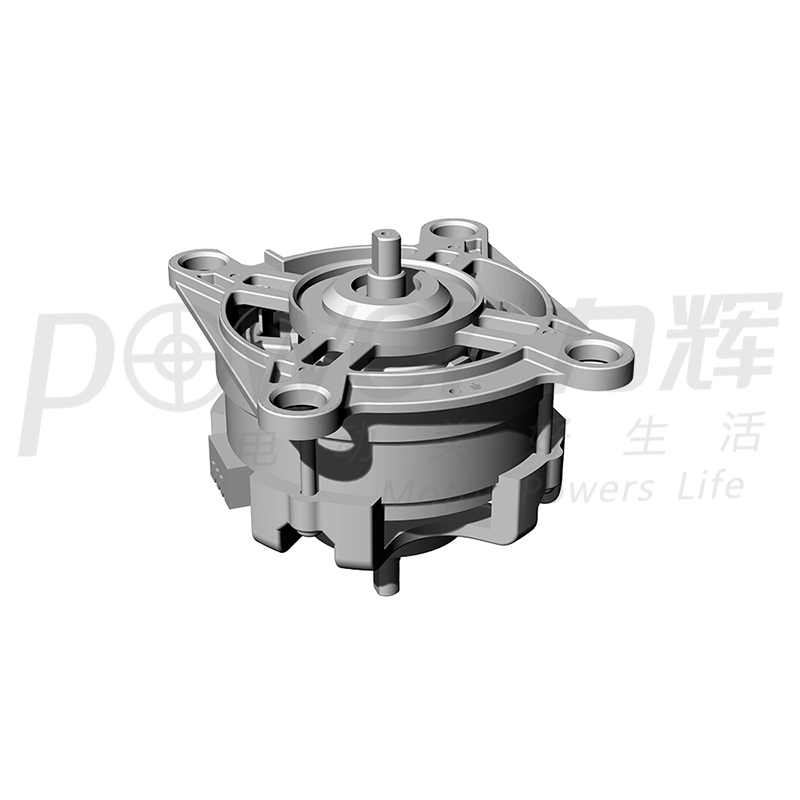
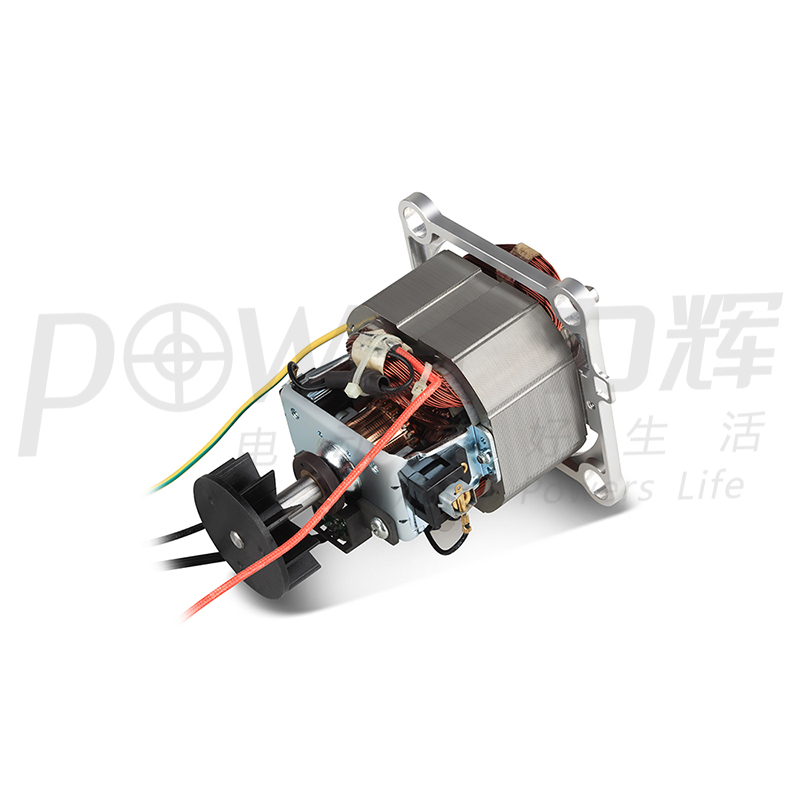
For buyers sourcing complete motor assemblies, the critical spec is the coil material. Pure copper windings ensure optimal thermal dissipation and longevity. Budget manufacturers often substitute copper-clad aluminum (CCA) to cut costs, which drastically reduces the motor's lifespan under heavy loads. Always specify thermal overload protectors (e.g., 105C to 130C cutoff fuses) to prevent electrical fires during a stall.
Need help verifying component specifications with an overseas supplier? Let our engineers review your technical requirements.
Talk to our teamManufacturing Oversight and Quality Control
The factory floor is where theoretical specifications meet reality. When running high-volume orders, minor deviations in tooling or assembly can cause batch-wide failures. For instance, an unbalanced blade assembly will destroy the drive socket and motor bearings within weeks of use.
To mitigate these risks, rigorous Quality Control & Inspection is essential. Inspectors should verify:
Key Pre-Shipment Inspection Checks for Blender Parts
- Dynamic balancing of blade assemblies (vibration testing at maximum RPM).
- Water-tightness of the blade base and silicone sealing rings under pressure.
- Hipot (dielectric withstand) testing for all AC motor assemblies.
- Verification of raw material certificates (e.g., FDA or LFGB compliance for jars and seals).
- Dimensional tolerance checks on drive sockets to ensure seamless mating with the motor spline.
If you are developing proprietary components, partnering with a facility that has robust in-house testing (drop tests for jars, continuous run-time tests for motors) is critical. Conducting comprehensive Factory Audits before tooling begins ensures the manufacturer actually possesses the capability to meet your standards, rather than outsourcing to unverified sub-tier workshops.
Wholesale Pricing, MOQs, and Production Lead Times
Procurement mechanics for appliance components vary heavily based on whether you are buying off-the-shelf standardized parts or commissioning custom tooling.
Cost Drivers
- Material Costs: Market fluctuations in copper directly impact motor pricing. Similarly, genuine Eastman Tritan resin commands a significant premium over standard polycarbonate.
- Custom Tooling: If you are utilizing OEM/ODM Services to design a unique pitcher shape or blade profile, expect upfront injection mold costs ranging from a few thousand dollars for simple lids to much higher for complex, multi-cavity jar molds.
- Certifications: Components destined for North America or Europe must often comply with UL, CE, RoHS, or specific food-contact regulations. Factories holding these pre-certified designs generally charge a 10 to 15 percent premium over non-certified domestic-market suppliers.
Struggling to hit your target unit cost without sacrificing motor quality? We can help you negotiate directly with verified component manufacturers.
Get a free consultationFrequently Asked Questions
Successful procurement in the appliance parts sector requires moving beyond simple price comparisons. By strictly defining material grades, enforcing dynamic balancing standards, and validating factory capabilities, you protect your brand's reputation and your bottom line.
Get Sourcing Help for Blender Parts
Tell us your requirements and our experts will connect you with verified manufacturers.