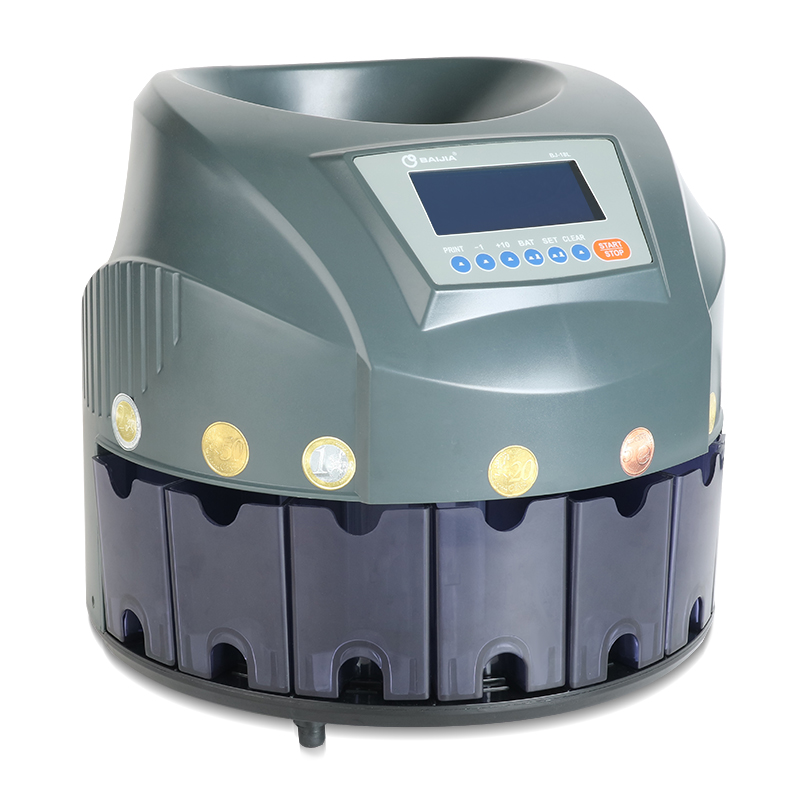
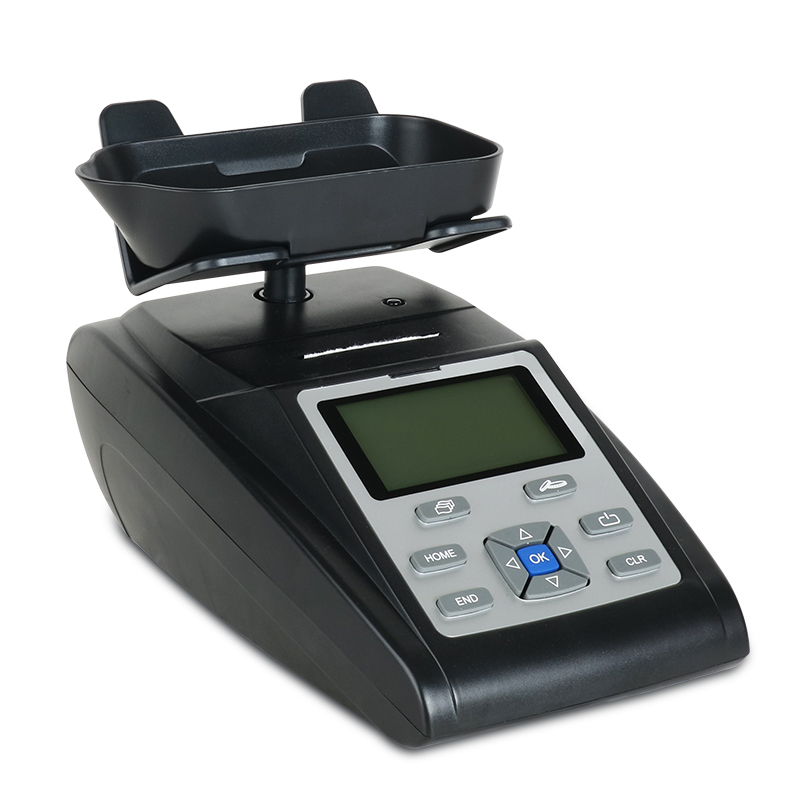
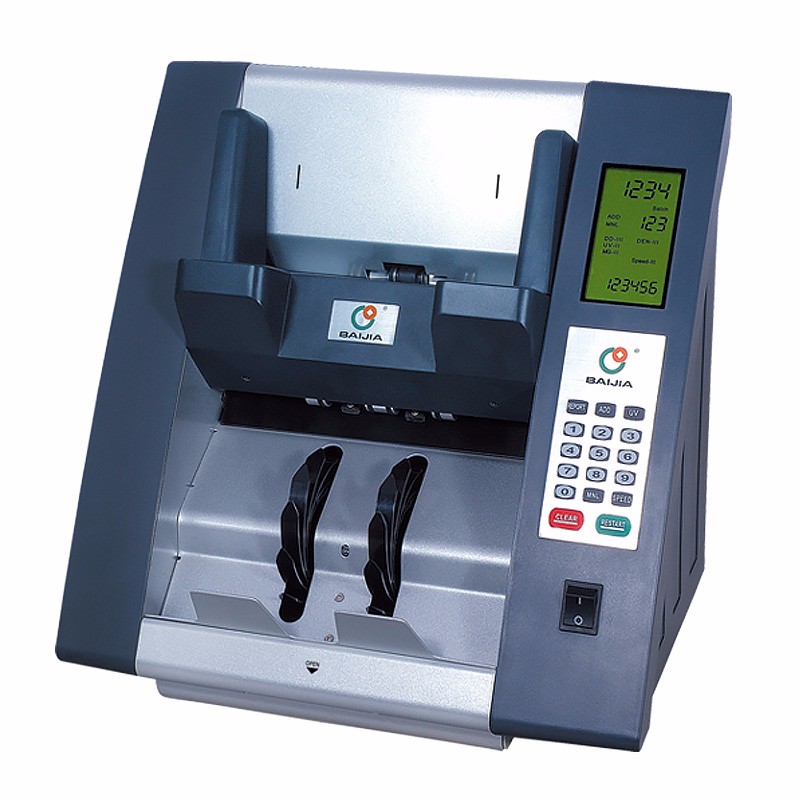
Bill Counters
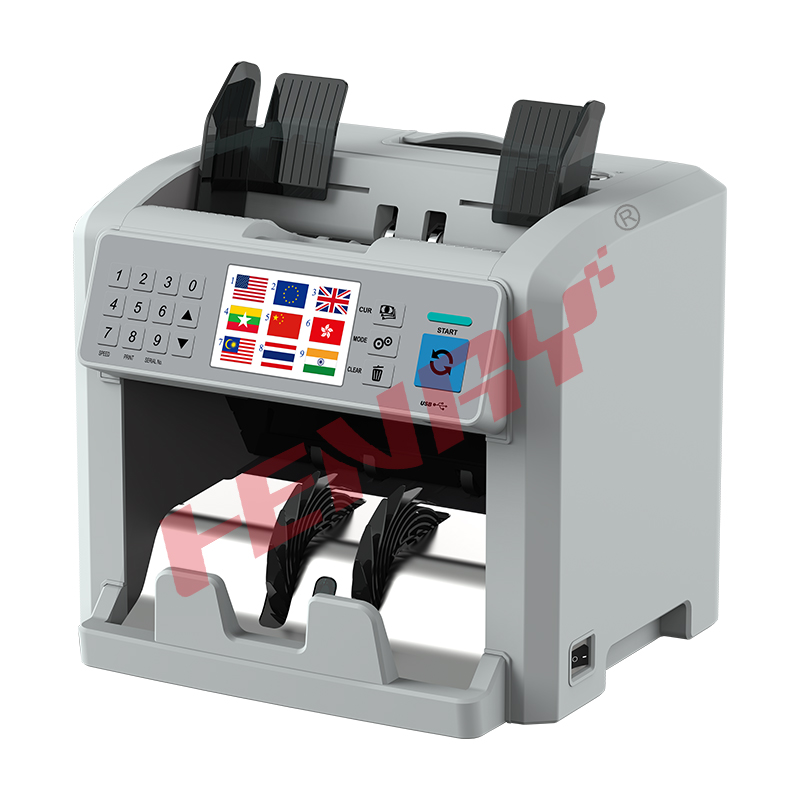
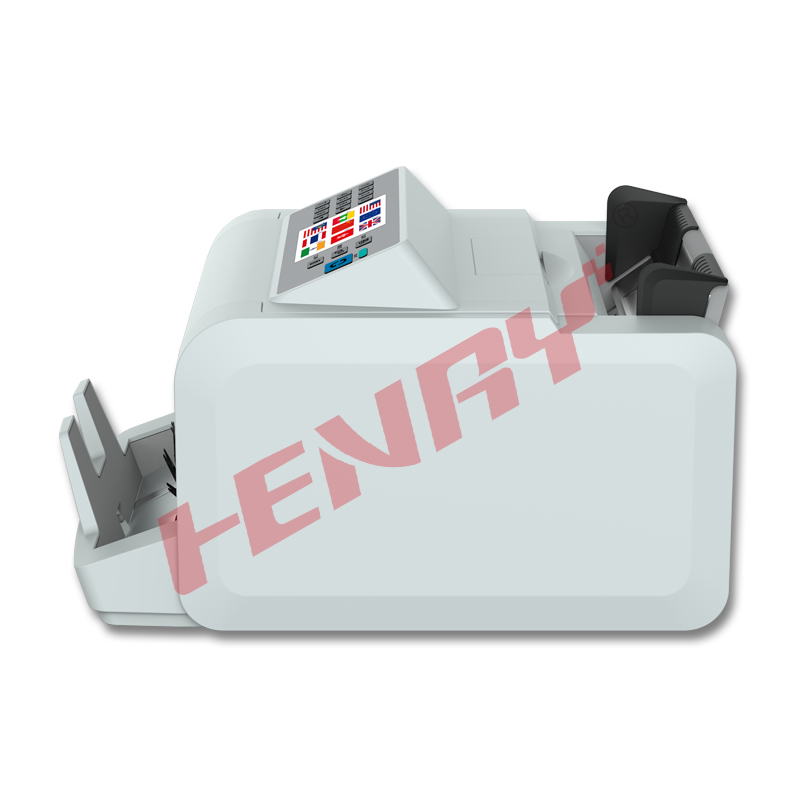
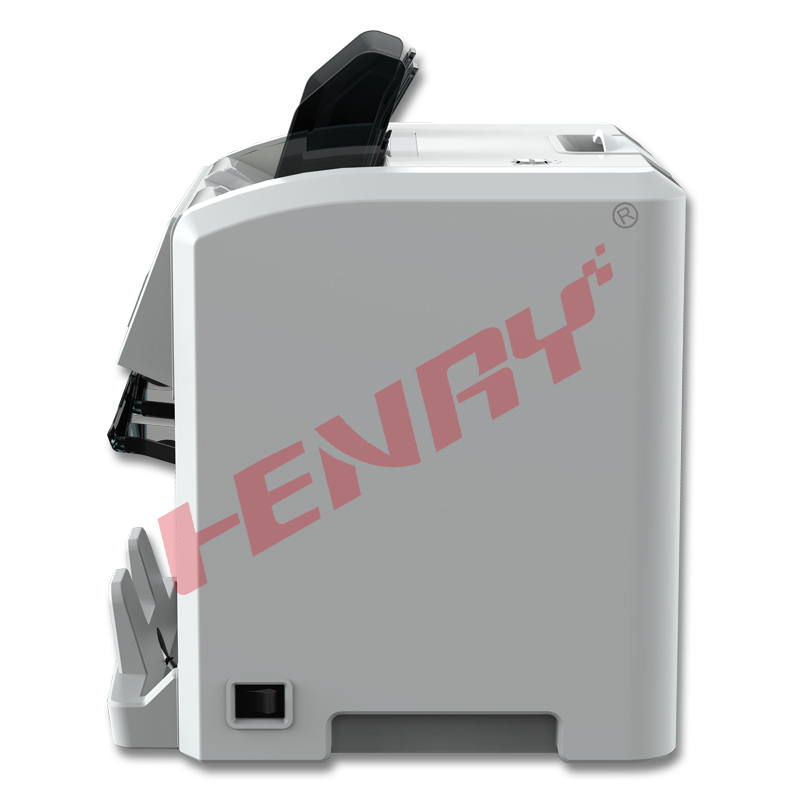
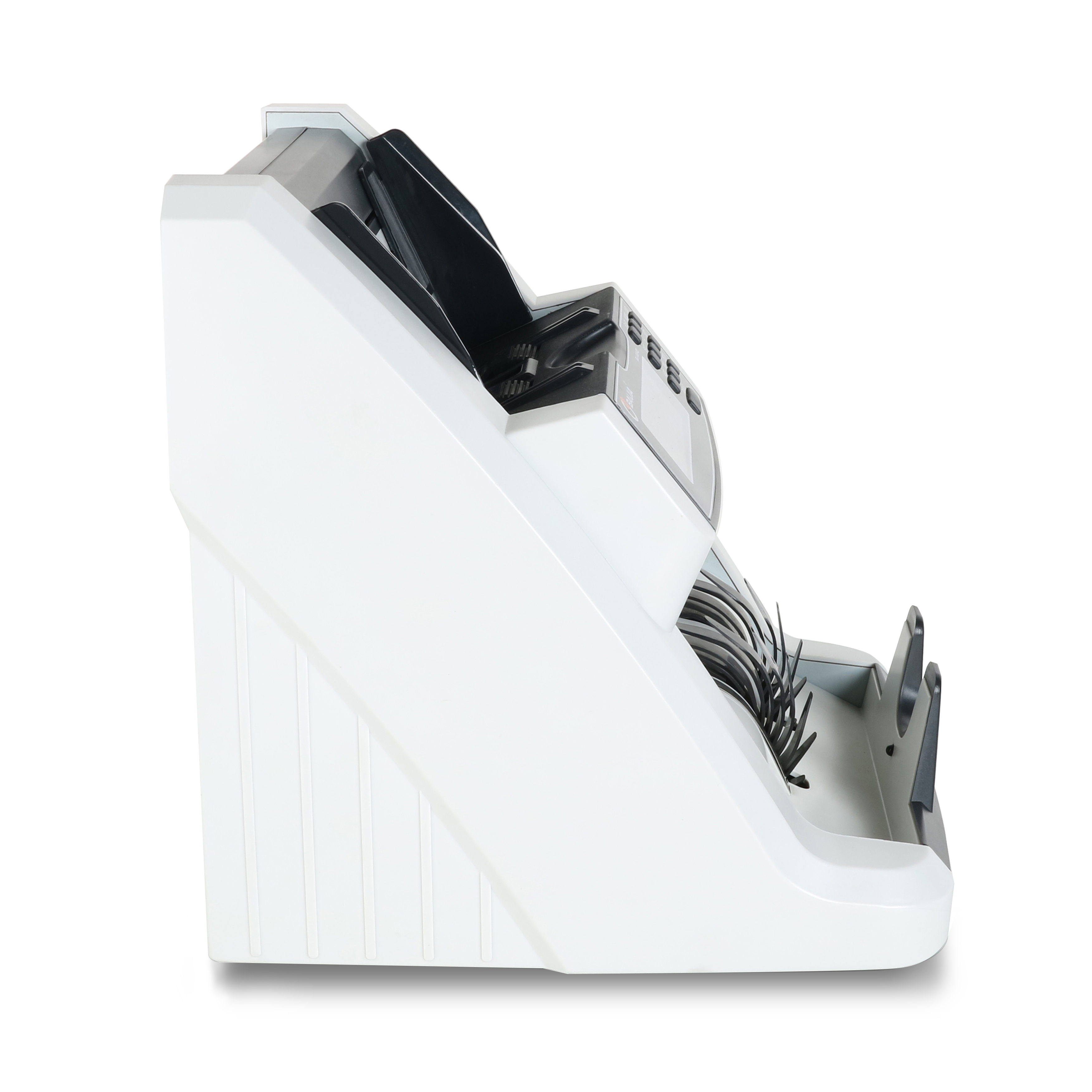
Source commercial-grade Bill Counters directly from vetted manufacturers and wholesale suppliers. Designed for importers, distributors, and brands seeking reliable OEM/ODM production, our catalog covers high-speed counting machines with advanced UV, MG, and CIS counterfeit detection for global currencies.
Sourcing commercial bill counters requires balancing mechanical durability with rapidly evolving sensor technology. For B2B buyers—whether you are supplying local retail chains, outfitting financial institutions, or developing a private-label line of cash-handling equipment—the margin for error is zero. A machine that jams frequently or fails to detect sophisticated counterfeits immediately damages your brand's reputation.
Successfully importing these machines in volume means understanding the underlying detection technologies, navigating the primary manufacturing hubs, and ensuring rigorous quality control at the assembly level.
Core Technologies and Detection Standards
The leap from basic piece-counting to mixed-denomination value counting dictates the internal architecture and cost of the machine. Standard friction-roller counters rely on a combination of sensors to verify authenticity while counting pieces.
- UV (Ultraviolet) & MG (Magnetic): The baseline standard for most retail environments. UV checks for the presence of UV-fluorescent ink and paper properties, while MG detects the magnetic ink used in currencies like the US Dollar and Euro.
- IR (Infrared): Detects infrared marks that are invisible to the naked eye. Essential for heavily counterfeited currencies.
- CIS (Contact Image Sensor): The defining technology of "value counters." CIS scans the entire surface of the banknote, capturing its image to recognize the denomination, read the serial number, and detect advanced counterfeits. Single-CIS units scan one side; dual-CIS units scan both sides simultaneously, allowing for high-speed, mixed-stack counting without requiring the user to face the bills a specific way.
| Machine Type | Detection Tech | Primary Use Case | Typical Speed |
|---|---|---|---|
| Basic Piece Counter | UV, MG | Small Retail, Bars, Restaurants | 1,000 notes/min |
| Mixed Value Counter | UV, MG, IR, Single CIS | Mid-size Retail, Cash Centers | 1,000 - 1,200 notes/min |
| Bank-Grade Sorter | Dual CIS, UV, MG, IR, Tape | Banks, CIT Companies | 1,500+ notes/min |
Need help matching sensor configurations to your target market's currency? Our technical sourcing team can help you define the right specifications.
Discuss your product specsManufacturing Hubs and Supplier Vetting
The undisputed capital of financial and cash-handling equipment in China is Wenzhou, located in Zhejiang province. Wenzhou houses hundreds of factories producing bill counters, coin sorters, and counterfeit detectors.
However, the barrier to entry for assembling basic UV/MG counters is relatively low. Many "manufacturers" are simply assembly workshops buying off-the-shelf motherboards, cheap DC motors, and standard plastic housings. These units often suffer from motor burnout under heavy loads and sensor drift over time.
For commercial-grade units, especially those utilizing CIS technology, you need a partner with robust in-house R&D and clean-room assembly for optical components. Conducting thorough Factory Audits is critical to verify a supplier's true engineering capacity, their ISO 9001 compliance, and their ability to provide long-term firmware support.
Quality Control Vulnerabilities
Quality is won or lost in calibration and mechanical alignment. Even with high-end sensors, poor mechanical assembly will lead to "chain notes" (two bills feeding at once), half-notes, and constant jamming.
Implementing stringent Quality Control & Inspection before shipment is non-negotiable.
Critical Pre-Shipment Inspection Checks
- Continuous Run Test: Running the machine at maximum speed for 30+ minutes to check for motor overheating and friction roller degradation.
- Counterfeit Catch Rate: Testing with known test notes (e.g., ECB-certified test decks for Euros) to ensure a 100% catch rate with zero false positives.
- Hopper and Stacker Alignment: Verifying that the feed gap is correctly calibrated to prevent double-feeding of crisp new notes or jamming of worn, taped notes.
- Firmware Verification: Ensuring the exact firmware version requested for your target country's currency is flashed and operational.
- Drop Testing: Validating the integrity of the plastic housing and internal chassis mountings.
Customization and Firmware Support
If you are building a brand in the business automation space, utilizing OEM/ODM Services allows you to differentiate your product. Beyond standard private labeling (logo printing and custom retail packaging), serious customization involves structural design changes, custom UI/UX on TFT touchscreens, and proprietary firmware development.
The Firmware Dependency
Currencies are frequently updated by central banks to combat counterfeiting. Your supplier must have the R&D capability to develop and release firmware updates quickly when a new banknote is issued. Ensure your contract includes terms for post-sale firmware support.
Pricing, MOQs, and Lead Times
Pricing in this category is heavily dependent on the sensor array and the quality of the internal mechanics (e.g., heavy-duty stepper motors vs. standard DC motors).
Looking to optimize your purchasing costs or consolidate shipments from multiple cash-handling equipment suppliers? Talk to our team.
Get a free consultationFrequently Asked Questions
Sourcing reliable bill counters means looking past the outer casing to evaluate the optical sensors, mechanical durability, and the factory's software engineering capabilities. Securing a partner who can deliver consistent quality and long-term technical support will protect your margins and your brand. If you need expert eyes on the factory floor or help negotiating favorable terms, our sourcing team is ready to assist.
Get Sourcing Help for Bill Counters
Tell us your requirements and our experts will connect you with verified manufacturers.