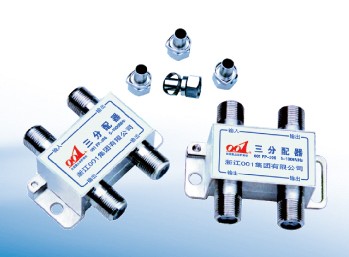
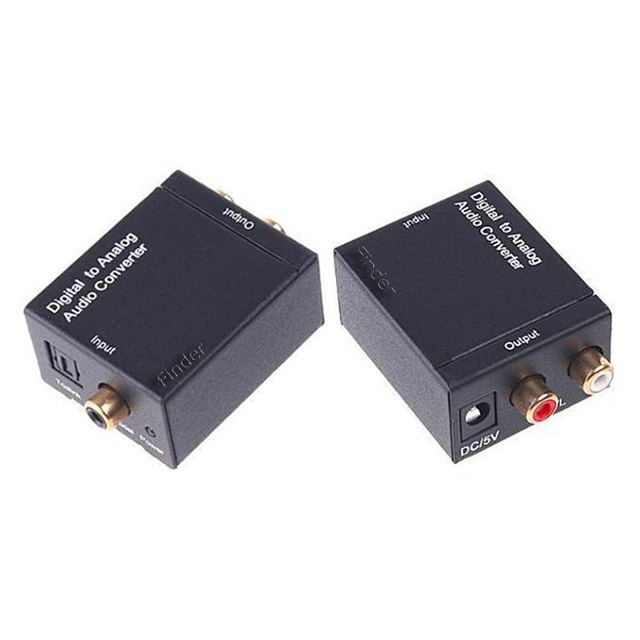
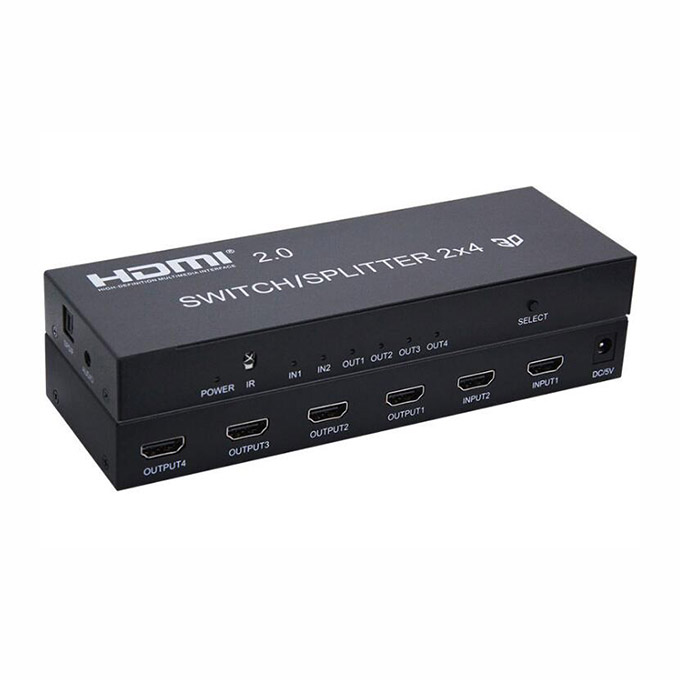
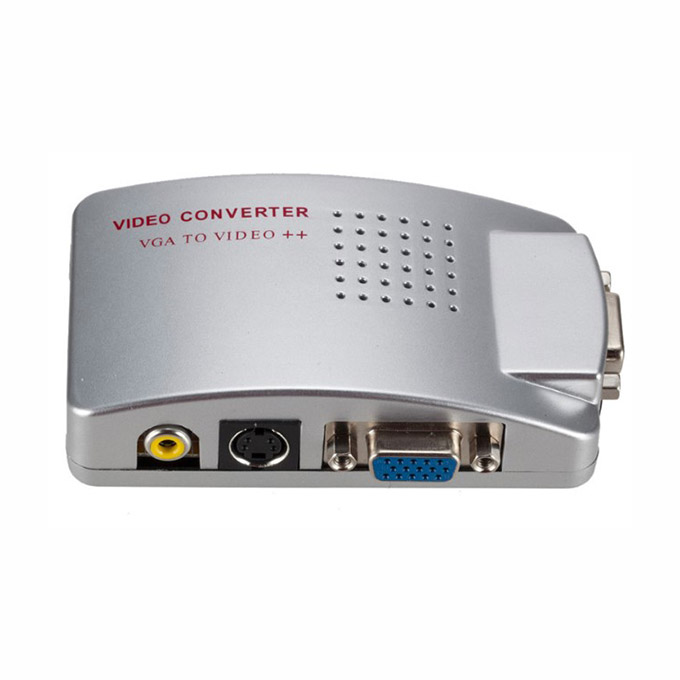
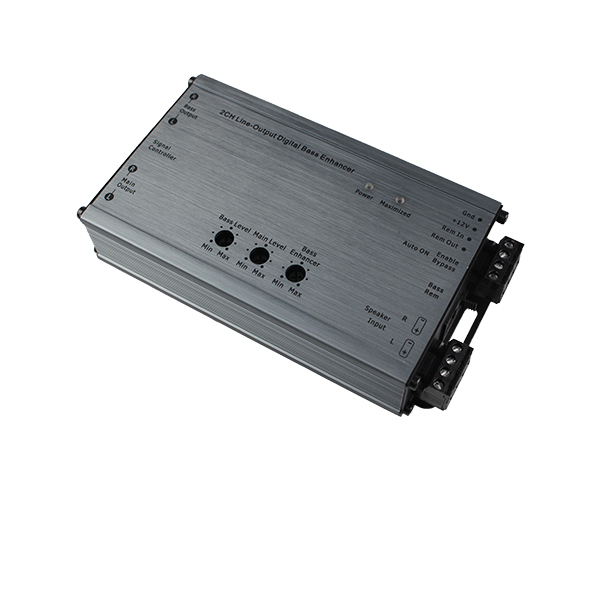
Audio Splitters & Converters
Source bulk Audio Splitters & Converters from vetted suppliers and manufacturers across Asia. Designed for electronics importers, wholesale distributors, and brands seeking reliable OEM/ODM production, our network delivers high-performance audio routing and conversion hardware built to exact market specifications.
Sourcing audio splitters and converters at scale requires a strict balance between unit cost and signal integrity. Whether you are procuring digital-to-analog converters (DACs), optical audio splitters, or multi-channel analog distribution amplifiers, the core manufacturing challenge remains consistent: preventing signal degradation, latency, and ground loop interference. Success depends on identifying factories with rigorous PCB design capabilities and robust component sourcing networks.
Core Specifications Dictating Audio Performance
The internal architecture of an audio converter or splitter dictates its market positioning. Budget consumer units can rely on integrated system-on-chip (SoC) solutions, while audiophile or professional-grade equipment demands discrete components, dedicated operational amplifiers, and premium capacitors.
When evaluating a factory's technical capabilities, pay close attention to the specifications they guarantee on their datasheets versus what they actually deliver in mass production.
| Performance Tier | Typical IC / Architecture | Signal-to-Noise Ratio (SNR) | Primary Application |
|---|---|---|---|
| Entry-Level Consumer | Generic integrated SoCs | 80dB to 90dB | Basic TV to soundbar conversion |
| Mid-Range / Prosumer | Dedicated DACs (e.g., mid-tier Realtek) | 90dB to 105dB | Home theater, desktop audio |
| Professional / Audiophile | Premium DACs (ESS, AKM) + discrete op-amps | Over 110dB | Studio monitoring, high-fidelity setups |
Beyond the primary chipset, the physical housing plays a critical role in electromagnetic interference (EMI) rejection. Aluminum alloy enclosures offer superior shielding compared to standard ABS plastic, which is vital for analog signal paths that are highly susceptible to external RF noise.
Need help verifying a manufacturer's technical capabilities? We audit factories to ensure their engineering matches your performance requirements.
Consult our sourcing teamManufacturing Tolerances and Defect Prevention
Audio hardware is heavily reliant on the quality of its physical connectors. A common point of failure in bulk audio electronics is the mechanical degradation of ports (RCA, TOSLINK, 3.5mm, or XLR) due to poor soldering or sub-standard housing tolerances.
When conducting Factory Audits, it is crucial to review the supplier's surface-mount technology (SMT) lines and manual soldering stations. Cold solder joints on input/output terminals will lead to intermittent audio dropouts or complete channel failure after minimal consumer use.
Critical Quality Control Checkpoints
- Connector retention force testing (insertion/extraction cycles)
- TOSLINK optical door spring durability and alignment
- PCB grounding design to eliminate 50Hz/60Hz mains hum
- Thermal cycling for units with built-in amplification
- EMI/RFI shielding continuity testing
Implementing strict Quality Control & Inspection protocols before shipment is the only way to catch these assembly defects. Relying solely on the factory's internal QC often results in high defect rates, especially in the first production run of a new product.
Production Economics: MOQs, Lead Times, and Cost Drivers
The cost of audio splitters and converters fluctuates based on global semiconductor availability. Premium DAC chips or specialized USB audio controllers can significantly impact both the unit price and the lead time.
If you are developing a proprietary product, engaging a factory for OEM/ODM Services requires clear upfront agreements on intellectual property and component bill of materials (BOM). Factories will often substitute capacitors or op-amps with cheaper local equivalents during mass production unless the BOM is locked and verified during inspections.
Ensure your BOM is respected and your margins are protected. Talk to our team about managing your next production run.
Discuss your projectFrequently Asked Questions
Successful procurement in the audio electronics category requires looking past the outer casing to verify the integrity of the internal components and assembly processes. By establishing strict specifications and enforcing rigorous pre-shipment testing, you can mitigate the risk of defective batches and build a reliable supply chain. If you need experienced oversight on the ground in Asia to manage this process, our team is ready to assist.
Get Sourcing Help for Audio Splitters & Converters
Tell us your requirements and our experts will connect you with verified manufacturers.