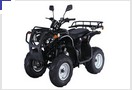
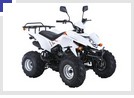
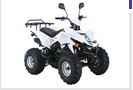
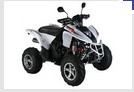
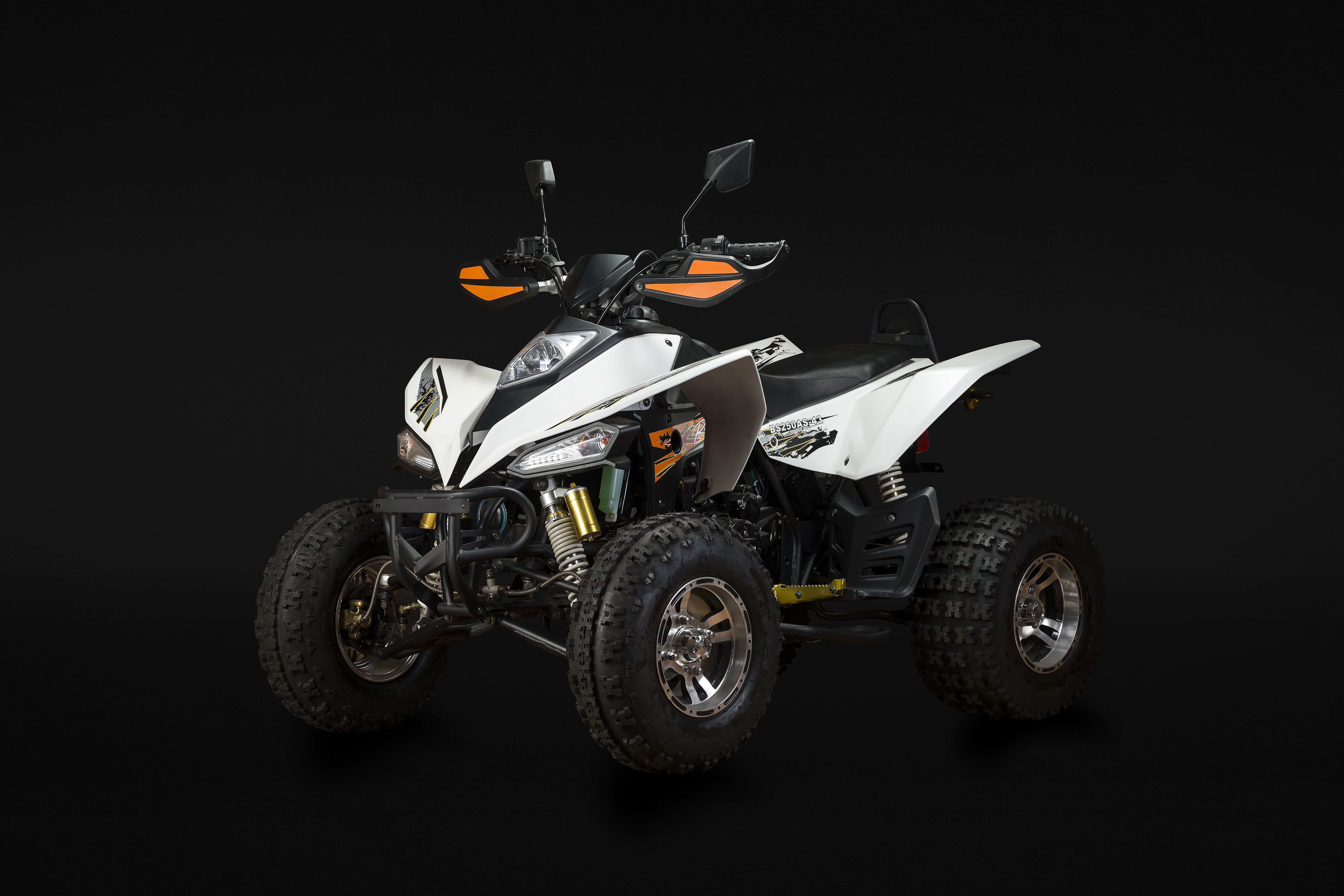
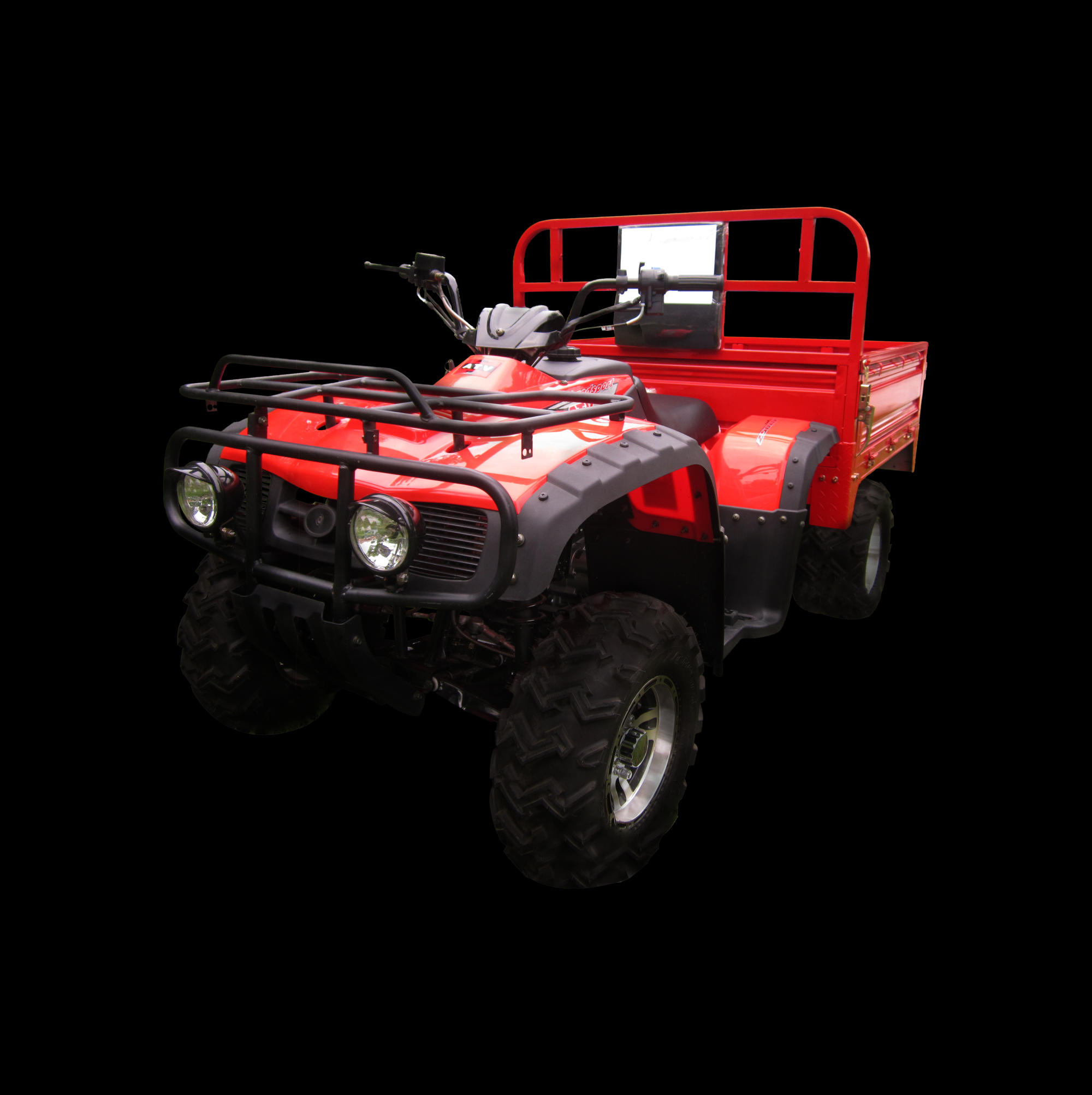
ATVs
Source ATVs from vetted suppliers and manufacturers across Asia. Designed for importers, distributors, and brands looking for reliable OEM/private-label production, this catalog connects you with high-capacity factories capable of meeting strict quality standards and volume demands for all-terrain vehicles.
Sourcing ATVs in bulk requires navigating a complex matrix of engine performance, structural integrity, and stringent market regulations. The core challenge for importers and distributors isn't just finding a factory that can assemble a vehicle; it's securing a manufacturing partner capable of delivering consistent quality across high-stress components while maintaining compliance with local emissions and safety standards.
Core Technical Specifications
When negotiating with ATV manufacturers, precision in your technical specifications dictates the reliability of the final product. Off-the-shelf models often require component upgrades to meet the expectations of Western markets.
Key systems to define include:
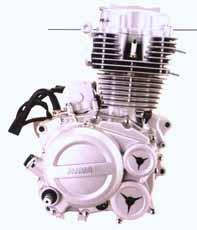
- Engine Displacement & Cooling: Ranging from 50cc youth models to 1000cc+ utility vehicles. High-displacement models require robust liquid-cooling systems with oversized radiators, whereas smaller engines typically rely on air cooling.
- Transmission Systems: Continuously Variable Transmissions (CVT) are standard for utility ATVs, while manual or semi-automatic gearboxes are preferred for sport and entry-level models.
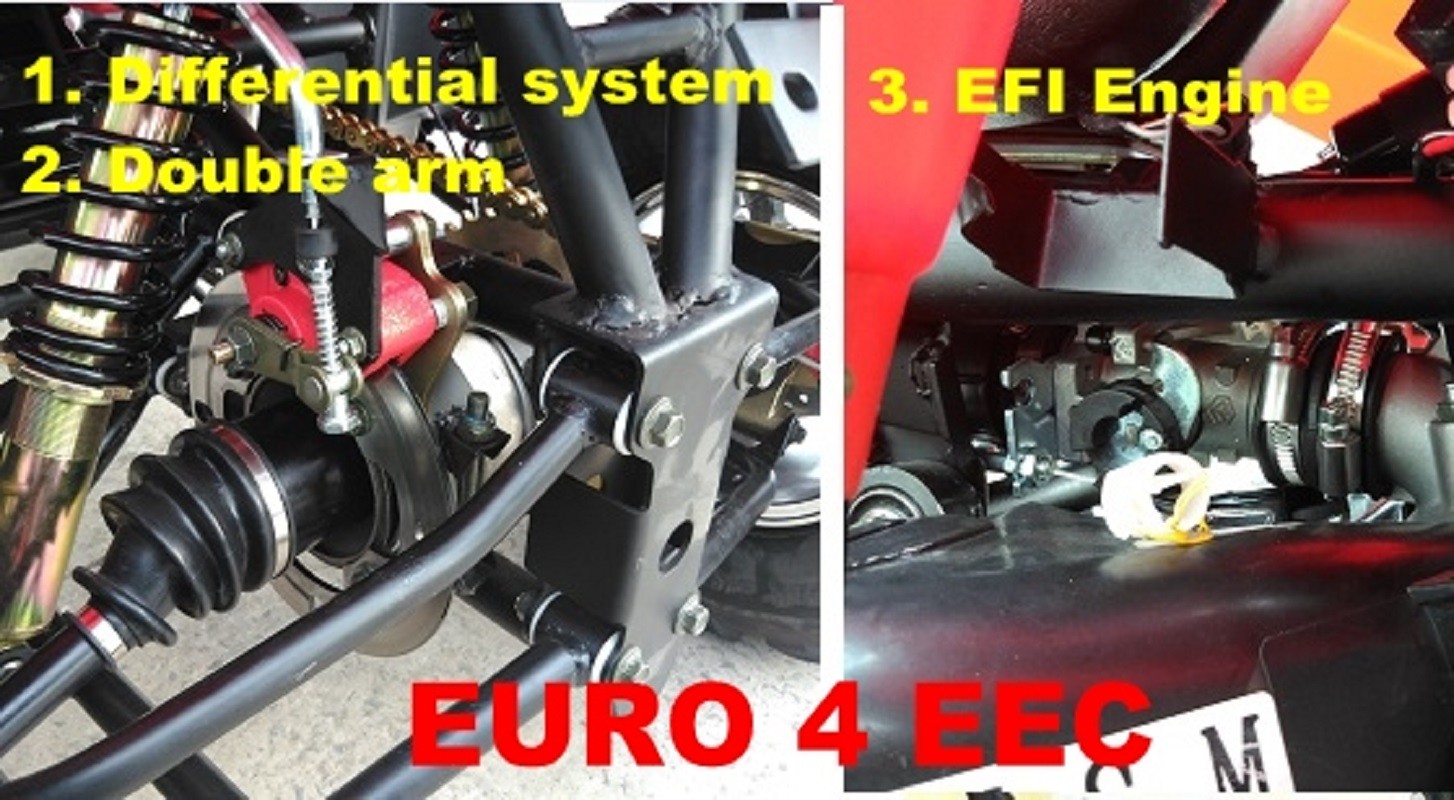
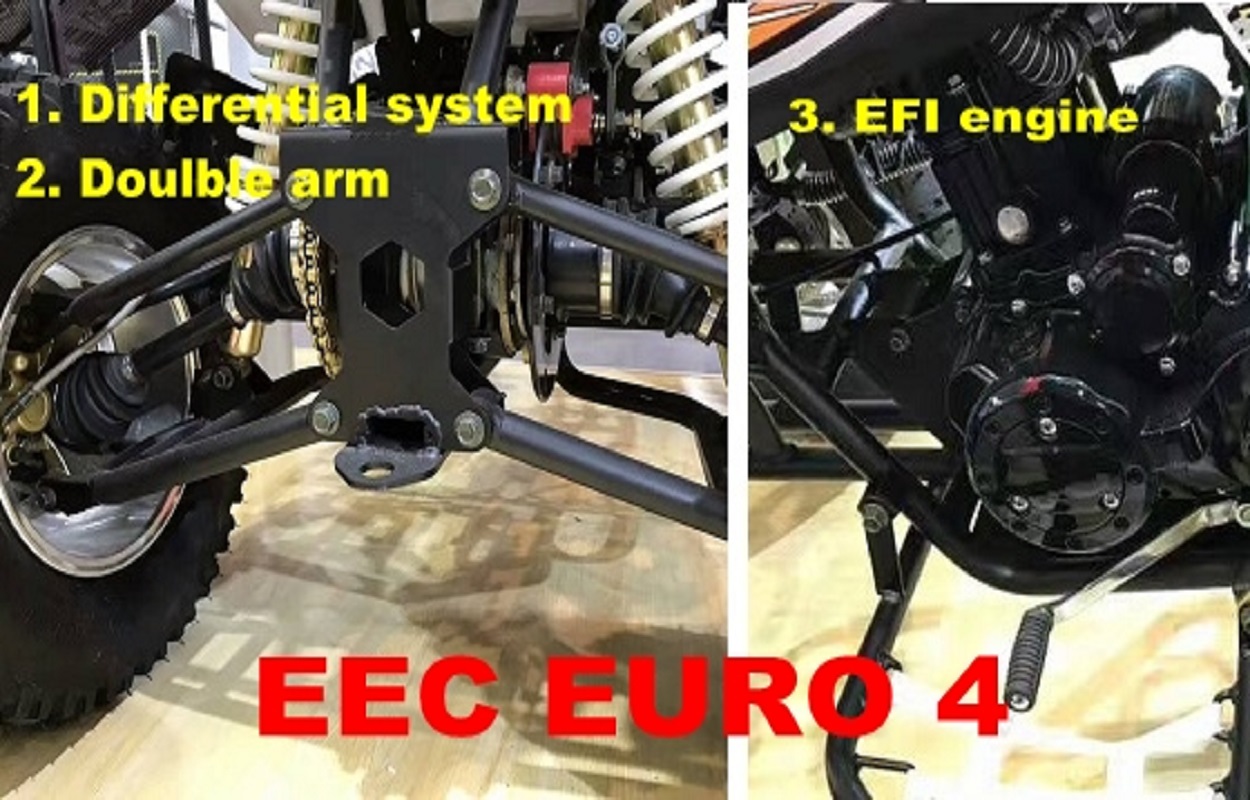
- Suspension Architecture: Independent Rear Suspension (IRS) offers superior ground clearance and ride quality compared to solid swingarm axles, but increases manufacturing complexity and cost.
| Drive System | Typical Application | Durability & Maintenance |
|---|---|---|
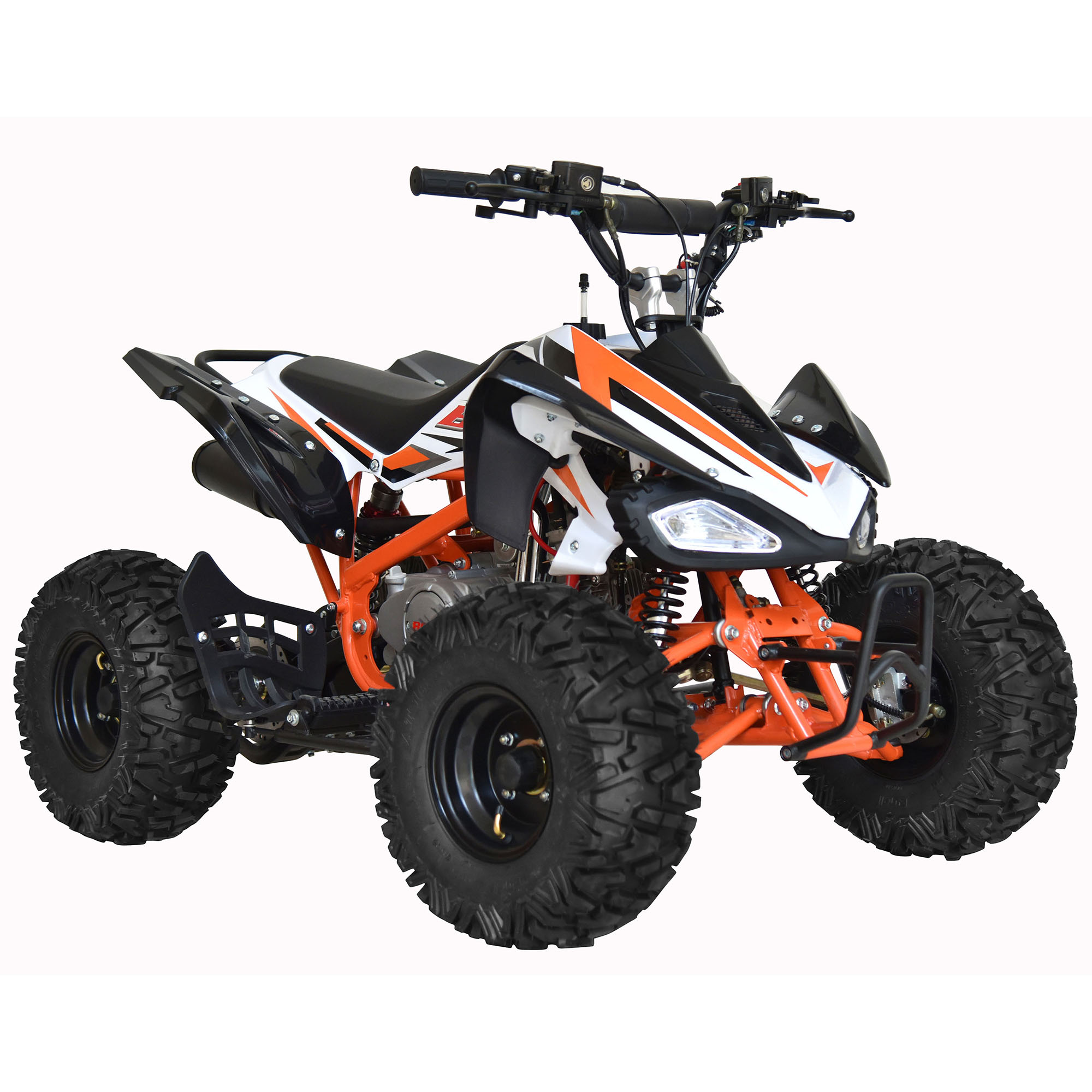
| Chain Drive | Sport & youth ATVs | Requires frequent tensioning and lubrication; lower upfront cost. |
| Shaft Drive | Utility & premium ATVs | Enclosed system offering high durability and low maintenance; higher manufacturing cost. |
Manufacturing Quality and Factory Floor Realities
The lifespan of an ATV is determined long before it leaves the assembly line. Structural failures and electrical gremlins are the most common issues plaguing poorly sourced vehicles.
Critical Quality Control Checkpoints
- Frame Welding: Inspect for robotic TIG/MIG welding consistency versus manual spot welds.
- Anti-Corrosion Treatment: Ensure frames undergo electrophoresis (e-coating) prior to powder coating.
- Wiring Harnesses: Verify IP67 or higher waterproof connectors are used, properly routed away from exhaust heat.
- Braking Systems: Specify hydraulic disc brakes with braided steel lines over cheaper drum alternatives.
To ensure these standards are met before placing a volume order, rigorous factory audits are essential to evaluate the supplier's assembly line, testing equipment (such as dynamometers), and internal quality control systems.
Struggling to verify ATV factory capabilities overseas? Let Merhein evaluate and vet suppliers to ensure they meet your technical requirements.
Talk to our teamRegulatory Compliance & Market Certification
Importing motorized vehicles involves strict regulatory hurdles. A factory claiming "export readiness" does not automatically mean their ATVs are legal for your specific market.
- North America: Requires Environmental Protection Agency (EPA) certification for emissions. Vehicles destined for California must also meet strict California Air Resources Board (CARB) standards.
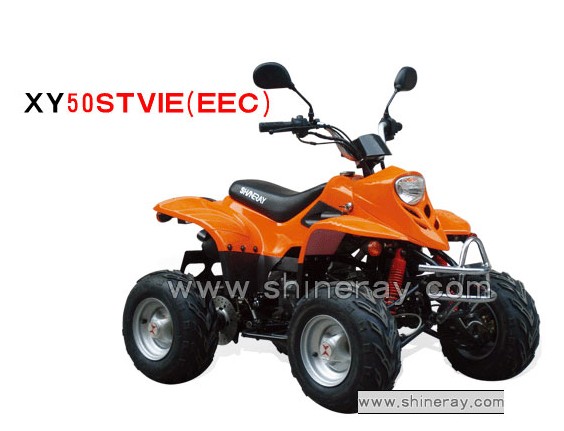
- Europe: ATVs must meet CE marking requirements and, if intended for road use, EEC/COC homologation (often requiring specific lighting, mirrors, and restricted power outputs).
Navigating these regulations requires strict compliance and testing protocols. Importing non-compliant vehicles can result in severe fines or total seizure at customs.
Pricing, MOQs, and Lead Times
ATV sourcing requires significant capital planning. Volume pricing is heavily dependent on engine size, component quality, and the state of assembly upon shipping.
Because ATVs are bulky, freight optimization is a major cost driver. Vehicles are typically shipped SKD (Semi-Knocked Down) in steel crates to maximize container space, requiring final assembly (wheels, handlebars, battery) by the distributor. Efficient shipping and freight strategies are critical to maintaining your profit margins on large-format vehicles.
Need help optimizing your ATV supply chain, from production scheduling to container loading? Merhein handles the end-to-end process.
Get a free consultationBuyer FAQ
The difference between a profitable ATV import program and a logistical headache comes down to factory selection and rigorous oversight. By prioritizing structural quality, engine reliability, and compliance from day one, you build a product line that performs in the field. If you need experienced boots on the ground to manage your vehicle sourcing and quality control, Merhein is ready to help.
Get Sourcing Help for ATVs
Tell us your requirements and our experts will connect you with verified manufacturers.