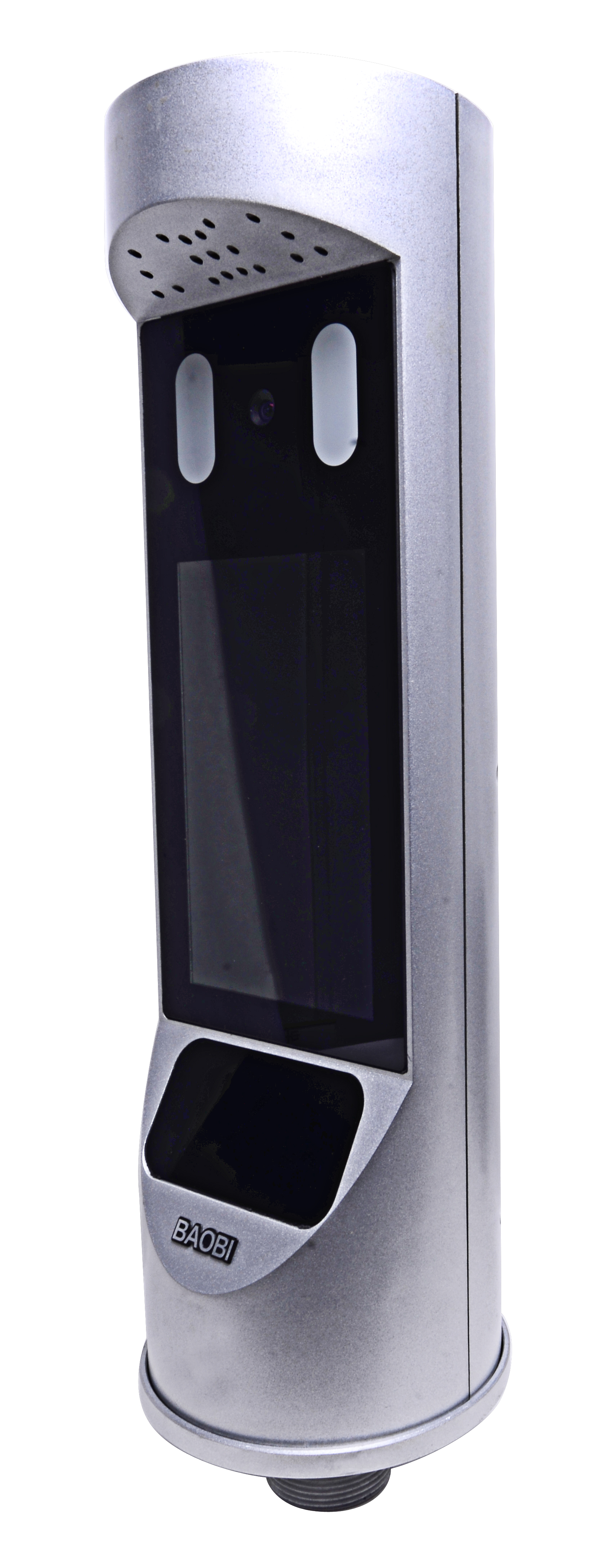
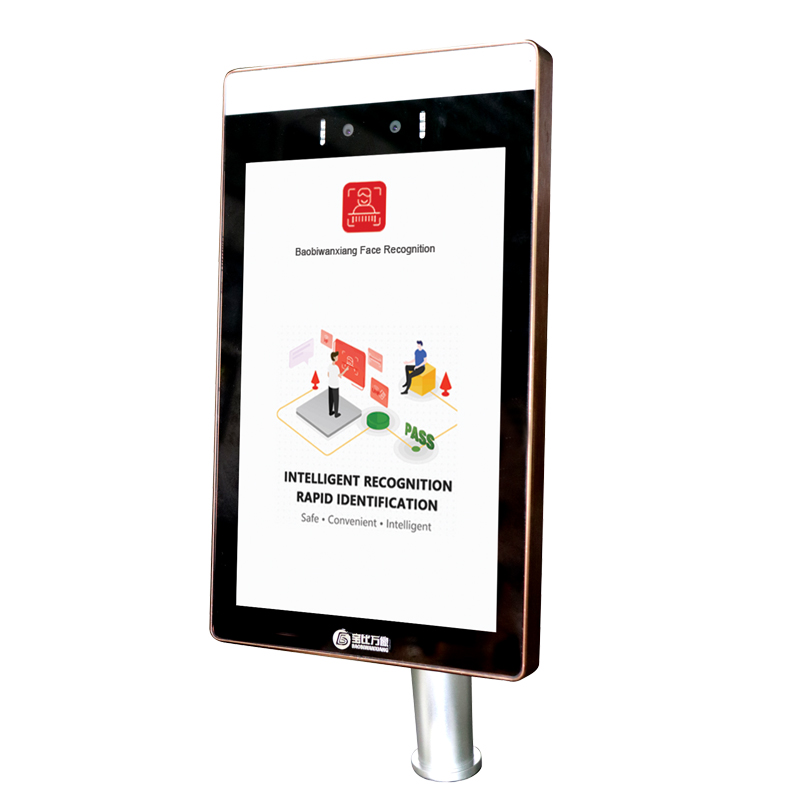
Attendance Machines
Source high-quality attendance machines in bulk directly from vetted Chinese manufacturers and suppliers. Designed for importers, distributors, and brands seeking reliable OEM and private-label production, our network provides robust biometric, RFID, and facial recognition terminals ready for enterprise deployment.
Sourcing commercial-grade attendance machines requires navigating a complex intersection of hardware reliability and software integration. The core challenge for volume buyers isn't simply finding a factory that can assemble screens and sensors; it is identifying manufacturers capable of delivering stable firmware, robust SDKs/APIs for third-party integration, and consistent component quality across multiple production runs. A terminal that fails to sync data reliably or suffers from high biometric rejection rates quickly becomes a liability for the end-user.
Critical Hardware Specifications and Sensor Quality
The performance of an attendance terminal is dictated by its processing power and sensor quality. When evaluating a supplier's bill of materials (BOM), pay close attention to the mainboard CPU, memory capacity (which dictates user and log limits), and the specific biometric modules utilized.
In fingerprint recognition, factories typically offer two sensor types, each with distinct cost and performance profiles:
| Sensor Type | Durability | Accuracy (FAR/FRR) | Ideal Use Case |
|---|---|---|---|
| Optical Sensors | High (scratch resistant glass) | Moderate (susceptible to spoofing) | Standard office environments |
| Capacitive Sensors | Moderate (coating can wear over time) | High (detects live tissue) | High-security or industrial areas |
For facial recognition terminals, dual-lens cameras (incorporating both visible light and infrared) are standard for anti-spoofing (liveness detection). Ensure the manufacturer specifies the IR camera's performance under variable lighting conditions (up to 50,000 Lux) to prevent failure in brightly lit lobbies.
Firmware Stability and System Integration
Hardware is only half the equation. The value of an attendance machine lies in its ability to communicate seamlessly with HR and payroll software. Many lower-tier assemblers rely on generic, poorly documented public-board firmware. Professional buyers must verify the availability and stability of the manufacturer's SDKs and APIs.
- Push vs. Pull Protocols: Modern enterprise environments demand HTTP/HTTPS Push protocols, where the terminal actively sends punch data to a cloud server in real-time. Older "Pull" models, requiring the server to ping the device, are increasingly obsolete and pose firewall challenges.
- Connectivity Options: Terminals should support TCP/IP and Wi-Fi as standard, with optional 4G/LTE modules for remote construction sites or temporary deployments.
- Customization: If you are building a private-label brand, utilizing OEM/ODM Services allows you to customize the boot logo, UI interface, and even the physical casing to match your brand identity, alongside custom firmware modifications.
Navigating SDK documentation and verifying firmware stability across Chinese suppliers is time-consuming. Let our technical sourcing team handle the factory qualification process.
Talk to our teamManufacturing Defect Risks and Quality Control
Quality is won or lost on the factory floor during PCB assembly, sensor calibration, and final aging tests. Common defects include unresponsive touchscreens, failing IR LEDs in facial recognition cameras, and network modules that drop connections under load.
Implementing rigorous Quality Control & Inspection protocols is non-negotiable. Your pre-shipment inspection should verify:
Critical Inspection Points for Attendance Machines
- Biometric accuracy: Sample testing for False Acceptance Rate (FAR) and False Rejection Rate (FRR) against factory claims.
- Liveness detection: Testing facial recognition against high-resolution photos and videos to ensure anti-spoofing algorithms function.
- Network stability: Continuous ping testing over Wi-Fi and TCP/IP to check for packet loss.
- Aging tests: Verifying devices have undergone a minimum 48-hour burn-in period at elevated temperatures to catch early component failure.
- Data retention: Simulating power loss to ensure offline punch logs are safely stored in non-volatile memory.
Furthermore, if you are importing into the US or EU, ensure the manufacturer has valid documentation for Compliance & Testing, specifically FCC Part 15, CE (EMC and LVD directives), and RoHS.
Sourcing Economics: Pricing, MOQs, and Lead Times
Pricing for attendance machines is highly dependent on the sensor array (e.g., standard optical fingerprint vs. advanced palm-vein or high-capacity facial recognition) and the underlying processor required to handle large user databases rapidly.
Be wary of suppliers offering prices significantly below market average; this often indicates the use of recycled memory chips, lower-resolution cameras, or unstable "public" firmware that will result in high RMA rates.
Need accurate pricing and lead times based on your specific biometric and connectivity requirements? Connect with our sourcing experts.
Get a free consultationFrequently Asked Questions
Successfully importing attendance machines requires looking past the physical casing to scrutinize the underlying processing power, sensor quality, and software integration capabilities. By partnering with vetted manufacturers who prioritize firmware stability and rigorous component testing, you can deploy enterprise-grade hardware that performs reliably under heavy daily use.
Get Sourcing Help for Attendance Machines
Tell us your requirements and our experts will connect you with verified manufacturers.