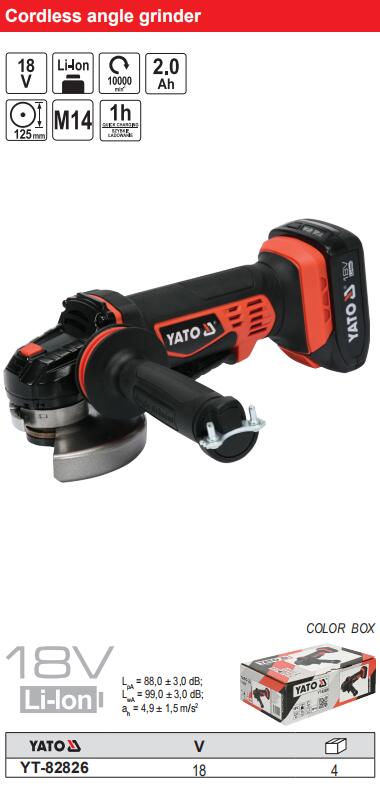
Angle Grinders
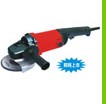
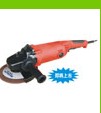
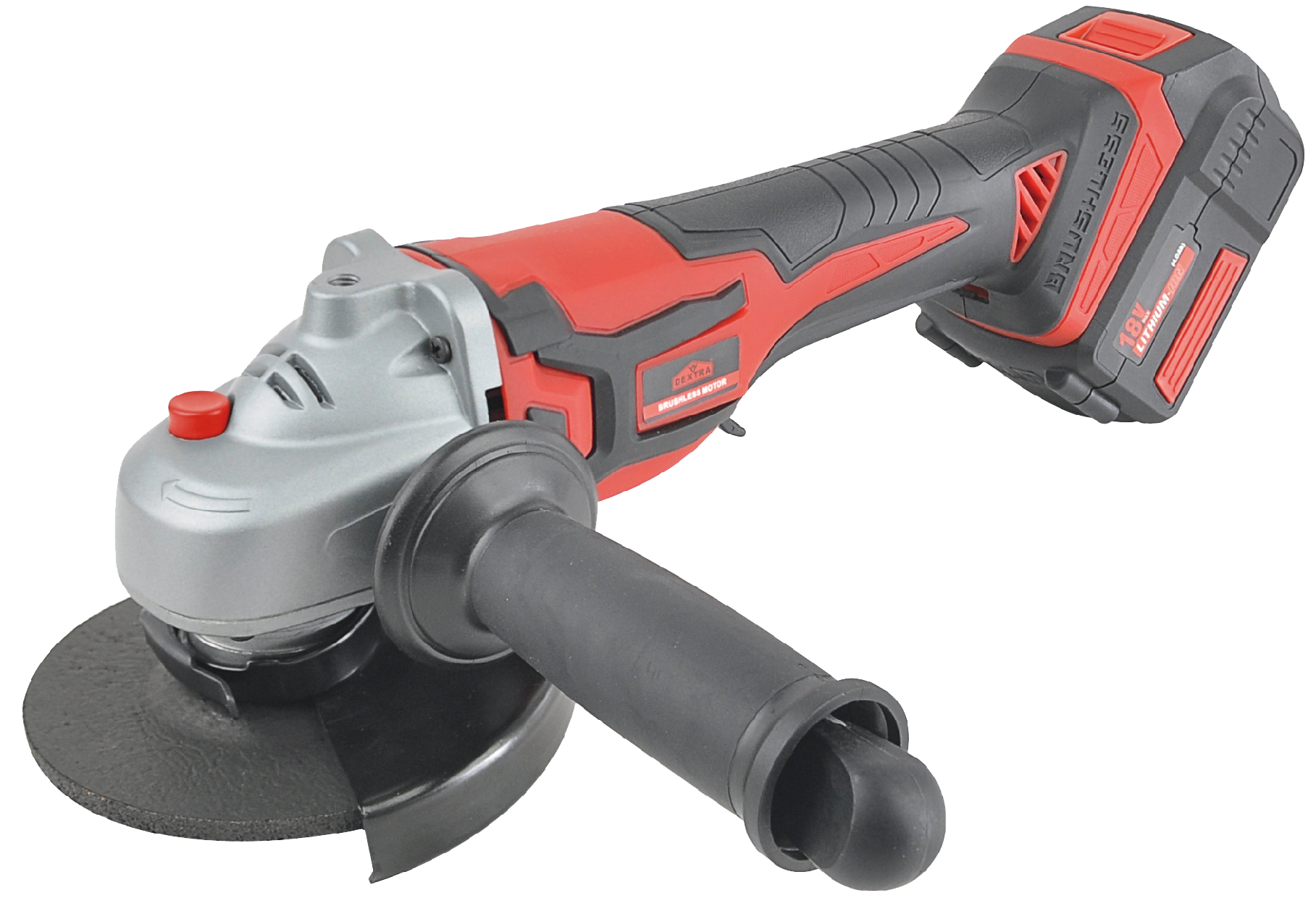
Source high-performance angle grinders directly from vetted manufacturers and wholesale suppliers. Designed for importers, industrial distributors, and hardware brands seeking reliable OEM and private-label production, our network delivers industrial-grade power tools built for heavy-duty grinding, cutting, and polishing.
Angle grinders are a high-liability power tool category where motor burnout, gear failure, and safety mechanism malfunctions can destroy a brand's reputation and lead to costly returns. Sourcing these tools in bulk requires strict oversight of the manufacturer's motor winding processes, gear machining tolerances, and electrical safety compliance. The primary challenge isn't simply finding a supplier—it is identifying a factory capable of maintaining consistent armature balancing and thermal management across production runs of thousands of units.
Motor Architecture and Core Specifications
The heart of any angle grinder is its motor. When specifying a build with a factory, the grade of materials used in the stator and rotor directly dictates the tool's duty cycle and lifespan. Industrial applications require high thermal thresholds, while consumer-grade tools often cut costs in the winding materials.
| Component | Standard DIY Grade | Professional/Industrial Grade |
|---|---|---|
| Motor Winding | Aluminum or low-temp copper (rated 180°C) | 100% Pure copper with heavy resin coat (rated over 200°C) |
| Stator Core | Standard cold-rolled steel | High-grade silicon steel sheets |
| Gear System | Powder metallurgy or cast gears | CNC-machined spiral bevel gears |
| Housing Material | Standard ABS plastic | Glass-fiber reinforced nylon (PA6-GF30) |
When developing private-label lines through OEM/ODM Services, you must explicitly define these material standards in your Bill of Materials (BOM). Factories will default to standard DIY-grade components unless instructed otherwise.
Need to secure a reliable power tool manufacturer? We handle supplier vetting, technical negotiations, and production oversight to ensure your specifications are met.
Talk to our teamManufacturing Vulnerabilities and Quality Control
The gap between a prototype and mass production is where quality often degrades. In angle grinder manufacturing, the most common points of failure occur in the electrical connections and the mechanical drivetrain. Commutators must be perfectly round; even microscopic runout will cause excessive brush sparking and premature motor failure.
Implementing rigorous Quality Control & Inspection at the factory floor is non-negotiable. Inspectors should focus on specific failure points rather than just cosmetic checks.
Critical Pre-Shipment Inspection Checks
- High-voltage (Hi-Pot) dielectric testing to ensure electrical insulation integrity.
- Armature dynamic balancing to verify vibration levels are well under acceptable thresholds.
- Gearbox grease fill volume verification (under-filling causes wear; over-filling causes overheating).
- Switch endurance testing (paddle, toggle, or slide switches) for reliable mechanical engagement.
- Spindle runout measurement to ensure disc stability and user safety.
The Resin Coating Trap
To save costs, some suppliers apply a thin, single-layer epoxy coating to the motor armature. For professional-grade grinders exposed to masonry or metal dust, demand a heavy zig-zag resin coating or kevlar wrapping to protect the copper wires from abrasive particle damage.
Compliance and Safety Certifications
Power tools face strict regulatory environments globally. An angle grinder must pass rigorous electrical safety and electromagnetic compatibility (EMC) tests. For the European market, CE (including Machinery, EMC, and RoHS directives) is mandatory. For North America, UL or ETL listing is required by most distributors and retailers.
Do not take a supplier's word that a product is certified. Certificates must be verified for the specific model and voltage you are purchasing. Utilizing professional Compliance & Testing services ensures the tools you import will not be seized by customs or rejected by your retail partners.
MOQs, Lead Times, and Pricing Drivers
Understanding the economic realities of power tool manufacturing helps in negotiating better terms and planning your supply chain. Pricing is heavily tied to the cost of copper, steel, and the complexity of the motor (brushed versus brushless).
Before committing to a high-volume order, conducting thorough Factory Audits is highly recommended to verify the supplier actually owns the winding and balancing machinery, rather than outsourcing the core motor assembly to unverified sub-suppliers.
Ready to optimize your power tool supply chain? Let us help you find the right factory, negotiate pricing, and manage quality control from start to finish.
Get a free consultationFrequently Asked Questions
Sourcing angle grinders at scale is an exercise in risk management. Success depends entirely on locking down strict material specifications and maintaining relentless oversight of the assembly line. By defining your technical requirements clearly and auditing production thoroughly, you can secure reliable, high-margin tools that stand up to the demands of professional end-users.
Get Sourcing Help for Angle Grinders
Tell us your requirements and our experts will connect you with verified manufacturers.