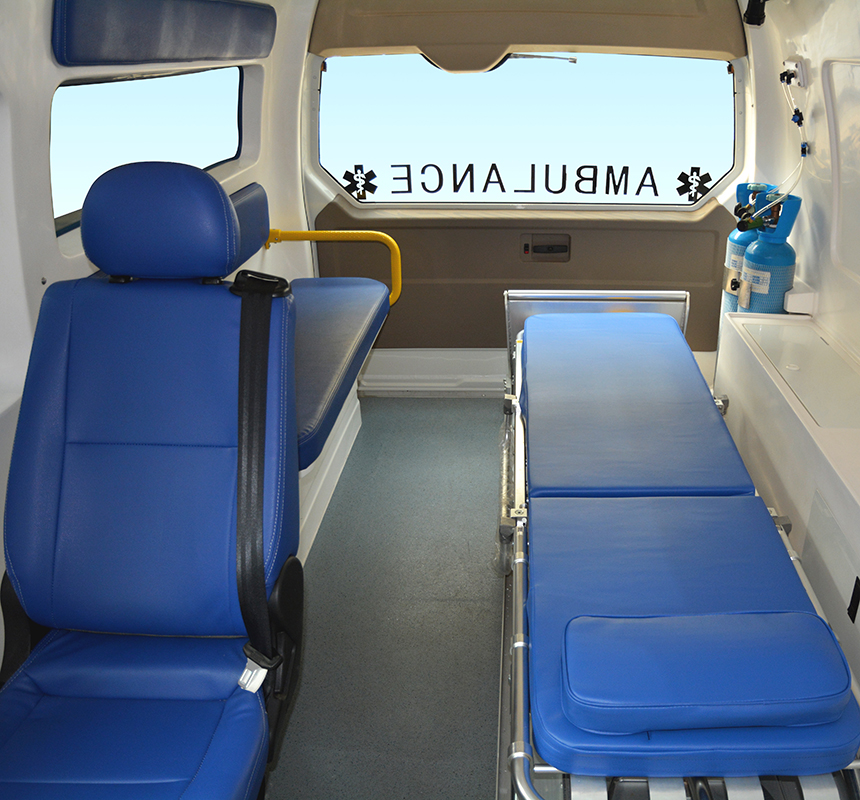
Ambulances
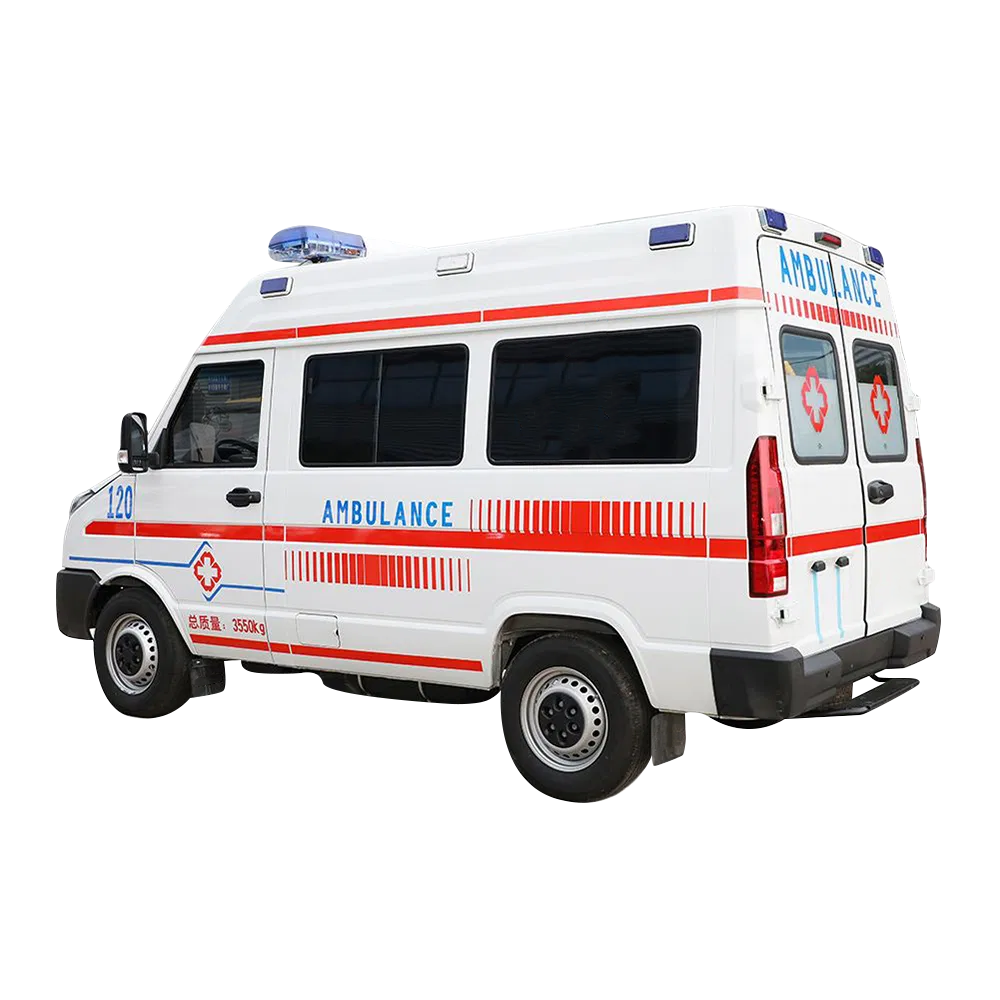
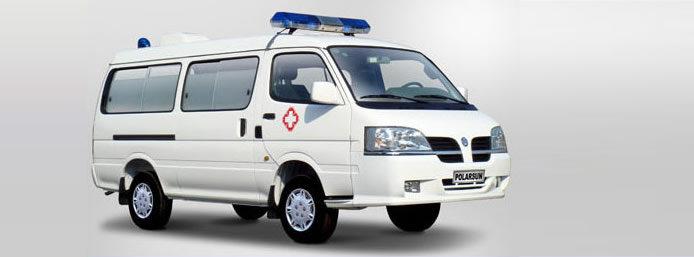
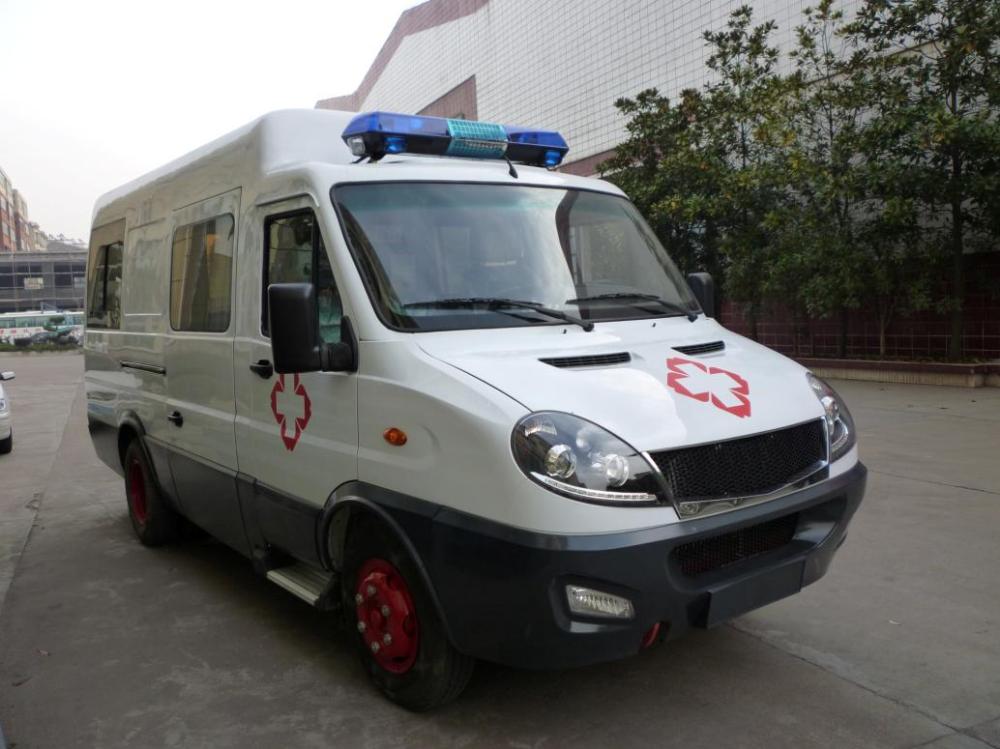
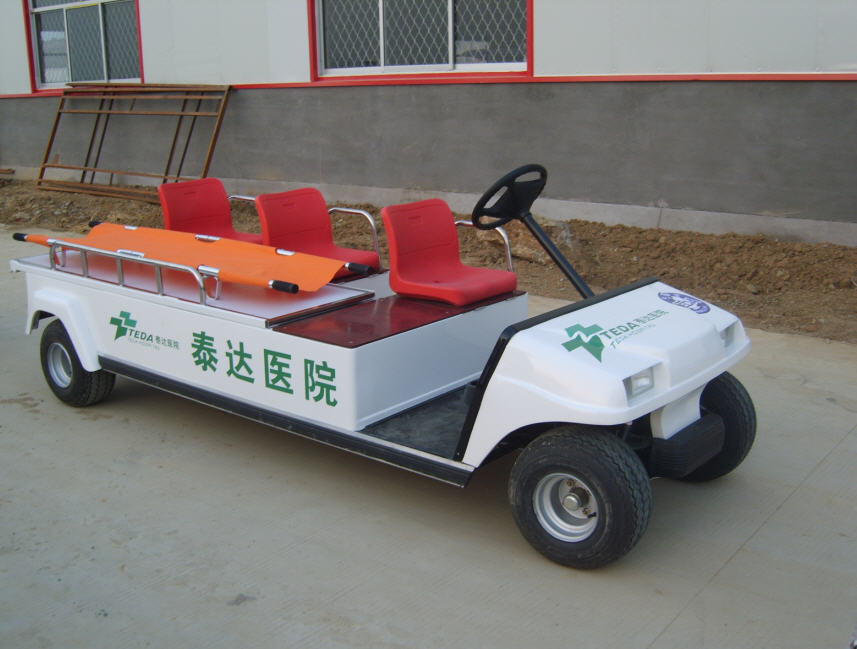
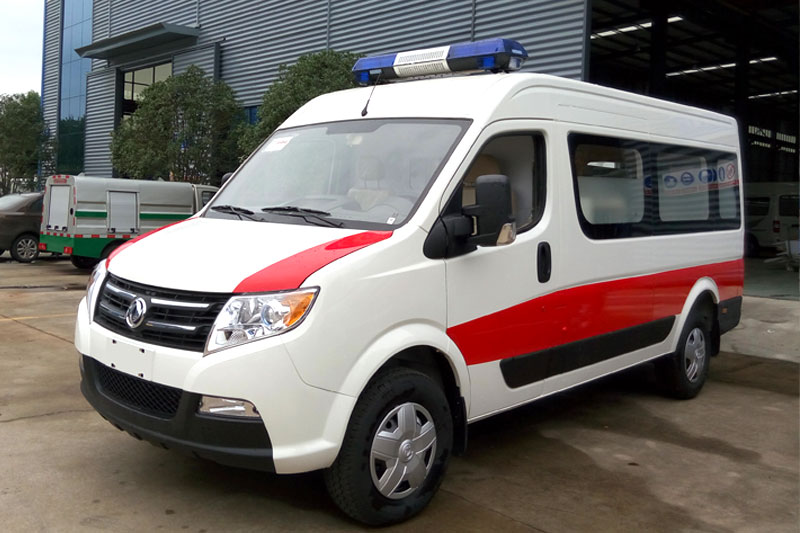
Source commercial ambulances from vetted suppliers and specialized vehicle manufacturers across Asia. This category is tailored for importers, fleet distributors, government procurement managers, and specialized operators buying emergency vehicles in volume. Partner with reliable factories capable of delivering custom medical conversions built to exacting international standards.
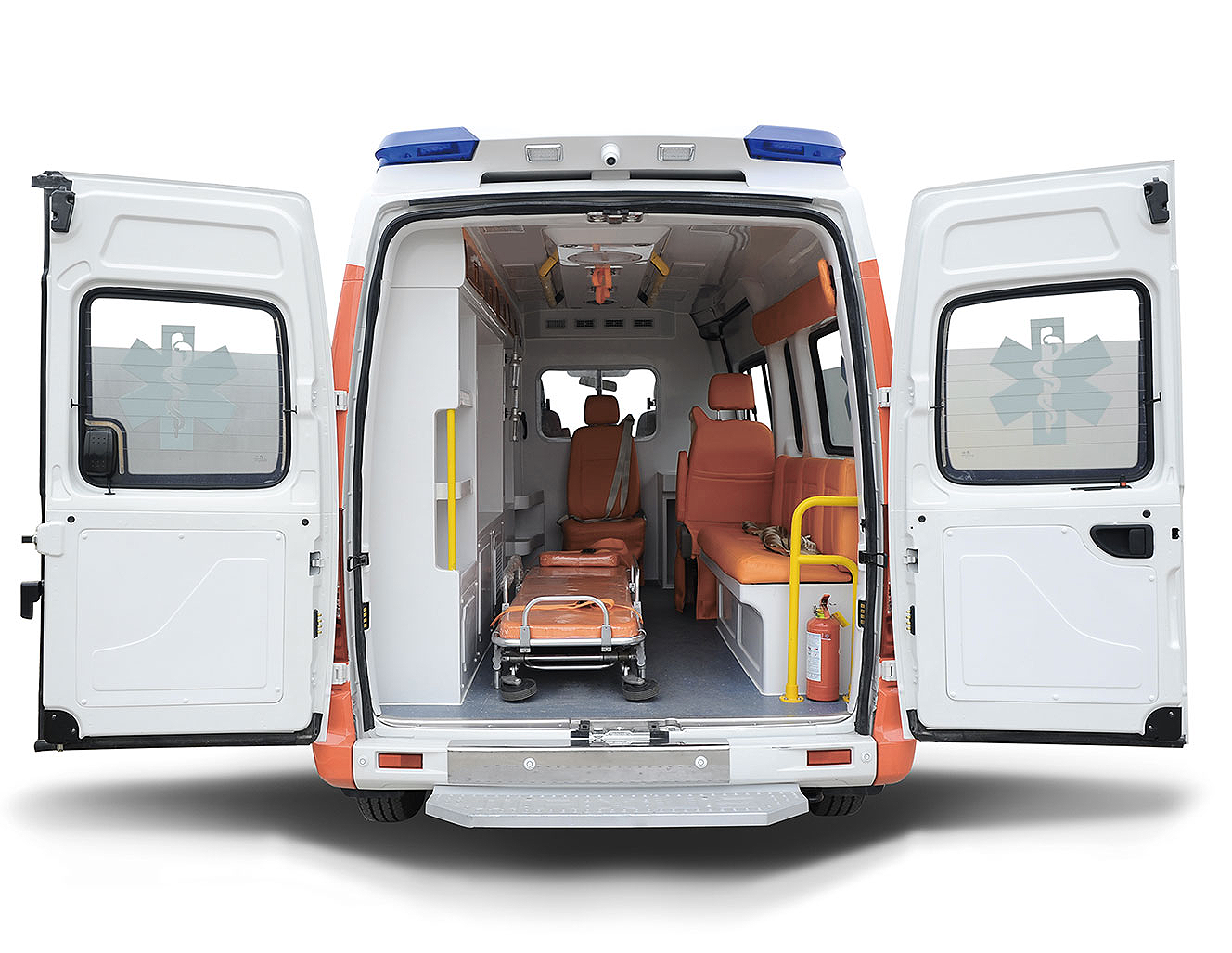
Sourcing ambulances requires navigating a complex intersection of automotive manufacturing and medical device regulation. The procurement process is rarely as simple as buying a standard commercial vehicle; it involves selecting an appropriate base chassis that meets your destination's homologation requirements, followed by rigorous specification of the medical cabin's structural, electrical, and life-support systems.
For high-volume fleet buyers and government contractors, controlling the quality of the conversion process at the factory level is critical to preventing electrical failures, ensuring crash-safety compliance, and avoiding costly import rejections.
Core Specifications and Chassis Selection
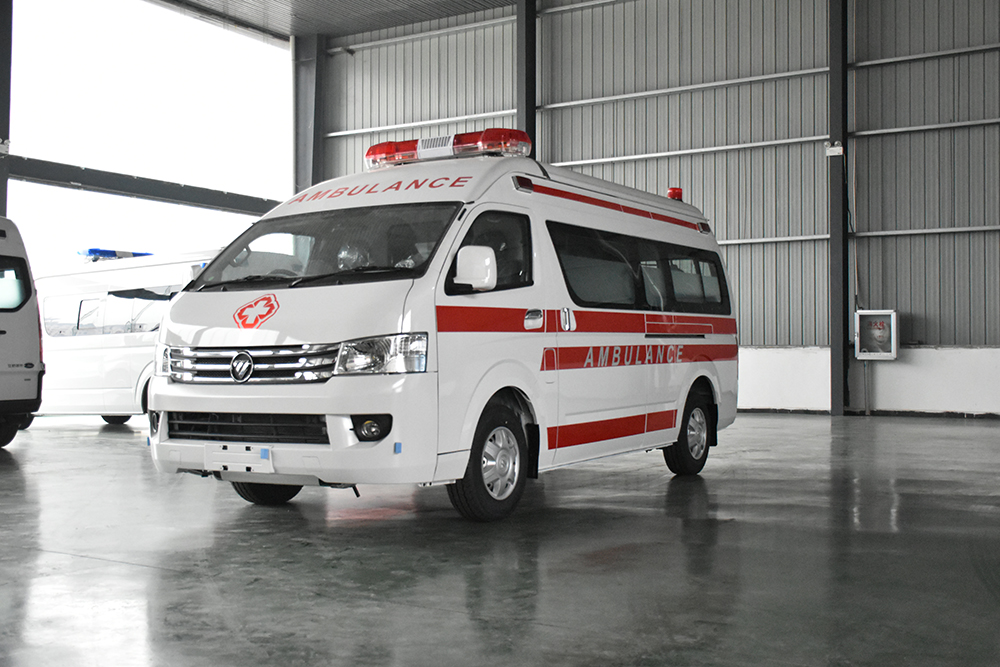
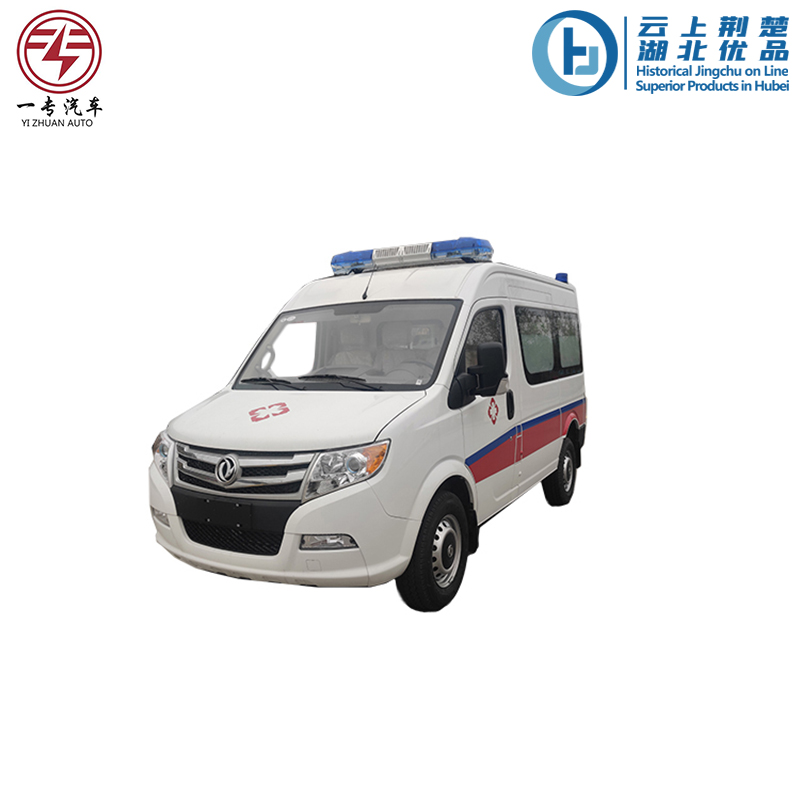
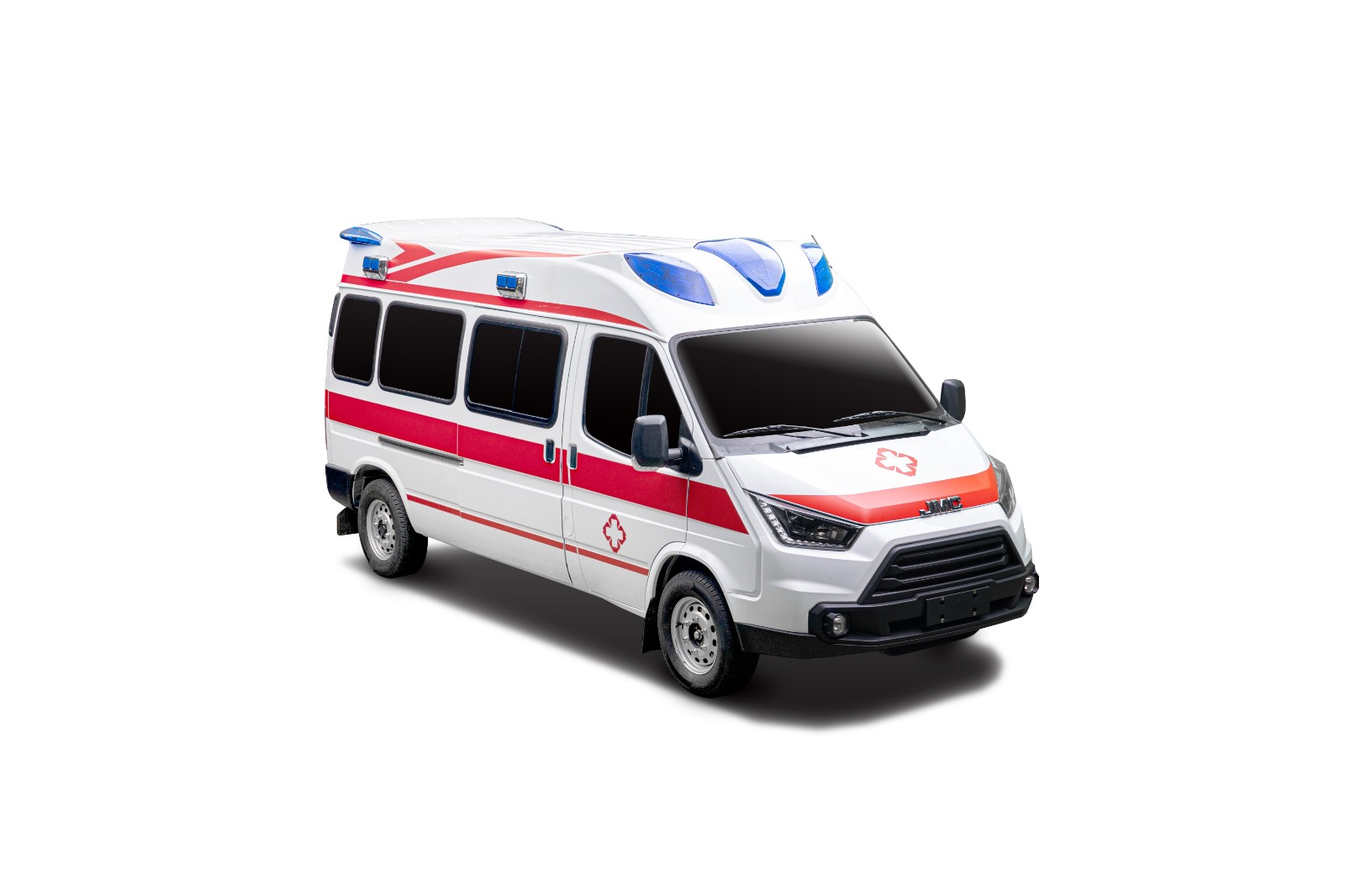
The foundation of any ambulance is the base vehicle. Asian manufacturers typically build on globally recognized chassis (such as Toyota, Ford, or Mercedes-Benz) or domestic commercial platforms (like Maxus, JAC, or Foton) which offer significant cost advantages for emerging markets.
When defining your technical specifications with a conversion factory, you must detail the following parameters:
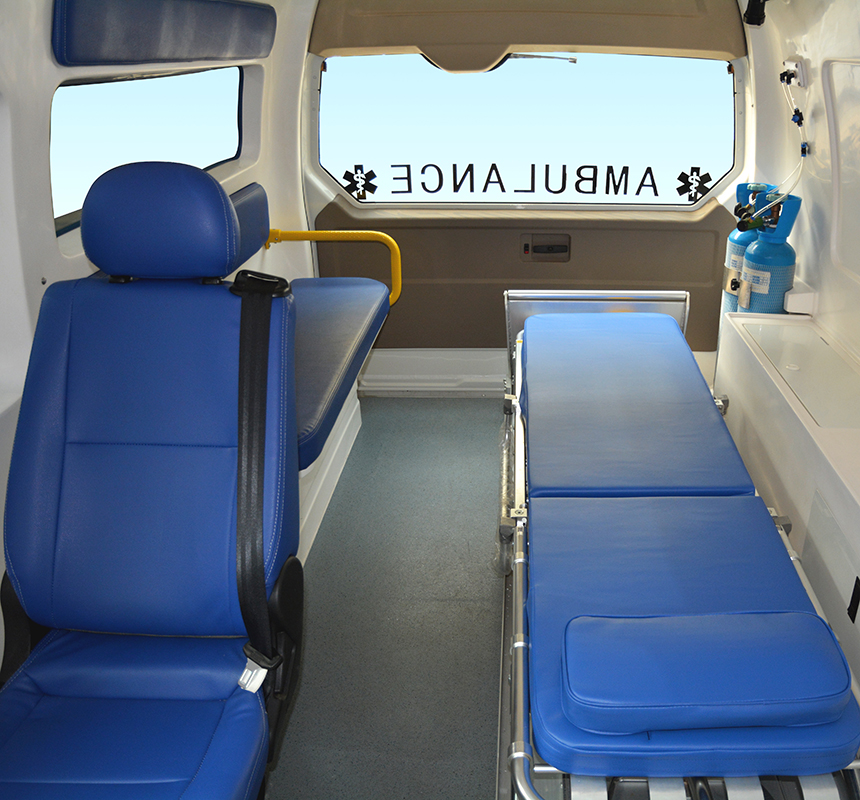
- Electrical Architecture: Medical equipment requires stable, isolated power. Specify pure sine wave inverters, dual-battery systems with smart isolators, and high-output secondary alternators.
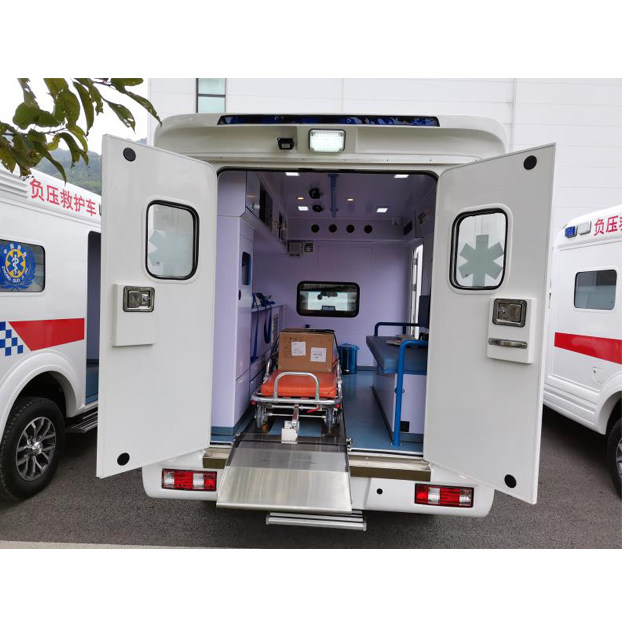
- HVAC and Airflow: For infectious disease transport, negative pressure systems must achieve a minimum of 12 air changes per hour, with HEPA filtration on the exhaust.
- Structural Reinforcement: Equipment mounts, stretcher fasteners, and seating must be anchored to reinforced steel sub-frames, not merely screwed into the sheet metal or interior paneling.
- Oxygen Delivery Systems: Centralized piping must be pressure-tested, with quick-connect outlets standardized to your regional requirements (e.g., DIN, BS, or AFNOR).
| Interior Material | Durability & Hygiene | Weight Impact | Typical Application |
|---|---|---|---|
| Molded GRP (Fiberglass) | Excellent (seamless, easy to sanitize) | Heavy | Advanced Life Support (ALS) / Premium |
| Thermoformed ABS | Good (crack resistant) | Lightweight | Basic Life Support (BLS) / Urban |
| Aluminum Composite | Moderate (seams require heavy sealing) | Moderate | Budget / Custom one-offs |
Need help verifying a manufacturer's conversion capabilities? We can evaluate their structural engineering and electrical integration processes before you place an order.
Talk to our teamManufacturing Risks and Quality Control
The primary point of failure in ambulance manufacturing is the integration of aftermarket electrical systems into the OEM chassis wiring harness. Poorly crimped connections, inadequate wire gauges, or overloading the base vehicle's electrical capacity can lead to catastrophic fires or life-support failure in transit.
To mitigate these risks, comprehensive factory audits are essential. You must verify that the supplier has dedicated electrical engineers and documented quality management systems (such as ISO 9001 and ISO 13485 for medical devices).
During production, implement strict quality control & inspection protocols. In-line inspections should focus on the hidden elements: the welding of the sub-frame before the interior panels are installed, the routing of the wiring harnesses (ensuring they are protected by split looms and fused appropriately), and the pressure testing of the oxygen lines.
Pre-Shipment Inspection Focus Areas
- Verify base chassis VIN and engine numbers against homologation documents.
- Load-test the auxiliary electrical system with all medical equipment and HVAC running simultaneously.
- Inspect stretcher retention mechanisms for structural rigidity and alignment.
- Conduct a water-ingress test on all aftermarket roof modifications and lightbars.
- Measure negative pressure cabin metrics (if specified) using calibrated anemometers.
Pricing, MOQs, and Lead Times
Because ambulances are high-value, highly customized assets, the purchasing dynamics differ significantly from standard consumer goods.
- Minimum Order Quantities (MOQs): Most conversion factories will accept an MOQ of 1 to 5 units for standard builds. However, aggressive wholesale pricing and deep customization (such as bespoke GRP molding) typically require orders of 10 to 20 units.
- Lead Times: Expect 45 to 90 days for production. This timeline is heavily dependent on the availability of the base chassis. If the factory must order the chassis from the OEM, lead times can extend significantly.
- Payment Terms: Standard terms are often 30 percent T/T deposit with the 70 percent balance upon completion and successful inspection, though government tenders may require specialized financial structuring.
Managing a complex fleet procurement? Let us handle the factory negotiation, production oversight, and international logistics.
Get a free consultationFrequently Asked Questions
Procuring ambulances at scale is an exercise in rigorous specification and relentless quality oversight. By defining exact technical parameters upfront and maintaining strict visibility over the factory floor, fleet buyers can secure highly capable emergency vehicles that meet stringent operational demands. If you require on-the-ground expertise to manage supplier verification, production monitoring, and shipping and freight logistics, our team is positioned to execute your procurement strategy flawlessly.
Get Sourcing Help for Ambulances
Tell us your requirements and our experts will connect you with verified manufacturers.