Ambulances
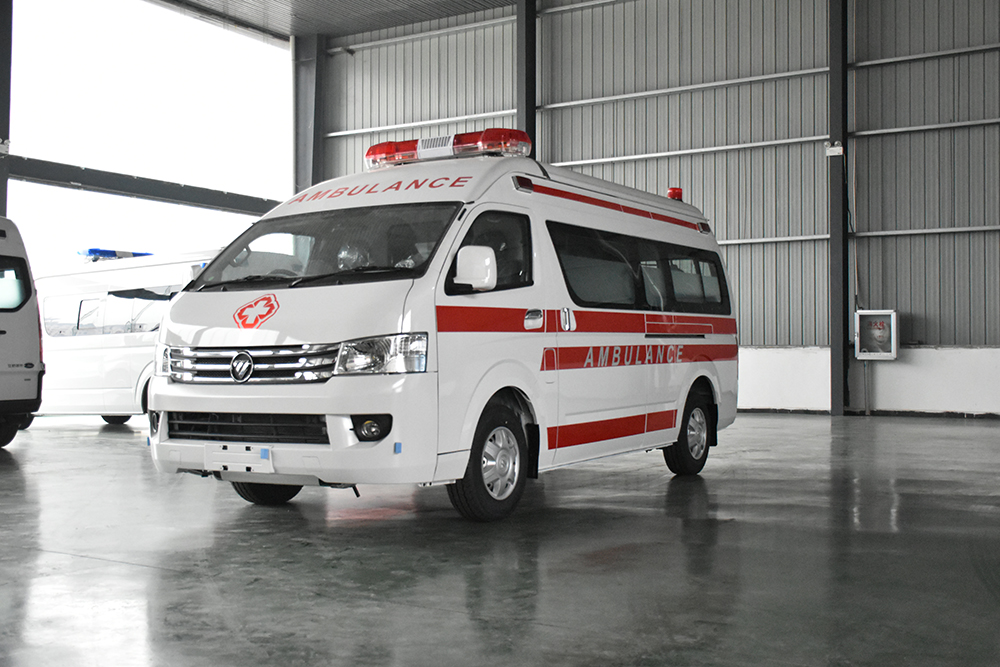
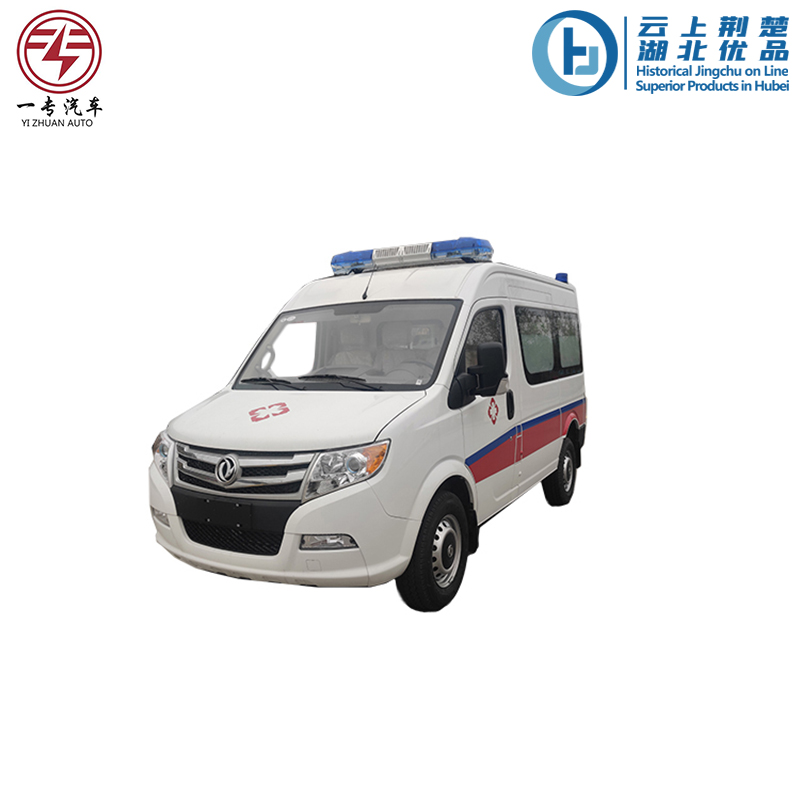
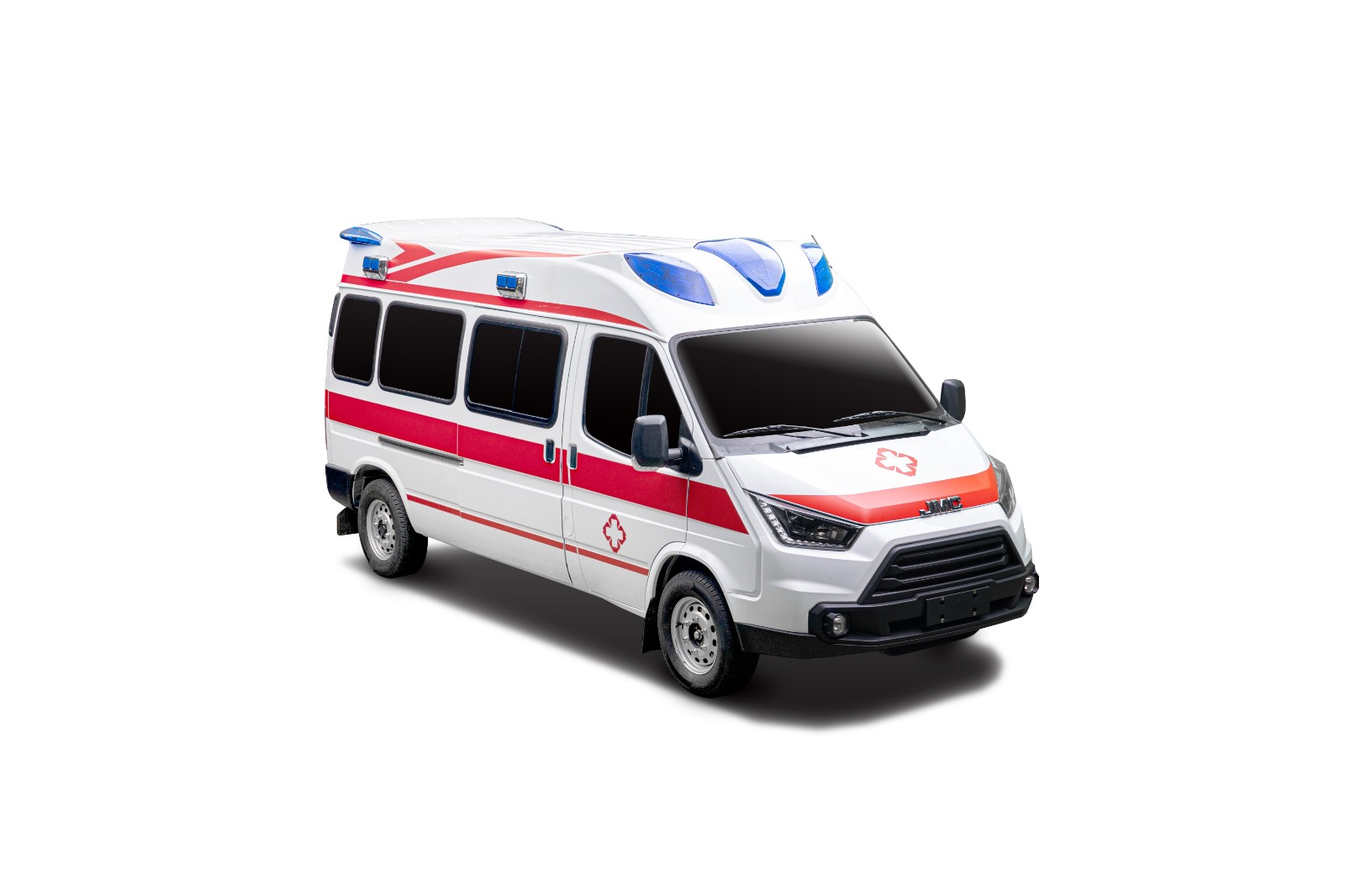
Source reliable, fully equipped ambulances from vetted manufacturers and suppliers. Designed for government procurement agencies, medical vehicle distributors, and fleet operators, our wholesale ambulance sourcing services ensure compliance, custom OEM/ODM layouts, and strict quality control for high-volume imports.
Sourcing ambulances requires navigating a complex intersection of automotive homologation and medical device regulation. Whether you are importing standard transit ambulances or commissioning custom mobile intensive care units (ICUs), success hinges on selecting a manufacturer capable of integrating advanced life-support systems into reliable commercial chassis while meeting stringent regional safety standards.
Chassis Selection and Cabin Integration
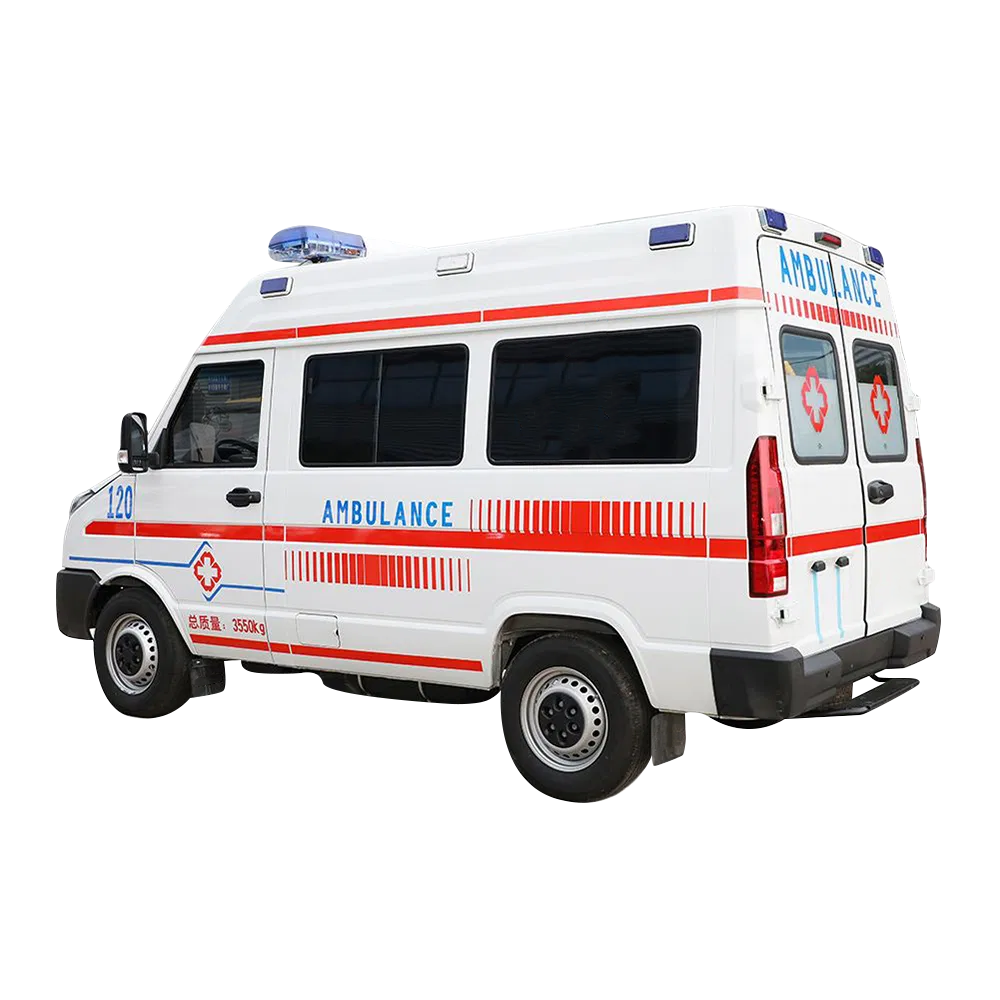
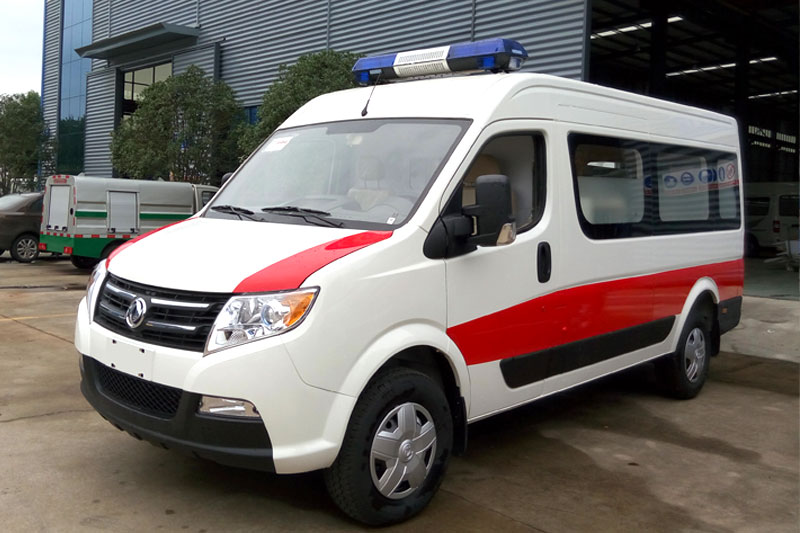
An ambulance is fundamentally a commercial vehicle chassis heavily modified for medical transport. The quality of the final product depends entirely on the converter's engineering capabilities and their relationship with the original equipment manufacturer (OEM) of the chassis.
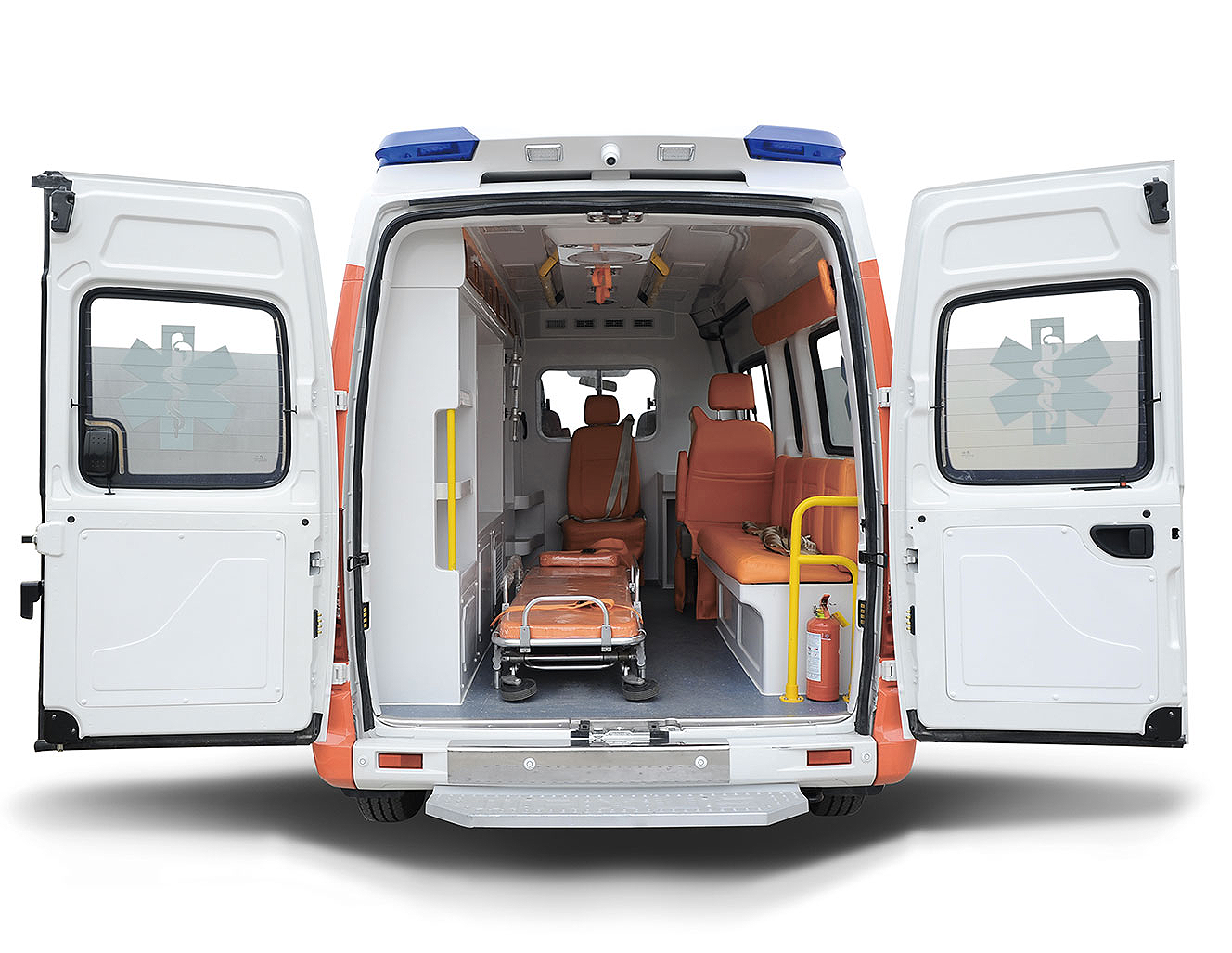
Factories must structurally reinforce the base vehicle to handle the significant weight of medical cabinetry, oxygen cylinders, and life-support equipment. Furthermore, the suspension must be upgraded—often with pneumatic systems—to ensure a smooth ride that does not compromise patient care.
| Configuration Type | Chassis Base | Primary Application | Payload Capacity |
|---|---|---|---|
| Type I | Light/Medium Duty Truck | Advanced Life Support (ALS), Rural transport | High (Heavy equipment) |
| Type II | Commercial Van | Basic Life Support (BLS), Urban transit | Moderate (Standard gear) |
| Type III | Cutaway Van Chassis | Mobile ICU, Bariatric transport | High (Large module) |
When utilizing OEM/ODM Services for custom fleet builds, it is critical to verify that the conversion factory holds certified modifier status from the chassis manufacturer. Without this, the base vehicle warranty may be voided upon modification.
Navigating homologation and medical compliance? Let us help you vet capable vehicle conversion factories.
Talk to our teamElectrical and Life Support Systems
The electrical backbone is where low-quality conversions fail. A modern ambulance requires a robust secondary electrical system to power defibrillators, ventilators, suction units, and climate control without draining the vehicle's primary battery.
Factories must install high-output dual alternators, pure sine wave inverters, and isolated auxiliary battery banks (often lithium iron phosphate for weight reduction and cycle longevity). Wiring harnesses must be marine-grade, color-coded, and loomed to prevent chafing during high-vibration transit.
Critical Factory Floor Inspections
- Oxygen pipeline pressure testing (must hold pressure for 24 hours with zero drop).
- Verification of pure sine wave output on all AC medical outlets.
- Structural pull-testing on stretcher retention systems and cabinetry mounts.
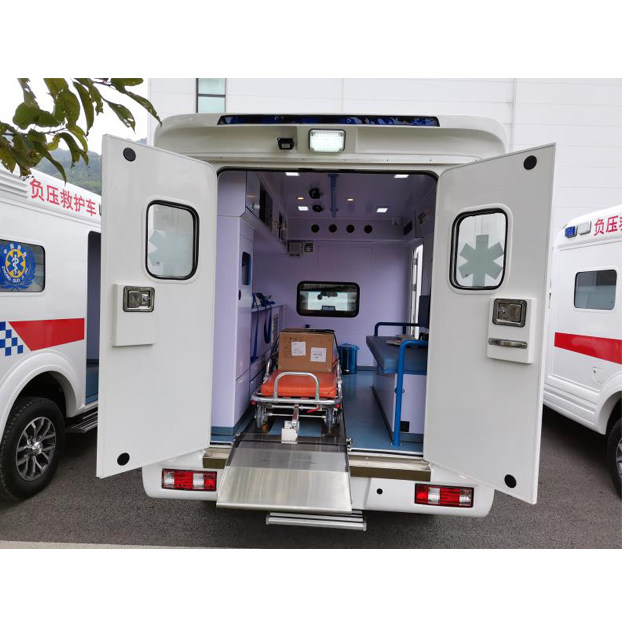
- Airflow and filtration validation for negative pressure (infectious disease) cabins.
- Electromagnetic compatibility (EMC) testing to ensure chassis electronics do not interfere with medical monitors.
Because these vehicles are regulated as both automotive and medical devices, thorough Compliance & Testing is non-negotiable. Standards such as EN 1789 (Europe) or KKK-A-1822F (USA) dictate everything from crash-test safety of the medical cabin to the exact color temperature of the interior lighting.
Pricing, Lead Times, and Logistics
Ambulance manufacturing is highly specialized, and production timelines reflect the complexity of the build. Because chassis availability fluctuates, forward planning is essential for fleet procurement.
Pricing is driven by three main factors: the base chassis brand (e.g., Ford, Mercedes-Benz, Toyota), the tier of integrated medical equipment, and specialized environmental controls like negative pressure HVAC systems.
Before committing to a high-value order, conducting comprehensive Factory Audits is crucial to verify the supplier's engineering team, ISO 13485 medical certifications, and production capacity.
Shipping Considerations
Ambulances cannot typically be shipped in standard shipping containers due to height restrictions, especially for Type I and Type III modules. They usually require Roll-on/Roll-off (RoRo) vessels or Flat Rack containers, which require specialized freight handling.
Need a reliable supply chain for custom medical vehicles? We manage production schedules, factory communication, and complex freight forwarding.
Get a free consultationFrequently Asked Questions
Procuring ambulances requires balancing rigorous medical standards with heavy-duty automotive engineering. By establishing strict technical specifications and verifying factory capabilities early in the sourcing process, you can secure reliable, compliant fleets that perform flawlessly in critical situations.
Get Sourcing Help for Ambulances
Tell us your requirements and our experts will connect you with verified manufacturers.