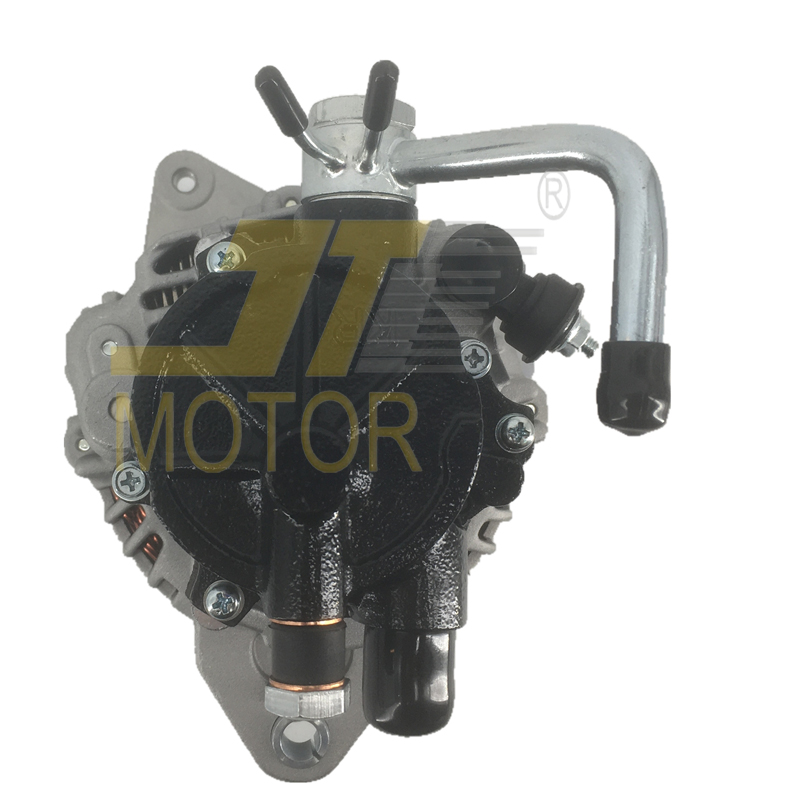
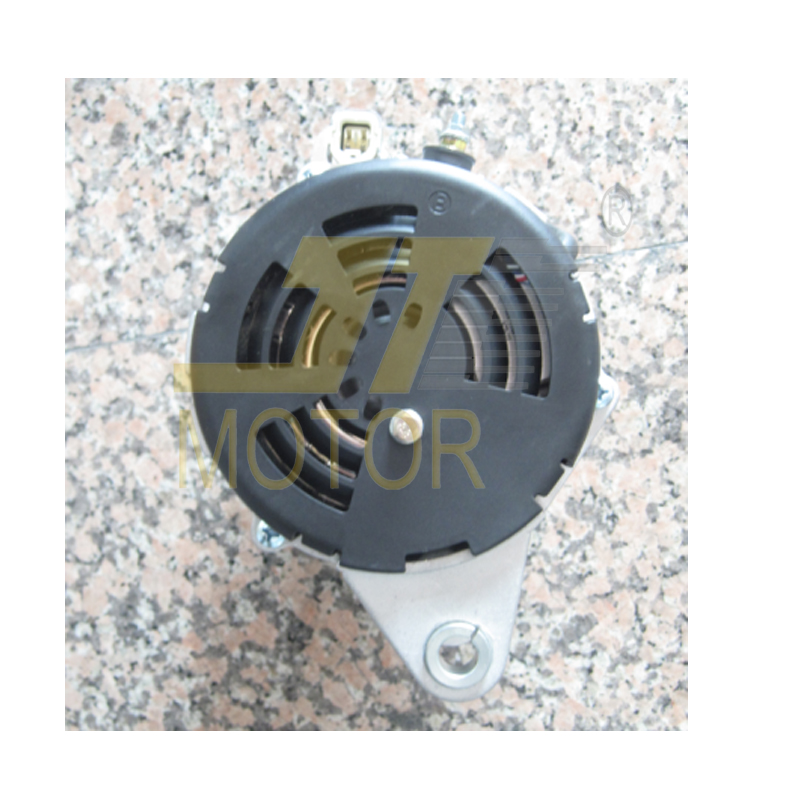
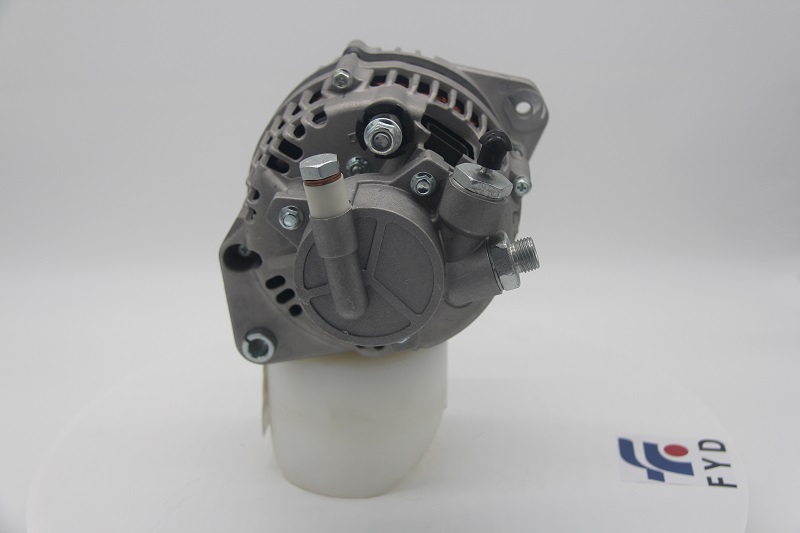
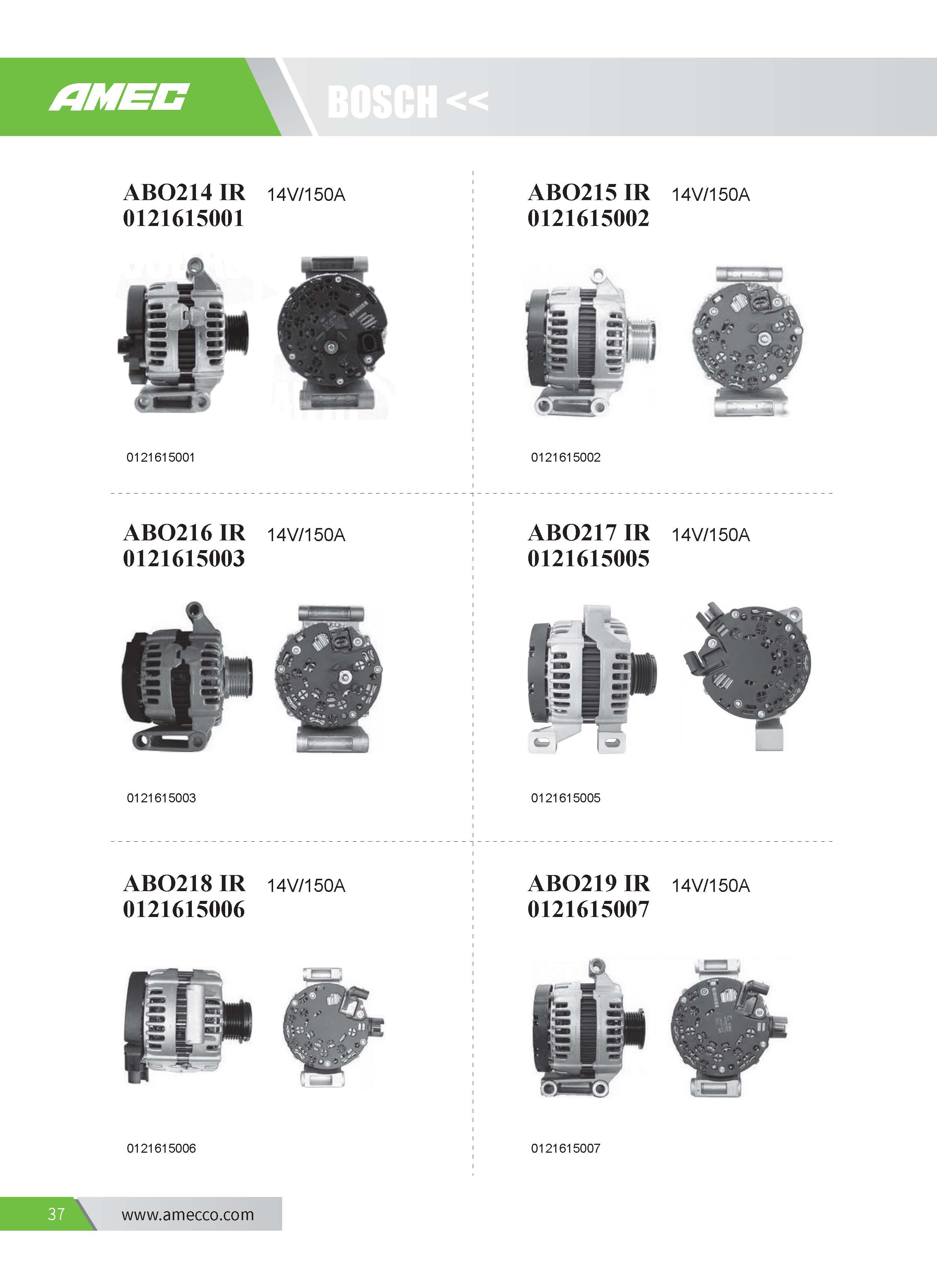

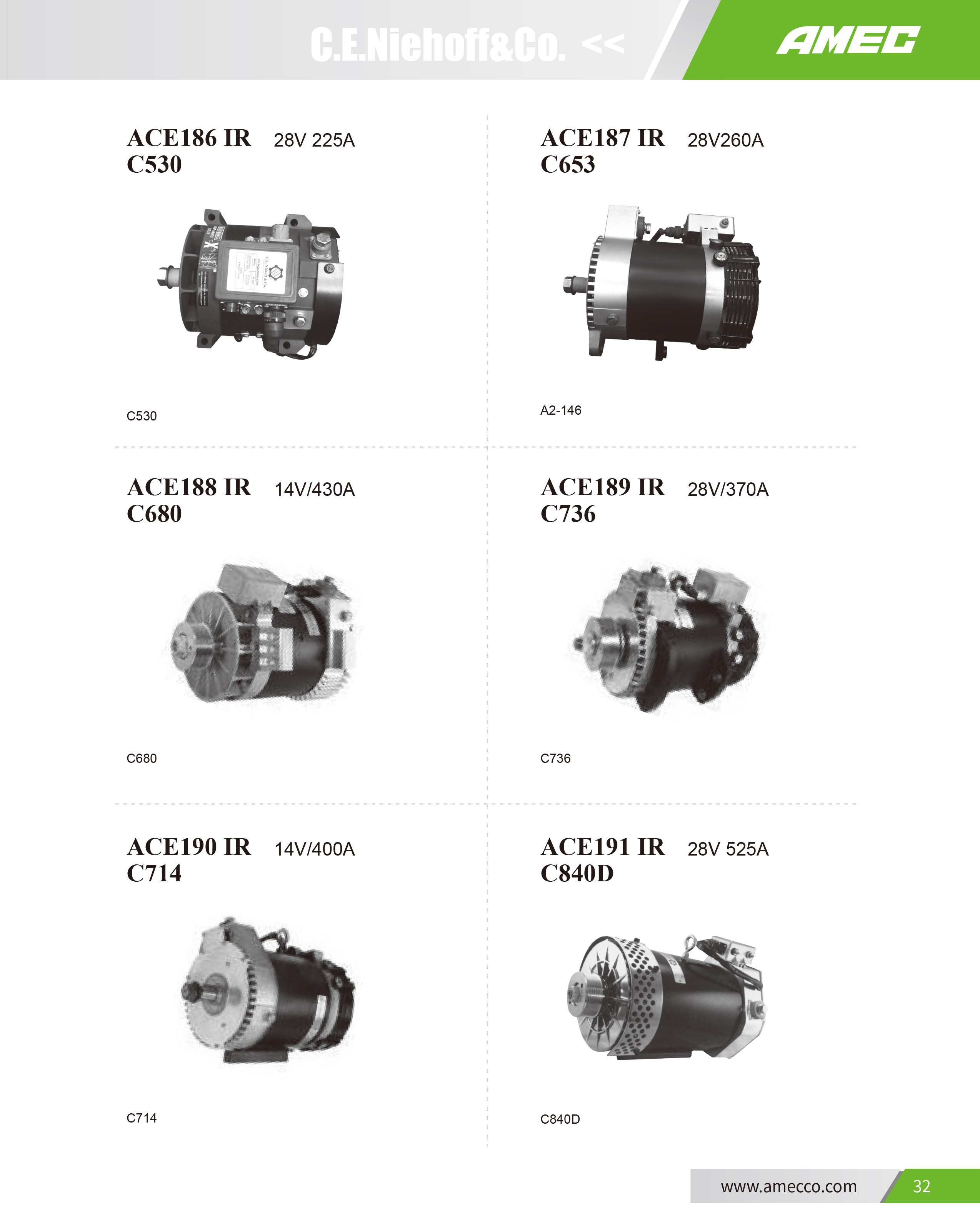
Alternator
Source aftermarket and OEM-grade alternators from vetted manufacturers and suppliers in Asia. Designed for automotive distributors, wholesale importers, and brands seeking reliable bulk production or private-label manufacturing, our network delivers high-output and standard replacement units built to exact specifications.
Sourcing automotive alternators at scale requires balancing unit cost with non-negotiable reliability. A high failure rate in charging systems quickly erodes brand reputation and distributor margins, leading to costly warranty claims. Success depends on identifying manufacturers capable of consistent copper winding density, robust diode bridges, and precise rotor balancing under extreme thermal stress.
Critical Specifications and Component Quality
When evaluating an alternator factory, the focus must immediately shift to the bill of materials (BOM) and internal components. The difference between a premium unit and a high-failure unit often lies in parts unseen by the end user.
- Stator and Rotor Copper: High-quality units utilize 100% virgin copper with high-temperature enamel coating (rated to 200 degrees Celsius or higher). Lower-tier suppliers may use copper-clad aluminum (CCA) or lower-grade enamel, which risks short circuits under heavy load.
- Rectifier and Diodes: The rectifier bridge must handle significant heat. Heavy-duty applications require avalanche diodes that can absorb voltage spikes without failing, whereas standard aftermarket units might use standard press-fit diodes.
- Voltage Regulators: Modern vehicles rely on ECU-controlled "smart" alternators. Manufacturers must source regulators capable of precise LIN (Local Interconnect Network) or BSS communication protocols to prevent dashboard error codes and battery overcharging.
- Bearings: High-speed rotor rotation demands premium bearings (e.g., NSK, NTN, or equivalent domestic equivalents). Inferior bearings are the leading cause of mechanical alternator failure and noise.
| Component | Standard Aftermarket | Heavy-Duty / High-Output |
|---|---|---|
| Stator Winding | Conventional round wire | Hairpin (square wire) for higher slot fill |
| Rectifier Diodes | Standard 50A press-fit | Avalanche diodes with enhanced heat sinks |
| Amperage Output | 70A – 130A | 150A – 300A+ |
| Cooling Design | Internal dual fan | External fan / Heavy-cast aluminum housing |
Manufacturing Process and Factory Capabilities
Quality in alternator production is won or lost in the automation of the winding process and the precision of the assembly line. Hand-wound stators suffer from inconsistent resistance and lower slot fill rates, directly impacting output efficiency.
When conducting factory audits, it is crucial to verify that the supplier utilizes automated CNC winding machines and computerized balancing equipment.
Key Factory Verification Points
- Automated stator and rotor winding machinery (no manual winding for high-volume orders).
- In-house computerized rotor balancing to eliminate vibration at high RPMs.
- End-of-line computerized load testing (e.g., D&V Electronics testers) for every single unit.
- Traceability systems linking specific batches of voltage regulators to final assembly serial numbers.
Need to verify a supplier's production capabilities before placing a bulk order? We conduct rigorous technical audits on automotive electronics factories.
Talk to our teamQuality Control and Performance Testing
Visual inspections are insufficient for alternators. A robust quality control protocol must include functional testing under simulated engine conditions.
Sample units should be pulled for thermal cycling tests, operating at maximum load in environmental chambers exceeding 100 degrees Celsius. Additionally, RPM sweep tests (from idle speeds of 1,500 RPM up to 10,000+ RPM rotor speed) verify both mechanical integrity and the voltage regulator's response time. Pre-shipment inspections must mandate that the factory provides the computerized test report (performance curve) for the specific batch being shipped.
Procurement Reality: Pricing, MOQs, and Lead Times
The Asian aftermarket alternator supply chain is heavily concentrated in specific industrial hubs, particularly around Zhejiang and Jiangsu provinces in China, and increasingly in Taiwan for specialized heavy-duty applications.
Unlike the domestic market which relies heavily on remanufactured (core-exchange) units, importing from Asia almost exclusively involves 100% newly manufactured units. This eliminates the logistical headache of core management but requires strict attention to raw material costs, as pricing is heavily tied to the global commodity prices of copper and aluminum.
If you are developing a proprietary high-output alternator for the off-road, audio, or emergency vehicle market, you will likely need OEM/ODM services to custom-cast larger housings and specify upgraded internal components. Tooling costs for custom housings typically range from a few thousand to several thousand dollars, depending on complexity.
Managing multiple SKUs and complex automotive supply chains? Let us streamline your procurement and quality assurance.
Get a free consultationFrequently Asked Questions
Successfully importing alternators in bulk requires looking past the outer aluminum casing and rigorously verifying the internal components and the factory's automated testing capabilities. Partnering with a team that understands automotive electrical standards ensures your shipments perform reliably under the hood, protecting your margins from warranty attrition.
Get Sourcing Help for Alternator
Tell us your requirements and our experts will connect you with verified manufacturers.