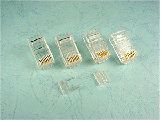
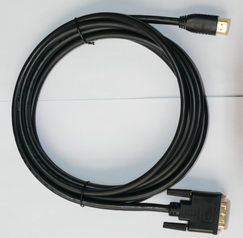
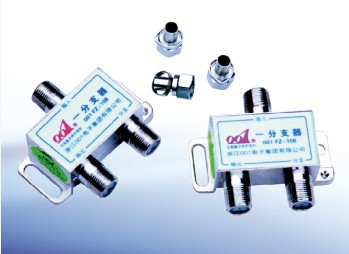
Adapters & Connectors
Source high-quality Adapters & Connectors from vetted Chinese suppliers and manufacturers. Designed for electronics importers, wholesale distributors, and brands seeking reliable OEM/ODM production, our network delivers precision-engineered connectivity solutions ready for global markets and rigorous compliance standards.
Sourcing adapters and connectors in bulk requires balancing aggressive cost targets with an absolute intolerance for failure. A single loose tolerance, degraded contact plating, or weak solder joint can ruin the user experience of a high-value electronic device. For volume buyers, securing a reliable supply chain means looking past the external plastic housing and scrutinizing the internal metallurgy, tooling precision, and factory-level quality systems.
Defining Connector Specifications
The difference between a premium connector and a failure-prone adapter lies entirely in the bill of materials (BOM) and tooling precision. When negotiating with manufacturers, you must dictate the exact specifications rather than accepting off-the-shelf defaults.
The most critical element is the contact material and its plating. Gold plating thickness, usually measured in microinches (U"), directly dictates the mating cycle lifespan and signal integrity. Standard consumer adapters often use a "gold flash" (under 1 U"), while high-reliability data or charging connectors require 3 U", 15 U", or even 30 U" to prevent oxidation and wear.
| Base Material | Conductivity | Durability | Typical Application |
|---|---|---|---|
| Brass | Moderate | Good | Low-cost standard adapters |
| Phosphor Bronze | Good | Excellent | High-cycle mating connectors |
| Beryllium Copper | Excellent | Excellent | High-frequency / premium pins |
Beyond the metal, the housing material dictates thermal performance. Standard PVC or ABS might suffice for low-voltage applications, but high-wattage fast-charging adapters require flame-retardant materials like PC (Polycarbonate) or LCP (Liquid Crystal Polymer) with a UL94 V-0 flammability rating.
Need to source connectors with strict material and plating requirements? We match your technical BOM with factories capable of delivering exact specifications.
Discuss your sourcing needsManufacturing Quality and Defect Control
Adapters and connectors are high-volume, automated products. Quality is won or lost in the stamping and injection molding phases. If a factory's tooling is worn, you will see flash (excess plastic) on the housing or burrs on the metal contacts, which can cause electrical shorts or physical damage to the female port.
When evaluating a supplier's production floor, or when utilizing professional Factory Audits, focus on their automation and testing equipment. Manual assembly of small connectors introduces unacceptable variance.
Critical Factory Audit Points for Connectors
- Automated pin insertion: Verify that machines, not manual labor, are seating the pins into the housing.
- CCD visual inspection: Ensure cameras are inline to check for bent or missing pins before final packaging.
- Tooling maintenance logs: Check how often injection molds and stamping dies are calibrated or replaced.
- In-house testing labs: Look for salt spray testers, insertion/extraction force machines, and continuity testers.
Compliance and Regulatory Testing
Electronic accessories are heavily regulated. Connectors and adapters must comply with environmental directives like RoHS and REACH, ensuring they are free from hazardous substances like lead and cadmium. For power adapters, safety certifications such as CE (Europe), FCC (USA), and UL or ETL are non-negotiable.
Never take a supplier's certification at face value. A common sourcing pitfall is accepting a CE certificate for a "similar" product or one that has expired. Rigorous Compliance & Testing protocols must be integrated into your pre-shipment workflow to verify that the specific batch produced matches the certified prototype.
Production Realities: MOQs, Pricing, and Lead Times
Because connectors are stamped and molded in massive runs, minimum order quantities (MOQs) are inherently high. However, standardizing your housing or utilizing a factory's existing public molds can drastically reduce your initial outlay. If you require custom shapes, embossing, or proprietary pin layouts, you will need to invest in custom tooling through OEM/ODM Services.
Pricing is highly volatile and tied directly to the global commodities market, specifically copper and gold. When negotiating long-term contracts, ensure your pricing agreements include clauses that account for raw material fluctuations.
Struggling with inconsistent pricing or quality fade on your current connector orders? Let us audit your supply chain and negotiate better terms.
Get a free consultationFrequently Asked Questions
Successful adapter and connector sourcing relies on uncompromising attention to metallurgical and tooling details. By specifying exact materials, enforcing strict inline testing, and auditing factory capabilities before production begins, you protect your brand from costly field failures. Expert oversight on the ground in Asia ensures your technical requirements translate into consistent, high-yield production runs.
Get Sourcing Help for Adapters & Connectors
Tell us your requirements and our experts will connect you with verified manufacturers.