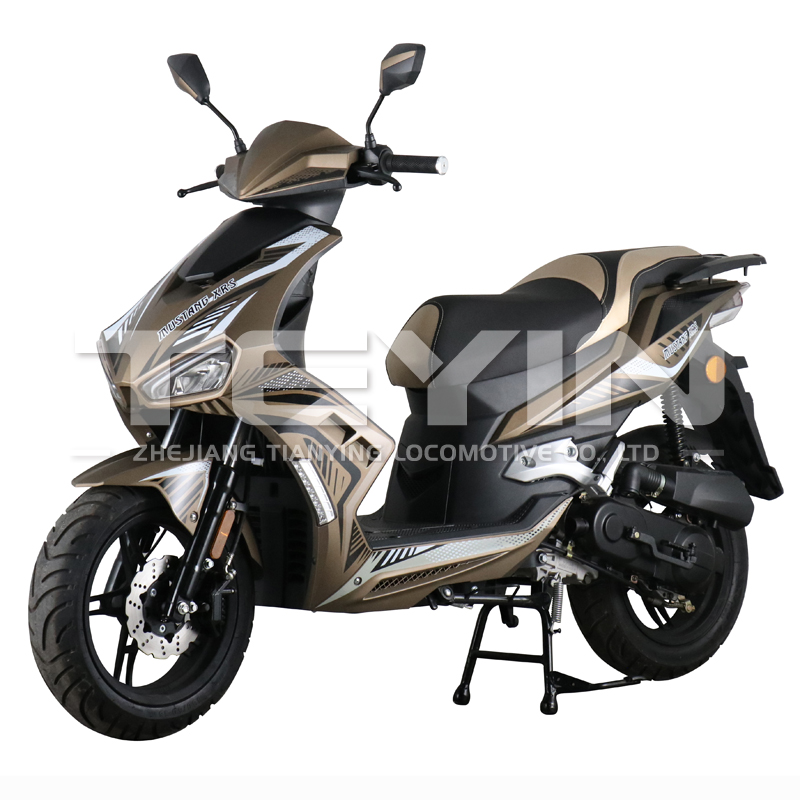
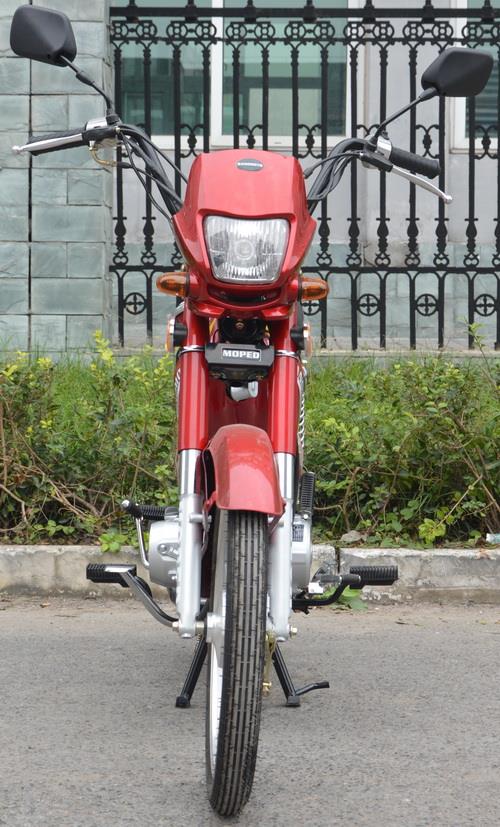
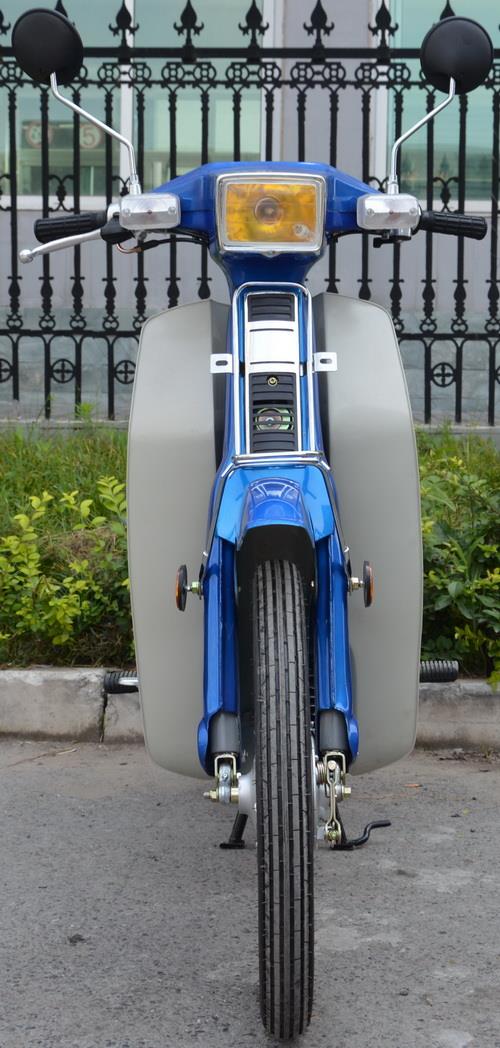
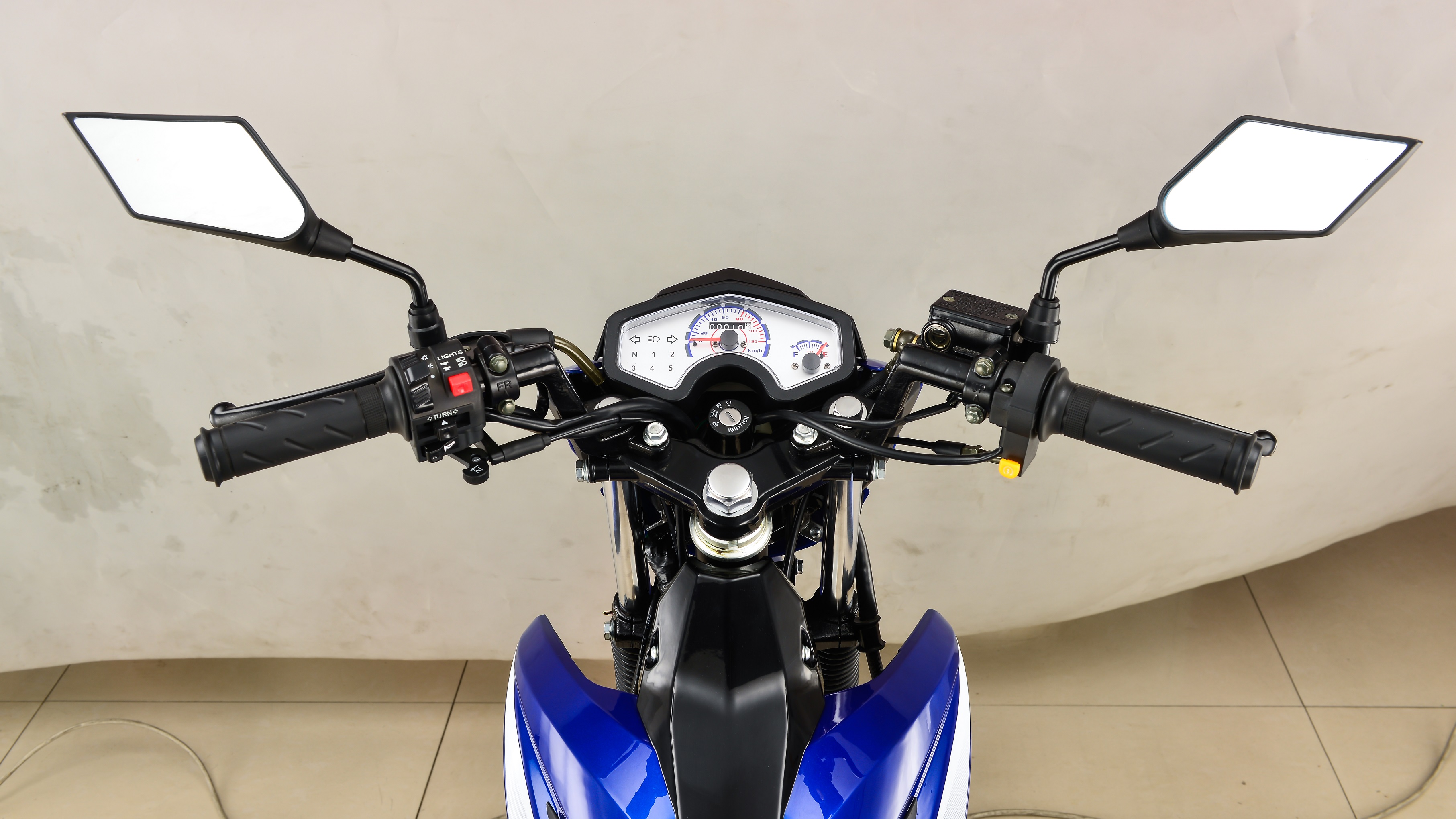
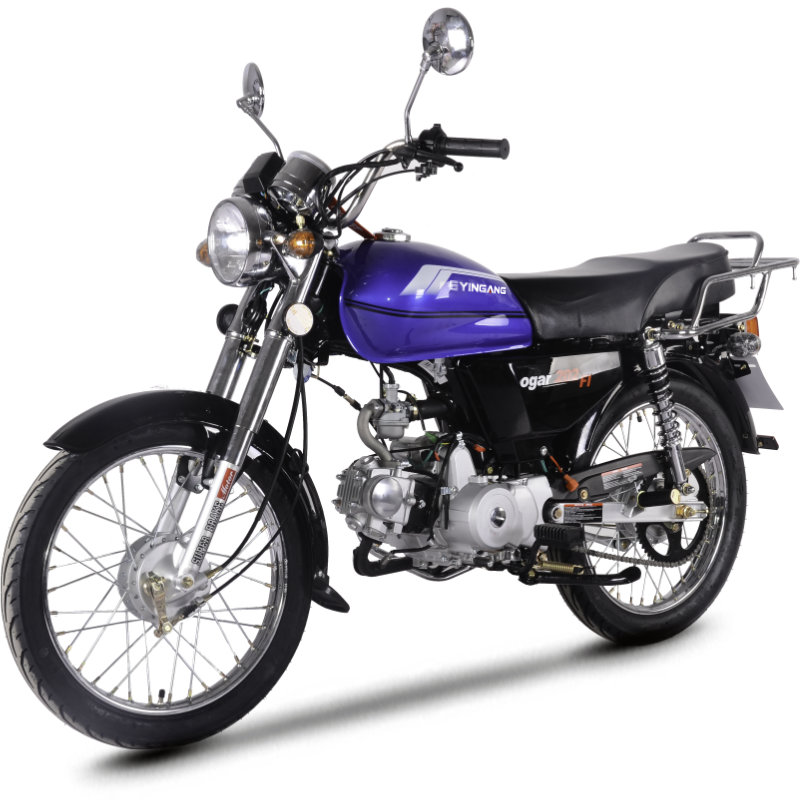
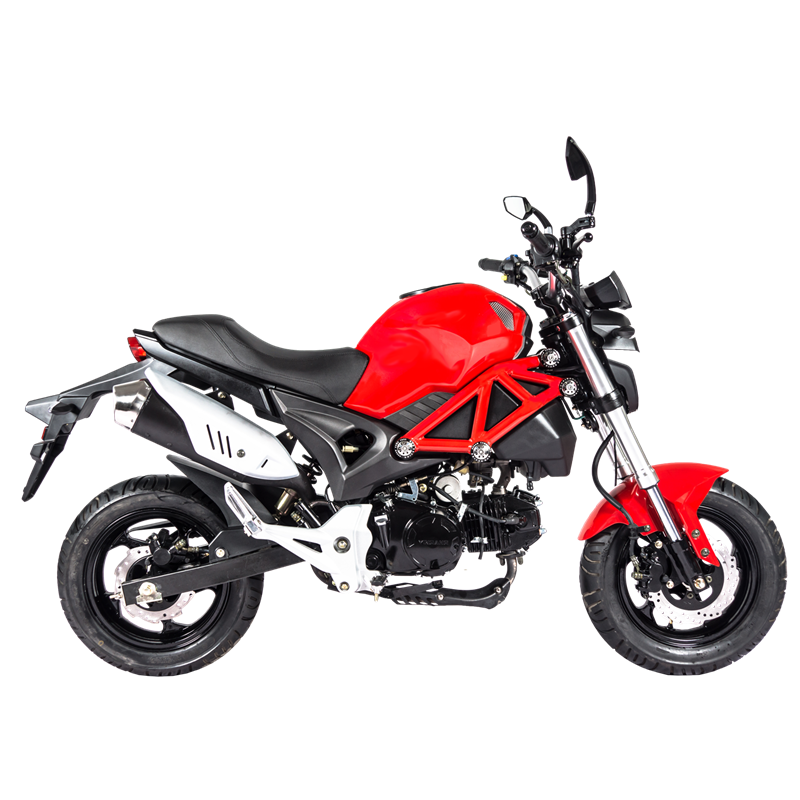
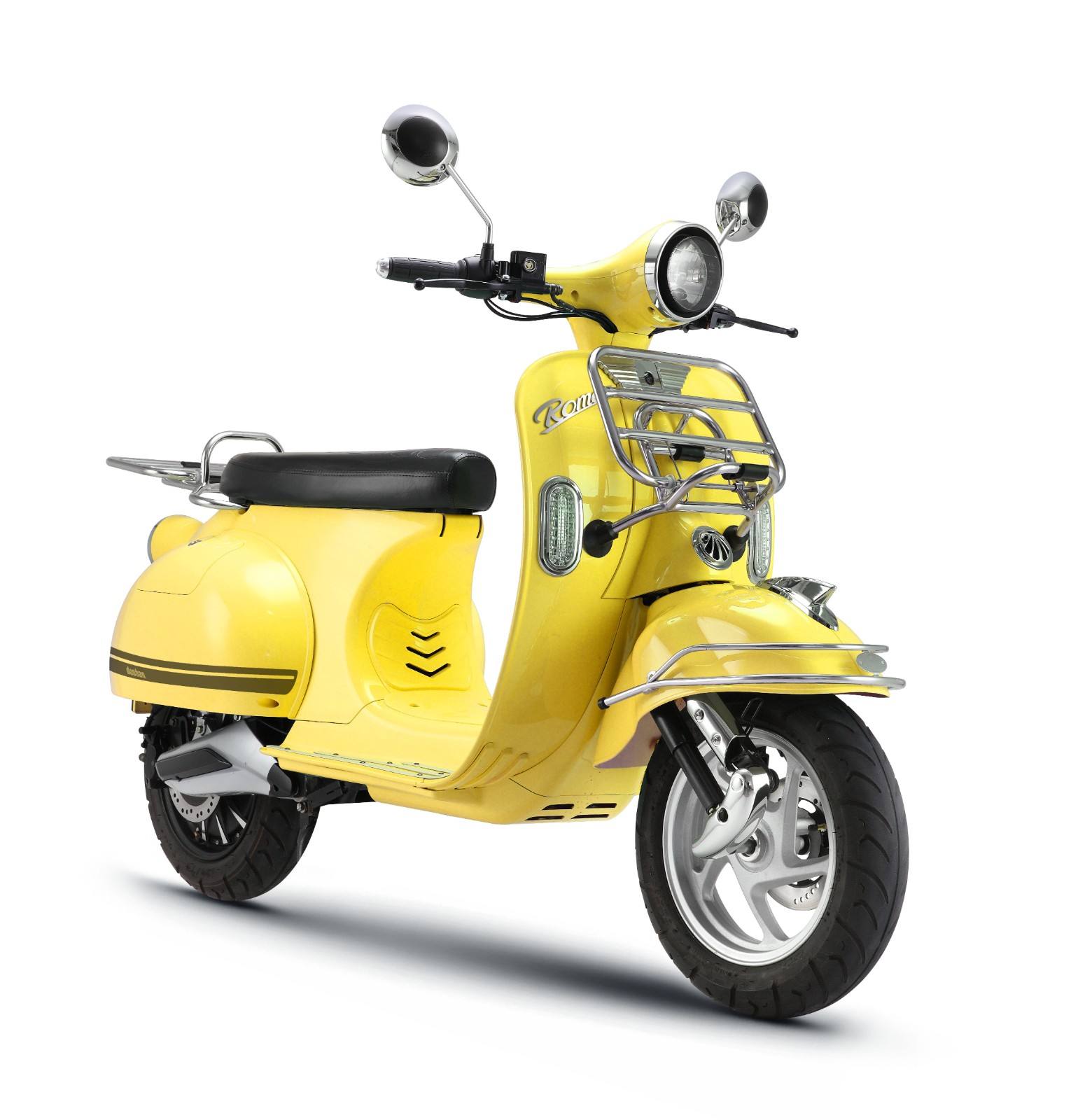
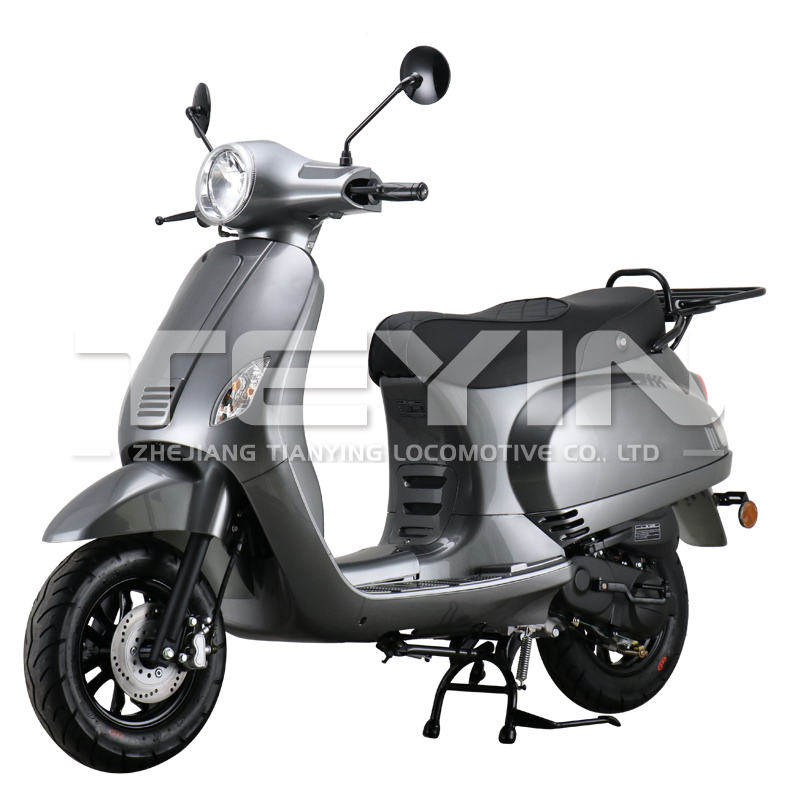
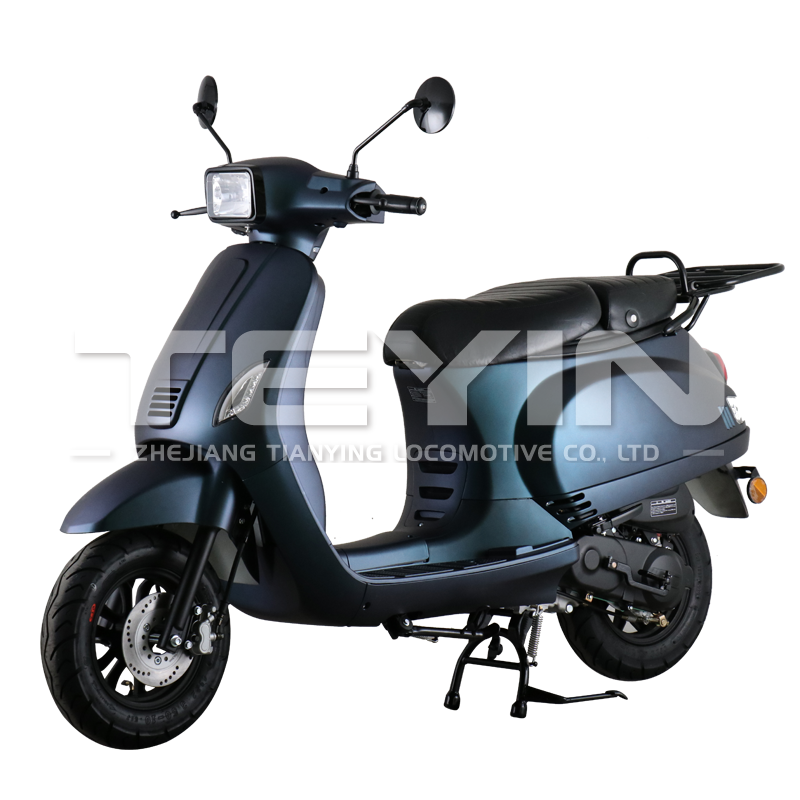
50cc-100cc
Source 50cc-100cc motorcycles in bulk directly from vetted manufacturers and suppliers in Asia. Designed for importers, distributors, and brands seeking reliable OEM/ODM production, our factory-direct network ensures competitive wholesale pricing, strict quality control, and full compliance for your target markets.
Sourcing 50cc to 100cc motorcycles—encompassing entry-level scooters, underbones, mopeds, and pit bikes—requires navigating a tight margin environment while adhering to increasingly strict global emissions standards. For volume buyers, the core challenge lies in identifying assembly plants that consistently deliver reliable powertrains and durable frames without inflating per-unit costs. Success in this category depends on precise specification management, rigorous supplier vetting, and strategic shipping configurations.
Core Specifications and Powertrain Decisions
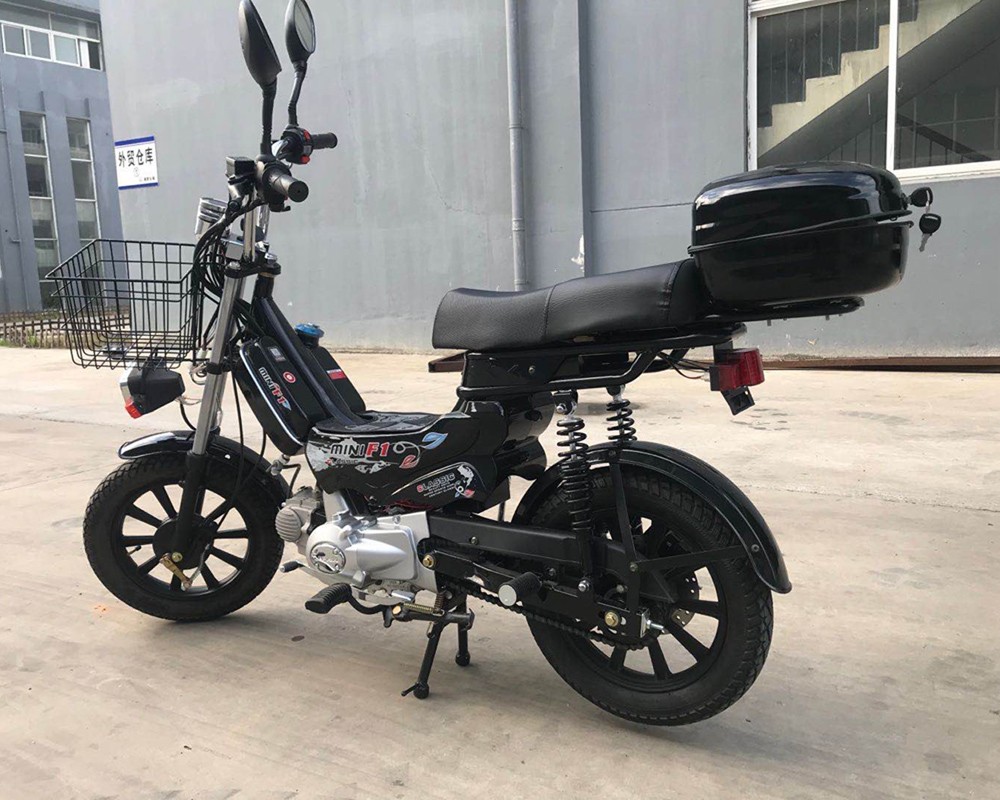
The 50cc-100cc class is dominated by highly standardized engine architectures, primarily the GY6 (for scooters) and horizontal "cub" style engines (for underbones and dirt bikes). While the mechanical designs are mature, the components bolted to them dictate market viability.
When negotiating with factories, you must specify the exact component tiers. A standard quotation often defaults to the lowest-cost configuration, which may not meet your market's regulatory or durability requirements.
Fuel Delivery: Carburetor vs. EFI
The most critical specification in modern small-displacement sourcing is the fuel delivery system. While carburetors keep costs exceptionally low, Electronic Fuel Injection (EFI) is now mandatory for markets requiring Euro 5 or modern EPA compliance.
| Fuel System | Cost Impact | Regulatory Compliance | Target Markets |
|---|---|---|---|
| Standard Carburetor | Baseline cost | Euro 3 / Non-regulated | Developing markets, off-road only |
| Electronic Fuel Injection (EFI) | Adds $60 - $120 per unit | Euro 5 / EPA compliant | Europe, North America, premium segments |
Certificate Verification
Many lower-tier suppliers will claim their carbureted models pass EPA or EEC standards by providing outdated or manipulated certificates. Always verify emissions documentation directly with the issuing body, or utilize specialized compliance testing before finalizing your supplier agreement.
Need help verifying factory capabilities and emissions compliance? Let our sourcing experts audit your prospective suppliers.
Talk to our teamManufacturing Tolerances and Quality Control
Motorcycle manufacturing in this tier is primarily an assembly operation. Factories source engines, frames, and plastics from a network of sub-suppliers and assemble them in-house. Therefore, a factory's quality is defined by its incoming material inspection and its assembly line discipline.
When evaluating a manufacturer or conducting factory audits, focus on these critical areas:
- Frame Welding and Coating: Look for robotic welding on main stress points. Frames must undergo electrophoretic coating (e-coating) before painting to prevent internal rust.
- Wiring Harness Routing: In 50cc-100cc models, electrical gremlins are the leading cause of warranty claims. Ensure the factory uses marine-grade connectors and routes harnesses away from high-heat engine components and pinch points.
- Plastic Injection Quality: For buyers utilizing OEM/ODM services to create custom bodywork, verify the use of virgin ABS or PP plastics. Recycled plastics become brittle under UV exposure and vibration.
Pre-Shipment Inspection Focus Areas
- Engine compression and cold-start performance
- Torque verification on critical chassis bolts (steering stem, axles)
- Brake system bleeding and fluid moisture levels
- Panel fitment and paint finish consistency
- Electrical system load testing (stator output, lighting, horn)
To prevent defects from reaching your domestic warehouse, implementing robust, third-party quality control directly on the factory floor is non-negotiable.
Shipping Configurations: CBU, SKD, and CKD
Because motorcycles are high-volume, low-density cargo, how you pack the container drastically impacts your landed cost. You must specify the shipping format during the initial price negotiation.
SKD (Semi-Knocked Down) vs. CBU (Completely Built Up)
Advantages
- SKD: Fits 30-40% more units per container, lowering freight cost per bike.
- SKD: Often attracts lower import duties in certain jurisdictions.
- CBU: Requires zero assembly at destination; ready for immediate wholesale.
Disadvantages
- SKD: Requires domestic labor and facility space to install front wheels, handlebars, and batteries.
- SKD: Increases risk of scratched plastics if carton packing is substandard.
- CBU: Highly inefficient use of container space, maximizing freight costs.
Note: CKD (Completely Knocked Down) is only recommended for buyers with full domestic assembly lines and is typically used to bypass heavy import tariffs in specific countries.
Typical MOQs, Pricing, and Lead Times
Manufacturers of 50cc-100cc motorcycles operate on economies of scale. Purchasing a handful of units is rarely viable direct-from-factory.
Pricing is highly volatile based on raw material costs (steel, aluminum) and specific homologation requirements. An entry-level 50cc GY6 scooter bound for an unregulated market will cost significantly less than a Euro 5 compliant, EFI-equipped model with CBS (Combined Braking System) bound for the EU.
Optimize your motorcycle supply chain. We manage everything from price negotiation to SKD container loading.
Get a free consultationFrequently Asked Questions
Successfully importing 50cc-100cc motorcycles requires balancing component costs against strict regulatory compliance. By specifying the right fuel delivery systems, auditing assembly line discipline, and optimizing your container packing strategy, you can secure reliable inventory that protects your margins and your brand reputation.
Get Sourcing Help for 50cc-100cc
Tell us your requirements and our experts will connect you with verified manufacturers.