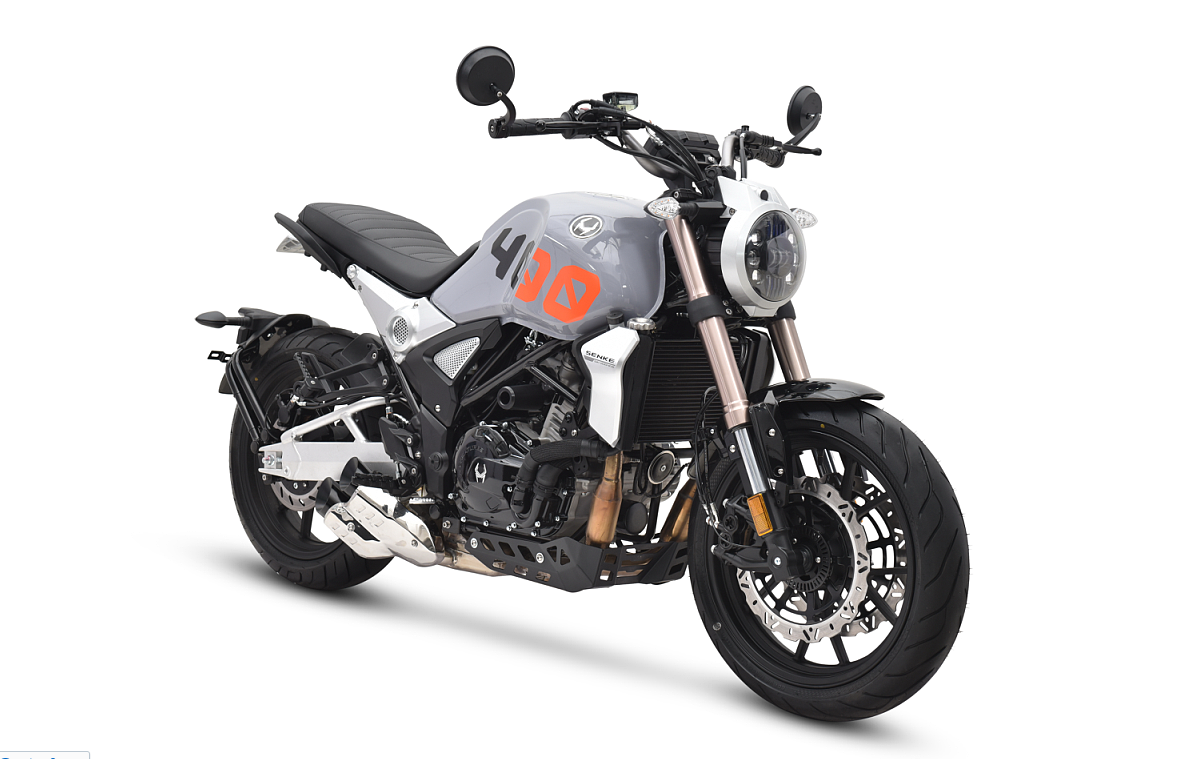
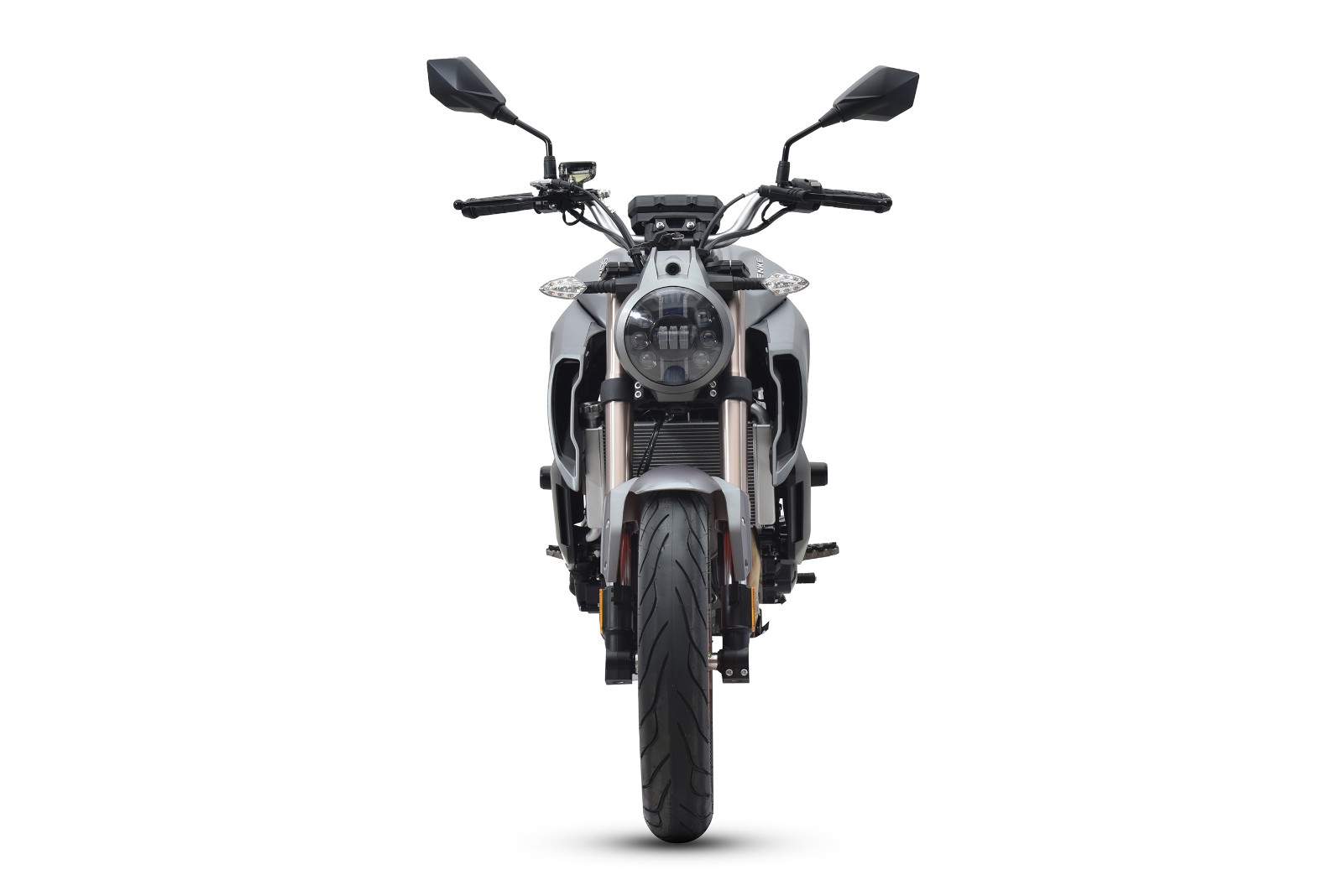
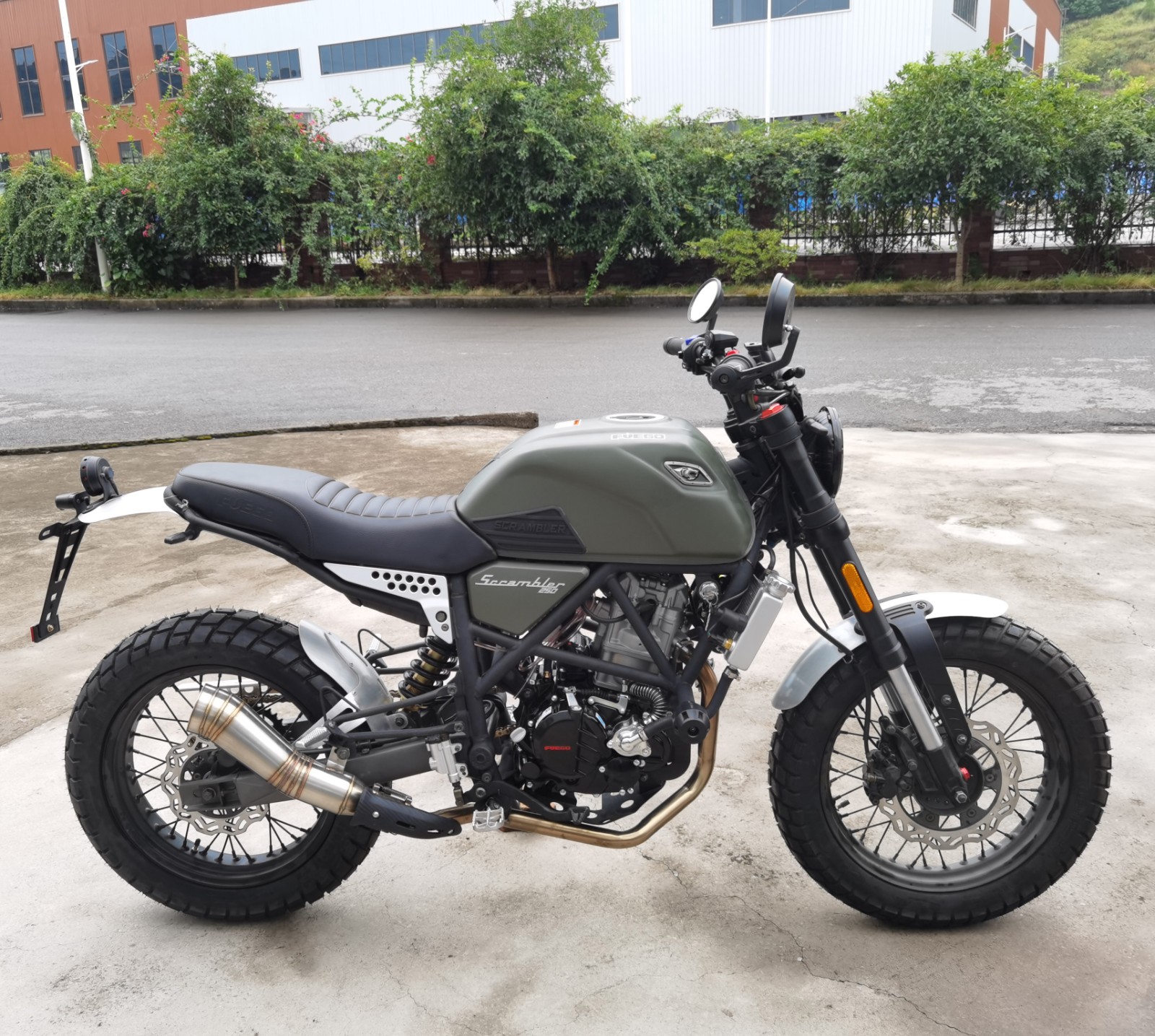
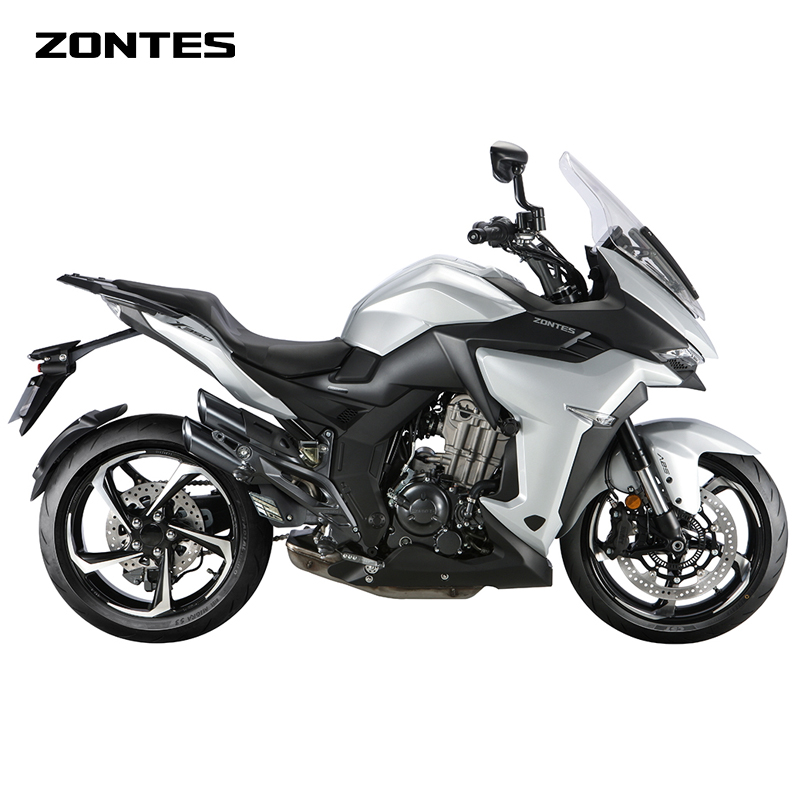
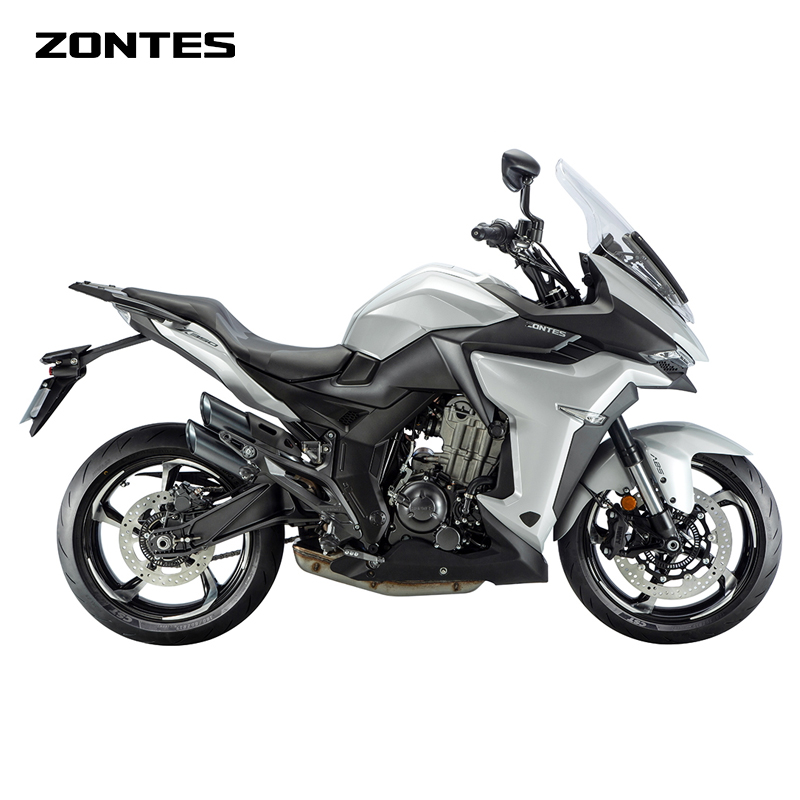
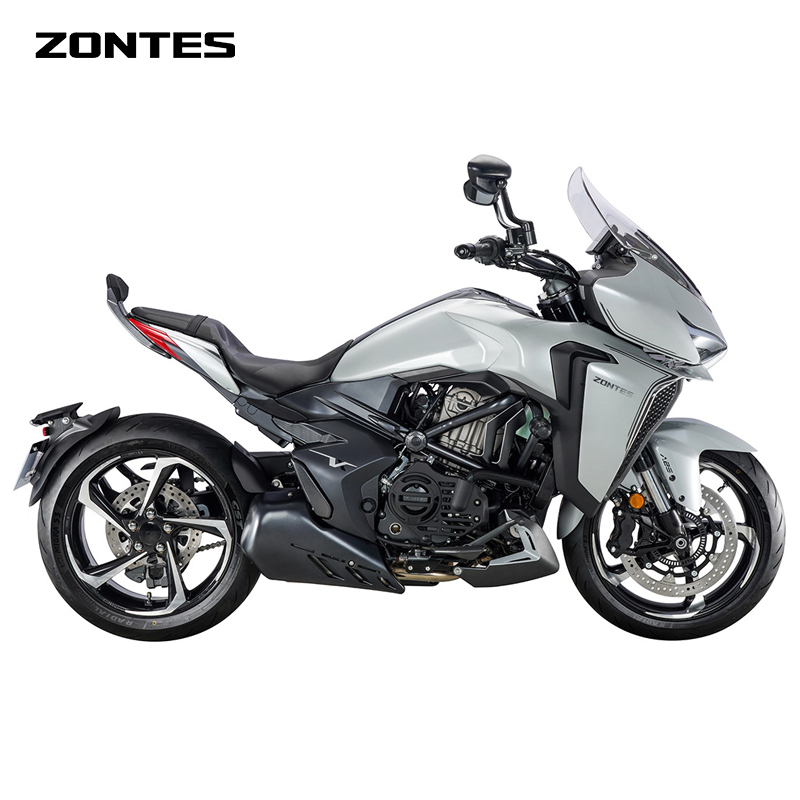
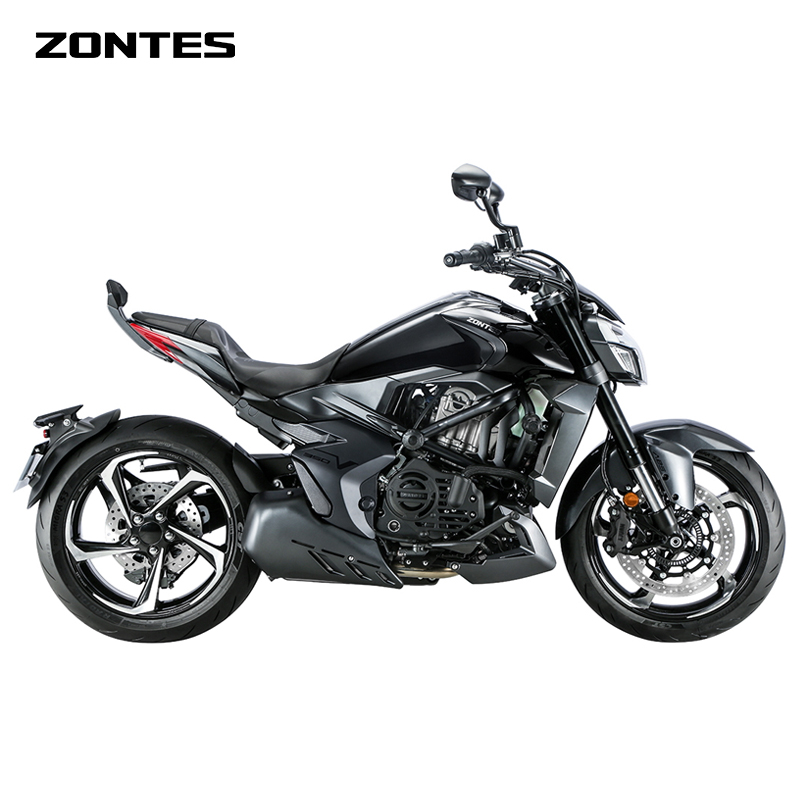
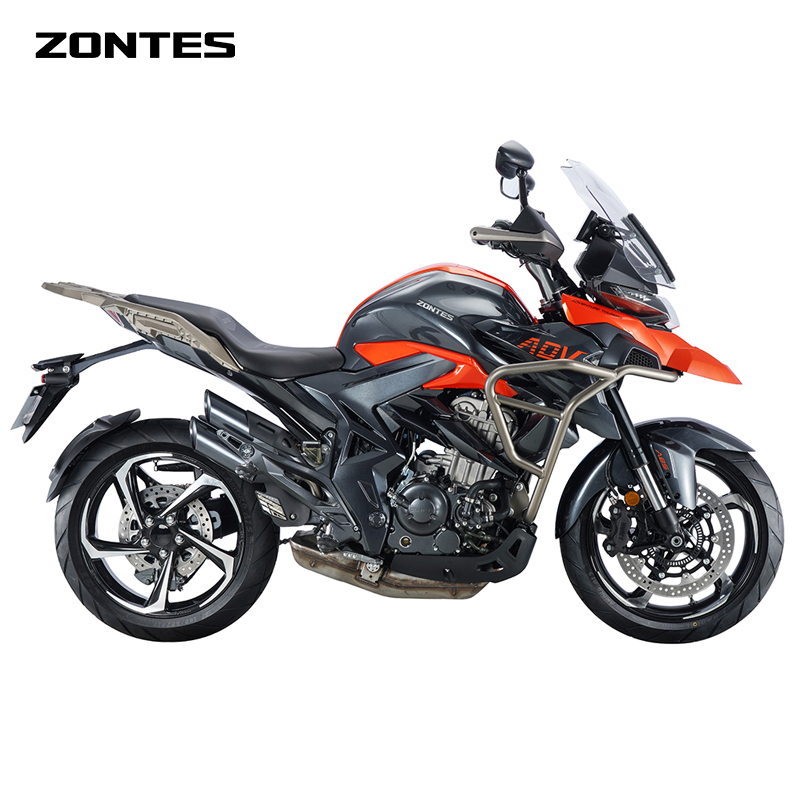
250cc-400cc
Source 250cc-400cc motorcycles in bulk directly from vetted manufacturers in Asia. Designed for importers, distributors, and brands seeking OEM/ODM production, this mid-displacement category offers the ideal balance of performance and efficiency. Secure reliable factory partners for your wholesale supply chain.
Mid-displacement motorcycles in the 250cc to 400cc range represent a critical volume segment for global markets. They bridge the gap between entry-level commuter bikes and premium heavyweights, making them the sweet spot for A2 license compliance in Europe and premium tier offerings in emerging markets. Sourcing these models at scale requires rigorous attention to engine homologation, chassis metallurgy, and assembly tolerances to ensure market viability and safety compliance.
Engine Specifications and Homologation
When sourcing in this displacement category, buyers must navigate a transition zone in engine technology. While some 250cc models still utilize air/oil cooling and simpler architectures, the push toward 400cc almost exclusively demands liquid cooling, multi-valve heads, and sophisticated Electronic Fuel Injection (EFI) systems to meet stringent global emissions standards.
| Specification Baseline | Typical 250cc Class | Typical 400cc Class |
|---|---|---|
| Engine Configuration | Single cylinder (often SOHC) | Single or Parallel Twin (DOHC) |
| Cooling System | Air/Oil or basic Liquid-cooled | Advanced Liquid-cooled with larger radiators |
| Power Output | 15 kW to 22 kW | 25 kW to 35 kW |
| Braking Systems | Single disc, optional single-channel ABS | Dual disc front, standard dual-channel ABS |
Ensuring the factory's EFI mapping (often sourced from Bosch, Delphi, or equivalent tier-one suppliers) complies with your target market's regulations (such as Euro 5 or EPA/DOT) is a primary hurdle. Relying on an importer's word is risky; verifying emissions data requires proper Compliance & Testing protocols before committing to a production run.
Navigating Euro 5 homologation and EFI calibration requires strict factory oversight. Let us manage the technical vetting and supplier qualification.
Talk to our teamManufacturing Tolerances and Quality Control
The durability of a mid-displacement motorcycle relies heavily on the factory's fabrication capabilities. High-vibration single or twin-cylinder engines place significant stress on the chassis.
When evaluating manufacturers, priority must be given to those utilizing robotic TIG/MIG welding for trellis or perimeter frames, rather than manual welding, to ensure consistent penetration and structural integrity. Furthermore, verify whether the supplier casts and machines their own engine cases in-house or acts solely as an assembly plant. Conducting thorough Factory Audits is essential to uncover these operational realities before placing a deposit.
Critical In-Line and Pre-Shipment Checks
Implementing strict Quality Control & Inspection on the assembly line prevents costly post-delivery warranty claims.
Key Motorcycle QC Checkpoints
- Chassis alignment and weld penetration testing (NDT methods).
- Engine dynamometer testing for output verification and leak detection.
- Electrical harness continuity and ECU diagnostic scans.
- Suspension compression and rebound testing (especially for USD forks).
- Fastener torque verification on all critical safety components (axles, calipers, triple clamps).
Customization and OEM/ODM Production
Many importers utilize OEM/ODM Services to differentiate their offerings. In the 250cc-400cc class, factories typically offer established, homologated engine and frame platforms (the "rolling chassis") that can be customized with proprietary bodywork, TFT displays, and branded componentry. Modifying the core frame or engine internals will trigger the need for fresh homologation, significantly extending development timelines and costs.
Pricing, MOQs, and Shipping Formats
Unit costs in this category fluctuate based on the inclusion of premium components like inverted (USD) forks, aluminum swingarms, and branded ABS modules. However, the most significant driver of landed cost is how the motorcycles are packed for shipping.
Most reliable manufacturers require a Minimum Order Quantity (MOQ) of at least one 20ft container (roughly 10-14 units CBU) to initiate a production run, though 40HQ volumes are standard for favorable pricing. Production lead times typically range from 45 to 60 days, barring supply chain disruptions for specialized EFI or ABS components.
Optimizing your container load with SKD or CKD packing can drastically reduce landed costs. We can help structure your volume orders and manage logistics.
Get a free consultationFrequently Asked Questions
Successfully importing 250cc-400cc motorcycles requires balancing aggressive wholesale pricing with uncompromising safety and emissions compliance. By thoroughly vetting a factory's engineering capabilities and optimizing your shipping format, you can build a highly profitable, reliable vehicle supply chain.
Get Sourcing Help for 250cc-400cc
Tell us your requirements and our experts will connect you with verified manufacturers.