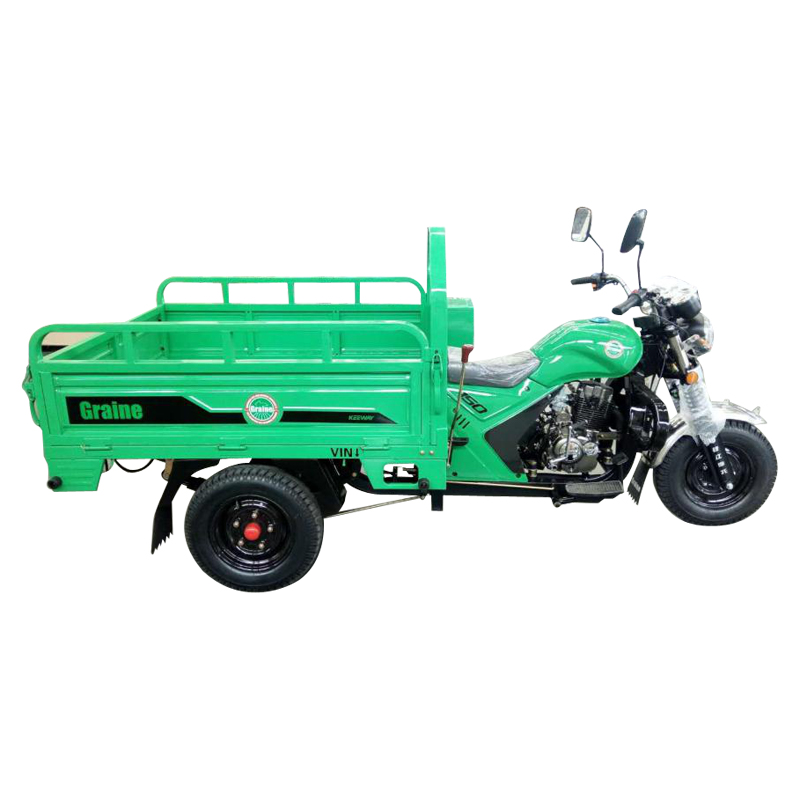
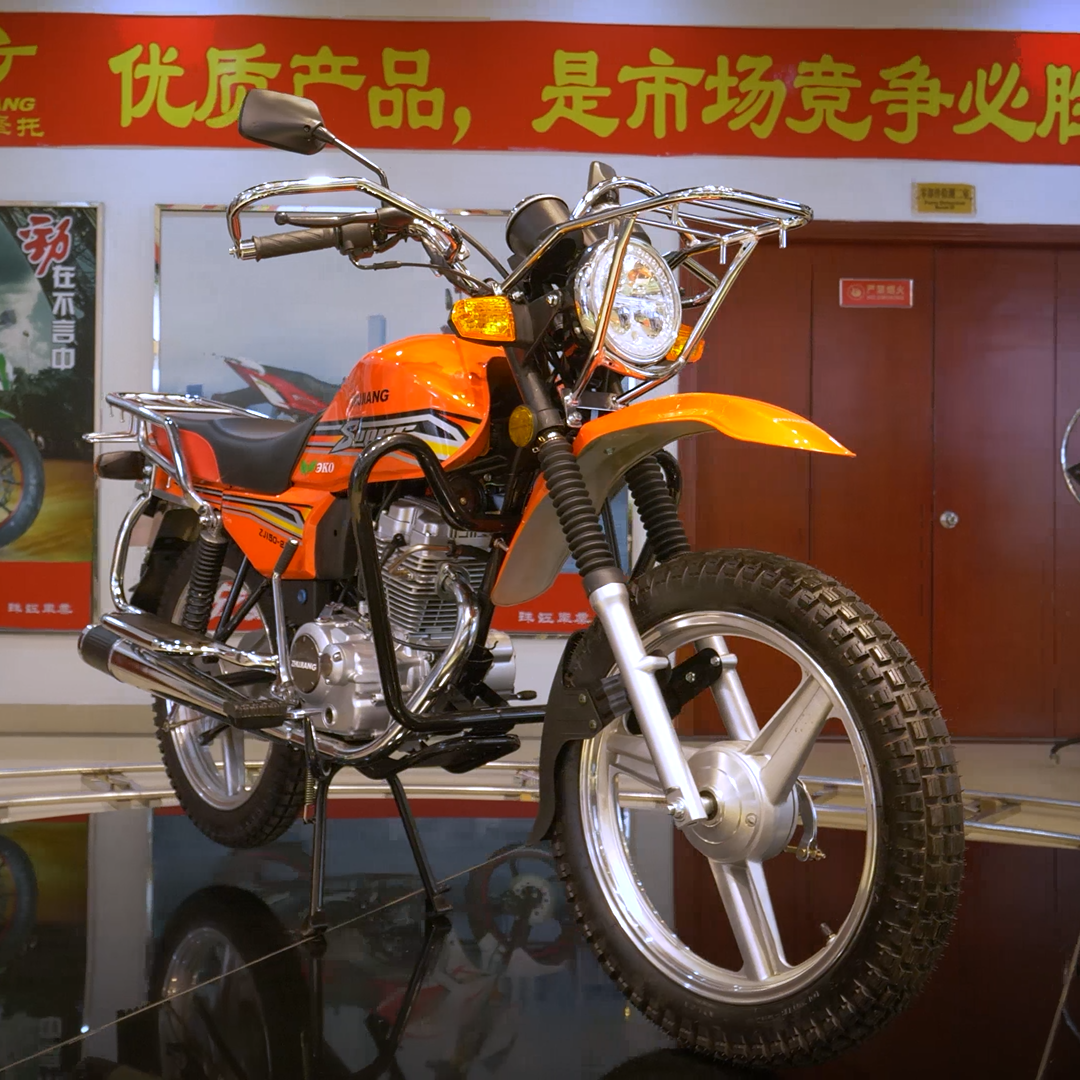
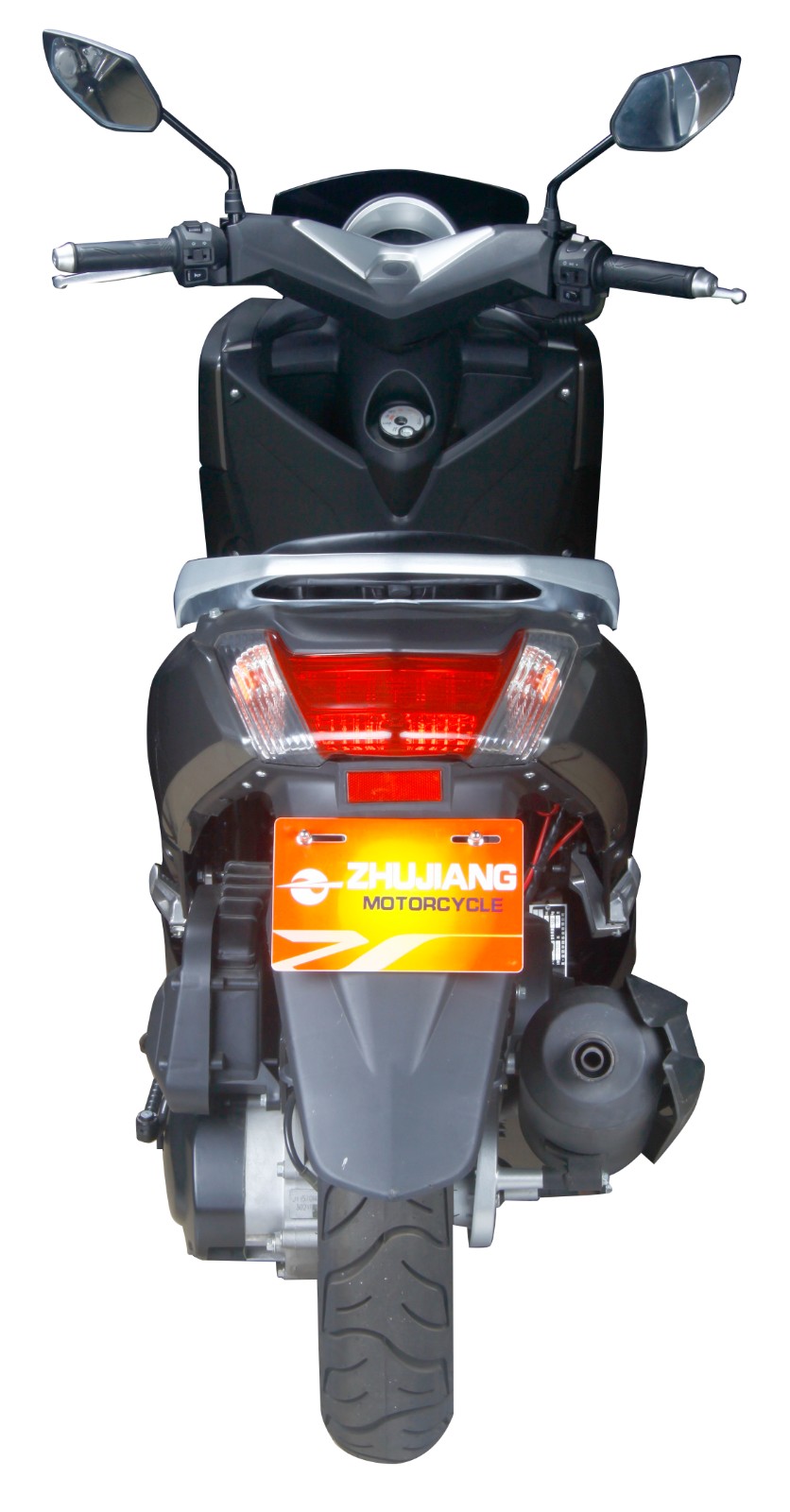
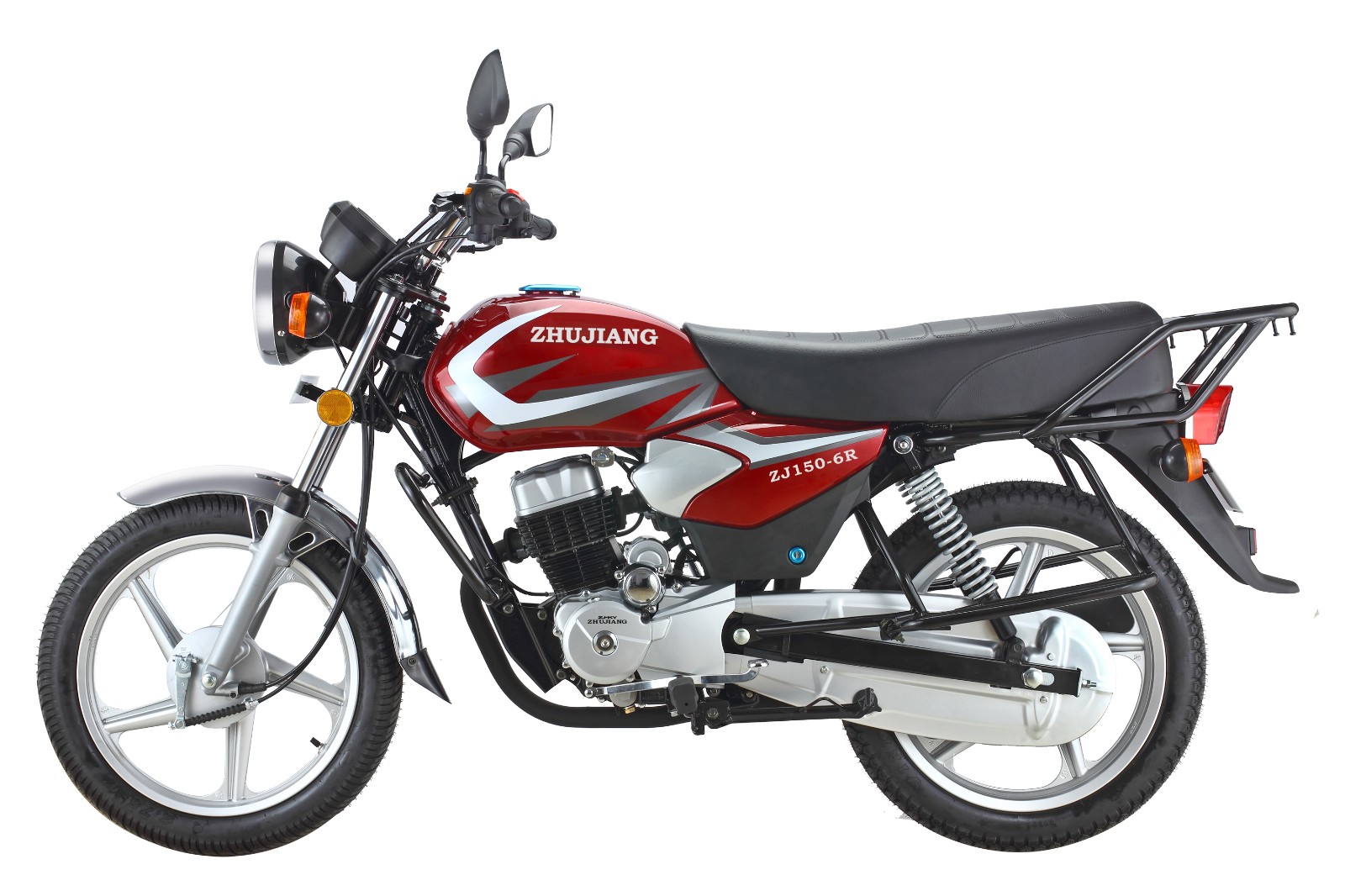
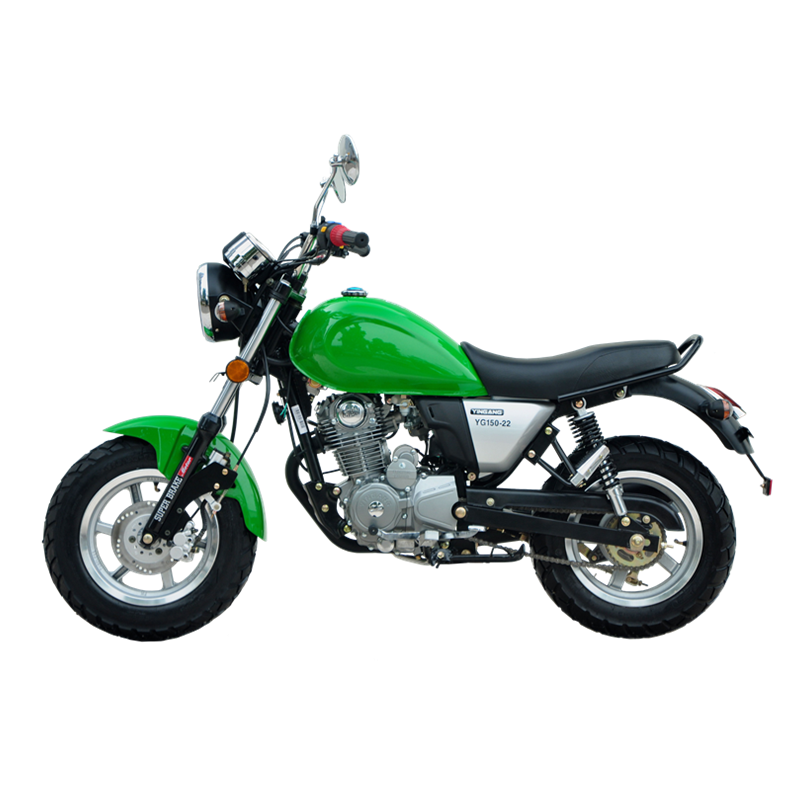
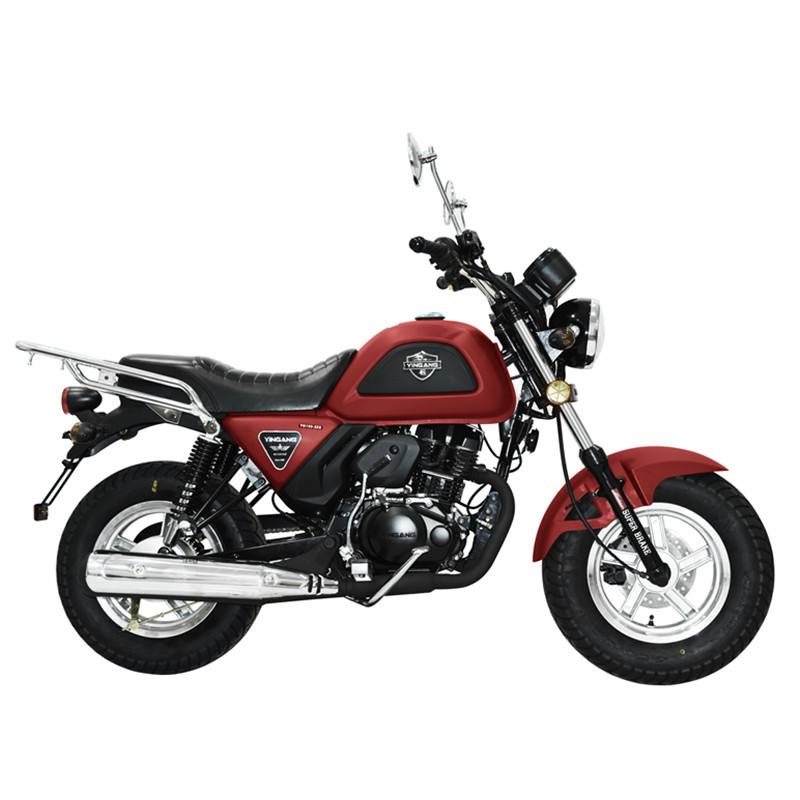
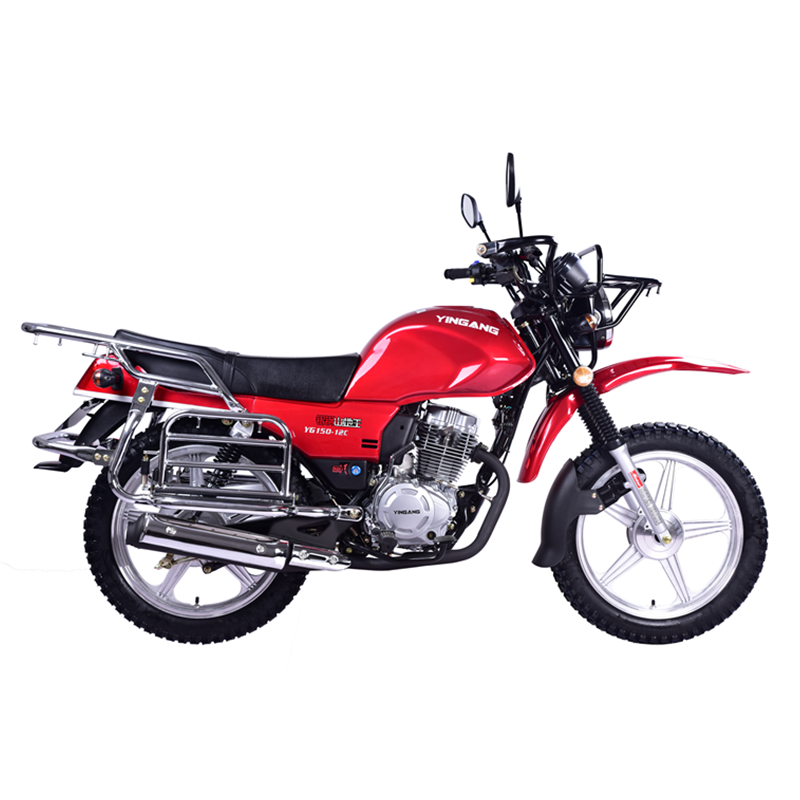
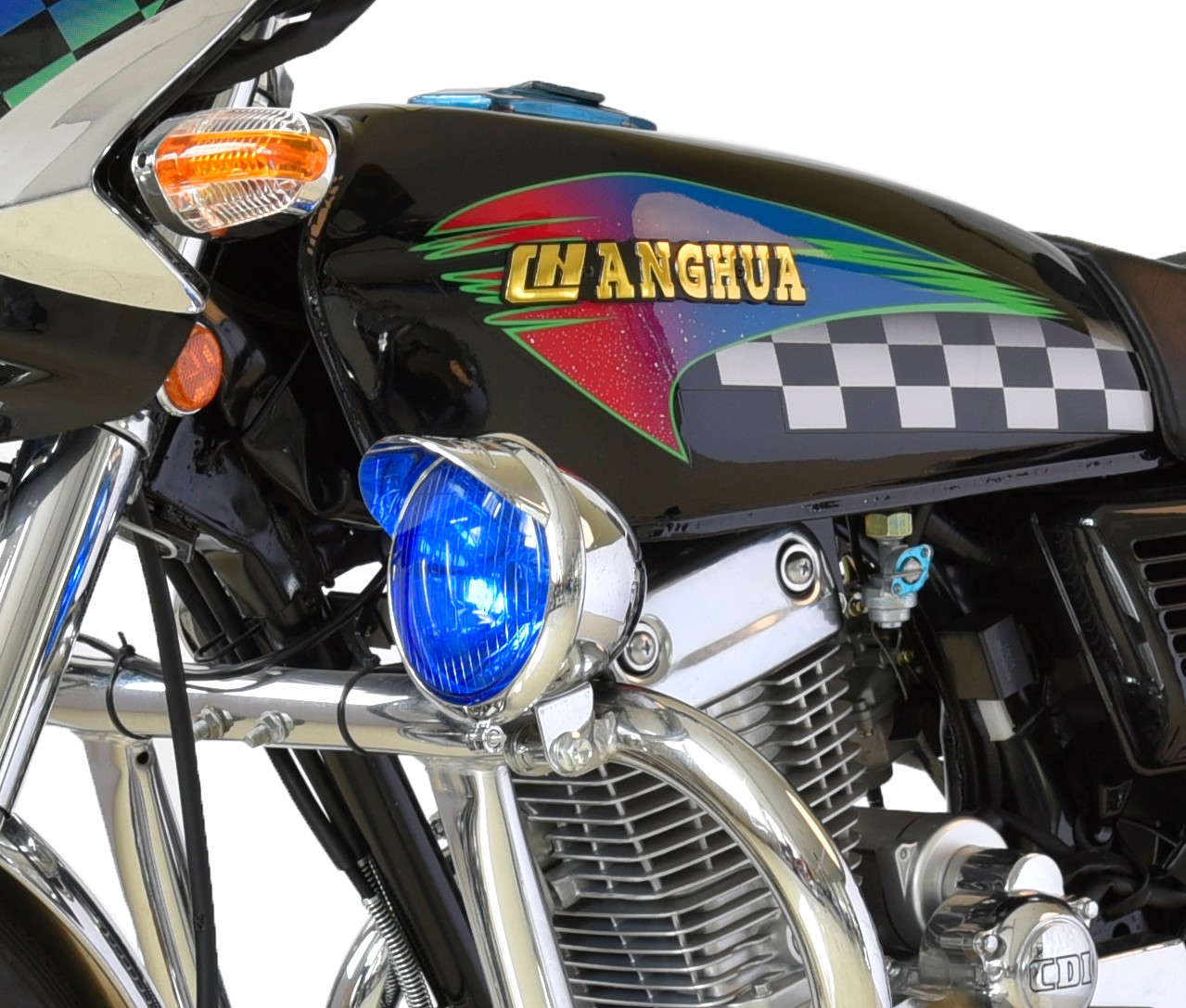
150cc-200cc
Source reliable 150cc-200cc motorcycles directly from vetted manufacturers and wholesale suppliers. Built for importers, distributors, and brands seeking OEM or private-label production, our verified factory network delivers competitive pricing and consistent quality for your bulk motorcycle purchasing needs.
The 150cc to 200cc motorcycle segment represents the global sweet spot for daily commuters, commercial delivery fleets, and entry-level sport riders. These bikes offer a critical balance of fuel efficiency, durable performance, and highway capability. However, sourcing motorcycles in volume requires navigating a complex matrix of engine reliability, frame integrity, and strict regional emissions compliance. Success depends on aligning your technical requirements with the right factory's production capabilities.
Critical Engine and Technical Specifications
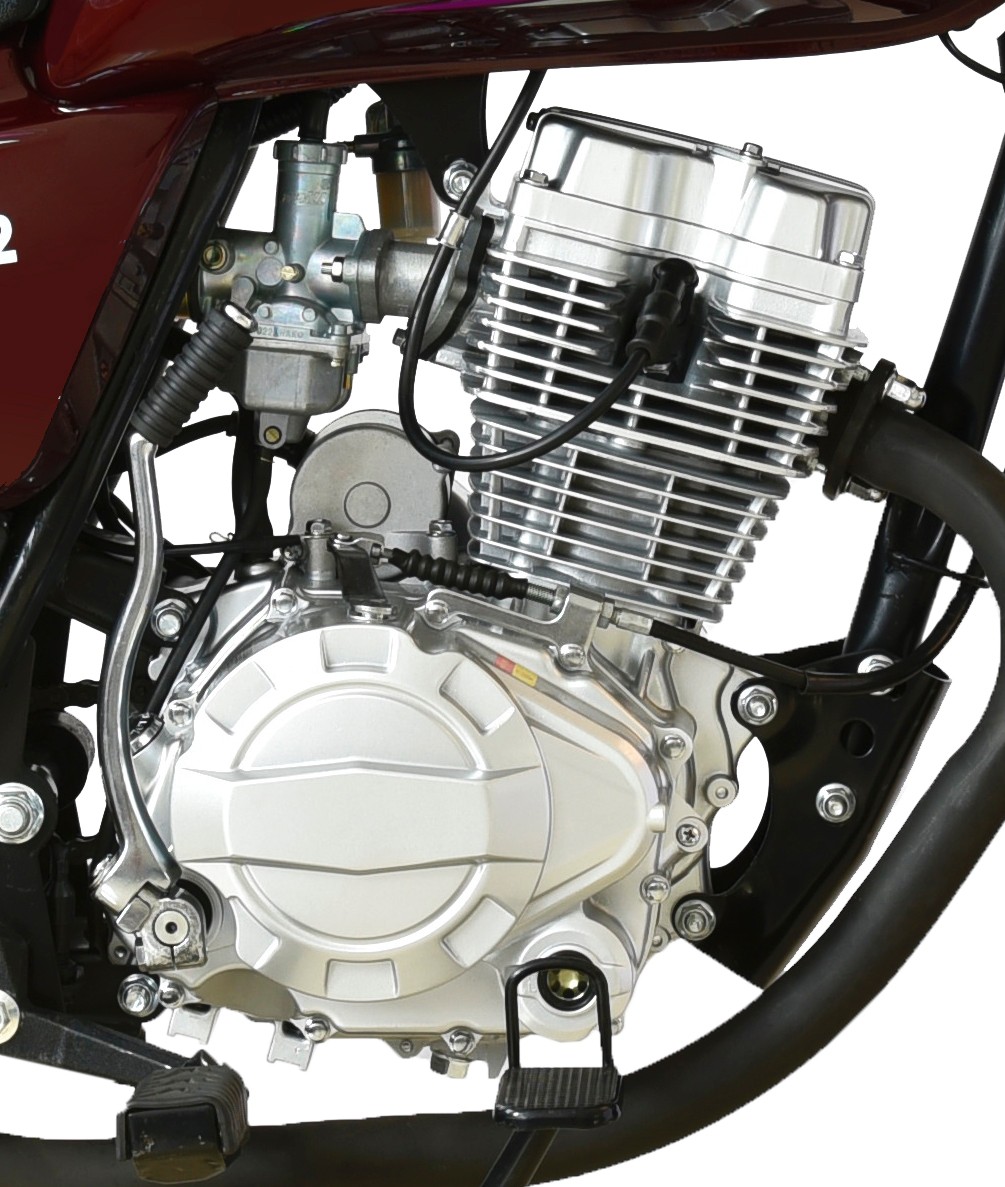
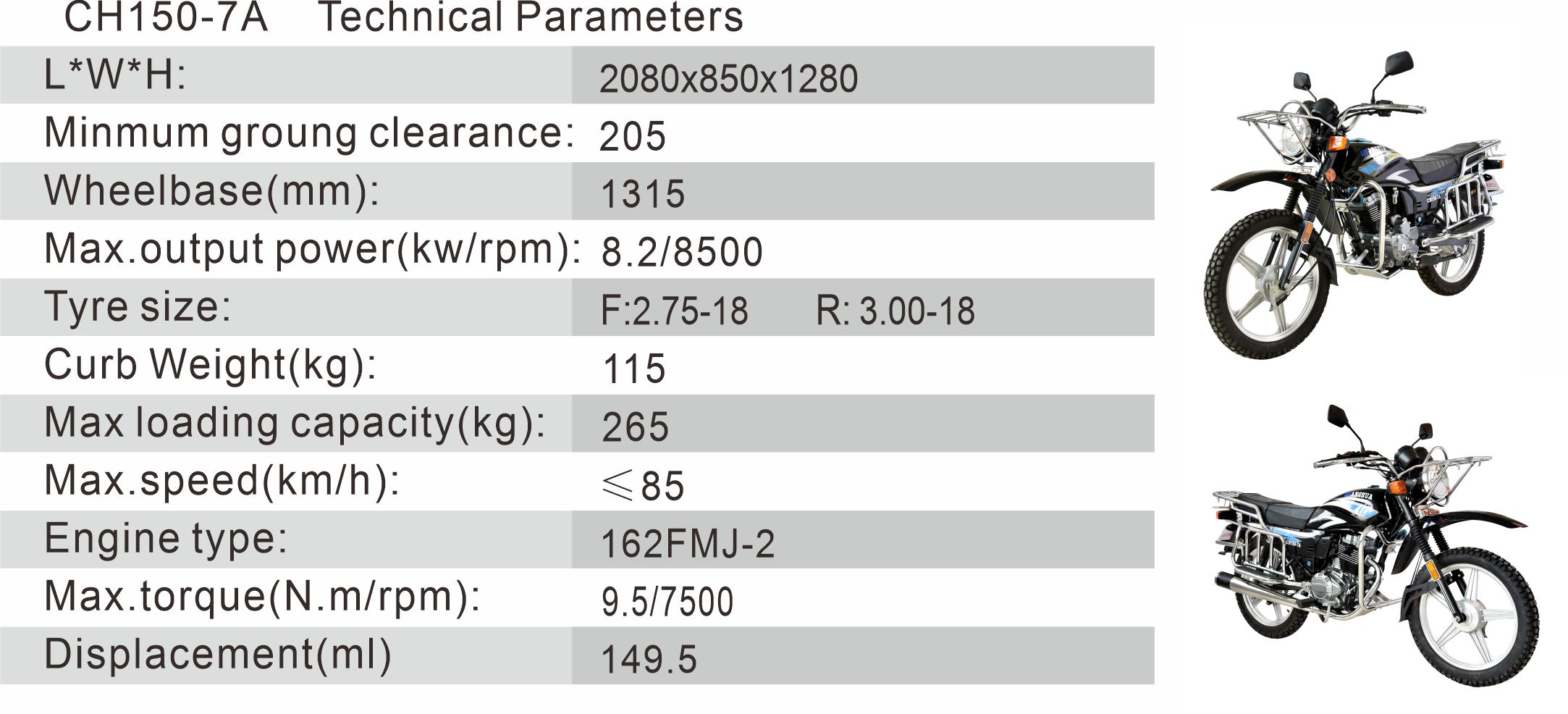
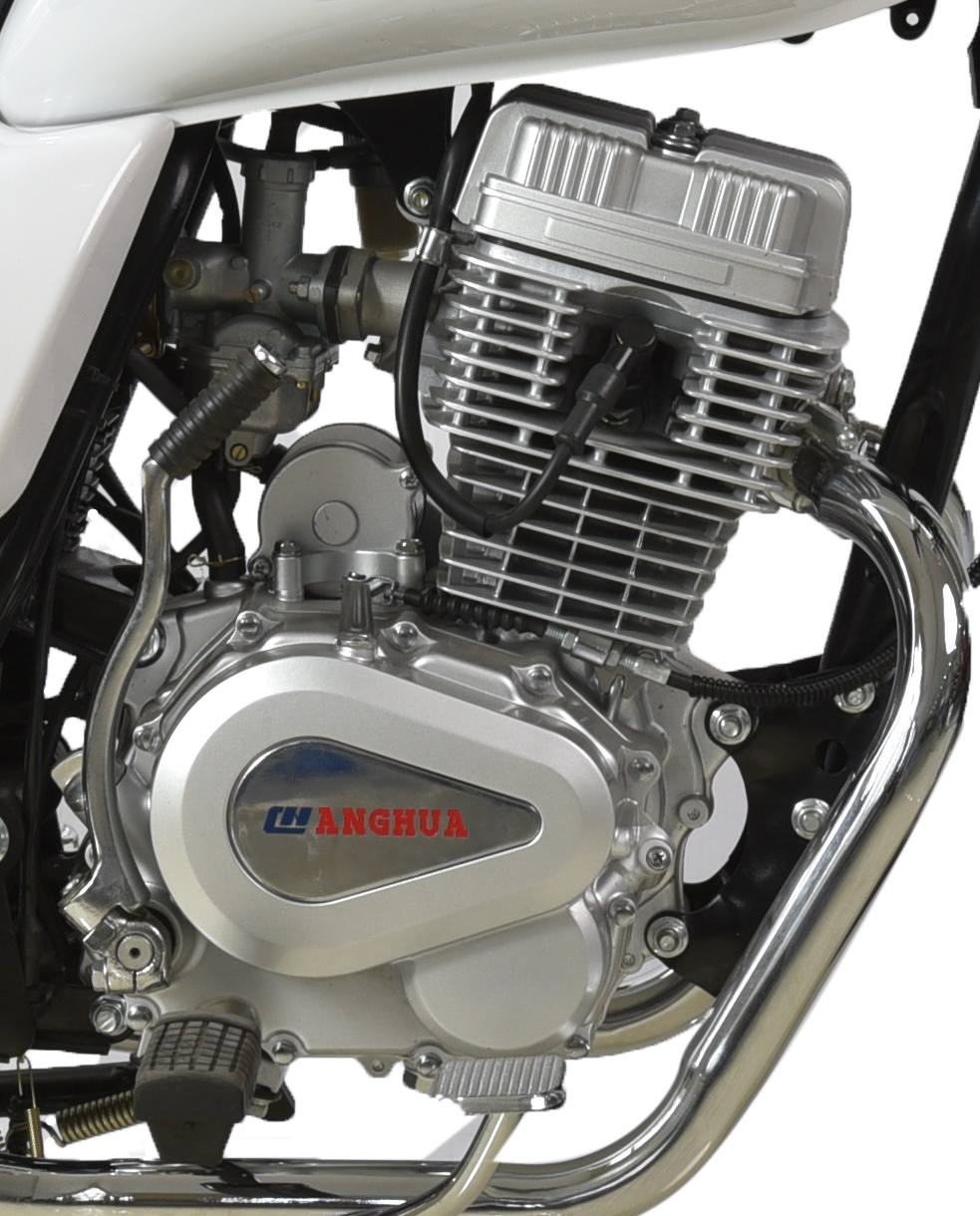
When negotiating with manufacturers, the engine configuration dictates both the unit cost and the target market viability. At the 150cc-200cc tier, buyers must clearly specify cooling methods, fuel delivery systems, and vibration management.
| Engine Feature | Standard Commuter (150cc) | Premium / Sport (200cc) |
|---|---|---|
| Cooling System | Air-cooled | Liquid-cooled or Oil-cooled |
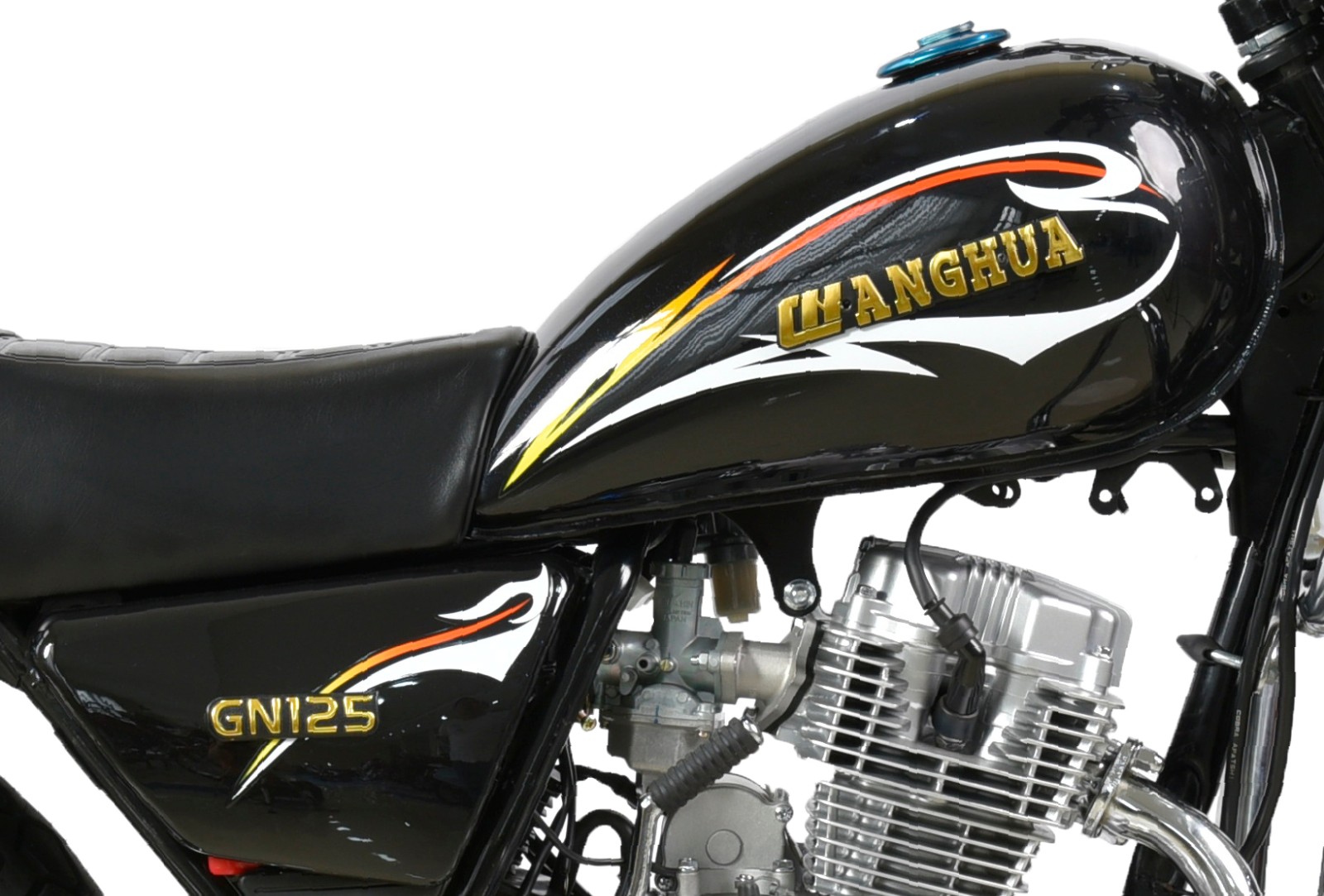
| Fuel Delivery | Carburetor (PZ27/PZ30) | Electronic Fuel Injection (EFI) |
| Valve Train | OHV / SOHC (2-valve) | SOHC / DOHC (4-valve) |
| Vibration Control | Standard mounting | Internal counter-balance shaft |
For markets with stringent emissions regulations, specifying a recognizable EFI system (such as Bosch, Delphi, or a proven domestic equivalent) is non-negotiable. Furthermore, engines equipped with counter-balance shafts significantly reduce rider fatigue, a major selling point for both commercial fleet buyers and retail consumers.
Manufacturing Standards and Quality Control
Motorcycle manufacturing involves complex assembly lines where quality is won or lost at multiple checkpoints. Frame welding, electrical harness routing, and final engine tuning are common failure points in lower-tier factories.
Before committing to a production run, comprehensive factory audits are essential to verify the supplier's robotic welding capabilities, testing equipment, and overall quality management systems.
Key Factory Floor Inspections
- Chassis Welding: Look for robotic MIG/TIG welding on primary frame stress points rather than manual welds.
- Engine Run-in Testing: Verify that 100 percent of assembled engines undergo dyno or run-in testing before chassis installation.
- Electrical Harness: Ensure waterproof connectors are used, especially for EFI and ABS modules.
- Paint and Coating: Check for electrophoretic coating (E-coating) on frames to prevent internal rust.
Implementing strict quality control & inspection protocols during assembly—not just pre-shipment—prevents systemic defects from being packed into your containers.
Ensure your motorcycle manufacturing meets international standards from frame welding to final assembly.
Talk to our teamHomologation and Customization
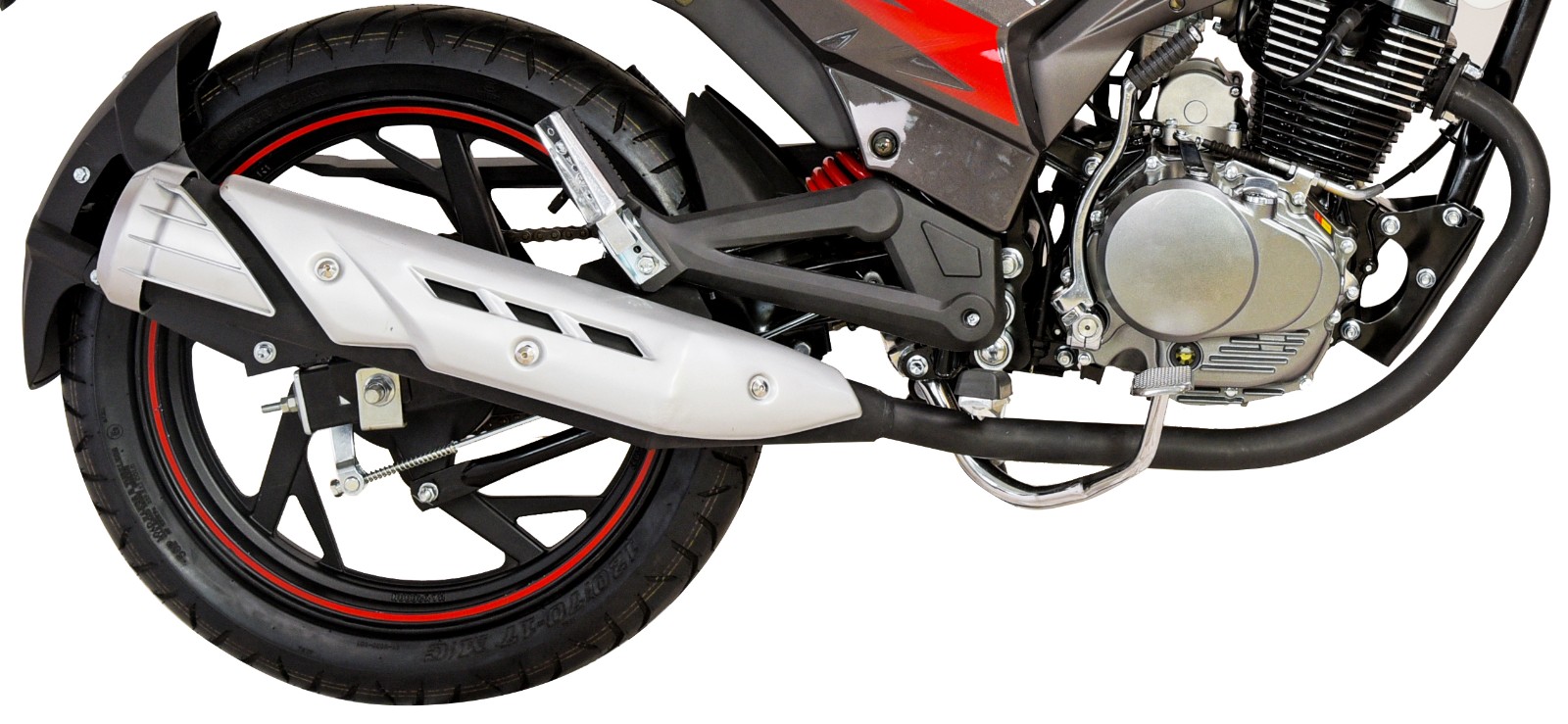
Importing motor vehicles requires strict adherence to local regulatory standards. Whether you require EPA/DOT certification for North America or Euro 5 compliance for European markets, the factory must possess the capability to produce compliant exhaust systems, evaporative emission control systems (EVAP), and ABS braking setups.
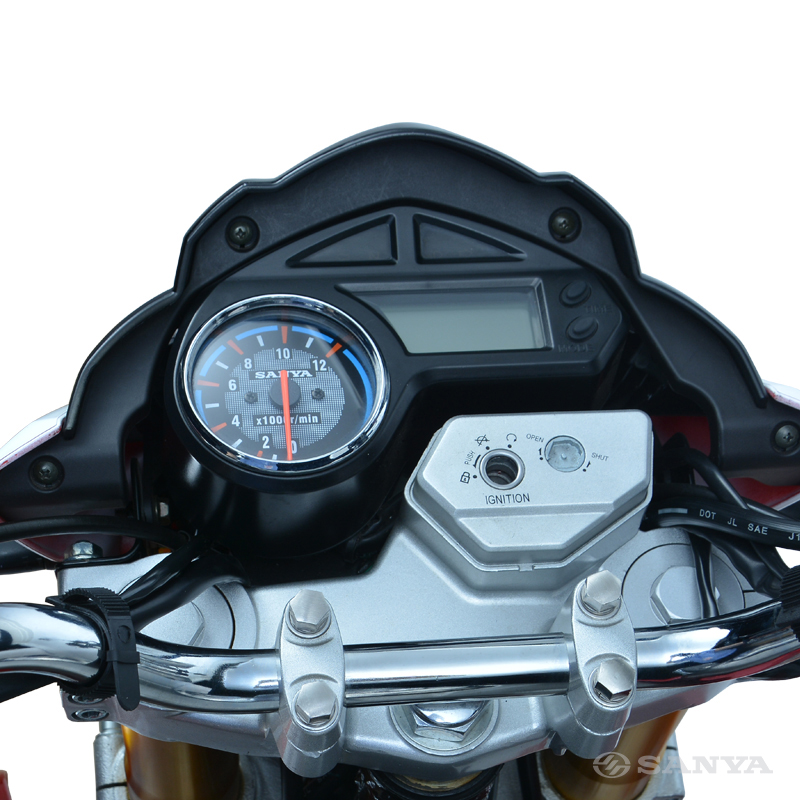
If you are developing a proprietary brand, engaging in OEM/ODM services allows you to customize bodywork, digital displays, and lighting without re-engineering the core chassis. However, any structural or engine modifications will require new homologation testing. Working with partners who understand compliance & testing ensures your custom designs won't get blocked at customs.
Pricing, Shipping Formats, and Lead Times
Motorcycle logistics heavily influence your landed cost. Buyers must decide between shipping units as CBU (Completely Built Up), SKD (Semi-Knocked Down), or CKD (Completely Knocked Down). CKD and SKD formats drastically increase container density and often benefit from lower import tariffs, though they require local assembly infrastructure in the destination country.
Optimize your container loading strategies and negotiate better terms with verified motorcycle manufacturers.
Get a free consultationFrequently Asked Questions
Sourcing 150cc-200cc motorcycles is about balancing upfront unit costs with long-term reliability and after-sales support. By meticulously verifying factory capabilities, specifying the right technical components, and optimizing your shipping format, you can build a highly profitable and resilient vehicle supply chain.
Get Sourcing Help for 150cc-200cc
Tell us your requirements and our experts will connect you with verified manufacturers.