Technical Specifications
Product Overview
High-Efficiency Monocrystalline Solutions
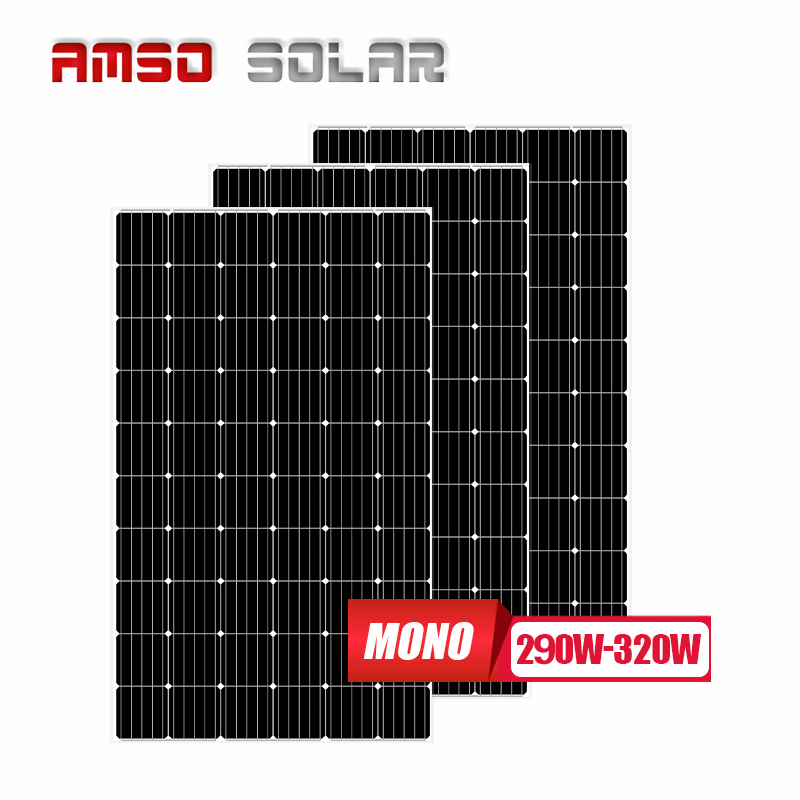
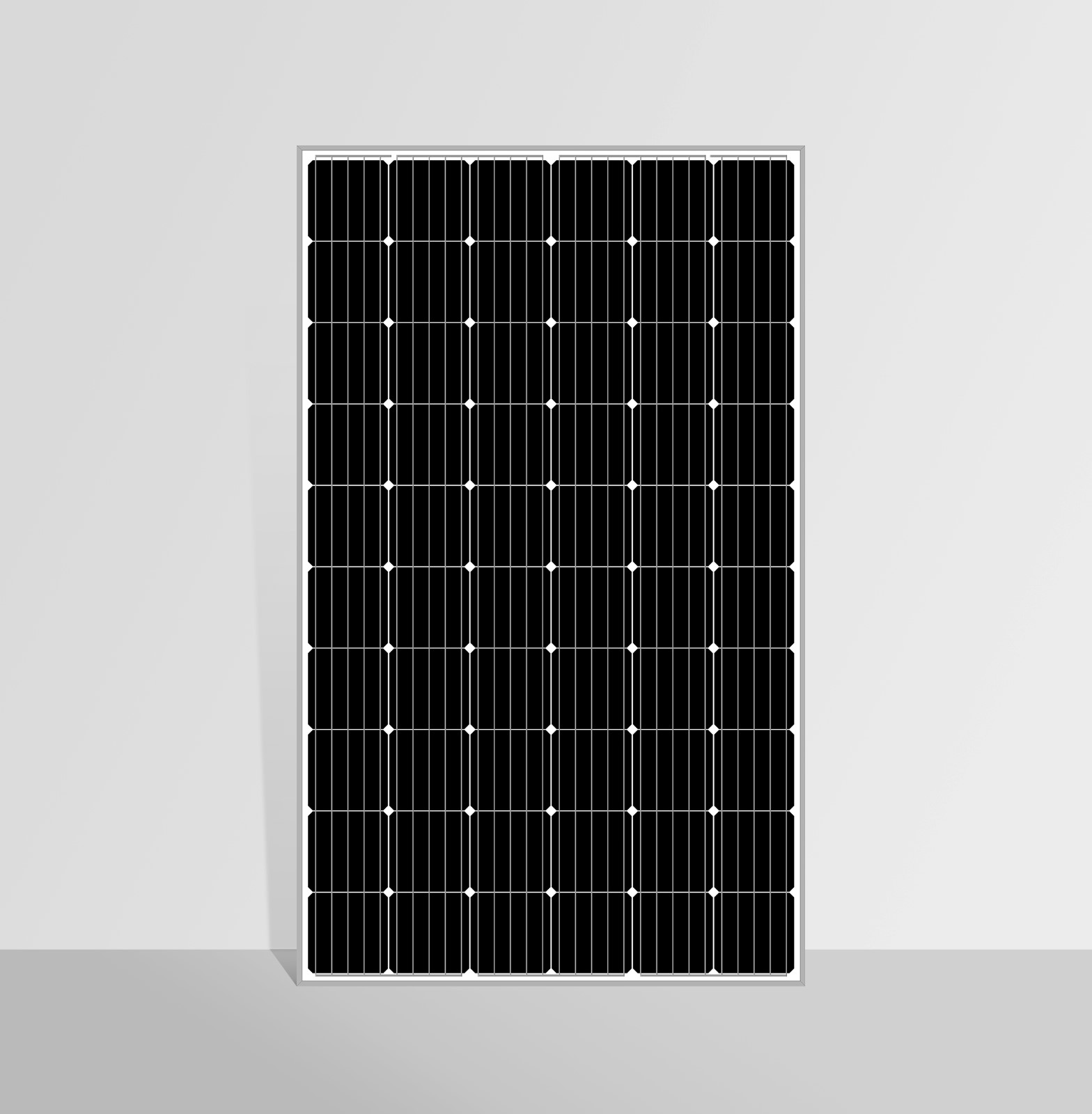
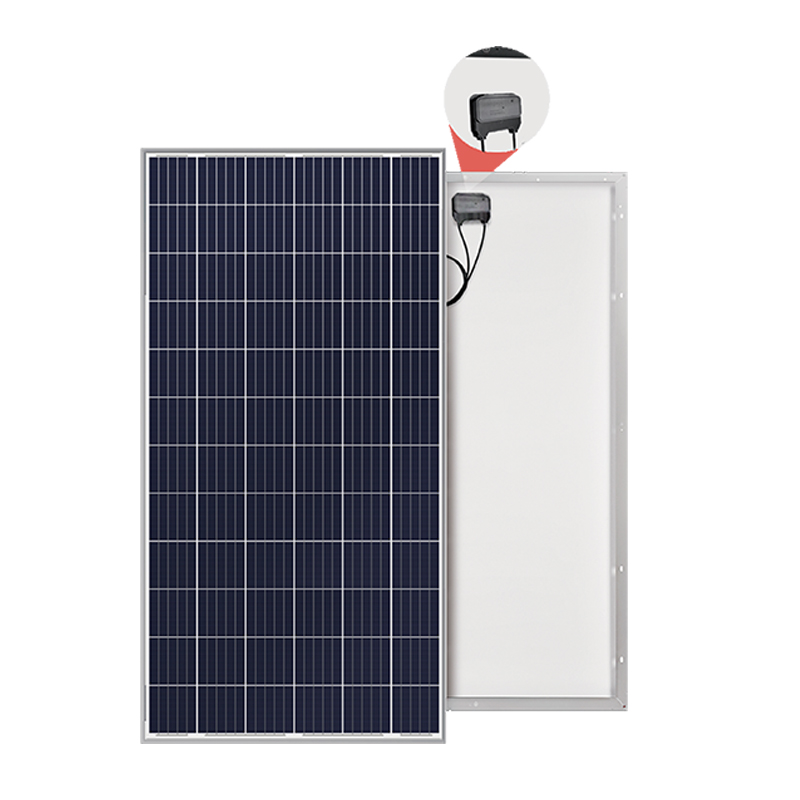
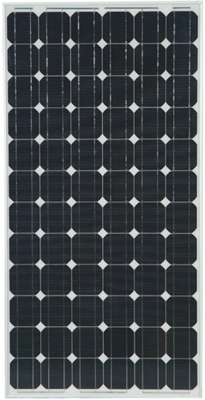
These standard-size monocrystalline solar panels are engineered for both residential and commercial applications, offering a versatile power range from 260W to 320W. Utilizing mature 60-cell production techniques, they ensure high reliability and seamless integration into existing grid-tied or off-grid systems. The panels feature advanced glass texturing and high-transmissivity materials to maximize energy yield even in low-light conditions.
Key Performance Metrics
Performance Highlights
320 W
Max Power Output
20.37 %
Module Efficiency
60 pcs
Cell Count
5,400 Pa
Snow Load
Technical Specifications
Electrical Parameters
| Parameter | Value |
|---|---|
| Power Range | 260W - 320W |
| Cell Type | Monocrystalline Silicon |
| Module Structure | 60 Cells (Standard) |
| System Voltage | 1000V / 1500V DC |
| Fuse Rating | 15A |
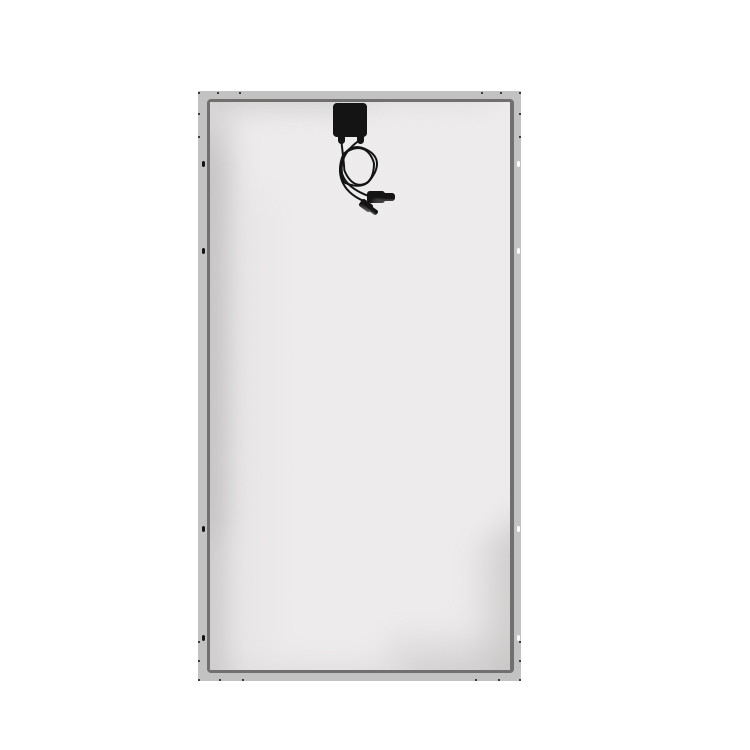
| Junction Box | IP67/IP68 rated with 3 bypass diodes |
| Connectors | MC4 Compatible |
Construction & Durability
Build Quality
- Anti-reflective glass with 92% light transmittance
- Anodized aluminum alloy frame for corrosion resistance
- High flame-resistant TPT back sheet
- UV resistant against aging
- PID-free treatment available upon request
- Wind load resistance up to 2400 Pa

Certifications & Warranty
Compliance & Protection
CETUVIECISOUL Certified12-Year Workmanship25-Year Linear Power
Thermal Characteristics
Temperature Ratings
- Operating Temperature: -40°C to +85°C
- NMOT: 41±3°C
- PMAX Temp Coefficient: -0.37%/°C
- VOC Temp Coefficient: -0.29%/°C
- ISC Temp Coefficient: 0.05%/°C
Application Benefits
Core Advantages
- Standardized dimensions for high compatibility across manufacturers
- Mature production techniques ensuring consistent quality control
- Optimized for rooftop, residential, and utility-scale projects
- Excellent performance in weak light environments
- Low resistance half-cell structure options for improved LCOE