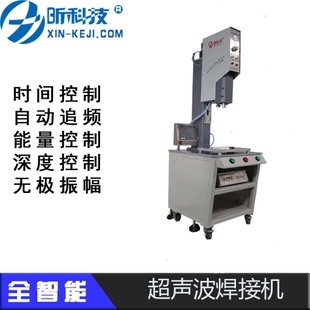
Welding and Cutting Equipment
Source industrial-grade welding and cutting equipment from vetted manufacturers and wholesale suppliers. Built for importers, distributors, and brands seeking reliable OEM production, our network delivers high-performance machinery engineered for precision, durability, and compliance with international safety standards.
Sourcing welding and cutting equipment at scale requires balancing unit cost with thermal reliability and electrical safety. The core challenge in bulk procurement lies in verifying that a manufacturer's stated duty cycles and internal component specifications hold up under continuous industrial use, rather than just under peak laboratory conditions.
Critical Specifications and Internal Components
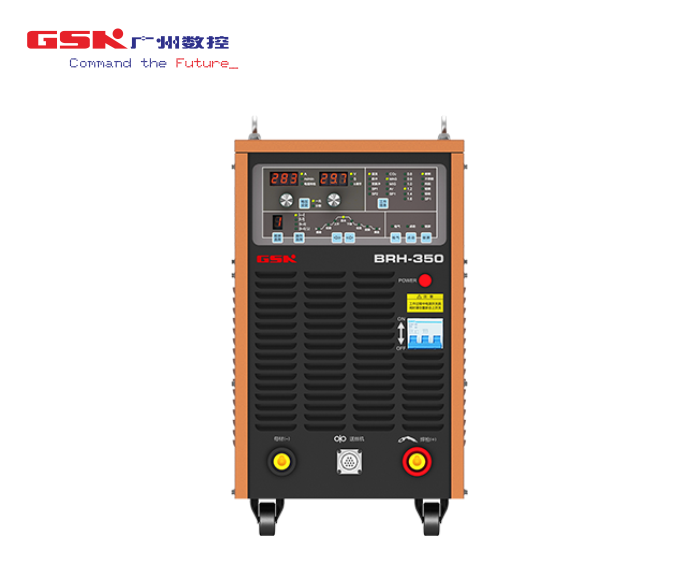
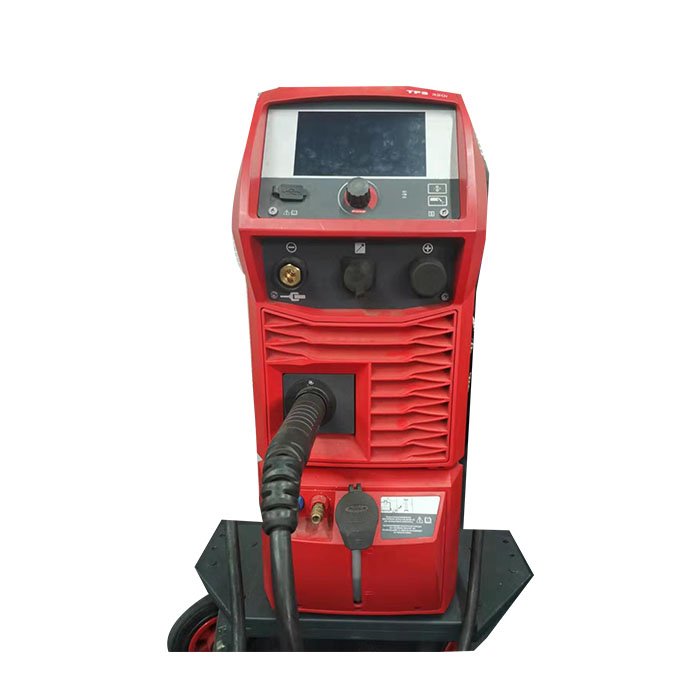
When evaluating suppliers for inverter welders or plasma cutting machinery, the external casing is largely irrelevant compared to the internal architecture. Factories often adjust internal components to meet target price points, which directly impacts the machine's lifespan and actual output.
Inverter Technology: IGBT vs. MOSFET
Modern welding equipment relies heavily on inverter technology. While older or budget-focused factories may still use MOSFETs, Insulated Gate Bipolar Transistors (IGBT) are the standard for industrial applications due to their higher voltage and current capabilities. When specifying requirements, mandate single-tube IGBTs from reputable component brands rather than generic alternatives.
| Component / Feature | Budget / Light Commercial | Industrial Grade |
|---|---|---|
| Inverter Type | MOSFET or generic IGBT | Branded single-tube IGBT |
| Transformer Winding | Aluminum (prone to overheating) | 100% Copper |
| PCB Protection | Bare or minimal coating | Thick conformal coating |
| Thermal Management | Standard AC fans, thin heat sinks | High-CFM DC fans, heavy-duty aluminum sinks |
Verifying Duty Cycle Claims
Duty cycle is the most manipulated specification in this category. A machine rated for 200A at a 60 percent duty cycle must be able to run continuously at 200 amps for six minutes out of a ten-minute period without triggering thermal overload. Budget manufacturers often test duty cycles at 20°C (68°F) ambient temperature, while industrial standards require testing at 40°C (104°F). Always specify the ambient temperature requirement in your purchasing contract.
Need help verifying supplier claims? We can audit factory testing protocols and ensure your specifications are met before production begins.
Talk to our teamManufacturing Quality and Factory Validation
A reliable factory does not just assemble parts; they have rigorous incoming quality control (IQC) for electronic components and robust end-of-line testing. When conducting Factory Audits, pay close attention to the testing environment.
Factory Floor Verification Points
- Load Bank Testing: Ensure the factory tests every unit under simulated load, not just simple power-on tests.
- PCB Assembly: Look for automated SMT (Surface-Mount Technology) lines rather than manual soldering for main boards.
- Conformal Coating: Verify that PCBs are coated to protect against metallic dust and moisture common in fabrication shops.
- Dielectric Strength Testing: Confirm high-voltage (hipot) testing is performed to ensure casing insulation safety.
If you are developing a private-label line, OEM/ODM Services can help you customize the digital interface, synergic programming, and casing design. However, structural changes to the casing must not compromise the internal airflow designed to cool the heat sinks.
Compliance and Quality Control
Electrical safety and electromagnetic compatibility (EMC) are non-negotiable for importing welding and cutting equipment. Depending on your market, machines must comply with CE (LVD and EMC directives), RoHS, or CSA/UL standards.
Certification Verification
Never accept a CE mark at face value. Always request the full test report from a recognized third-party laboratory. Many factories self-certify or apply CE marks to modified designs that have not been re-tested.
Implementing strict Quality Control & Inspection before shipment is vital. Pre-shipment inspections should include continuous load testing on a random sampling of the order to verify that thermal cutoff switches function correctly and that the actual amperage matches the digital display.
Typical MOQs, Pricing, and Lead Times
Production timelines and minimum order quantities vary based on the level of customization and the complexity of the machinery.
Streamline your supply chain. Let us handle supplier negotiation, component verification, and pre-shipment inspections for your next order.
Get a free consultationFrequently Asked Questions
Successfully sourcing welding and cutting machinery requires moving past the spec sheet and verifying the actual engineering inside the box. By focusing on component quality, thermal management, and rigorous load testing at the factory level, you protect your brand from costly field failures and safety liabilities.
Get Sourcing Help for Welding and Cutting Equipment
Tell us your requirements and our experts will connect you with verified manufacturers.