Satellite Communication Equipment
Source high-performance Satellite Communication Equipment directly from vetted Chinese manufacturers and suppliers. Designed for importers, distributors, and brands seeking reliable wholesale procurement or custom OEM/ODM production. Ensure seamless connectivity and compliance with our expert supply chain solutions.
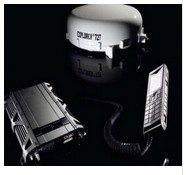
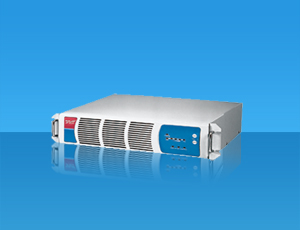
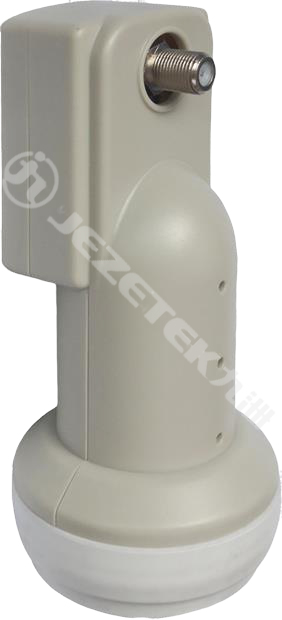
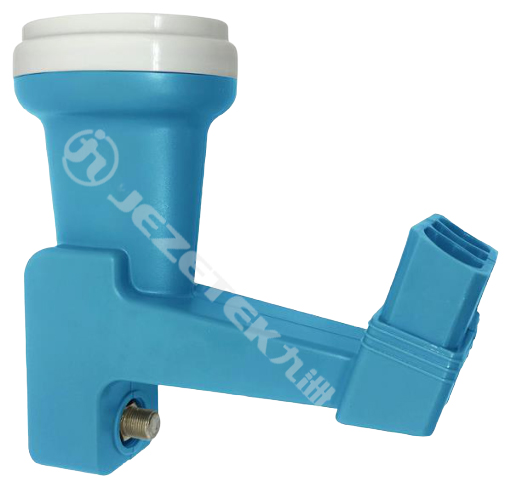
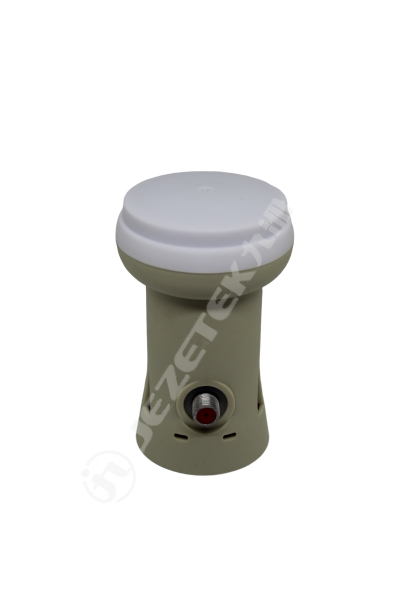
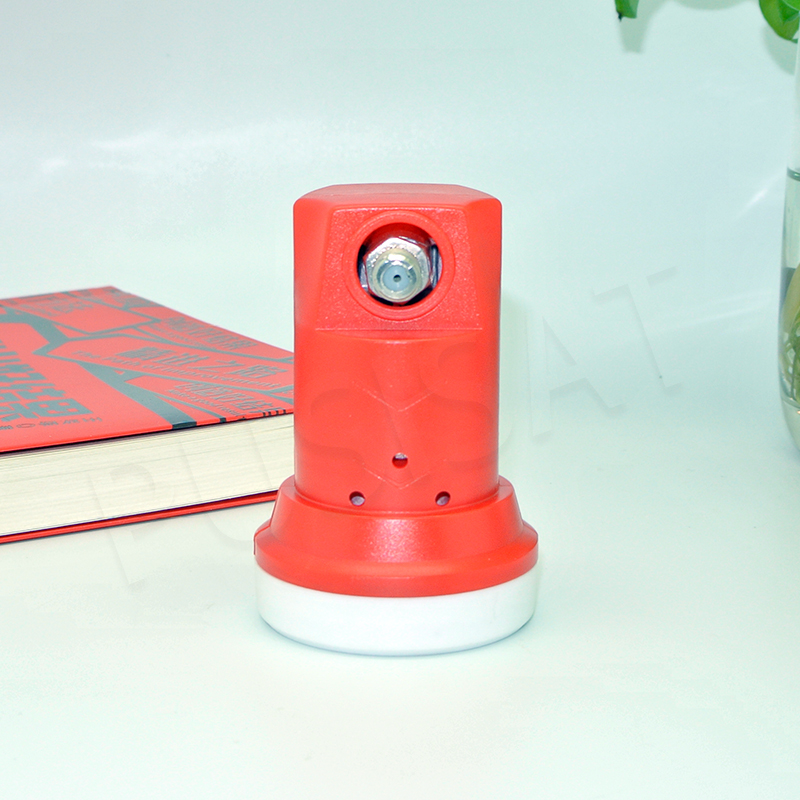
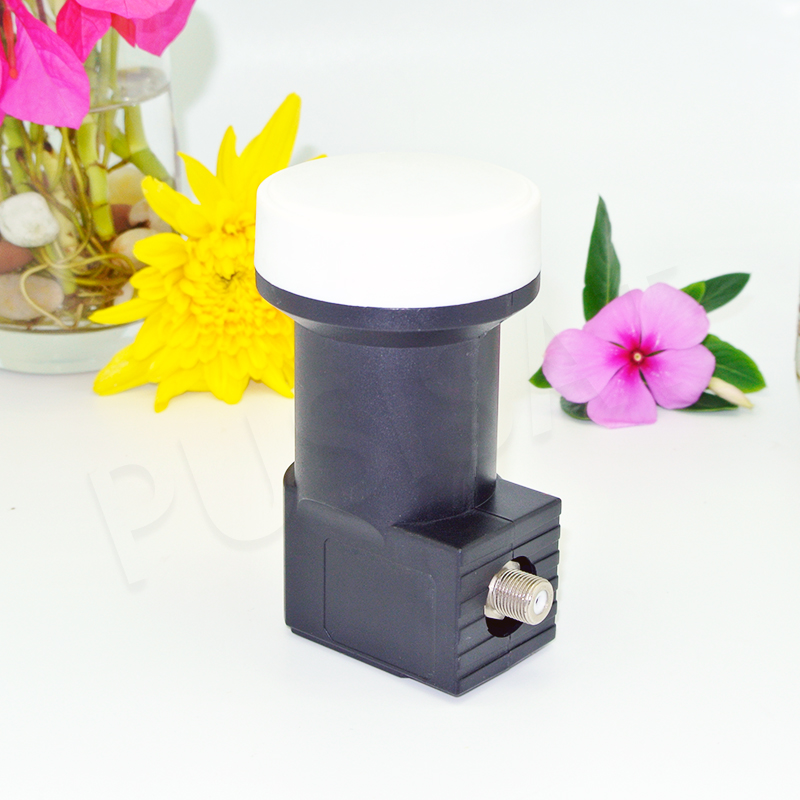
Sourcing satellite communication equipment requires navigating strict RF tolerances, complex environmental durability standards, and rigorous regulatory compliance. Whether you are procuring VSAT terminals, BUCs (Block Upconverters), LNBs (Low Noise Block downconverters), or marine stabilized antennas, securing reliable manufacturing partners is critical. In this tier of electronics, unit price is secondary to signal integrity, network uptime, and consistent batch-to-batch precision.
Critical Specifications for Bulk Procurement
When engaging with manufacturers, vague specifications lead to catastrophic failure in the field. Satellite hardware operates in extreme environments and must maintain precise pointing and transmission metrics. You must clearly define the technical parameters before requesting quotations or sampling.
| Frequency Band | Typical Range | Common Sourcing Applications |
|---|---|---|
| C-Band | 4 to 8 GHz | Heavy rain regions, large fixed earth stations |
| Ku-Band | 12 to 18 GHz | Enterprise VSAT, maritime, broadcast uplinks |
| Ka-Band | 26 to 40 GHz | High-throughput consumer/enterprise broadband |
| L-Band | 1 to 2 GHz | Mobile satellite services (MSS), GPS, telemetry |
Beyond the frequency band, your RFQs must specify:
- G/T (Figure of Merit): The ratio of antenna gain to system noise temperature. Specify the required dB/K at your target elevation angle.
- Phase Noise: For BUCs and LNBs, specify acceptable phase noise at various offsets (e.g., under -85 dBc/Hz at 10 kHz).
- Tx/Rx Isolation: Cross-polarization isolation must typically exceed 30 dB to prevent interference.
- Environmental Ratings: Radomes and outdoor units (ODUs) must meet IP67 or IP68 standards, with specified operational temperature ranges (commonly -40°C to +55°C).
Ensure your technical requirements are met by vetted satellite equipment manufacturers.
Talk to our teamManufacturing Tolerances and Quality Control
The difference between a functional prototype and a reliable production run lies in the factory's machining tolerances and RF testing infrastructure. Waveguide components, for instance, require CNC machining with tolerances often tighter than 0.01mm; any deviation causes insertion loss and standing wave ratio (VSWR) degradation.
To ensure consistent output, implementing rigorous Quality Control & Inspection is non-negotiable.
Incoming Material Inspection (IQC)
Verification of raw materials, specifically checking the purity of aluminum for reflectors and the specifications of GaAs/GaN semiconductors for amplifiers.
In-Process Precision Checks
Measuring CNC waveguide tolerances and automated optical inspection (AOI) of PCB assemblies for the indoor units (IDUs).
Anechoic Chamber Testing
Every production batch should undergo sample testing in an anechoic chamber to verify antenna radiation patterns, gain, and side-lobe compliance.
Environmental Stress Screening (ESS)
Thermal cycling and vibration testing to simulate launch or transit conditions, ensuring solder joints and mechanical assemblies hold.
Compliance and Certification
Satellite communication equipment is heavily regulated. Importing non-compliant hardware can result in customs seizures or severe network interference penalties. Your supplier must be capable of producing equipment that passes strict regional standards. If you are developing a custom product, early Compliance & Testing is vital.
Key Certifications to Verify
- FCC Part 25 (Satellite Communications) for the US market
- ETSI EN 301 428 (Ku-band VSAT) or EN 301 459 (Ka-band) for Europe
- CE Mark (including RED, EMC, and LVD directives)
- RoHS and REACH compliance for material safety
- MIL-STD-810G (if targeting ruggedized or defense-adjacent sectors)
Pricing, MOQs, and Lead Times
Because satellite equipment relies on specialized components (like Gallium Nitride power amplifiers) and extensive calibration, manufacturing lead times are longer than standard consumer electronics. Conducting thorough Factory Audits before placing large orders is highly recommended to verify the supplier actually possesses the required RF testing equipment, rather than outsourcing it.
Pricing is highly dependent on the frequency band and the power output. A 3W Ku-Band BUC will cost significantly less than a 40W Ka-Band equivalent. When negotiating, ensure the quoted price includes the specific testing reports and compliance certificates you require, as factories may quote a lower price for "untested" or non-certified units.
Optimize your procurement strategy and negotiate better terms with tier-one suppliers.
Get a free consultationFrequently Asked Questions
Sourcing satellite communication equipment is an engineering-first procurement challenge. Success depends on partnering with factories that treat RF calibration and environmental sealing as core competencies, rather than afterthoughts. By verifying a supplier's testing infrastructure and strictly defining your technical tolerances, you can secure reliable, high-margin hardware for your network or distribution channels.
Get Sourcing Help for Satellite Communication Equipment
Tell us your requirements and our experts will connect you with verified manufacturers.