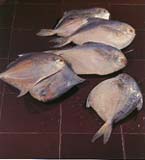
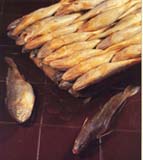
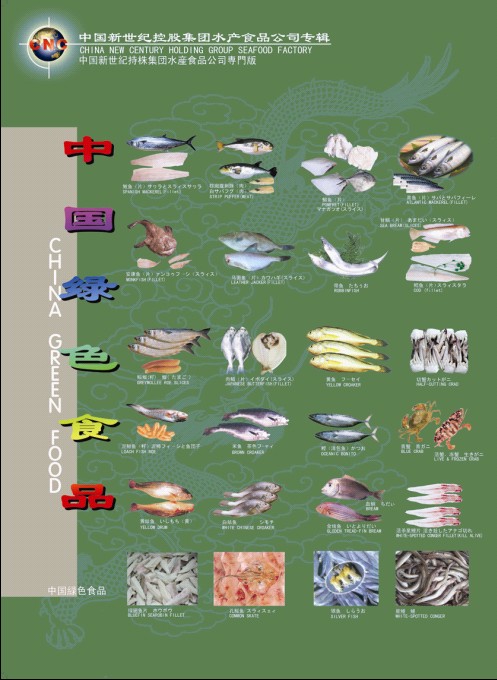
Other Fish
Source premium bulk Other Fish from vetted suppliers and manufacturers across Asia's top aquaculture and wild-catch regions. Designed for seafood importers, distributors, and food service brands, our network delivers reliable processing, strict cold-chain compliance, and private-label packaging to meet your exact wholesale requirements.
When sourcing regional, seasonal, or specialty fish species outside the primary commodity markets, procurement teams face a highly fragmented supply base. Whether you are importing pelagic species, regional aquaculture products, or specialized bycatch, success depends on aligning species-specific processing capabilities with uncompromising cold-chain infrastructure. Managing varying specifications across different fish profiles requires strict oversight of freezing methods, glazing percentages, and processing yields.
Processing and Freezing Specifications
The commercial viability of specialty fish hinges on how it is handled immediately after harvest. Buyers must clearly define their processing forms—such as Whole Round (WR), Headed and Gutted (HGT), or specific fillet trims—and match these with the appropriate freezing technology for their end market.
| Freezing Method | Best Suited For | Quality Impact | Cost Profile |
|---|---|---|---|
| IQF (Individually Quick Frozen) | Retail fillets, retail-ready portions | Prevents clumping, maintains cellular integrity | Higher processing cost |
| BQF (Block Quick Frozen) | Wholesale processing, HGT, whole round | Excellent protection against freezer burn | Highly cost-effective for bulk |
| FAS (Frozen at Sea) | Wild-catch pelagic and demersal species | Locks in peak freshness immediately upon catch | Premium pricing, limits land-based processing |
Glazing and Net Weight Management
Glazing—the application of a protective water layer over frozen fish—is essential to prevent oxidation and freezer burn. However, it is also the most common area for supplier manipulation. A specification of "10 percent glaze" must explicitly mean 90 percent net fish weight.
Critical Glazing and Yield Specifications
- Define net weight parameters clearly (e.g., 100% net weight vs. 90% net weight with 10% glaze).
- Specify if chemical treatments like STPP (Sodium Tripolyphosphate) are permitted for moisture retention, and set strict maximum residual limits.
- Establish standardized thawing protocols for weight verification prior to shipment.
- Ensure sizing (grams per piece or pieces per kg) is measured based on the unglazed net weight.
Struggling with inconsistent net weights or over-glazing? Let us help you establish and enforce strict processing specifications with reliable processors.
Talk to our teamFactory Standards and Quality Control
Not all seafood processors are equipped to handle varied or seasonal fish species. Processing lines must be adaptable while maintaining strict sanitation controls to prevent cross-contamination, especially when handling species prone to histamine development (scombroid species) or those requiring precise parasite controls.
Before committing to a high-volume contract, thorough factory audits are necessary to verify the facility's HACCP compliance, water treatment capabilities, and traceability systems.
Histamine and Heavy Metal Risks
For certain wild-caught species, temperature abuse during the initial catch phase can lead to elevated histamine levels, which cannot be cooked out or frozen away. Independent compliance testing for histamines, heavy metals (like mercury and cadmium), and microbiological markers is non-negotiable for import clearance in North American and European markets.
Implementing robust quality control directly at the processing facility ensures that glazing ratios, core temperatures, and visual grading meet your specifications before the product is loaded into a reefer container.
Wholesale Purchasing Mechanics
Sourcing frozen seafood requires careful logistical planning, as cold-chain freight represents a significant portion of the landed cost.
Consolidating different species or processing forms into a single container can optimize freight costs, but it requires a supplier with a diverse processing license and strong inventory management. Coordinating these complex shipments is where professional shipping and freight management becomes critical to prevent temperature abuse during port transfers.
Need to consolidate multiple seafood SKUs into a single reefer shipment? We manage the supplier coordination and cold-chain logistics from end to end.
Get a free consultationFrequently Asked Questions
Successfully importing diverse fish species requires more than just finding a competitive price per kilo; it demands rigorous oversight of processing yields, freezing integrity, and cold-chain logistics. By partnering with experts who understand the realities of Asian seafood processing, you can secure reliable supply chains that consistently meet your market's exact standards.
Get Sourcing Help for Other Fish
Tell us your requirements and our experts will connect you with verified manufacturers.