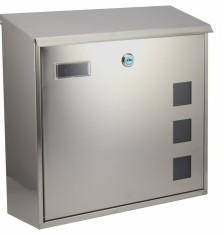
Other Business Automation Equipment
Source high-quality Other Business Automation Equipment from vetted manufacturers in China and Asia. Designed for importers, wholesalers, distributors, and brands seeking reliable bulk purchasing and custom OEM/ODM production for specialized enterprise automation hardware.
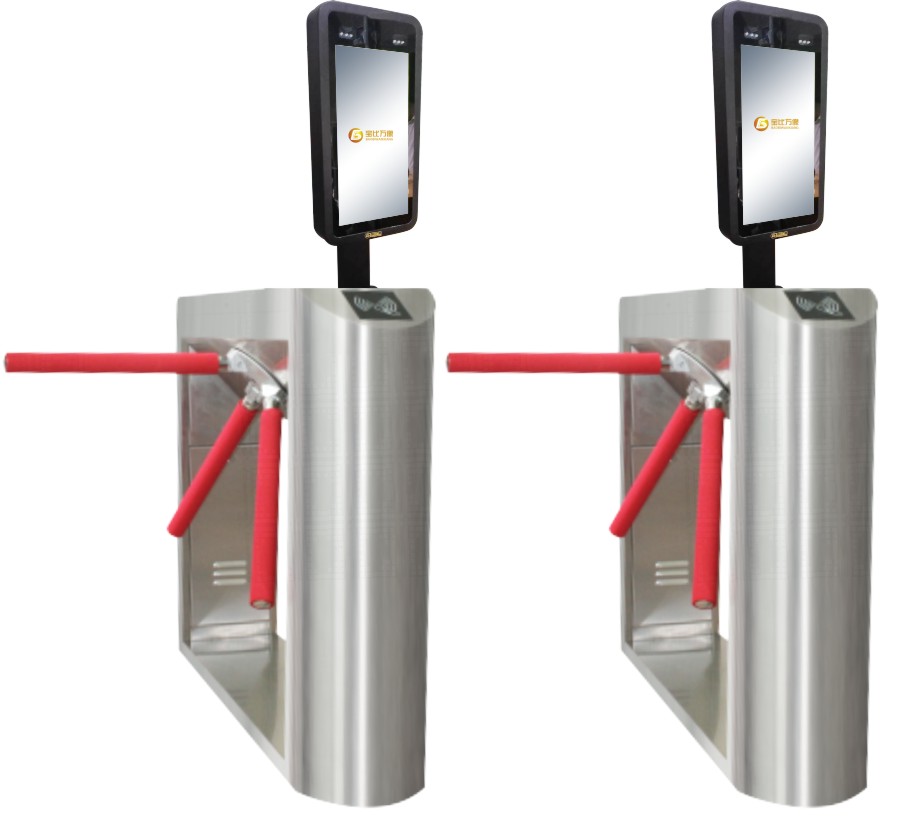
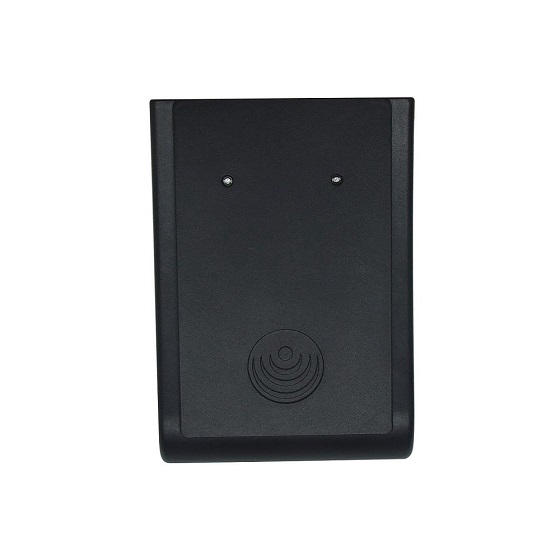
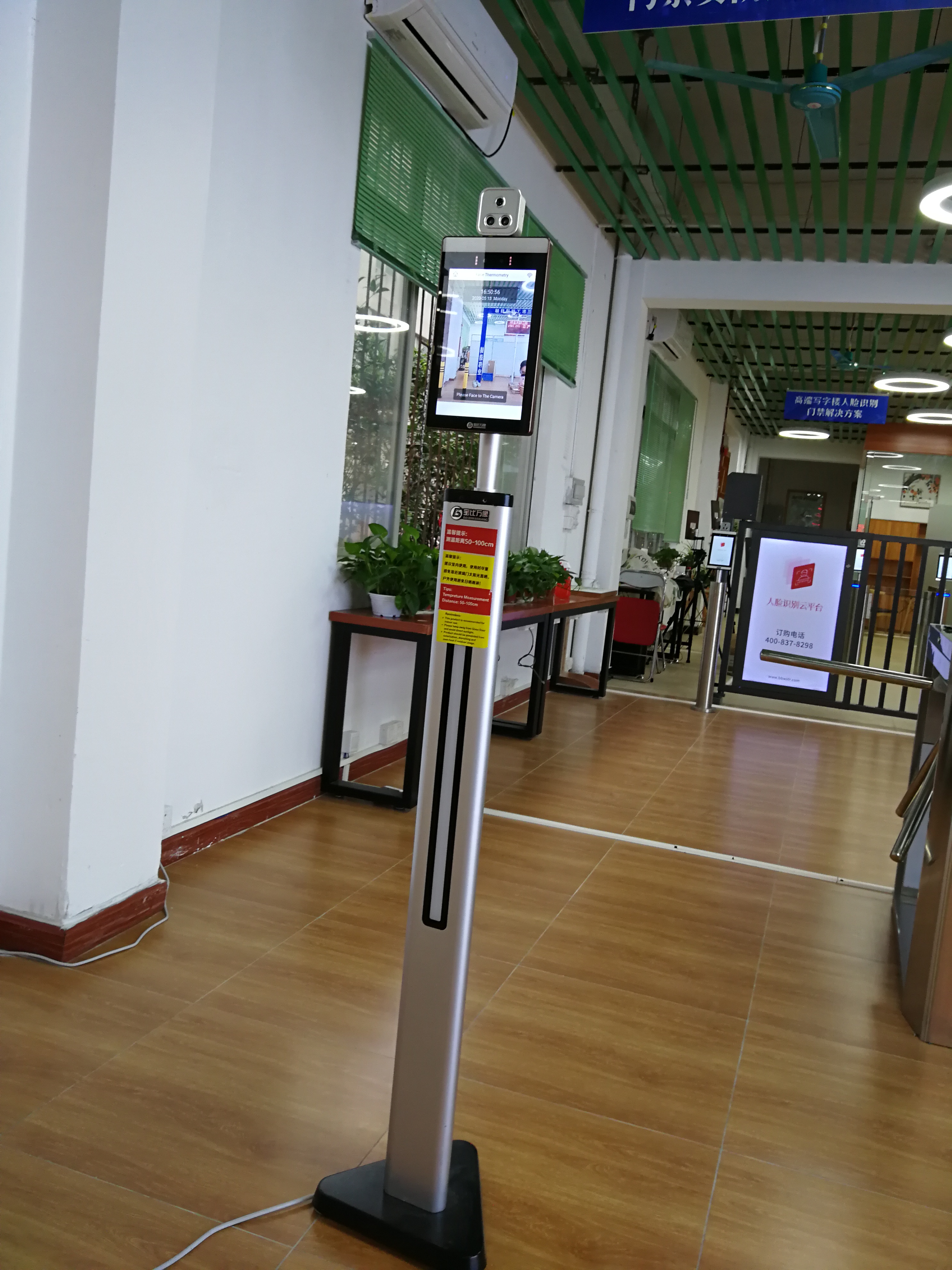
Sourcing specialized or non-standard business automation equipment requires a strict focus on hardware stability, system integration, and supplier engineering capability. Because this category encompasses niche hardware—ranging from custom self-service terminals and smart locker systems to automated document handlers and specialized RFID tracking units—standardized specifications rarely apply. Success depends on aligning physical build quality with reliable firmware and clear integration pathways.
Defining Specs for Niche Automation Hardware
When dealing with specialized automation equipment, the burden of specification falls heavily on the buyer. Factories producing niche equipment often rely on modular components. If you do not explicitly define the peripheral interfaces and processing requirements, the factory will default to the lowest-cost standard configuration.
Critical Hardware Specifications to Define
- Processing & Memory: Specify exact SoC architectures (e.g., RK3288, RK3399 for Android-based equipment) and minimum RAM/ROM to ensure smooth UI/UX.
- Connectivity Modules: Explicitly require specific Wi-Fi standards (Wi-Fi 5 vs. Wi-Fi 6), Bluetooth versions, and 4G/5G cellular bands relevant to your target market.
- Peripheral Interfaces: Detail the required I/O ports (RS232, RS485, Wiegand, GPIO) for integrating external sensors, barcode scanners, or relays.
- Environmental Ratings: Define operating temperature ranges and IP ratings if the equipment will be used in semi-outdoor, industrial, or high-dust environments.
Struggling to translate your software requirements into hardware specifications? Let our engineers help you define a production-ready spec sheet.
Talk to our teamManufacturing Quality and Integration Risks
The primary failure points in specialized business automation equipment rarely involve the outer plastic or metal enclosure; they occur at the Printed Circuit Board Assembly (PCBA) level and during firmware integration.
Many suppliers in this space are purely assembly houses. They purchase mainboards, sensors, and screens from disparate vendors and assemble them into a generic chassis. While this keeps costs low, it introduces massive risks regarding firmware stability and long-term component availability. Thorough Factory Audits are essential to verify whether a supplier has an in-house R&D team capable of maintaining and updating the hardware's SDK or API.
The SDK/API Trap
Never commit to a bulk order without first testing the supplier's SDK (Software Development Kit) or API documentation. A common issue with lower-tier manufacturers is providing outdated, poorly translated, or incomplete SDKs, making it impossible for your software team to integrate the hardware with your existing enterprise systems.
Quality Control Checkpoints
To ensure reliability, strict Quality Control & Inspection must be implemented during the production phase, not just prior to shipment.
- PCBA Testing: Ensure Automated Optical Inspection (AOI) and In-Circuit Testing (ICT) are standard procedures on the SMT line.
- Burn-in Testing: Automation equipment should undergo a minimum 24-to-48-hour aging test at elevated temperatures to catch early silicon failures.
- ESD Protection: Verify that the factory floor utilizes strict Electrostatic Discharge (ESD) protocols, as specialized sensors and microcontrollers are highly sensitive during assembly.
MOQs, Pricing, and Lead Times
Because "other" business automation equipment is highly variable, pricing and production minimums depend entirely on the level of customization required.
| Production Route | Typical MOQ | Lead Time | Customization Level |
|---|---|---|---|
| White-Label (Off-the-shelf) | 100 - 300 units | 20 - 30 days | Logo print, basic firmware flash |
| Light Modification | 500 - 1,000 units | 35 - 45 days | Custom I/O ports, specific module swaps |
| Full Custom OEM/ODM | 1,000+ units | 60 - 90+ days | New tooling, custom PCBA layout |
If you are pursuing full custom hardware, OEM/ODM Services will require significant upfront investment in plastic injection molds or sheet metal tooling. Tooling alone typically takes 30 to 45 days before the first T1 sample is produced.
Need to negotiate lower MOQs for a pilot run of custom automation hardware? We can help structure supplier agreements that scale with your rollout.
Get a free consultationFrequently Asked Questions
Sourcing specialized business automation equipment is an exercise in risk mitigation. By defining exhaustive hardware specifications, validating the supplier's software integration capabilities, and enforcing strict in-line quality control, you can secure reliable hardware that seamlessly powers your enterprise solutions.
Get Sourcing Help for Other Business Automation Equipment
Tell us your requirements and our experts will connect you with verified manufacturers.