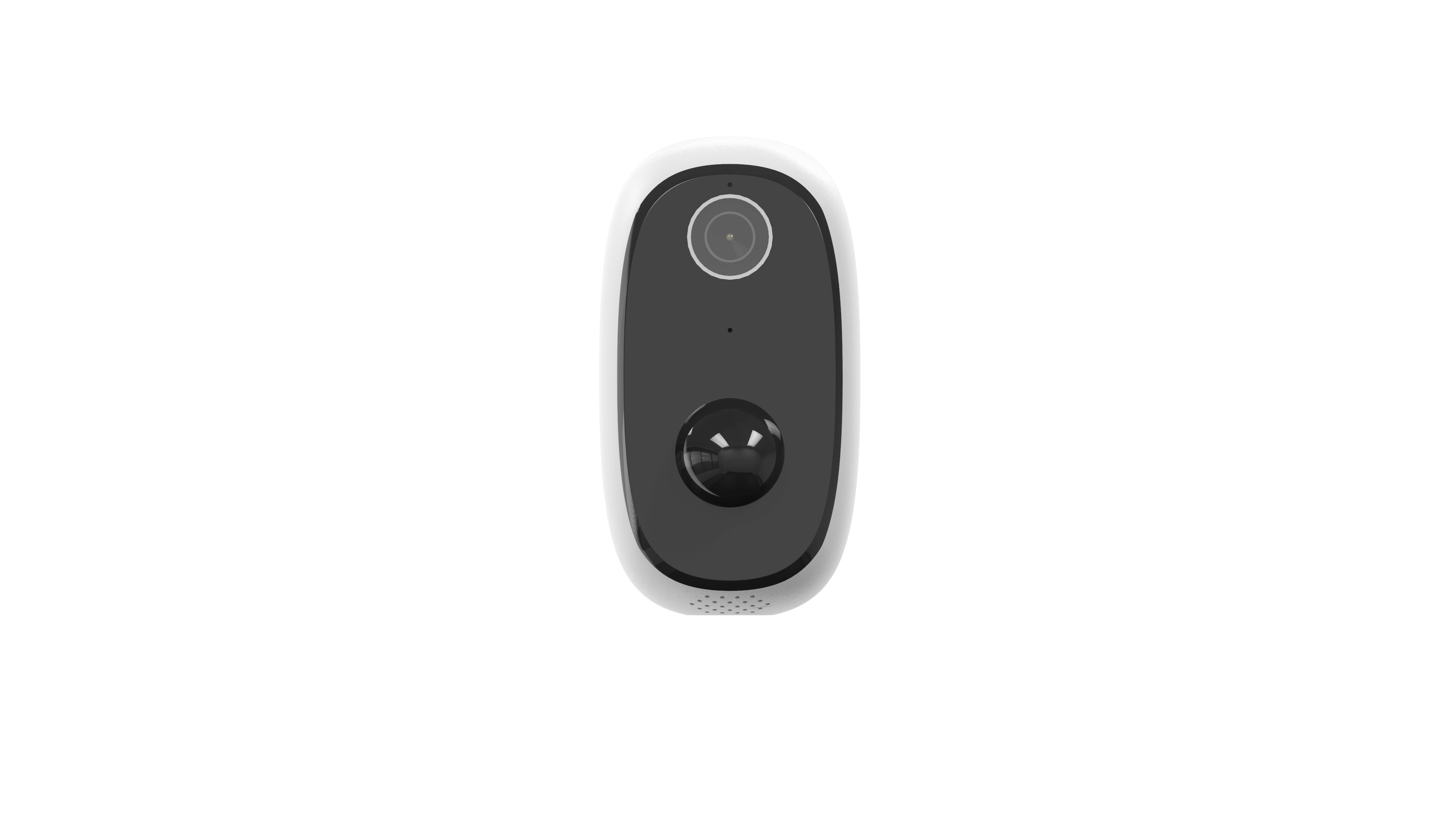
Network Cameras
Source wholesale Network Cameras directly from vetted manufacturers and suppliers. Designed for commercial importers, security system distributors, and surveillance brands seeking reliable OEM and private-label production. Compare factory-direct pricing, technical capabilities, and volume MOQs.
Sourcing network cameras at scale requires navigating a complex supply chain of image sensors, image signal processors (ISPs), and network chipsets. A reliable IP camera is not just a housing and a lens; it is an integrated network device that must deliver stable video streams, handle edge processing, and maintain uptime in harsh environments. For volume buyers, securing consistent component quality and stable firmware is the difference between a successful deployment and costly RMA cycles.
Core Component Specifications
The performance of a network camera is dictated by its internal component stack. Factories often offer the same external housing with vastly different internal boards. You must specify the exact sensor and System on Chip (SoC) combination to ensure consistent low-light performance and encoding efficiency.
| Specification Tier | Image Sensor | SoC / Processing | Typical Application |
|---|---|---|---|
| Entry-Level Commercial | 1/3-inch OmniVision or Smartsens | Basic Novatek (H.265, basic motion) | Indoor retail, standard office |
| Professional Vandal | 1/2.8-inch Sony STARVIS | SigmaStar or Ambarella (Edge AI) | Outdoor perimeter, low-light |
| High-End / Specialized | 1/1.8-inch Sony or larger | Advanced Ambarella (LPR, deep learning) | Traffic monitoring, industrial |
The Sensor and SoC Relationship
The image sensor captures the light, but the SoC dictates what the camera can do with it. If you are sourcing cameras with advanced analytics (like human/vehicle classification), the SoC must have a dedicated Neural Processing Unit (NPU). Furthermore, the SoC handles the H.265+ encoding. A substandard SoC will drop frames or produce excessive bitrates, overwhelming the end-user's NVR or server storage.
Component shortages and unauthorized part substitutions can ruin a production run. Let our technical sourcing team lock in your BOM and manage the factory relationship.
Talk to our teamManufacturing Tolerances and Quality Control
Network camera assembly requires strict environmental controls. The alignment of the lens to the sensor (active alignment) must be performed in a cleanroom to prevent dust ingress, which appears as permanent dark spots on the image.
When arranging quality control and inspection for your orders, go beyond basic power-on tests. Ensure your inspection protocol covers thermal stability and environmental sealing.
Critical Factory QC Checkpoints
- Active Alignment (AA): Verification that the lens is perfectly parallel to the sensor plane to avoid soft focus at the edges.
- Thermal Drift Testing: Ensuring the lens does not shift focus when operating at extreme temperatures (e.g., over 50 degrees Celsius).
- IR Bleed Prevention: Checking the foam gasket isolating the lens from the IR LEDs to prevent internal light reflection at night.
- Ingress Protection (IP): Submersion or high-pressure water testing to verify IP67 ratings on outdoor housings.
- Firmware Stability: Continuous 48-hour burn-in testing to monitor for network dropouts or memory leaks.
Customization and OEM/ODM Production
Most buyers in this space utilize OEM/ODM services to build their brand. While white-labeling an existing factory mold is straightforward, customizing the firmware and user interface requires a supplier with a robust in-house R&D team.
Key customization areas include:
- Web GUI and App Branding: Modifying the camera's internal web server interface with your brand colors and logos.
- ONVIF Profiling: Ensuring the camera's firmware is properly certified for ONVIF Profile S (video), G (storage), and T (advanced streaming) to guarantee compatibility with third-party VMS platforms like Milestone or Genetec.
- Default Bitrate and IP Configurations: Pre-configuring the cameras to your specific network defaults to save installation time for your integrators.
Pricing, MOQs, and Lead Times
Pricing in the network camera market fluctuates based on sensor availability and the cost of copper (for PoE components). When negotiating, be aware that factories will quote based on a specific Bill of Materials (BOM). Always get the BOM in writing.
If you require NDAA-compliant cameras (using chipsets not banned by the US government), expect a price premium of 15 to 30 percent over standard models utilizing HiSilicon or specific prohibited SoCs. Verifying this compliance requires thorough factory audits to ensure the factory isn't quietly substituting restricted components during mass production.
Need to verify a supplier's NDAA compliance or production capacity? We run on-site audits and manage the entire procurement cycle to keep your supply chain secure.
Get a free consultationFrequently Asked Questions
Sourcing network cameras successfully requires looking past the spec sheet and understanding the factory's assembly standards, firmware capabilities, and supply chain integrity. By locking down the BOM and enforcing strict quality control, you can build a reliable surveillance product line that minimizes installation headaches and maximizes field longevity.
Get Sourcing Help for Network Cameras
Tell us your requirements and our experts will connect you with verified manufacturers.