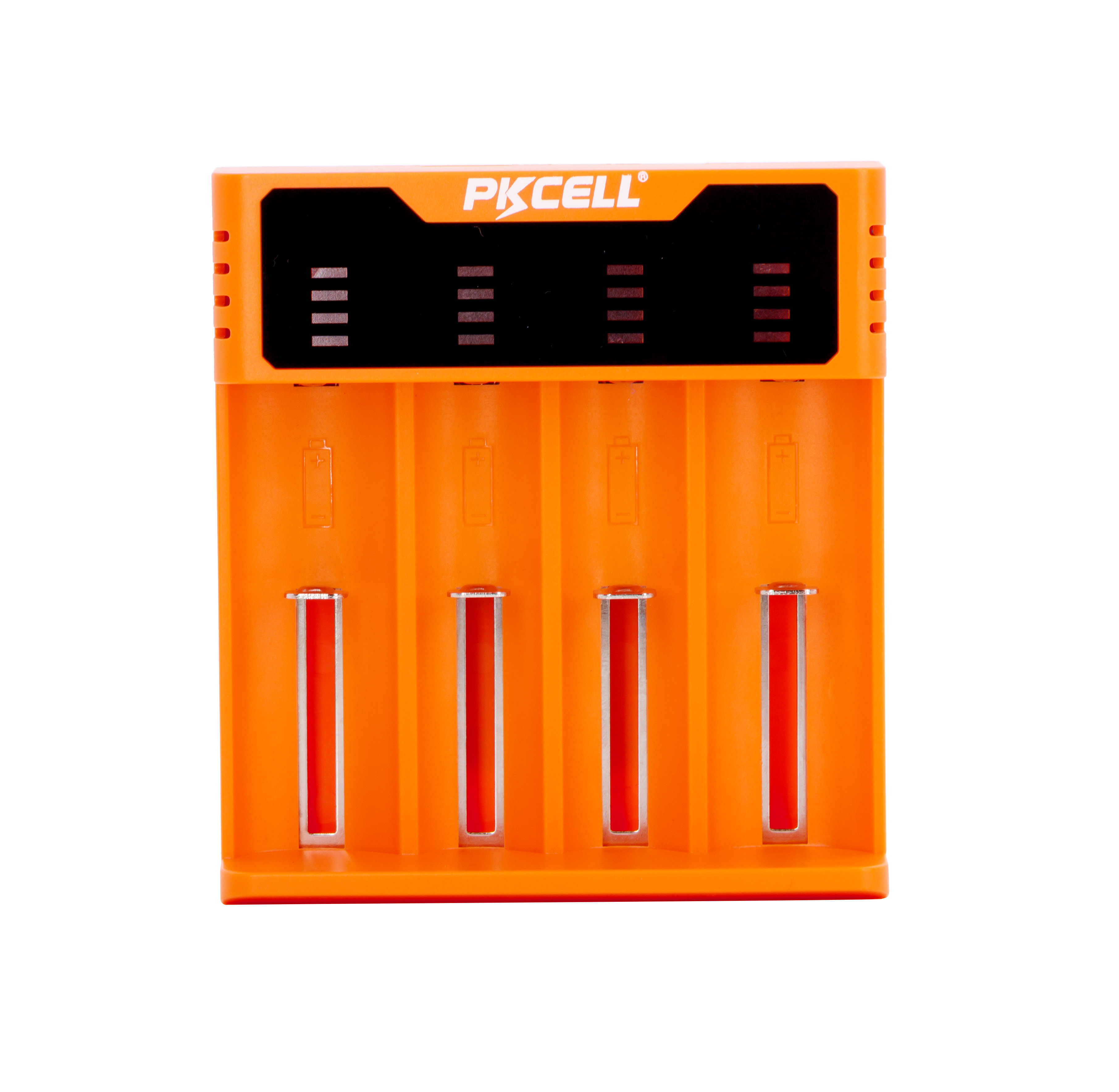
Multifunction Chargers
Source high-performance multifunction chargers in bulk from vetted manufacturers and wholesale suppliers. Designed for importers, distributors, and electronics brands seeking reliable OEM and private-label production, our network delivers compliant, multi-device charging solutions built for global markets.
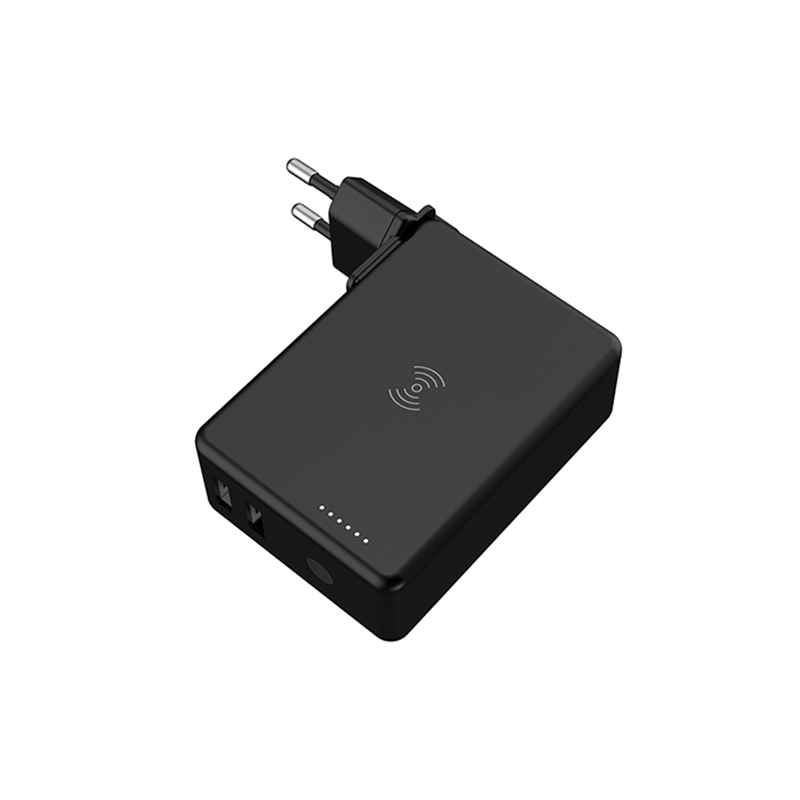
Sourcing multifunction chargers—devices integrating multiple USB-C Power Delivery (PD) ports, legacy USB-A, and often wireless charging pads—requires navigating complex power allocation logic and strict thermal constraints. The primary sourcing challenge is not simply finding a final assembler. It is identifying a manufacturer with robust PCBA (Printed Circuit Board Assembly) design capabilities, access to tier-one components, and strict adherence to global safety standards.
Core Technologies and Specifications to Define
When negotiating with suppliers, your specification sheet must explicitly define the internal architecture. High-wattage multifunction chargers rely heavily on the quality of their primary components, particularly the switching controllers and power distribution logic.
GaN (Gallium Nitride) vs. Silicon
For multifunction chargers exceeding 65W, GaN technology has largely replaced traditional silicon. GaN allows components to be placed closer together without overheating, enabling smaller form factors with higher efficiency. You must specify whether you require single-GaN or dual-GaN architectures, depending on your target wattage and thermal limits.
| Architecture | Efficiency | Thermal Output | Typical Application |
|---|---|---|---|
| Traditional Silicon | 75-80% | High | Budget chargers under 45W |
| Single GaN | 85-90% | Moderate | Mid-range 65W-100W PD hubs |
| Dual GaN | Over 90% | Low | Premium 100W+ multi-port stations |
Dynamic Power Allocation
A critical failure point in cheap multifunction chargers is poor power allocation. When a user plugs a second device into a 100W charger, the internal MCU (Microcontroller Unit) must renegotiate the power draw (e.g., splitting 100W into 65W and 30W). Inferior MCUs cause continuous reboot loops or fail to deliver the advertised wattage across multiple ports simultaneously. Specify the exact power-split behavior you expect at every port combination.
Need to find manufacturers capable of custom GaN architectures and reliable power allocation?
Get a free consultationManufacturing Quality and Factory Vetting
The quality of a multifunction charger is won or lost on the SMT line and during final testing. Because these devices handle mains voltage and generate significant heat, manufacturing shortcuts can lead to catastrophic failures.
Before committing to a supplier, thorough Factory Audits are essential to verify their engineering team and production equipment.
Critical Factory Verification Points
- In-house SMT capabilities vs. outsourced PCBA production
- Automated thermal paste dispensing systems to ensure consistent heat dissipation
- Use of tier-one capacitors (e.g., Rubycon, CapXon) rather than unbranded alternatives
- Dedicated burn-in (aging) testing rooms with automated data logging
- Hi-Pot (High Potential) testing stations at the end of the assembly line
The Importance of Aging Tests
Never skip or shorten the aging test protocol. This test involves running the chargers at maximum load in a high-temperature environment (typically 40 to 45 degrees Celsius) to identify early component failures. A standard aging test should last 2 to 4 hours. If a supplier offers unusually fast lead times, they are likely cutting the aging test short. Implementing rigorous Quality Control & Inspection protocols ensures these tests are performed to your exact specifications.
Compliance and Safety Certifications
Multifunction chargers are heavily regulated. Importing non-compliant chargers risks customs seizures, product recalls, and severe liability.
Certificate Verification
Always verify that the safety certificate (UL, ETL, CE, FCC) is held by the actual manufacturer and matches the specific model number. A factory claiming "UL certified" might only have one certified model in their entire catalog.
If you are branding an existing white-label product, you must go through the Multiple Listing process to have the safety certificate issued under your brand name. If you are developing a custom product, you will need to budget for full Compliance & Testing from scratch, which adds both cost and time to your market entry.
Pricing, MOQs, and OEM/ODM Dynamics
The cost of a multifunction charger is driven primarily by the total wattage, the number of PD ports, and the specific GaN ICs used (e.g., Navitas, Power Integrations).
When engaging in OEM/ODM Services, you have two main routes:
- White-labeling an existing ODM design: Lower MOQs, faster time-to-market, but limited differentiation.
- Custom PCBA and Tooling (OEM): High MOQs, longer lead times, but complete control over design, power allocation, and thermal management.
Ready to negotiate pricing and secure production capacity for your next charger line?
Talk to our teamFrequently Asked Questions
Successfully sourcing multifunction chargers requires balancing aggressive power output demands with strict thermal and safety realities. By focusing your supplier vetting on engineering depth, component sourcing transparency, and rigorous testing protocols, you can build a reliable supply chain that protects your brand and delivers consistent performance to your end users.
Get Sourcing Help for Multifunction Chargers
Tell us your requirements and our experts will connect you with verified manufacturers.