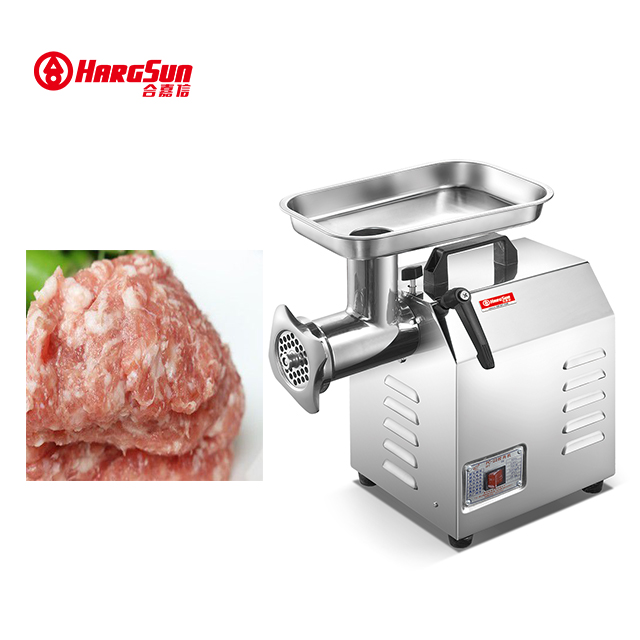
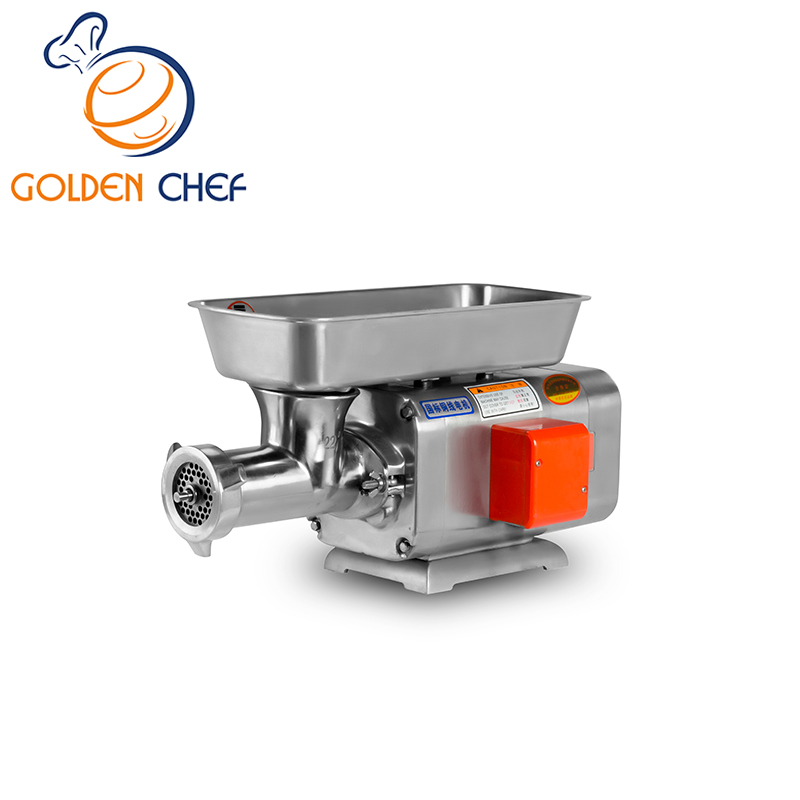
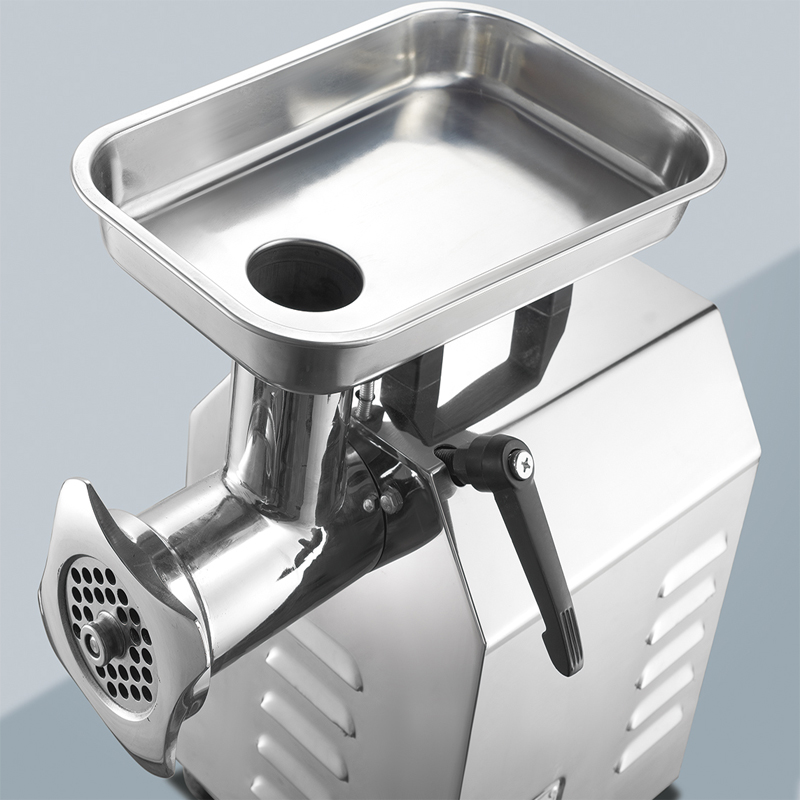
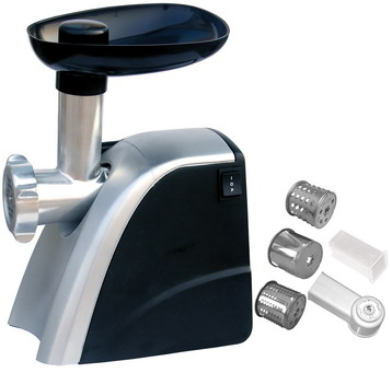
Meat Mincers
Source commercial-grade Meat Mincers from vetted suppliers and manufacturers across Asia. Designed for equipment importers, wholesale distributors, and brands seeking OEM production, our network delivers reliable, high-capacity processing machinery at competitive wholesale prices.
Sourcing commercial meat mincers requires balancing motor durability, strict food-grade hygiene standards, and precision engineering. A minor flaw in the gear assembly or the use of non-compliant stainless steel can lead to rapid equipment failure under heavy load or outright food safety violations. Securing reliable production means looking past superficial specifications to understand the factory's component sourcing and quality control frameworks.
Core Specifications and Component Quality
The difference between a machine that lasts a decade and one that burns out in months lies in the internal components. When evaluating a factory's technical capability, focus on three critical areas:
- Motor and Drive System: Commercial mincers rely on heavy-duty copper-wound motors. Cheaper units often substitute aluminum wiring, which drastically increases the risk of overheating and failure under continuous operation. The transmission should utilize steel or brass gears; plastic gears are unacceptable for commercial throughput.
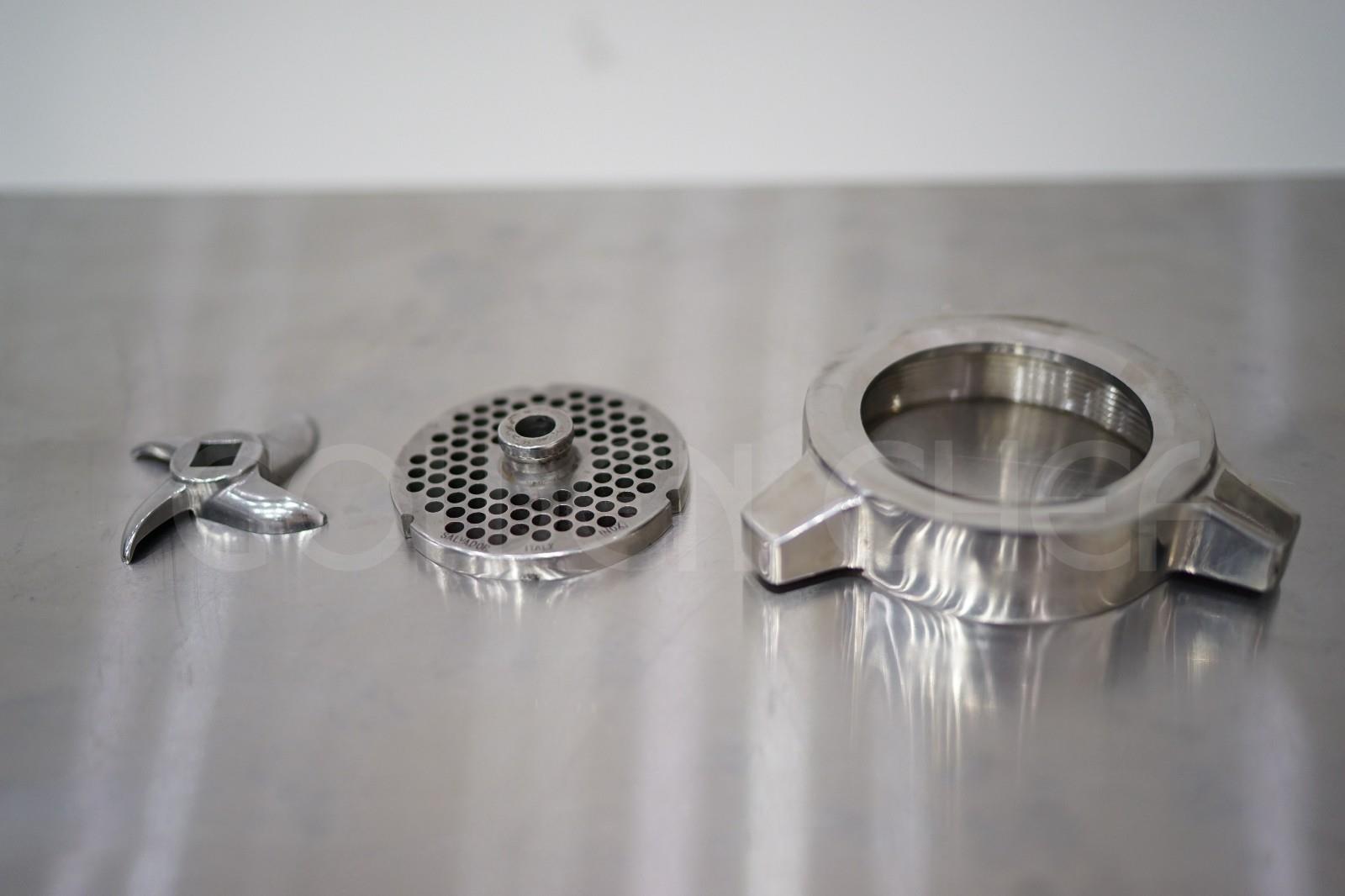
- Material Grades: Food safety compliance dictates the materials used. The hopper, auger, blade, and plates must be constructed from food-grade stainless steel to resist corrosion from meat acids and harsh cleaning agents.
- Throughput Capacity: Ensure the manufacturer's stated capacity (measured in kg/hr) aligns with continuous operation ratings, not just peak burst output.
| Component | Standard Commercial | Premium / Heavy Duty |
|---|---|---|
| Motor Winding | Copper-clad aluminum (CCA) or standard copper | 100% pure copper, thermally protected |
| Housing Material | SUS201 (prone to rust over time) | SUS304 or SUS316 |
| Food Contact Parts | Cast iron or lower-grade steel | Precision-cast SUS304 |
| Transmission | Belt-driven or mixed-material gears | Direct-drive oil-bathed steel gears |
Ensure your meat processing equipment is built to strict hygiene and performance standards.
Talk to our teamManufacturing Vulnerabilities and Quality Control
Food processing machinery must pass stringent regulatory requirements (such as CE, ETL, or NSF). Relying solely on a supplier's provided certificate is risky; you must verify that the specific components used in your production run match the certified prototype. Conducting rigorous Factory Audits is essential to confirm the manufacturer actually machines their own parts rather than simply assembling cheap, outsourced components.
During production, implement strict Quality Control & Inspection protocols. Pay close attention to:
Critical Inspection Points for Meat Mincers
- Motor load testing: Run the unit at maximum rated capacity to check for thermal cutoff triggers.
- Material verification: Use positive material identification (PMI) testing to confirm SUS304 on all food-contact surfaces.
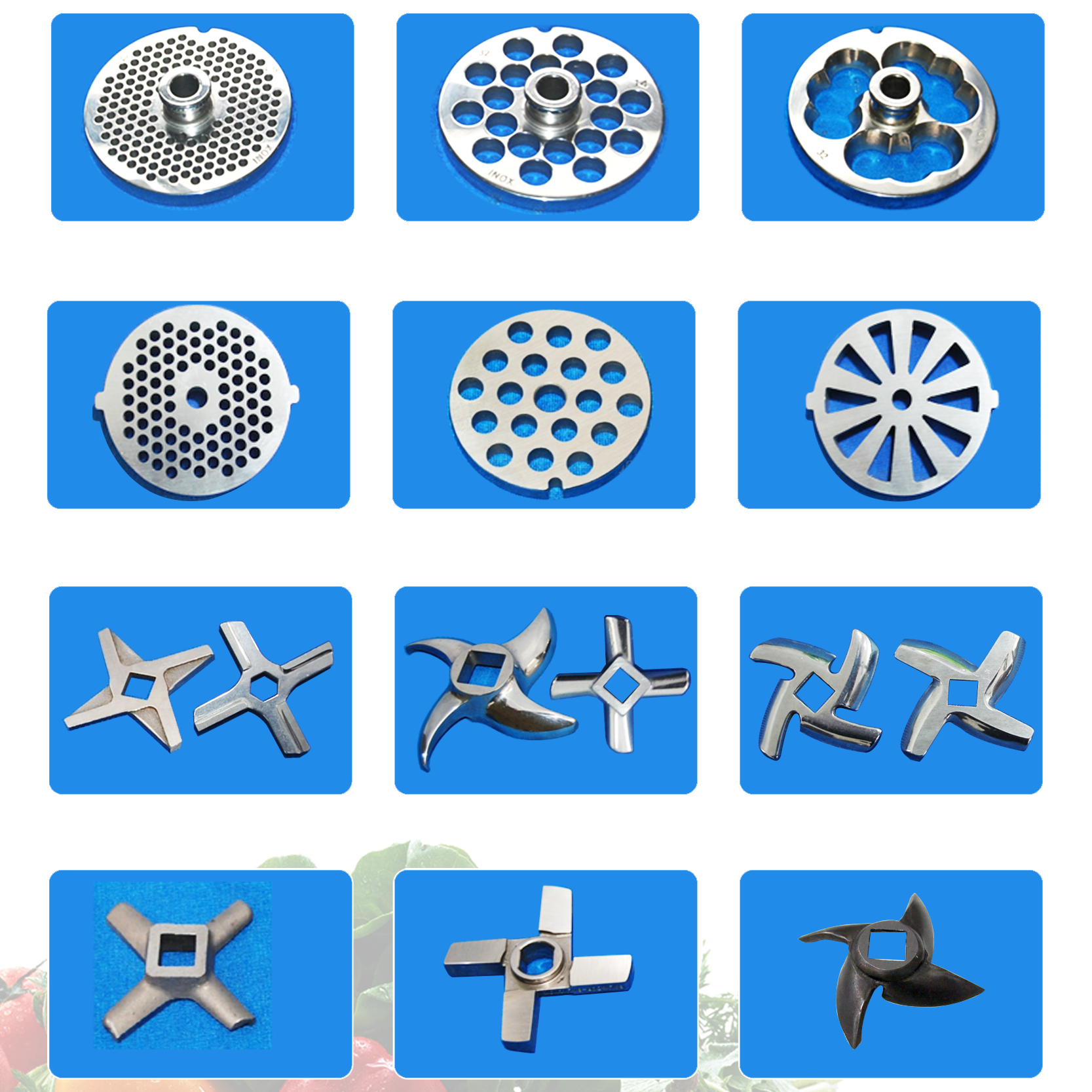
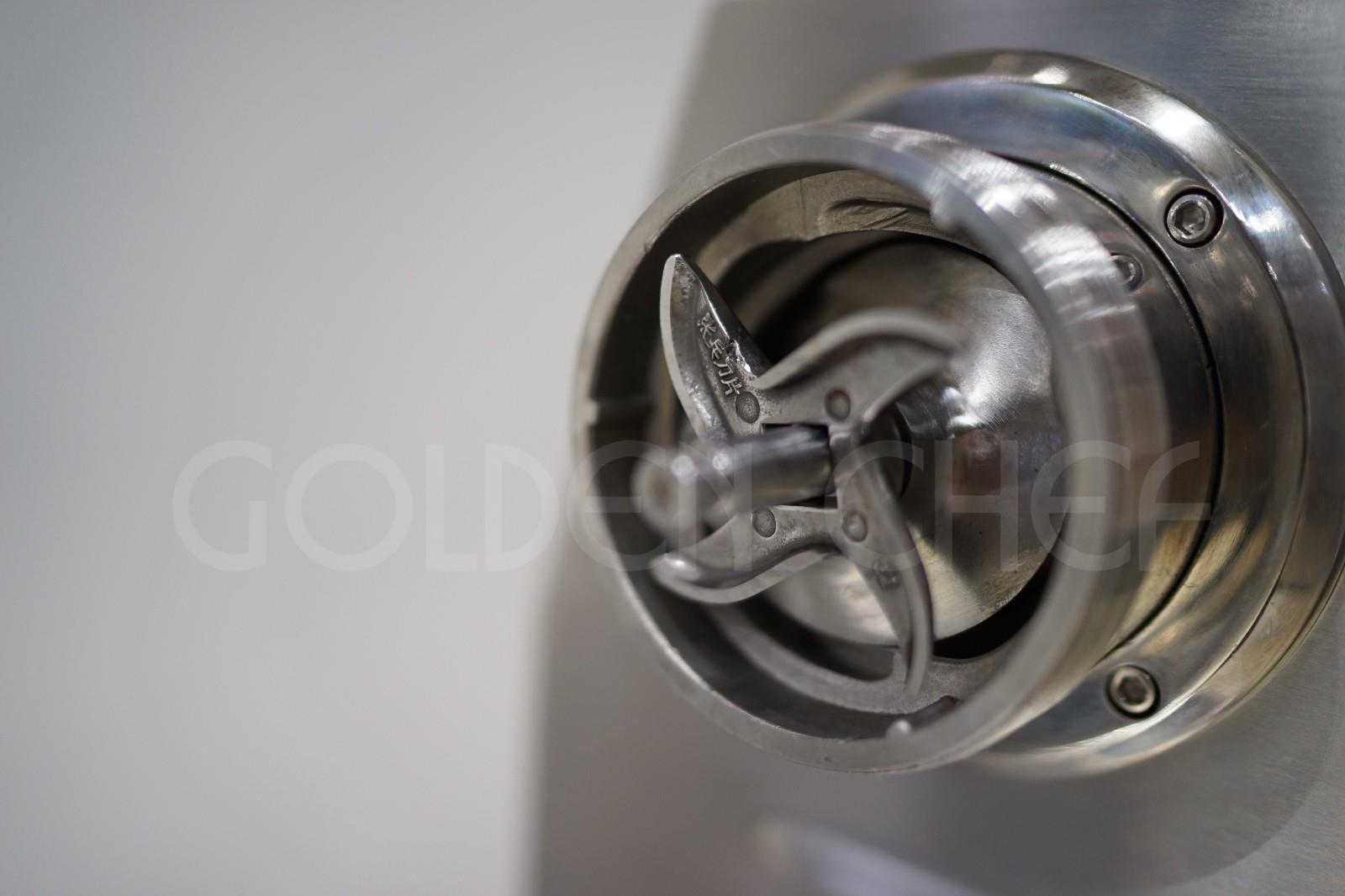
- Machining tolerances: Ensure the auger and mincing plates fit flush to prevent metal-on-metal grinding.
- Electrical safety: Verify grounding, insulation resistance, and waterproof sealing around switches.
If you are developing a proprietary design or modifying existing models for a specific market, leveraging OEM/ODM Services allows you to control the exact specifications of the motor housing, safety baffles, and extrusion plates.
Pricing, MOQs, and Lead Times
Commercial meat mincers are high-value capital goods, meaning Minimum Order Quantities (MOQs) are generally lower than consumer appliances. However, customization significantly impacts both cost and production timelines.
Volume pricing is heavily dependent on raw material costs, particularly the global spot price of copper and stainless steel. When negotiating, clarify whether the quoted price includes necessary Compliance & Testing for your target market, as retrofitting a non-compliant machine post-production is often cost-prohibitive.
Need accurate pricing, verified suppliers, and reliable lead times for your equipment order?
Get a free consultationFrequently Asked Questions
Successfully sourcing commercial meat mincers requires looking beneath the stainless steel exterior to validate motor integrity, material compliance, and machining precision. By establishing strict technical specifications and enforcing rigorous quality control at the factory level, you can secure reliable equipment that withstands the demands of professional food processing.
Get Sourcing Help for Meat Mincers
Tell us your requirements and our experts will connect you with verified manufacturers.