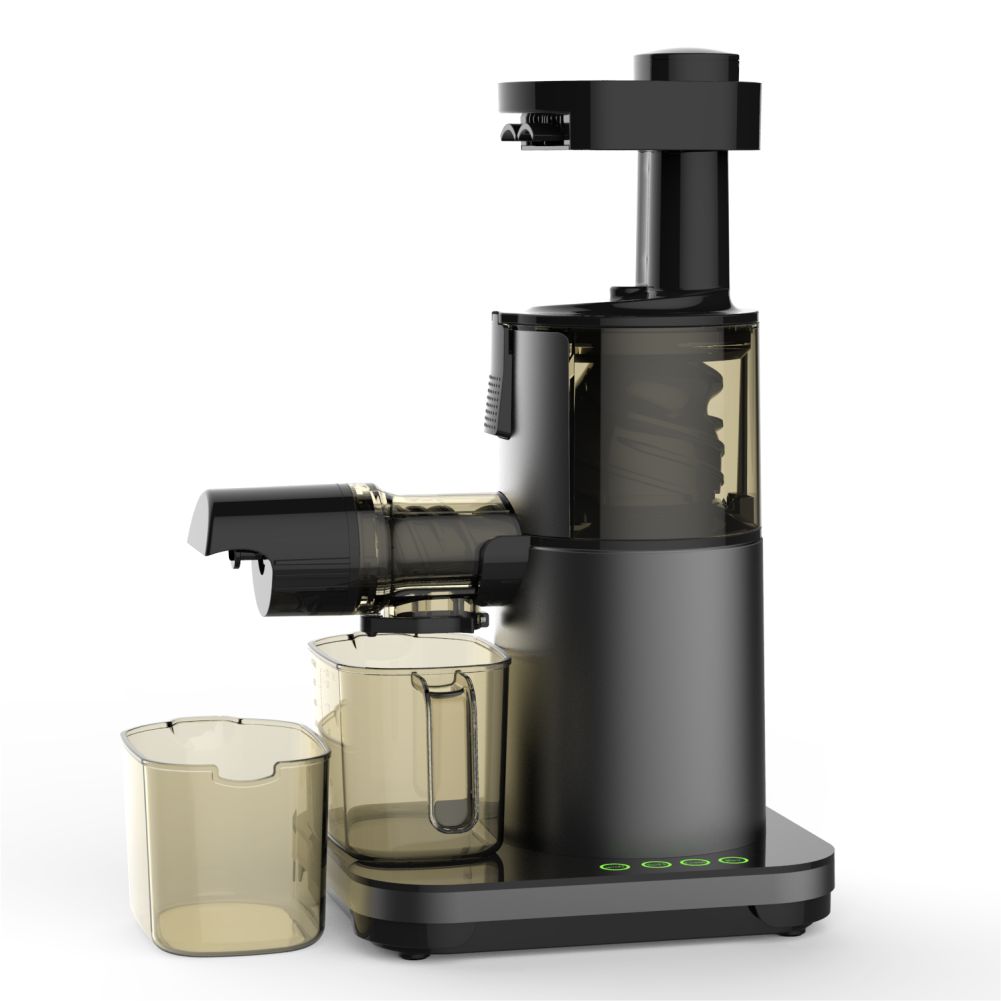
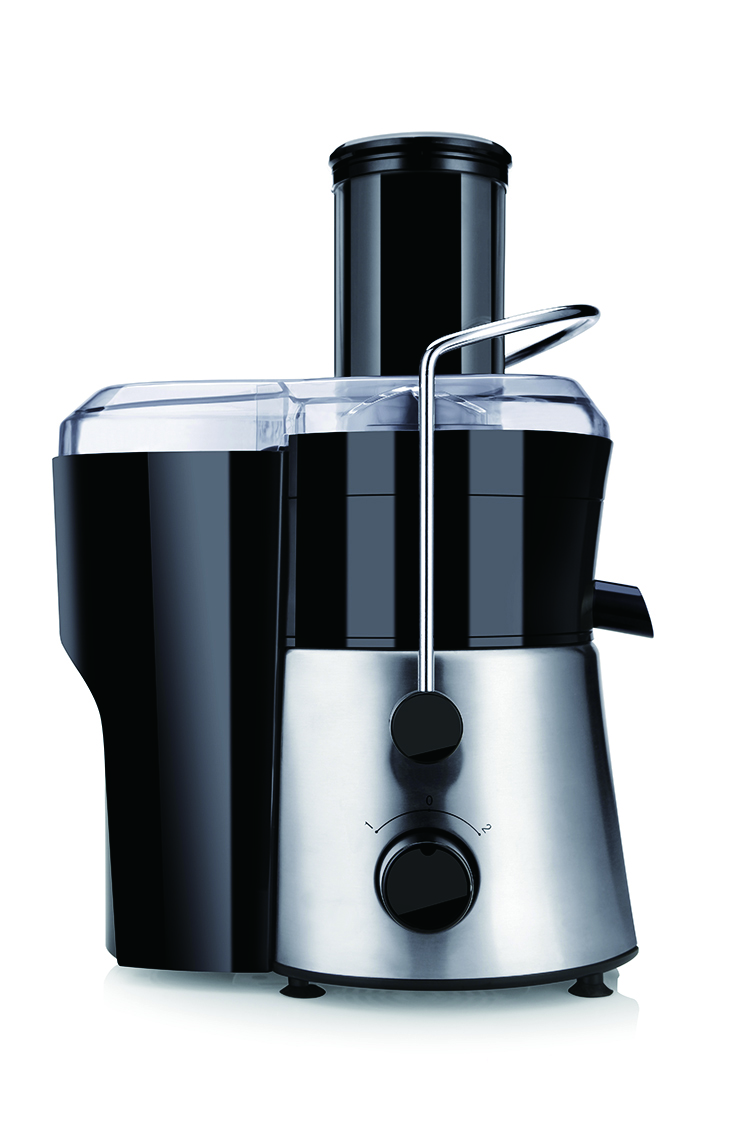
Juice Extractors
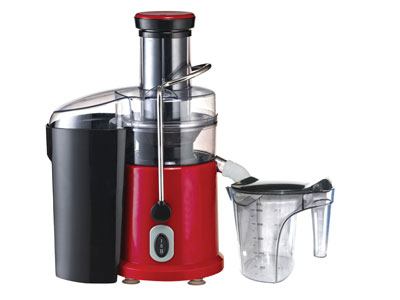
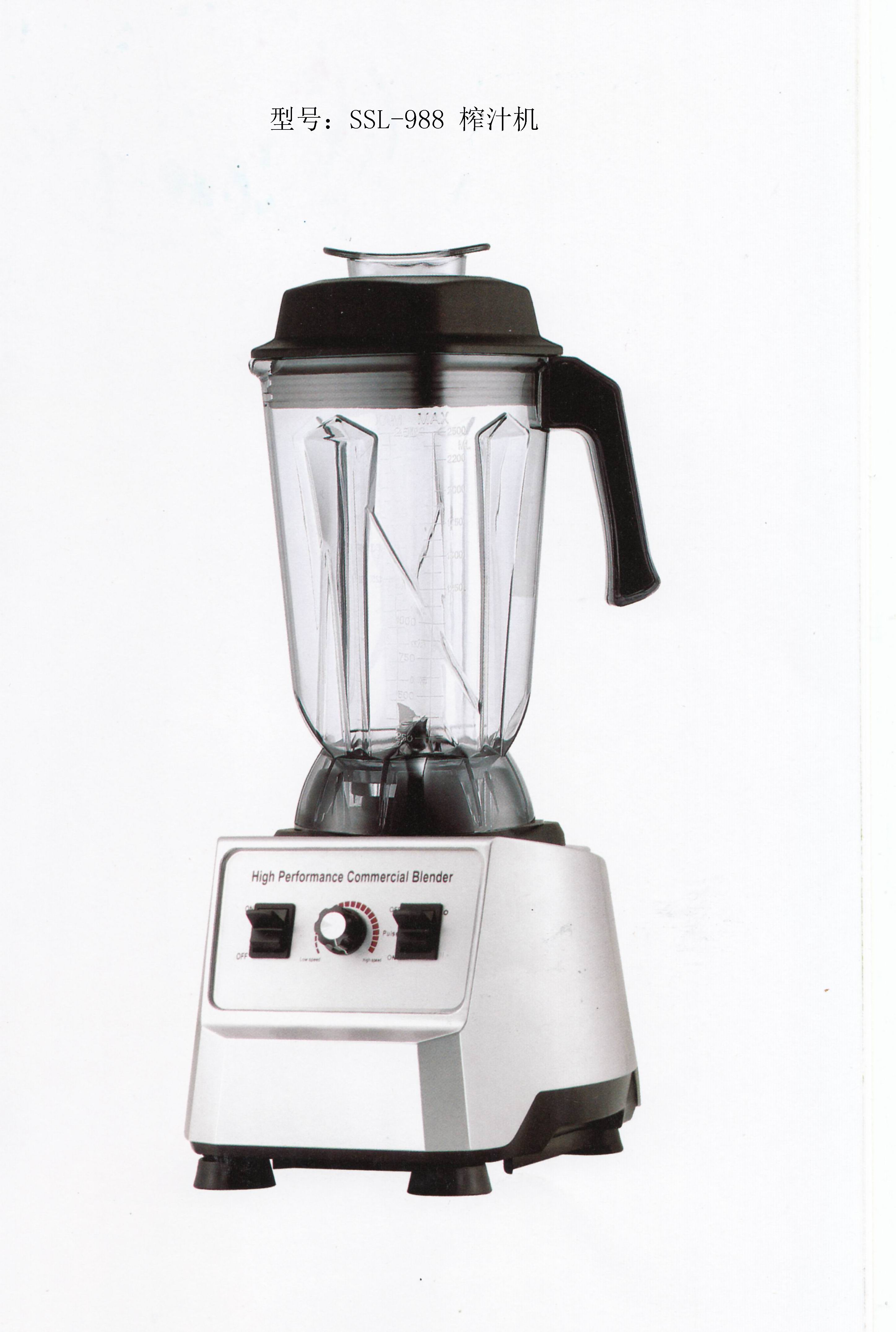
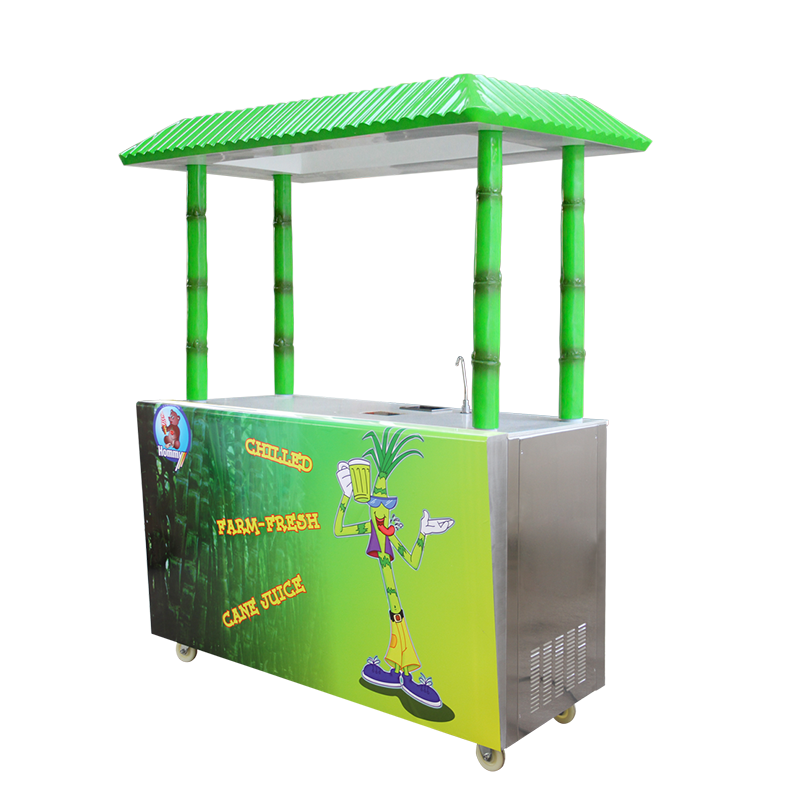
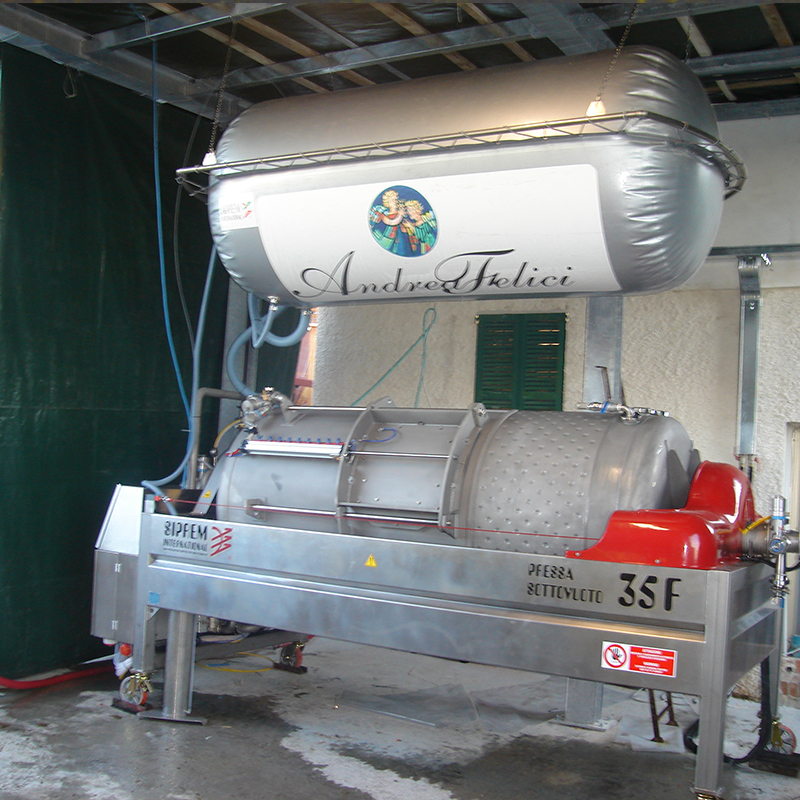
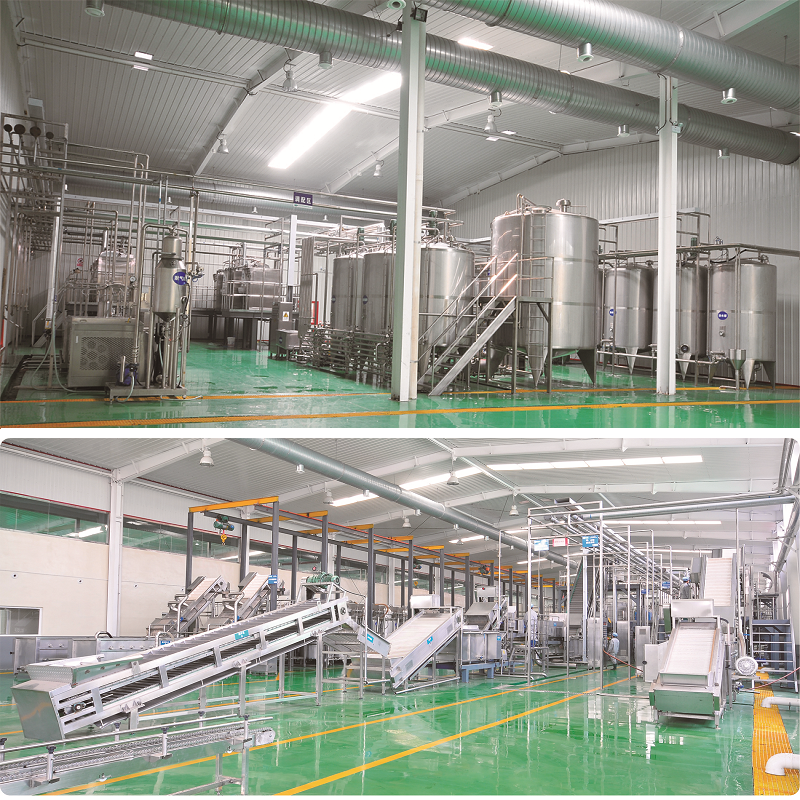
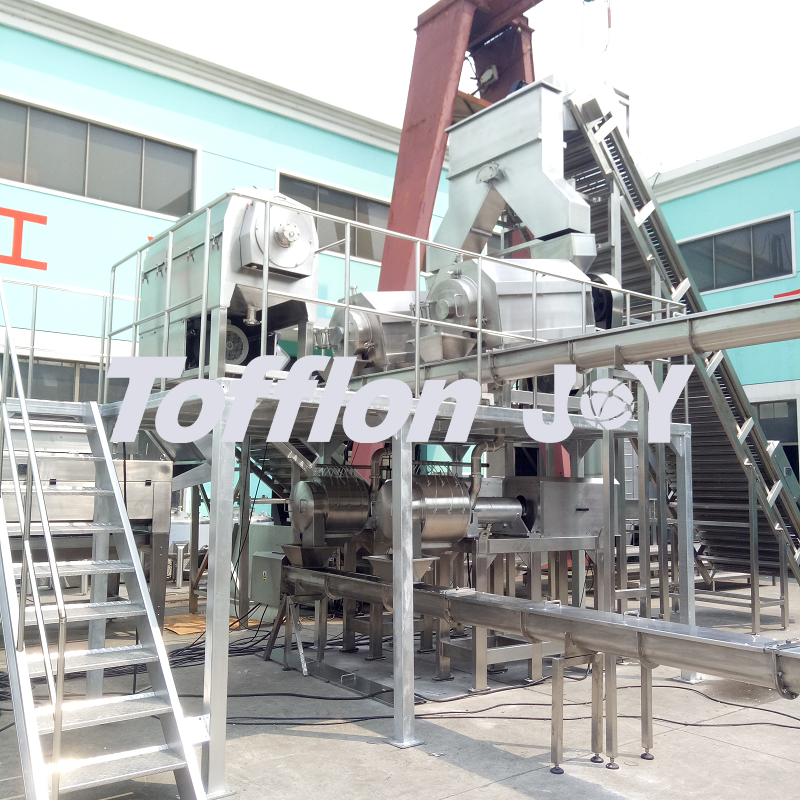
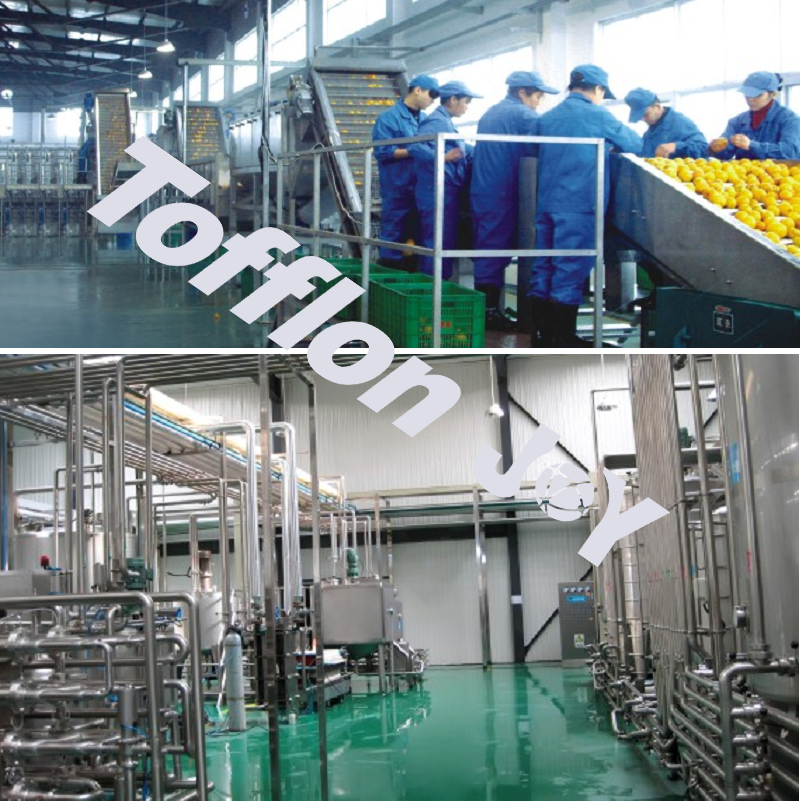
Source commercial and industrial juice extractors directly from vetted manufacturers and suppliers. Designed for importers, wholesalers, and beverage brands seeking reliable OEM and private-label production, this selection offers bulk access to high-yield extraction machinery built for continuous processing environments.
Industrial juice extractors must balance maximum yield efficiency with stringent food safety standards. When sourcing these units in volume or developing custom processing lines, the primary challenge lies in verifying motor durability for continuous operation and ensuring sanitary, crevice-free construction. Sourcing reliable machinery requires looking past spec sheets to evaluate a factory's welding standards, component supply chain, and quality control protocols.
Critical Specifications for Processing Machinery
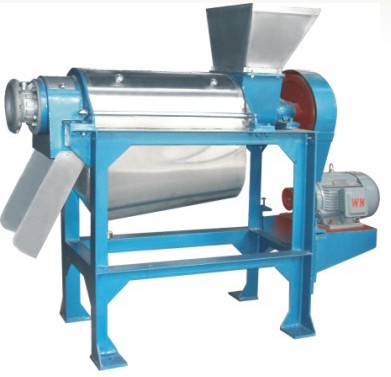
Procuring juice extraction equipment requires matching the mechanical design to the specific viscosity and acidity of the target produce. Whether you are sourcing spiral crushers, belt presses, or commercial centrifugal units, the core specifications dictate both yield and operational lifespan.
Material Grades and Sanitary Design
The acidity of fruits like citrus or pineapple demands high-grade stainless steel. Standard food-contact surfaces must be at least SUS304, while highly acidic processing requires SUS316L to prevent pitting and corrosion. Beyond the alloy, the physical design must minimize bacterial harborage points. Look for continuous TIG welding that has been ground flush and polished, rather than spot welding which leaves gaps.
Need help verifying factory capabilities and sanitary design standards before placing a large equipment order?
Talk to our teamManufacturing Quality and Defect Prevention
Quality is won or lost on the factory floor, particularly in the machining of internal components and the sourcing of electrical parts. A common point of failure in cheaper units is the drive motor, which can overheat under continuous load if not properly rated.
When evaluating a manufacturer, it is highly recommended to conduct rigorous Factory Audits to verify their machining tolerances and component sourcing.
Critical Quality Control Checks
- Motor and gearbox specifications (verify brand, thermal protection, and IP rating).
- Screen mesh tolerances (ensure uniform aperture size to prevent pulp bypass).
- Weld quality on all food-contact surfaces (must be seamless and polished).
- Seal and gasket materials (must be food-grade silicone or EPDM, not standard rubber).
- Vibration and noise levels under load during trial runs.
Catching machining errors or substandard seals after shipment is a costly mistake. Implementing robust Quality Control & Inspection protocols prior to container loading ensures the machinery meets your exact specifications and functional requirements.
OEM Customization and Integration
For brands and distributors building proprietary processing lines, standard off-the-shelf units often require modification. Customizing extraction machinery typically involves altering hopper dimensions to match existing conveyor feeds, modifying the pitch of the extraction screw to optimize yield for specific fruits, or upgrading control panels with PLCs for automated environments.
When utilizing OEM/ODM Services, ensure the manufacturer has the engineering capability to adapt the equipment for CIP (Clean-In-Place) systems. This requires specific nozzle placements and drainage gradients that must be factored into the initial design phase.
Pricing, MOQ, and Lead Time Realities
Machinery procurement differs significantly from consumer goods in terms of volume and production timelines.
| Category | Typical MOQ | Estimated Lead Time | Price Drivers |
|---|---|---|---|
| Commercial Countertop Units | 50–200 units | 30–45 days | Motor wattage, housing material, custom branding |
| Light Industrial (up to 500kg/hr) | 1–5 units | 40–60 days | Stainless steel grade, screen customization |
| Heavy Industrial (1,000kg/hr+) | 1 unit | 60–90 days | Custom integration, PLC controls, motor capacity |
Payment terms for heavy machinery often follow a 30/70 or 40/60 structure (deposit/balance before shipment), heavily tied to successful factory acceptance testing (FAT).
Struggling to negotiate favorable terms or verify pricing with machinery manufacturers? Let our sourcing experts assist you.
Get a free consultationFrequently Asked Questions
Securing reliable juice extraction machinery requires a deep understanding of metallurgy, motor performance, and sanitary engineering. By prioritizing verifiable manufacturing standards over the lowest initial quote, you protect your production line from costly downtime and ensure consistent product quality.
Get Sourcing Help for Juice Extractors
Tell us your requirements and our experts will connect you with verified manufacturers.