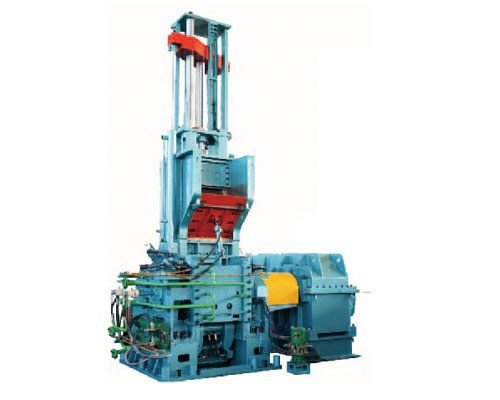
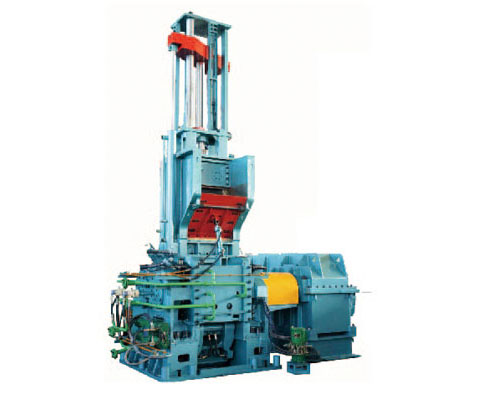
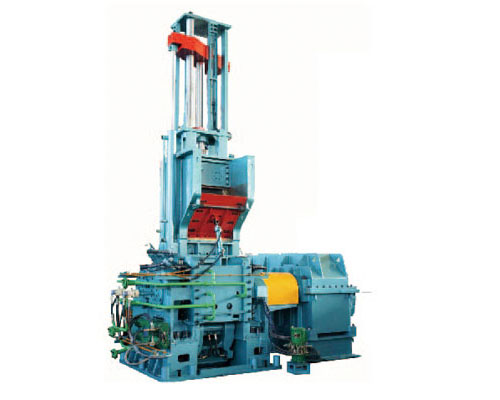
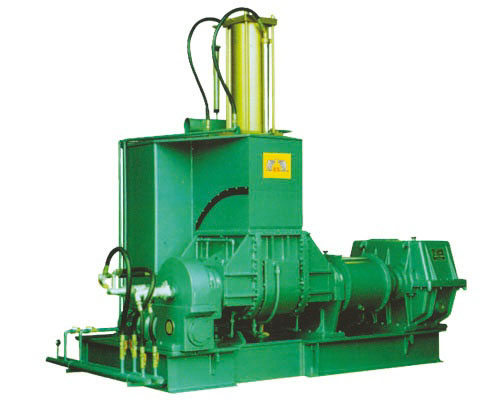
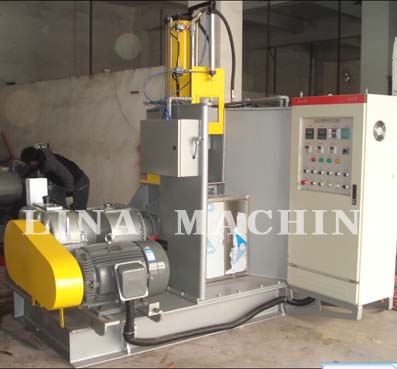
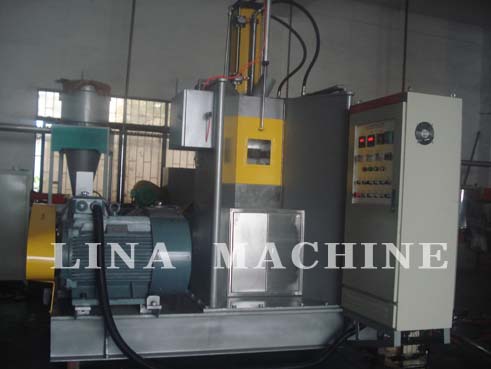
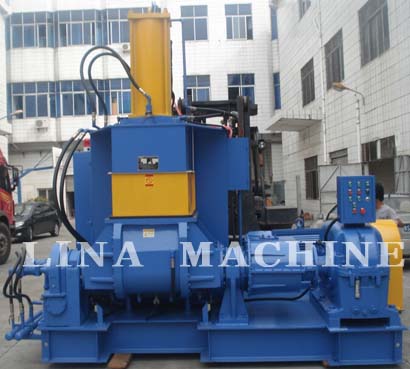
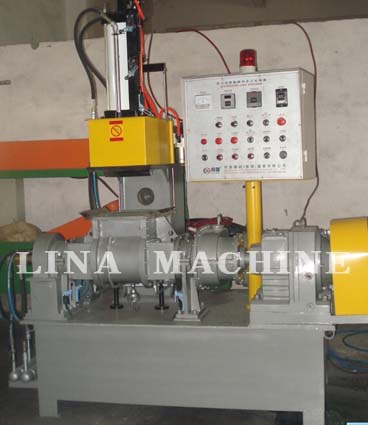
Internal Mixers
Source industrial-grade internal mixers directly from vetted manufacturers and suppliers. Designed for procurement managers, machinery distributors, and importers buying in bulk, our network provides heavy-duty rubber and plastic compounding equipment engineered for high-volume production, reliability, and OEM customization.
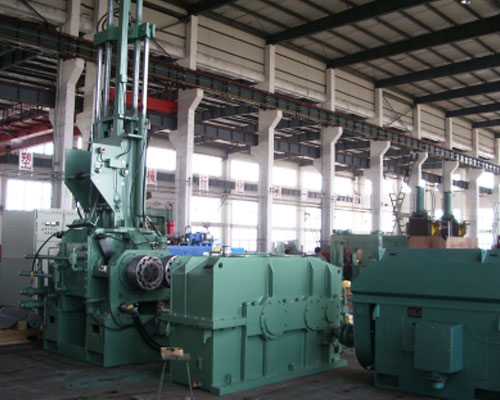
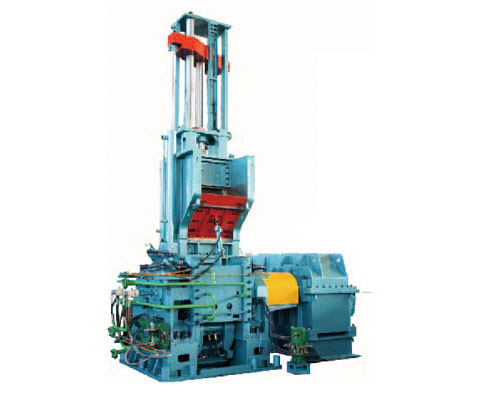
Internal mixers are the beating heart of any rubber or plastic compounding facility. Sourcing these heavy-duty machines requires balancing massive capital expenditure with the absolute necessity of continuous uptime. A failed gearbox, a leaking dust seal, or inadequate rotor cooling doesn't just halt a single machine; it starves the entire downstream calendering and extrusion line. When importing industrial internal mixers from Asia, success depends on specifying the right mechanical tolerances, verifying the manufacturer's machining capabilities, and conducting rigorous factory acceptance testing before the equipment ever reaches the port.
Core Specifications and Rotor Configurations
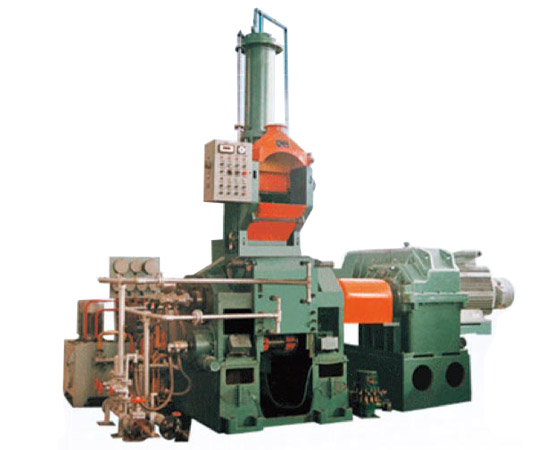
Selecting the right mixer goes far beyond chamber volume. The most critical decision is the rotor configuration and the drive system, which directly dictate the machine's compounding efficiency and energy consumption.
When drafting your technical requirements, you must define:
- Chamber Volume and Fill Factor: Typically ranging from 25L for specialty compounds up to 620L for tire manufacturing. The effective working volume is usually 70 to 75 percent of the total chamber capacity.
- Drive Power and Torque: High-viscosity rubber compounds require massive torque. Specify the motor kW and the required overload capacity.
- Cooling/Heating Systems: The efficiency of drilled cooling channels in the rotors and chamber walls is critical for temperature-sensitive compounds to prevent premature curing (scorching).
| Rotor Design | Primary Application | Dispersion Quality | Friction/Heat Generation |
|---|---|---|---|
| Tangential Rotors | High-capacity tire and general rubber | Standard | Moderate (easier to cool) |
| Intermeshing Rotors | Technical rubber, high-silica compounds | Superior | High (requires advanced cooling) |
Need help verifying a machinery manufacturer's technical capabilities? Let our engineering sourcing experts audit your shortlisted factories.
Talk to our teamWhere Quality is Won or Lost on the Factory Floor
Not all heavy machinery manufacturers possess the in-house CNC boring and milling equipment required to achieve the tight tolerances an internal mixer demands. The difference between a machine that lasts twenty years and one that vibrates itself apart in two years comes down to manufacturing precision and material selection.
Critical Wear Components
The rotors and the mixing chamber endure extreme abrasion, especially when compounding with high volumes of silica or carbon black. High-quality manufacturers will apply a hard-facing alloy (such as Stellite or tungsten carbide) to the rotor flights. If this welding is porous or uneven, the rotors will degrade rapidly.
Dust Stops and Sealing
Leaking powder is a common failure point in lower-tier mixers. Advanced hydraulic or pneumatic mechanical seals are essential. Verify that the supplier uses high-grade bronze or specialty alloy sealing rings and that the lubrication system delivers consistent pressure to the seal faces.
Drive Train and Controls
The gearbox is the most expensive single component. Specify hardened and ground gears, and insist on premium bearings (e.g., SKF, Timken, or NSK). For the control panel, standardizing on globally supported PLC systems (like Siemens or Allen-Bradley) ensures your maintenance team can troubleshoot issues locally.
Because these internal components are impossible to inspect once the machine is fully assembled, conducting thorough factory audits prior to placing an order is non-negotiable. Furthermore, implementing strict quality control protocols during the assembly phase—specifically checking rotor clearances and performing run-out tests on the gearbox—protects your investment.
Buying Mechanics: Lead Times, MOQs, and Logistics
Internal mixers are built-to-order capital equipment. You will rarely find these machines in stock, and the production cycle requires careful supply chain planning.
Heavy Freight Logistics
Shipping an internal mixer is a complex logistical operation. A medium-sized 110L mixer, complete with its motor and bedplate, can weigh upwards of 25 tons. This often exceeds standard container limits, requiring specialized flat-rack containers or break-bulk shipping. Coordinating the rigging, inland transport, and shipping and freight forwarding requires specialized heavy-lift expertise to ensure the machine is properly lashed and protected from salt-air corrosion during transit.
Planning a major equipment purchase? We manage the entire process—from supplier vetting and contract negotiation to FAT and heavy freight logistics.
Get a free consultationFrequently Asked Questions
When sourcing heavy rubber processing machinery, the initial purchase price is only a fraction of the total cost of ownership. The true value of an internal mixer is measured in decades of reliable compounding and minimal unplanned downtime. Securing that reliability requires rigorous technical vetting and on-the-ground engineering oversight long before the machine leaves the factory floor.
Get Sourcing Help for Internal Mixers
Tell us your requirements and our experts will connect you with verified manufacturers.