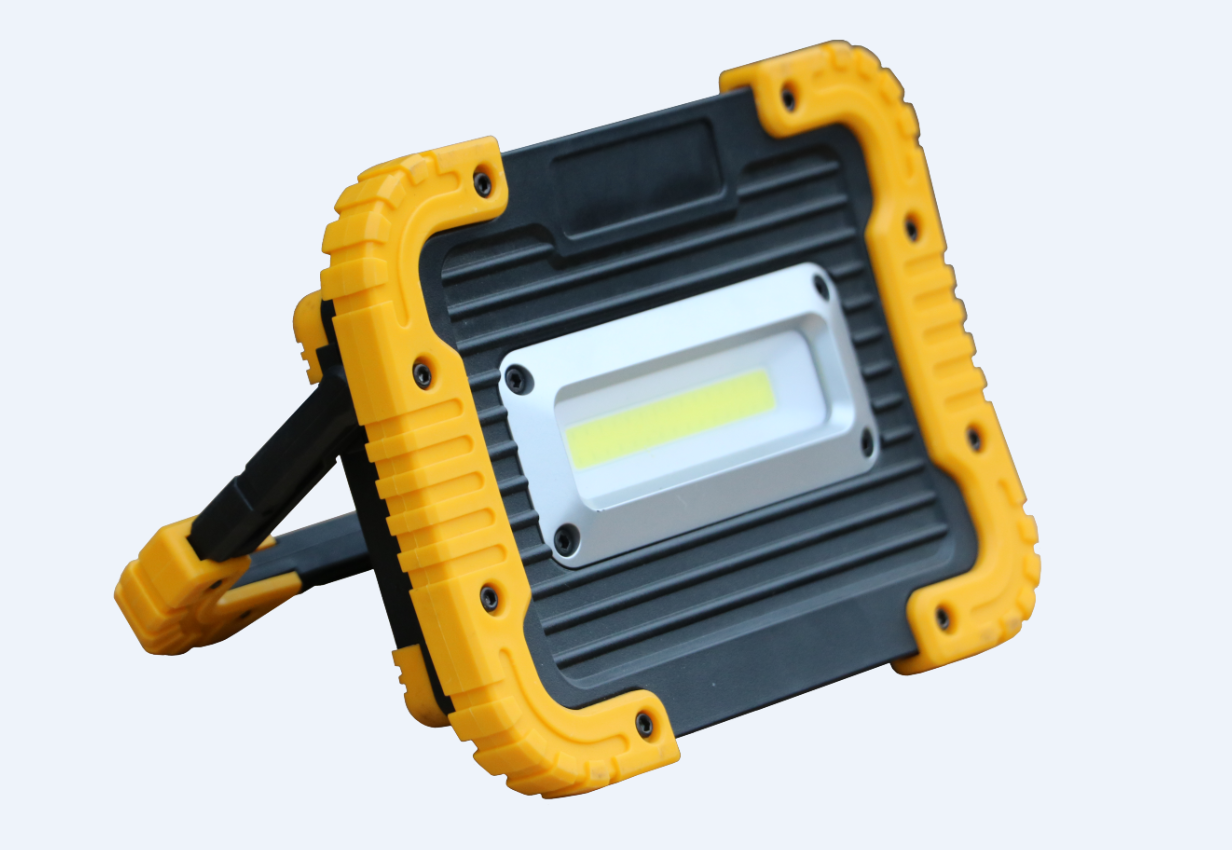
Industry Lighting
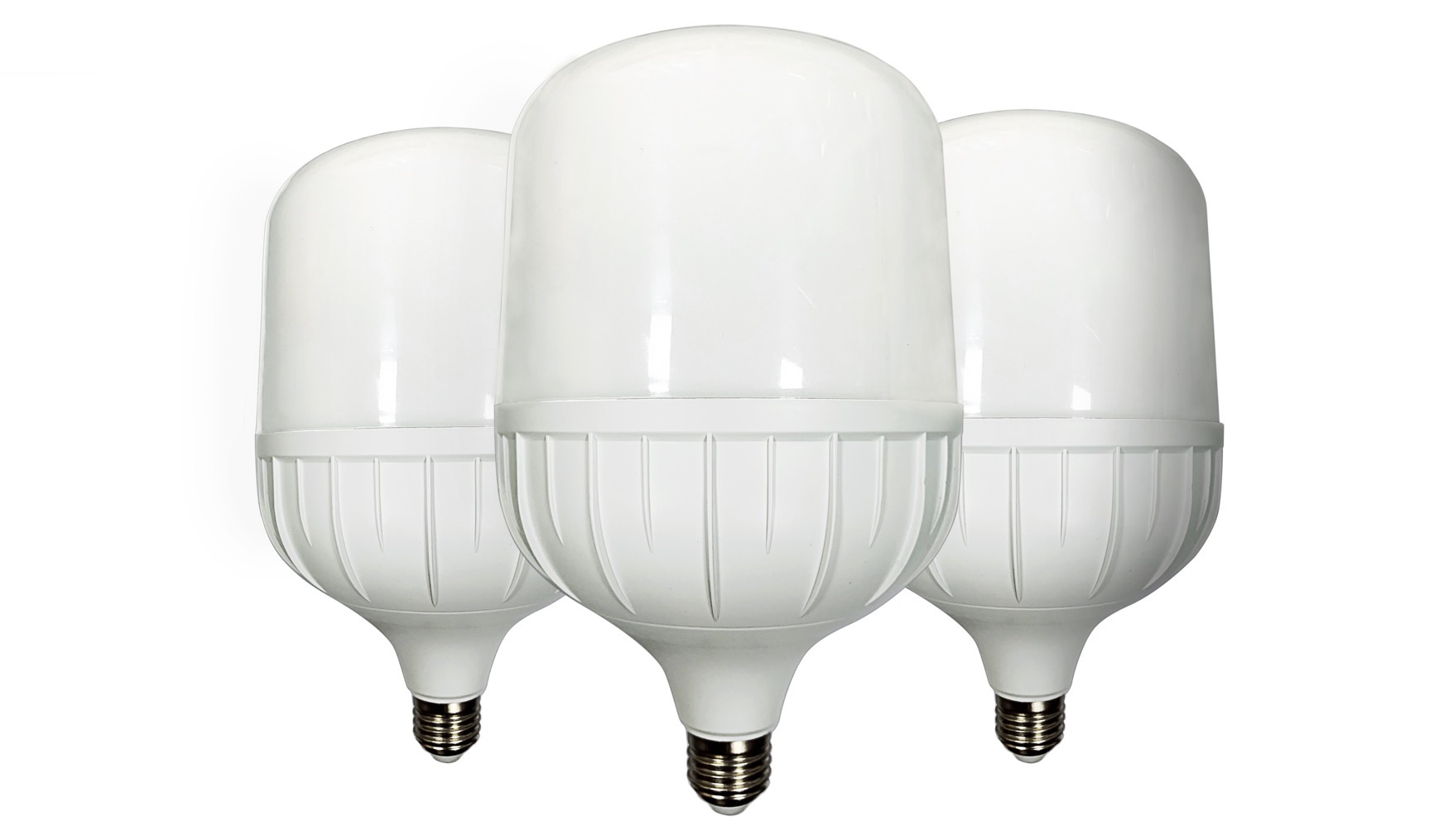
Source high-performance Industry Lighting from vetted manufacturers and suppliers across Asia. Designed for commercial importers, electrical distributors, and brands requiring reliable wholesale or OEM production, our factory-direct network ensures you secure compliant, industrial-grade illumination systems at scale.
Sourcing industrial lighting at scale requires navigating a complex matrix of thermal management, driver reliability, and strict compliance standards. For high-bay, low-bay, and specialized facility fixtures, a failure in the field means unacceptable downtime and replacement costs for the end user. The core sourcing challenge lies in verifying that a manufacturer's spec sheet matches the actual components used on the assembly line, and that the factory has the engineering capability to maintain consistency across bulk orders.
Critical Technical Specifications for Industrial Environments
What separates true industrial-grade fixtures from standard commercial lighting is their ability to operate continuously in harsh conditions. When evaluating a supplier's catalog or developing a custom product, focus on the underlying architecture rather than just the stated wattage.
| Specification | Standard Commercial | Heavy-Duty Industrial |
|---|---|---|
| Luminous Efficacy | 100–130 lm/W | 150–190+ lm/W |
| Thermal Management | Extruded or stamped aluminum | Heavy die-cast aluminum with engineered fins |
| Driver Reliability | Unbranded or tier-2 drivers | Tier-1 (Mean Well, Inventronics, Sosen) |
| Surge Protection | 2kV to 4kV | 6kV to 10kV+ standard |
| Ingress & Impact | IP65 / IK06 | IP66 to IP69K / IK08 to IK10 |
The LED driver is the most common point of failure. A factory offering prices that seem too good to be true is almost certainly substituting a premium driver for a cheaper, non-isolated alternative with inferior potting compound. This compromises heat dissipation and drastically shortens the fixture's lifespan.
Struggling to verify if a factory's components match their spec sheets? Let our engineers handle the technical vetting and supplier qualification.
Talk to our teamManufacturing Tolerances and Quality Control
Industrial lighting production is assembly-intensive. The quality of the final product is dictated by how stringently the factory controls its incoming components and assembly processes. LED chip binning (maintaining tight MacAdam ellipses for color consistency) and thermal paste application are critical steps where corners are frequently cut.
To catch these issues before shipment, rigorous Quality Control & Inspection protocols must be enforced on the factory floor.
Key Factory-Floor Inspection Points
- Verify LED chip brand and bin codes against the approved bill of materials (BOM).
- Inspect thermal paste application between the PCB and the heat sink for uniform coverage without voids.
- Confirm driver potting material is fully cured and free of air bubbles.
- Review the aging test (burn-in) logs to ensure 100 percent of units are tested for at least 12 to 24 hours.
- Conduct high-pot (dielectric withstand) testing to verify electrical insulation safety.
Before committing to a large order, it is highly recommended to conduct comprehensive Factory Audits. You need to confirm the supplier actually manufactures the housings and assemblies in-house, rather than just acting as a trading company that outsources to smaller, unverified workshops.
Compliance and Certification Realities
Industrial environments demand strict adherence to safety standards. Depending on your target market, fixtures will require UL/cUL or ETL listings (North America), CE and RoHS (Europe), or specialized certifications like ATEX or IECEx for hazardous locations.
Verification is Mandatory
Never take a supplier's certification badge at face value. Always request the actual test reports and verify the certificate numbers directly with the issuing laboratory. Factories frequently show a valid certificate for one specific model and imply it covers their entire catalog.
If you are modifying a fixture's design or specifying different components, the existing certifications may become void. Navigating Compliance & Testing requirements early in the sourcing process prevents costly customs seizures or liability issues down the line.
Pricing, MOQs, and Lead Times
Understanding the true cost drivers in industrial lighting helps you negotiate effectively. The weight and quality of the aluminum heat sink, the tier of the LED driver, and the specific LED package (e.g., SMD3030 vs. SMD5050) dictate the floor price.
For brands requiring OEM/ODM Services, modifying the housing design or integrating smart controls (like DALI or Zigbee modules) will increase both the MOQ and the lead time. Tooling costs for custom die-cast housings can range from a few thousand to tens of thousands of dollars, depending on the fixture's size and complexity.
Need realistic cost modeling for your next industrial lighting project? We can help you benchmark factory pricing and negotiate favorable terms.
Get a free consultationFrequently Asked Questions
Sourcing industrial lighting successfully requires treating the transaction as an engineering procurement exercise rather than a simple commodity purchase. By tightly controlling your bill of materials and enforcing rigorous on-site inspections, you can secure high-performance fixtures that protect your brand's reputation in the field.
Get Sourcing Help for Industry Lighting
Tell us your requirements and our experts will connect you with verified manufacturers.