Fruit & Vegetable Peeling Machines
Source commercial fruit & vegetable peeling machines from vetted suppliers and manufacturers. Designed for importers, distributors, and brands seeking reliable OEM production, this catalog features industrial-grade equipment built for high-capacity food processing. Connect with top factories for competitive bulk pricing.
Sourcing industrial peeling machines requires a strict balance between processing throughput and yield retention. Whether your clients need abrasive brush rollers for root vegetables or precision blade peelers for delicate fruits, the primary procurement challenge is identifying manufacturers capable of delivering consistent build quality, verifiable food-grade compliance, and reliable motor performance under continuous washdown conditions.
Core Peeling Technologies and Specifications
Selecting the right equipment depends heavily on the end-user's processing line. Manufacturers typically specialize in one or two peeling methods, and specifying the wrong technology can lead to unacceptable product waste or chronic mechanical failure.
| Technology | Primary Application | Typical Yield Loss | Maintenance Focus |
|---|---|---|---|
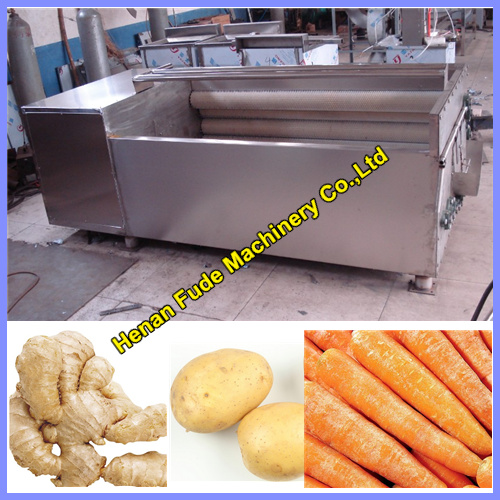
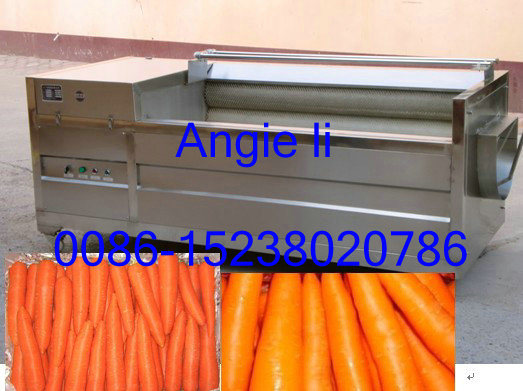
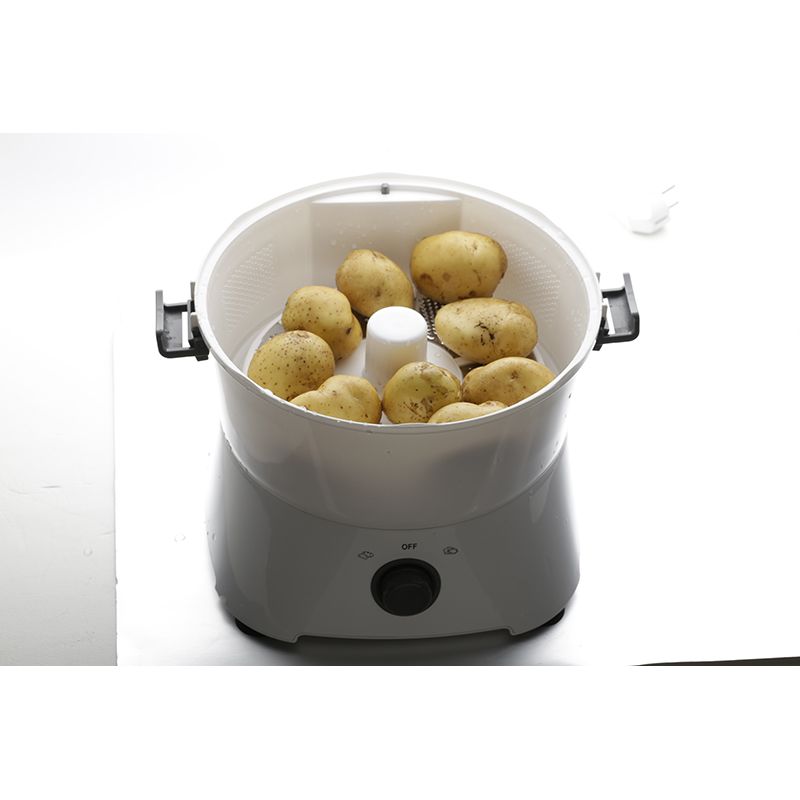
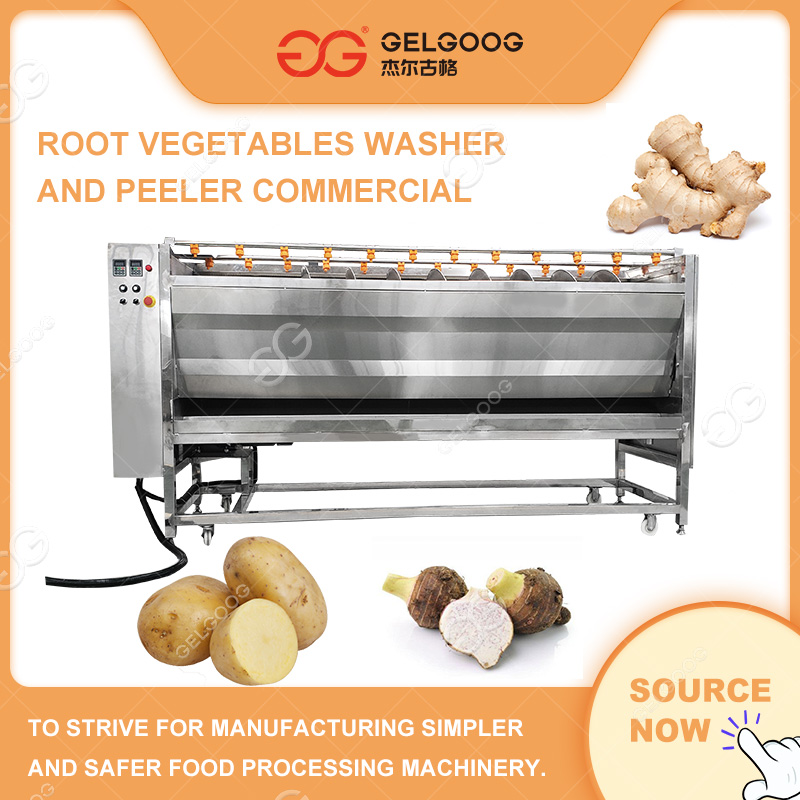
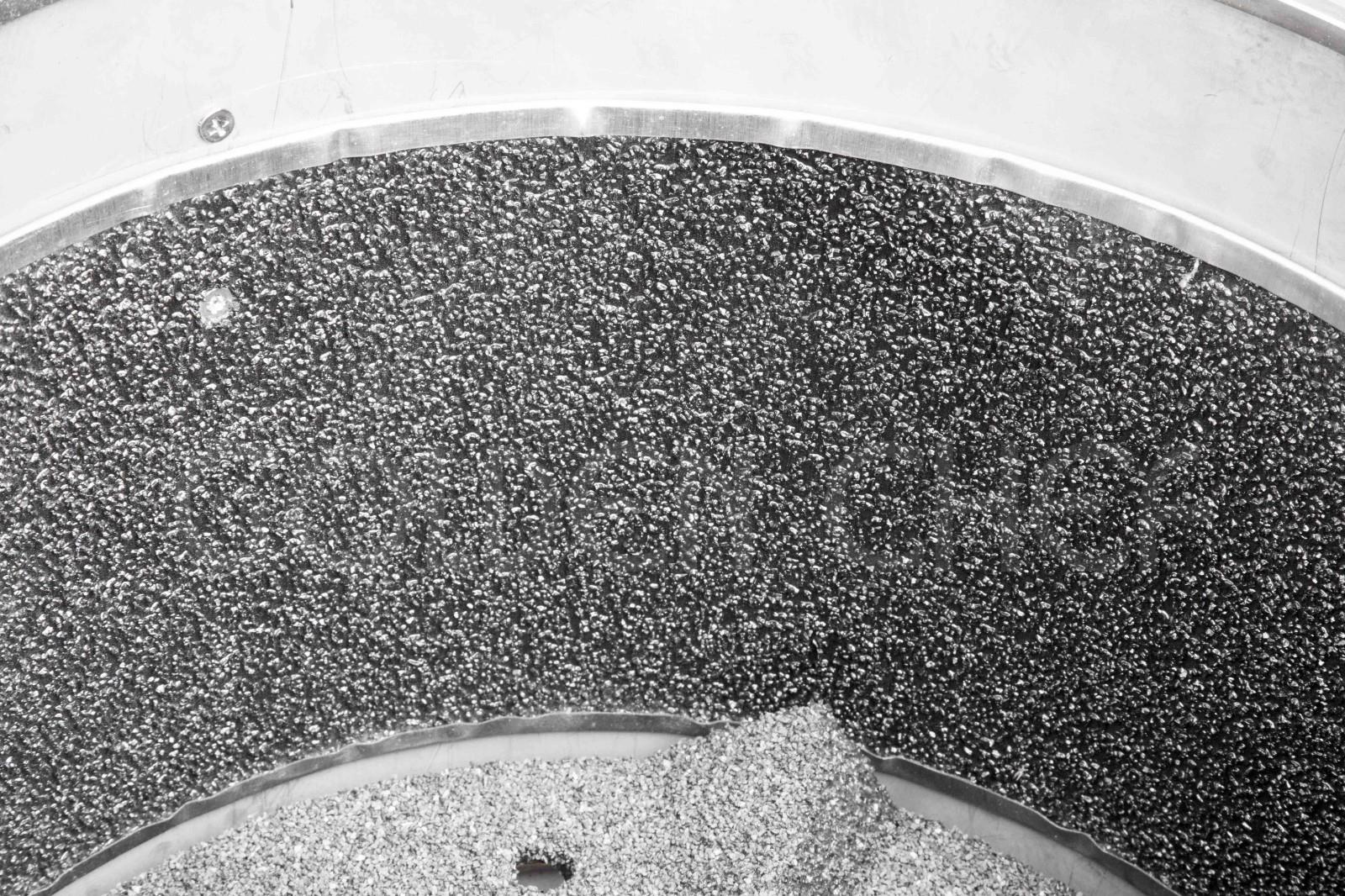
| Abrasive Brush Roller | Root vegetables (potatoes, carrots, taro) | Moderate (10 to 15 percent) | Brush wear, bearing seals |
| Precision Blade / Knife | Uniform fruits (apples, citrus, melons) | Low (5 to 10 percent) | Blade sharpening, pneumatic sensors |
| Steam Peeling | High-volume root crops, tomatoes | Very Low (under 5 percent) | Pressure vessel certification, steam valves |
When negotiating specifications with the factory, pay close attention to the motor and drive systems. Insist on 100 percent copper-core motors and recognized brand-name gearboxes. Standardizing these components reduces downtime and simplifies aftermarket support for your distribution network.
Navigating supplier specifications and food-safety compliance can be complex. Let our engineering and sourcing experts help you identify the right manufacturing partners.
Talk to our teamManufacturing Quality and Food Safety Compliance
The food processing industry demands rigorous hygiene standards. True industrial peeling machines must be constructed from high-grade stainless steel—typically SUS304 for general frames and hoppers, and SUS316 for components in direct contact with highly acidic fruits like citrus.
Unfortunately, some lower-tier manufacturers cut costs by using 201 stainless steel, which corrodes quickly under industrial sanitization protocols. Conducting rigorous factory audits before placing an order is critical to verify material test reports and ensure the factory has the CNC laser-cutting and automated welding capabilities necessary for hygienic, crevice-free construction.
Critical Factory-Level Inspections
- Verify SUS304/316 material certificates via independent spectrometry.
- Inspect weld seams for continuous, polished finishes (no slag or pitting where bacteria can hide).
- Confirm IP65 or higher waterproof ratings on all electrical control panels and motor enclosures.
- Check the quality of food-grade belts, brushes, and seals against FDA or CE equivalent standards.
Pricing, MOQs, and Lead Times
Because industrial peeling machines are high-ticket capital equipment, production dynamics differ significantly from consumer appliances.
Pricing is heavily influenced by capacity (measured in kg per hour), material thickness, and the sophistication of the control systems (e.g., basic relay logic vs. PLC touchscreens). For brands looking to integrate these machines into proprietary processing lines, OEM/ODM services are widely available. Factories can customize hopper dimensions, discharge chute angles, and control panel branding to match your specific requirements.
Need to customize machine specs or consolidate shipments from multiple equipment manufacturers? We manage the entire process from negotiation to delivery.
Get a free consultationQuality Control and Pre-Shipment Validation
Catching defects before the machine leaves the factory floor saves thousands in potential rework and client disputes. Comprehensive quality control for heavy machinery must include functional load testing.
Visual & Material Inspection
Verifying stainless steel grades, weld quality, and dimensional accuracy against approved CAD drawings.
Dry Run Testing
Running the machine empty for several hours to check for abnormal vibrations, bearing heat generation, and motor noise.
Load Testing
Processing actual product (if feasible) to verify throughput capacity, peel loss ratios, and discharge mechanism efficiency.
Electrical & Safety Checks
Testing emergency stops, interlocks, and control panel waterproofing.
Successful procurement in the food processing sector requires looking past the initial unit price. The true value lies in securing equipment that delivers consistent yields, withstands harsh washdown environments, and keeps your clients' production lines moving without interruption.
Get Sourcing Help for Fruit & Vegetable Peeling Machines
Tell us your requirements and our experts will connect you with verified manufacturers.