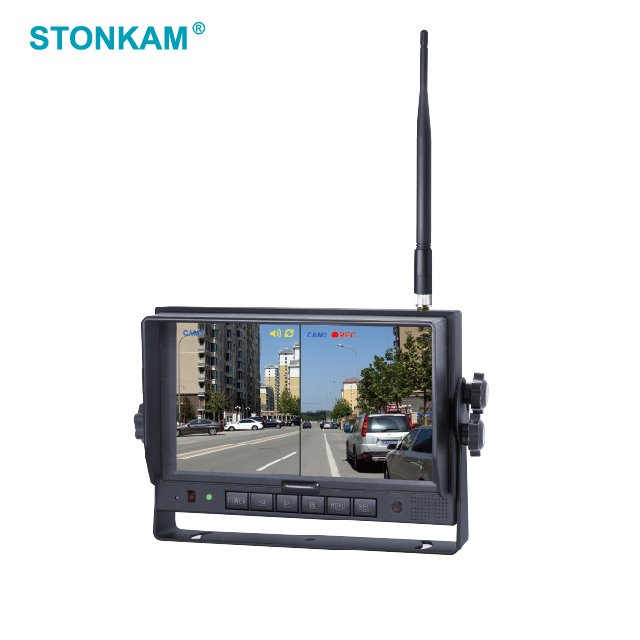
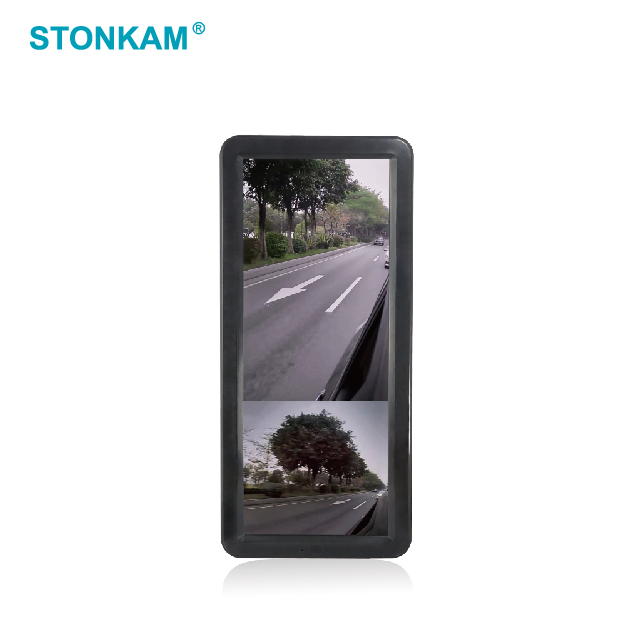
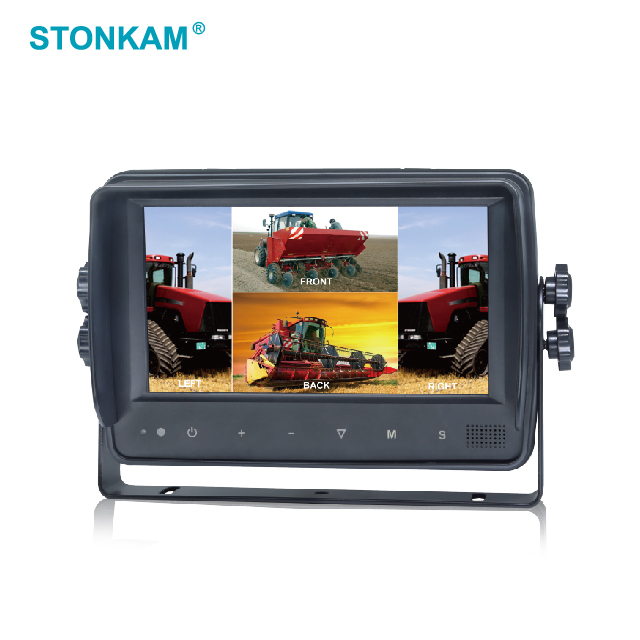
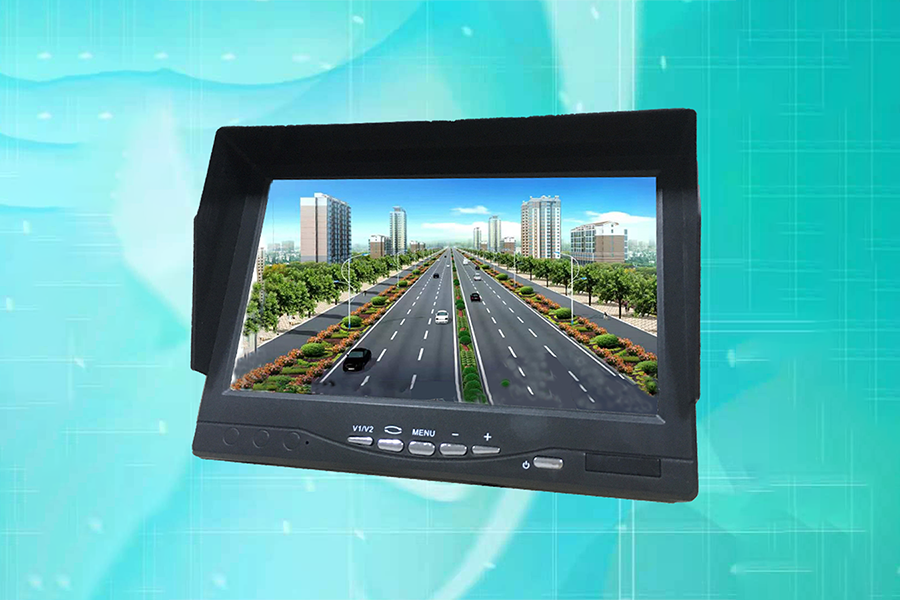
Displays, Monitors and Screens
Source commercial-grade displays, monitors, and screens from vetted manufacturers and suppliers. Designed for importers, wholesale distributors, and security brands seeking OEM or private-label production, our network delivers reliable surveillance hardware in bulk. Partner with us for competitive pricing and stringent quality assurance.
Sourcing displays and monitors for digital and network surveillance requires hardware built for continuous, 24/7 operation. Unlike standard consumer-grade screens, security monitors must manage heat dissipation effectively, resist image retention from static camera feeds, and offer specific legacy and modern I/O arrays. Navigating the manufacturer landscape in production hubs like Shenzhen requires distinguishing between true panel assemblers with cleanroom capabilities and trading companies masking as factories.
Defining Commercial-Grade Surveillance Monitors
The core of any surveillance display is the LCD or LED panel itself. Most Chinese manufacturers do not manufacture the glass (which comes from a few major global fabricators) but rather handle the backlight assembly, housing, control board integration, and firmware. When specifying requirements for a factory, you must dictate the panel grade and technology to ensure the final product meets security industry standards.
| Panel Technology | Viewing Angles | Contrast Ratio | Surveillance Application |
|---|---|---|---|
| IPS (In-Plane Switching) | 178 degrees | Standard | Large control rooms with multiple operators viewing off-center |
| VA (Vertical Alignment) | 178 degrees | High (Deep Blacks) | Dark room monitoring and high-contrast night vision feeds |
| TN (Twisted Nematic) | Narrow | Low | Budget, single-operator security desks |
Beyond the panel type, a true surveillance monitor requires specific control board features. Look for 3D comb filters and 3D noise reduction to clean up analog signals, as well as anti-burn-in technology (pixel shifting) to prevent static camera grids from permanently ghosting on the screen.
Need help verifying a display manufacturer's technical capabilities and panel sourcing? Let our experts guide your procurement.
Talk to our teamManufacturing and Quality Control
The gap between a reliable security monitor and a high-failure-rate screen is usually found in the factory's quality management systems. Because surveillance monitors run 24 hours a day, thermal management is critical. Poor internal layout or cheap power supplies will drastically reduce the Mean Time Between Failures (MTBF).
Before committing to a supplier, thorough factory audits are essential to verify their cleanroom standards for panel assembly and their testing infrastructure.
Essential QC Checks for Security Monitors
- Burn-in testing: Minimum 48 hours at elevated temperatures to catch early power supply or backlight failures.
- Panel grading: Verification of A-grade panels (strict limits on dead/stuck pixels).
- I/O port stress testing: Ensuring BNC, HDMI, and looping outputs are securely mounted to the mainboard.
- Backlight uniformity: Checking for light bleed that can obscure dark surveillance footage.
- Thermal imaging: Identifying hot spots on the rear casing during continuous operation.
Implementing rigorous quality control & inspection before the container is loaded is the only way to prevent defective units from reaching your distribution network.
Customization and OEM Options
For brands looking to establish their own line of security displays, manufacturers offer extensive OEM/ODM services. Customization typically occurs at three levels:
- Housing and Bezels: Ranging from standard plastic injection molds to ruggedized metal casings for industrial environments. You can also specify ultra-narrow bezels for video wall applications.
- Firmware: Custom boot logos, tailored OSD (On-Screen Display) menus, and specific default input settings.
- Mounting: Ensuring strict adherence to VESA mounting standards (e.g., 75x75mm or 100x100mm) with reinforced backplates.
Pricing, MOQs, and Lead Times
Display pricing is highly volatile, tied directly to the global commodity pricing of LCD glass and semiconductor components. When negotiating, understand that the panel accounts for the vast majority of the BOM (Bill of Materials) cost.
If you require specific regulatory marks for your market (such as CE, FCC, or UL), ensure the factory can provide valid test reports, or arrange independent compliance & testing to avoid customs seizures.
Struggling with volatile panel pricing or high MOQs? We negotiate directly with top-tier assemblers to secure better terms.
Get a free consultationFrequently Asked Questions
Sourcing reliable displays and monitors for security applications means looking past the spec sheet and scrutinizing the factory's component supply chain and aging test protocols. When your clients rely on continuous, uninterrupted video feeds, cutting corners on panel grades or power supplies is a risk you cannot afford.
Get Sourcing Help for Displays, Monitors and Screens
Tell us your requirements and our experts will connect you with verified manufacturers.