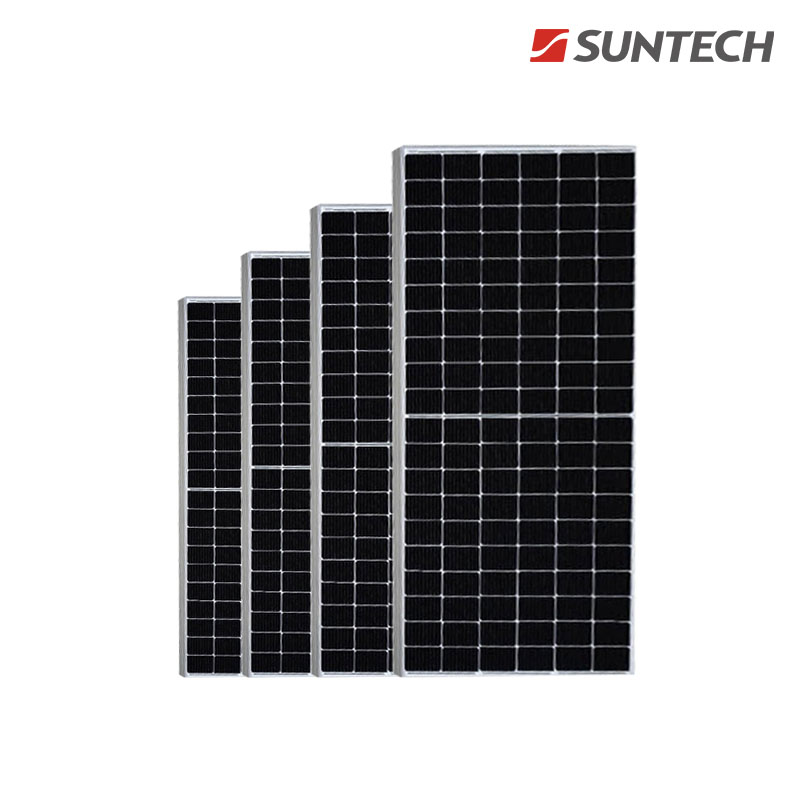
Building-Integrated Photovoltaics (BIPV)
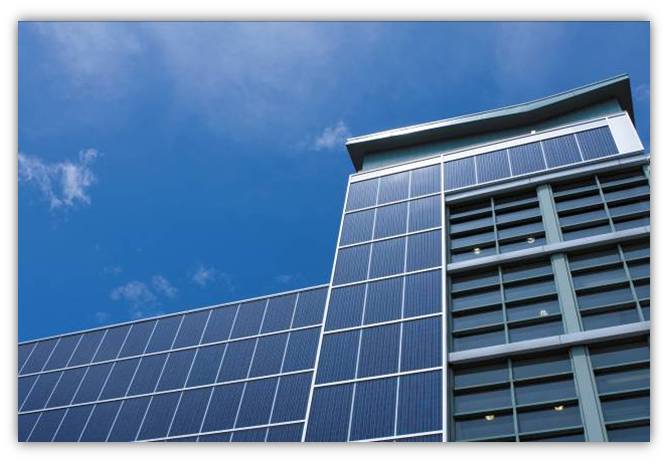
Source commercial-grade Building-Integrated Photovoltaics (BIPV) from vetted suppliers and manufacturers. Designed for architectural material distributors, EPC contractors, and developers, this category provides bulk procurement and custom manufacturing solutions for solar facades, roofs, and smart glass systems that meet strict structural and electrical standards.
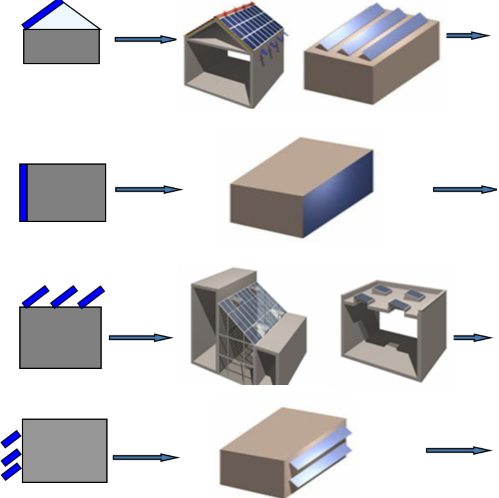
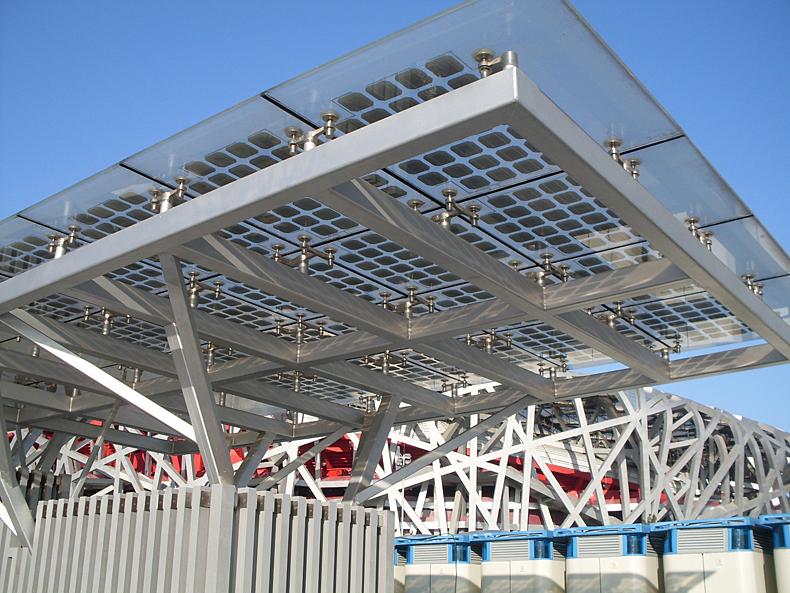
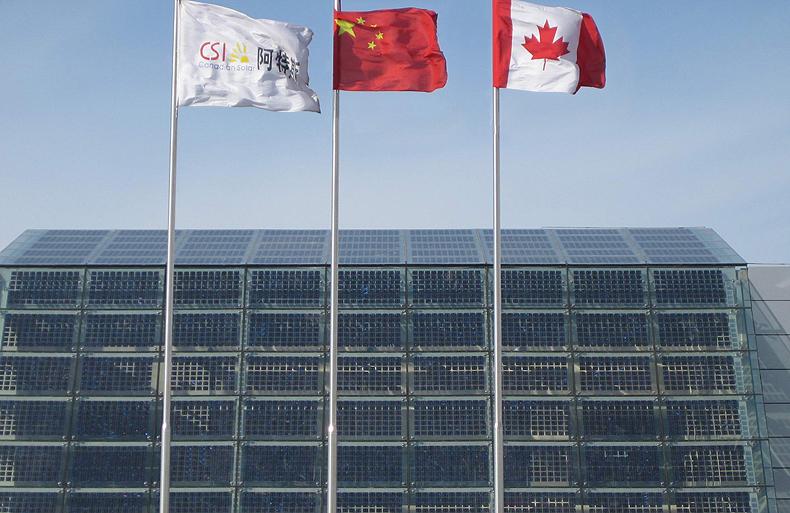
Sourcing Building-Integrated Photovoltaics (BIPV) requires bridging two highly regulated industries: commercial construction materials and renewable energy. Unlike standard solar panels mounted on racks, BIPV modules replace conventional building materials entirely. This means your procurement strategy must balance architectural requirements—such as exact dimensions, color matching, and visible light transmittance (VLT)—with uncompromising electrical performance and structural safety.
When importing BIPV in volume, the margin for error is zero. A failed module on a skyscraper facade is exponentially more expensive to replace than a standard roof panel. Success depends on partnering with manufacturers who understand both glass lamination engineering and photovoltaic cell encapsulation.
Key Technical Specifications for BIPV Procurement
Specifying BIPV for commercial projects or wholesale distribution requires detailing both structural and electrical parameters. Buyers must define:
- Visible Light Transmittance (VLT): Ranging from 0% (opaque spandrel glass) up to 50% for skylights and atriums. Higher transparency means fewer active solar materials and lower power output per square meter.
- Thermal Performance (U-Value): BIPV often acts as the building envelope. Double or triple-glazed BIPV units with argon gas fills and low-E coatings are necessary to meet modern building energy codes.
- Mechanical Load Capacity: Modules must be tested for extreme wind and snow loads, often requiring tempered or heat-strengthened glass configurations (e.g., 6mm + 6mm laminated).
- Power Density: Measured in watts per square meter (W/sqm) rather than per panel, as dimensions are highly variable.
| Technology Type | Typical Efficiency | Aesthetic Profile | Primary Application |
|---|---|---|---|
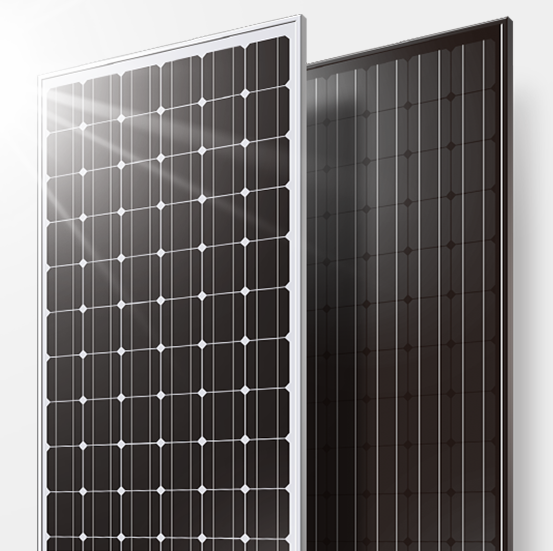
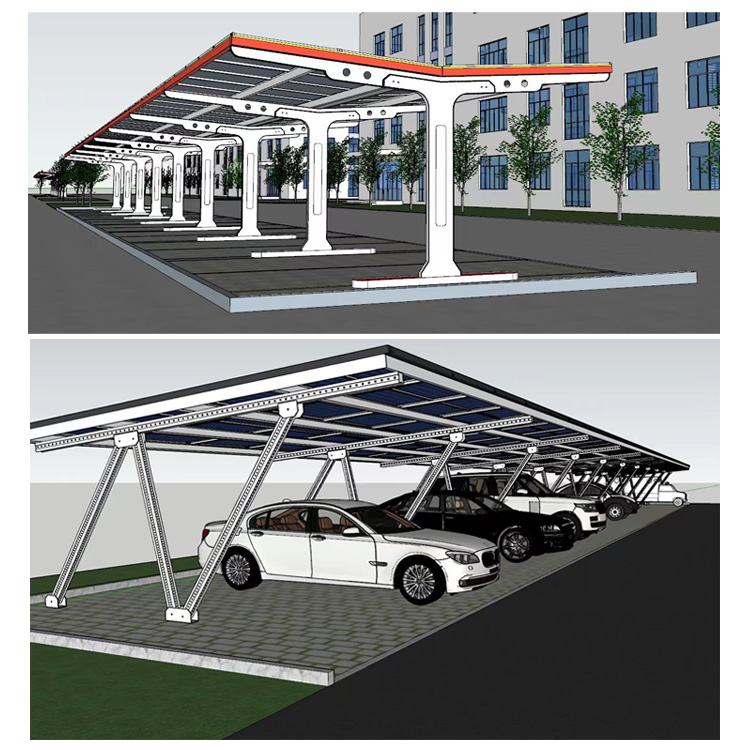
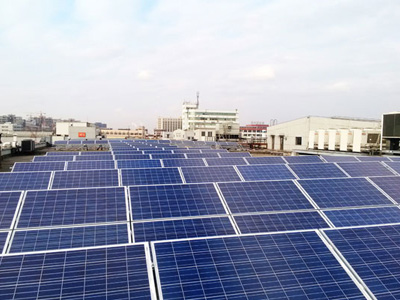
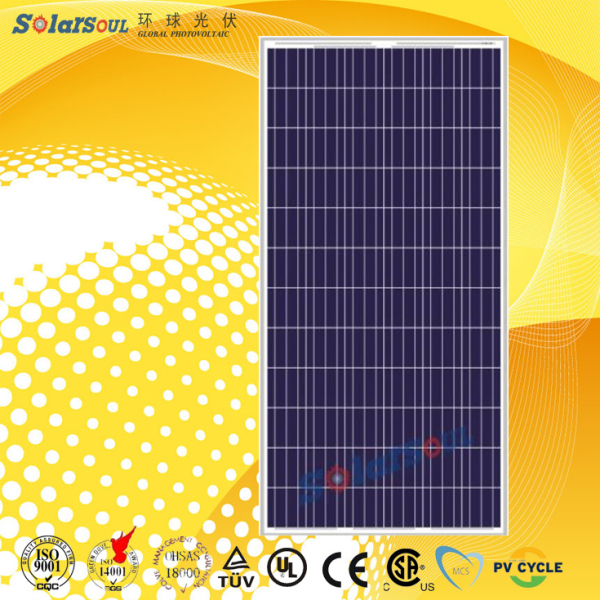
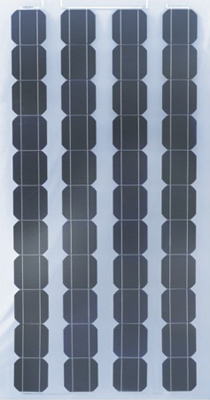
| Crystalline Silicon (c-Si) | 15% to 20% | Visible cell grid, customizable spacing | Roofs, opaque facades, canopies |
| Thin-Film (CdTe / CIGS) | 10% to 15% | Uniform appearance, tintable | Vision glass, skylights, curtain walls |
Because architectural projects rarely use standard dimensions, working with suppliers capable of reliable OEM/ODM services is critical. The factory must be able to adjust cell spacing, glass thickness, and junction box placement without compromising the lamination integrity.
Need help identifying manufacturers capable of custom BIPV dimensions and specialized glass configurations?
Discuss your project specsManufacturing Quality and Factory Vetting
The primary failure modes for BIPV are delamination (where the PVB or EVA encapsulant separates from the glass), moisture ingress at the edges, and micro-cracks in the solar cells. Catching these issues requires stringent oversight on the factory floor.
Evaluating a BIPV supplier goes beyond looking at their solar certifications; they must also be a competent architectural glass manufacturer. Comprehensive factory audits should verify their lamination cleanrooms, autoclave calibration, and edge-sealing processes.
Critical Quality Control Checkpoints
BIPV Inspection Requirements
- Electroluminescence (EL) testing before and after lamination to detect micro-cracks.
- Flash testing (Sun simulator) calibrated to the specific custom dimensions of the batch.
- Visual inspection for encapsulant bubbles, edge seal uniformity, and cell alignment.
- High-voltage (Hi-Pot) testing to ensure electrical isolation within the structural frame.
- Verification of junction box potting and IP67/IP68 waterproof ratings.
Implementing rigorous quality control & inspection prior to shipment is non-negotiable. Once BIPV modules are integrated into a building's curtain wall, replacement costs soar. Furthermore, the products must pass strict compliance and testing standards, including IEC 61215/61730 for solar performance and EN 14449 or equivalent regional standards for laminated safety glass in buildings.
Pricing Structures, MOQs, and Lead Times
BIPV pricing is highly project-dependent. Unlike standard commodities, BIPV is typically priced per square meter rather than per watt, reflecting the high cost of custom architectural glass and specialized lamination.
- Cost Drivers: The thickness and type of glass (e.g., low-iron, tempered, double-glazed), the choice of encapsulant (SentryGlas/SGP is more expensive but more durable than standard PVB), and the complexity of the custom shapes (trapezoids or triangles cost significantly more than rectangles).
- Minimum Order Quantities (MOQs): Standardized BIPV roof tiles may have MOQs around 10 to 20 kilowatts. Custom facade glass projects usually require a minimum of 200 to 500 square meters to justify the engineering and machine setup costs.
- Lead Times: Expect extended lead times. Engineering drawings and prototyping can take 3 to 5 weeks. Once approved, production and curing take an additional 4 to 6 weeks, not including ocean freight.
Managing complex BIPV supply chains requires precise coordination. Talk to our team about securing reliable production schedules and competitive pricing.
Get a sourcing consultationFrequently Asked Questions
Successfully importing BIPV requires meticulous alignment between architectural design, factory capabilities, and international safety standards. By strictly controlling the engineering phase and mandating exhaustive pre-shipment testing, buyers can mitigate the high risks associated with custom architectural solar procurement.
Get Sourcing Help for Building-Integrated Photovoltaics (BIPV)
Tell us your requirements and our experts will connect you with verified manufacturers.