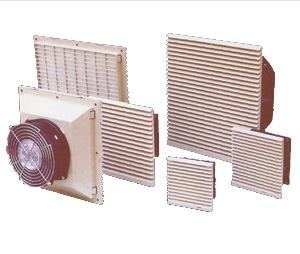
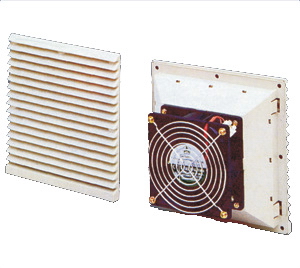
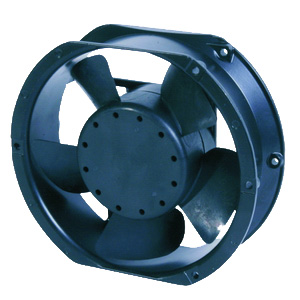
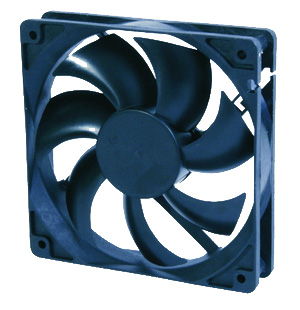
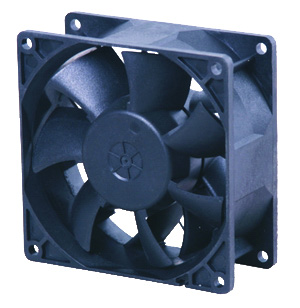
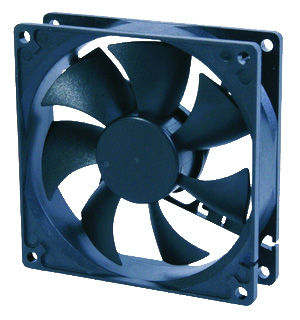
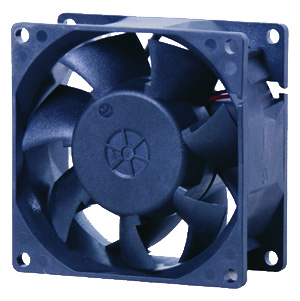
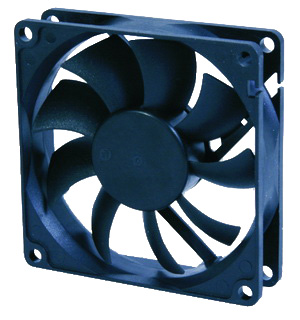
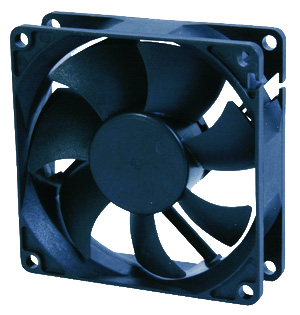
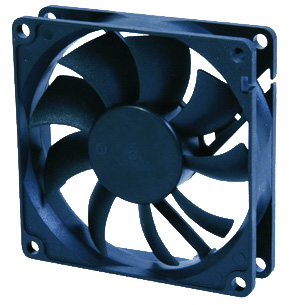
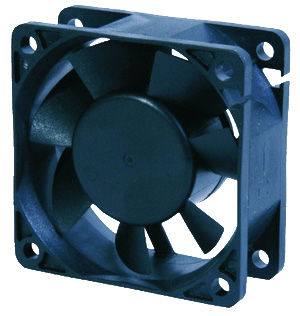
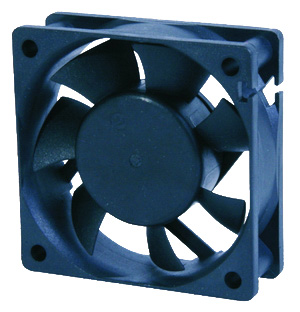
AC Fans
Source bulk AC fans from vetted manufacturers and suppliers across Asia. Designed for importers, industrial distributors, and electronics brands requiring OEM or private-label production, our network delivers reliable thermal management components built to exact specifications and strict international compliance standards.
Procuring AC fans in commercial volumes requires balancing aerodynamic performance, acoustic constraints, and long-term reliability. Whether you are sourcing components for industrial machinery, commercial HVAC systems, or telecommunications enclosures, the thermal management of your end product relies heavily on the quality of the fan's motor and housing. Selecting the right manufacturing partner means looking beyond the spec sheet to evaluate their coil winding precision, bearing sourcing, and end-of-line testing protocols.
Defining Technical Specifications for Production
When approaching an AC fan manufacturer, vague requirements lead to inconsistent production. Factories can easily manipulate unit costs by downgrading internal components that are not explicitly defined in your purchase order.
To ensure consistent performance, your specifications must clearly define the motor type (typically shaded pole or capacitor-run for AC fans), the required airflow (CFM), static pressure, and the acoustic noise limit (dBA).
The most critical specification impacting both cost and longevity is the bearing type.
| Bearing Type | Typical Lifespan | Cost Profile | Ideal Application |
|---|---|---|---|
| Sleeve Bearing | 30,000 hours | Lowest | Cost-sensitive, low-temperature environments |
| Dual Ball Bearing | 50,000 to 70,000 hours | High | High-temperature, continuous 24/7 operation |
| Fluid Dynamic (FDB) | Up to 100,000 hours | Premium | Low noise, high reliability requirements |
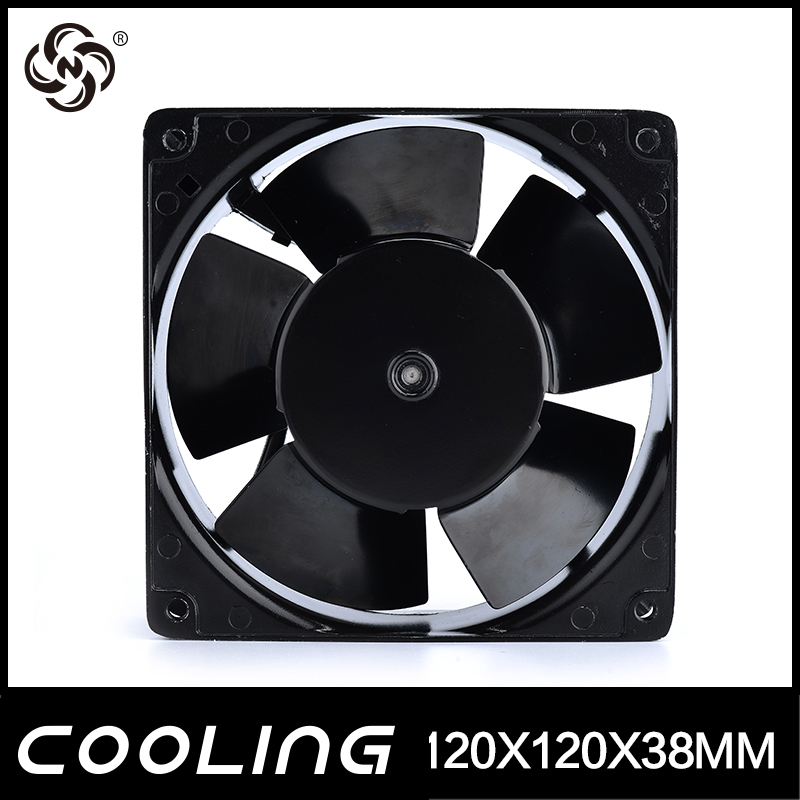
Beyond bearings, specify the housing material. Standard commercial AC fans utilize die-cast aluminum frames for structural rigidity and heat dissipation, while impellers are typically molded from UL 94V-0 rated thermoplastic (such as PBT).
Need help standardizing your AC fan specifications across multiple factory partners? Let our sourcing engineers review your technical requirements.
Talk to our teamManufacturing Quality and Factory Evaluation
The difference between a tier-one supplier and a substandard factory is evident on the production floor. AC fan manufacturing involves precise electromechanical assembly, and defects often stem from poor automated winding or improper impeller balancing.
When conducting factory audits, pay close attention to the motor assembly line and testing stations.
Critical Quality Control Checkpoints
- Dynamic Balancing: Ensure automated balancing machines are used to add or remove weight from the impeller, preventing vibration and premature bearing wear.
- Coil Winding: Verify that copper wire (not copper-clad aluminum) is used, and winding tension is strictly monitored to prevent electrical shorts.
- Dielectric Strength (Hipot) Testing: Every unit should undergo high-voltage testing to ensure insulation integrity and user safety.
- Run-in Testing: Factories should perform elevated temperature burn-in tests on a statistical sample of each batch.
Implementing rigorous quality control and inspection before shipment is essential. Once a container of defective fans arrives at your facility, the cost of rework or replacement often exceeds the original order value.
Sourcing Mechanics: Pricing, MOQs, and Lead Times
The unit cost of an AC fan is highly sensitive to raw material markets, specifically copper (for the motor coils) and aluminum (for the die-cast frames).
If you require custom housing colors, specific wire harness lengths, or proprietary connector terminations, you will likely engage in OEM/ODM services. These customizations generally push MOQs toward the 3,000-unit mark to justify the setup time on the assembly line.
Navigating fluctuating raw material costs and negotiating MOQs can stall your procurement cycle. Speak with our experts to benchmark your current pricing.
Get a free consultationBuyer FAQ
Successfully sourcing AC fans in bulk requires looking past the initial unit quote to understand the total cost of ownership. A fan that saves you a few cents on bearings or copper windings will inevitably cost you exponentially more in field failures and brand reputation. By establishing strict technical standards and enforcing them through diligent oversight, you can secure a reliable, long-term supply chain.
Get Sourcing Help for AC Fans
Tell us your requirements and our experts will connect you with verified manufacturers.