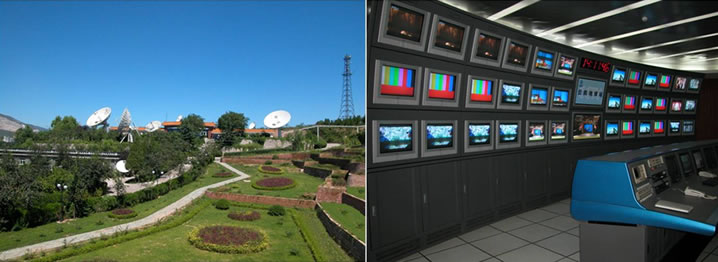
Satellite Broadcasting System for Data, Radio, and TV
This satellite broadcasting system integrates data, radio, and TV programs into a single service platform. It comprises satellite uplink stations and numerous satellite receiving terminals.
View Details →
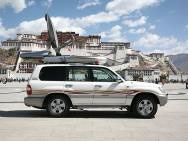
Mobile Satellite Communication System
This system offers a large coverage area and stable transmission lines. It overcomes geographical restrictions, making it suitable for various terrains.
View Details →
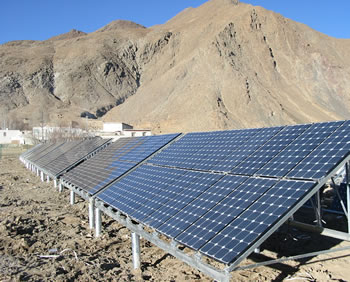
High-Efficiency Solar Cell
This high-efficiency solar cell is designed for photovoltaic power generation systems. It provides a high area to power ratio and delivers high reliability.
View Details →
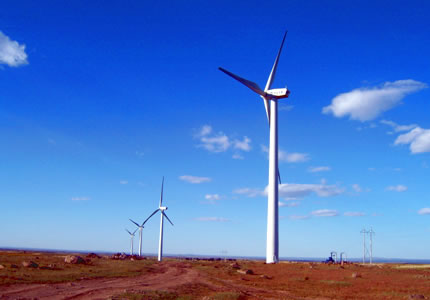
Wind Turbine Generator
This wind turbine generator converts wind's kinetic energy into usable electrical power. It features a multi-stage loop low-speed generator design.
View Details →
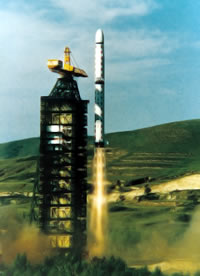
Multi-Stage Launch Vehicle
The LM-4 is a multi-stage rocket intended for launching communications satellites. Engineering development began in 1983.
View Details →
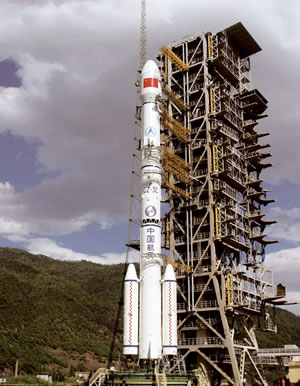
LM-3C Orbital Launch Vehicle
The LM-3C launch vehicle was developed based on the LM-3A. It shares a similar module design with LM-3A and LM-3B.
View Details →
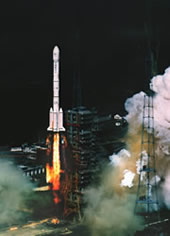
LM-3B Launch Vehicle
The LM-3B launch vehicle facilitates international satellite launches, particularly for high power and heavy communications satellites. Development started in 1986, leveraging proven technology from previous Long March launch vehicles.
View Details →
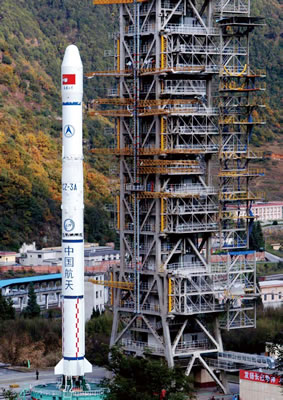
LM-3A Orbital Launch Vehicle
The LM-3A launch vehicle was developed starting in the 1980s, building on proven technology. It successfully performed its maiden flight in February 1994.
View Details →
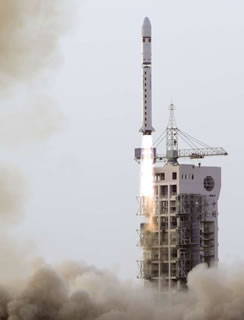
Two-Stage Orbital Launch Vehicle
This two-stage rocket is designed for launching satellites into low Earth orbit (LEO) and sun-synchronous orbit (SSO). It features a payload fairing of 3350mm in diameter and attitude control engine.
View Details →
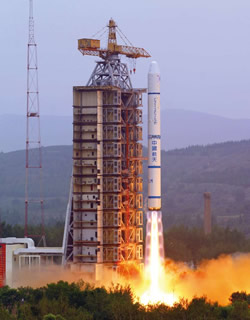
Long March-2C Launch Vehicle
The LM-2C launch vehicle was developed starting in 1970, based on proven technology. Following a successful flight in 1975, the LM-2 was renamed to LM-2C.
View Details →
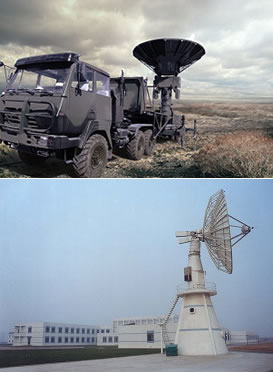
Satellite Ground Station System
This system provides satellite ground application capabilities. It is designed for satellite remote sensing and communication applications.
View Details →