Supply Chain Risk Management: Protecting Your Business from Disruption

#Introduction
Pandemics, trade wars, port strikes, power outages. If the last few years have taught us anything, it's that supply chains are fragile.
Risk management isn't about predicting the future; it's about preparing for the unpredictable. This guide covers practical strategies to build resilience into your sourcing.
#Types of Supply Chain Risk
#Strategy 1: Diversification (China + 1)
Relying on a single factory is a single point of failure.
The "China Plus One" Strategy: Keep your primary manufacturing in China for efficiency, but cultivate a secondary supplier in another country (Vietnam, India, Mexico) or a different region of China.
Single vs. Dual Sourcing
Advantages
- Dual: Reduced risk
- Dual: Negotiation leverage
- Dual: Geographic hedge
Disadvantages
- Dual: Split volume = higher price
- Dual: Double the management effort
- Dual: Consistency challenges
#Strategy 2: Inventory Buffers
Just-in-Time (JIT) inventory saves money... until it doesn't.
Safety Stock Formula: (Max Daily Usage x Max Lead Time) - (Avg Daily Usage x Avg Lead Time)
Keep 2-4 weeks of safety stock to weather minor disruptions.
#Strategy 3: Mapping Your Sub-Tier Suppliers
You know who assembles your product. But who makes the chips? The fabric? The packaging?
If your factory's box supplier catches fire, your product can't ship.
Sub-Tier Visibility
- Identify critical components
- Ask supplier for sub-tier origin
- Verify sub-tier financial health
- Ensure alternative component sources
Ready to Start Sourcing?
Get expert guidance on your sourcing journey. Our team has helped over 200 companies successfully source products from Asia.
Contact Us#Strategy 4: Insurance and Contracts
Contracts: Include penalty clauses for late delivery. Insurance: Ensure your Cargo Insurance covers "General Average" (sharing loss if a ship is damaged) and "All Risk".
#Risk Auditing
Identify
List all potential failure points (supplier, logistics, political).
Assess
Score by Probability (1-5) and Impact (1-5).
Mitigate
Create a plan for high-score risks (e.g., backup supplier for critical parts).
Monitor
Review quarterly.
#Ready to Build Resilience?
A resilient supply chain is a competitive advantage. While competitors are out of stock, you keep selling.
Audit Your Supply Chain
We can assess your current setup and identify hidden risks before they become crises.
Contact UsRelated Resources:
Share this article
Tagged with:
Related Articles

Reduce Manufacturing Lead Times: Strategies for Faster Inventory
Strategies to speed up production and shipping. Learn how to reduce manufacturing lead times without sacrificing quality or increasing risks.

Incoterms Explained: The Ultimate Guide to FOB, CIF, and EXW
Demystify international shipping with this complete guide to Incoterms. Learn when to choose FOB, CIF, or EXW to minimize risk and cost.
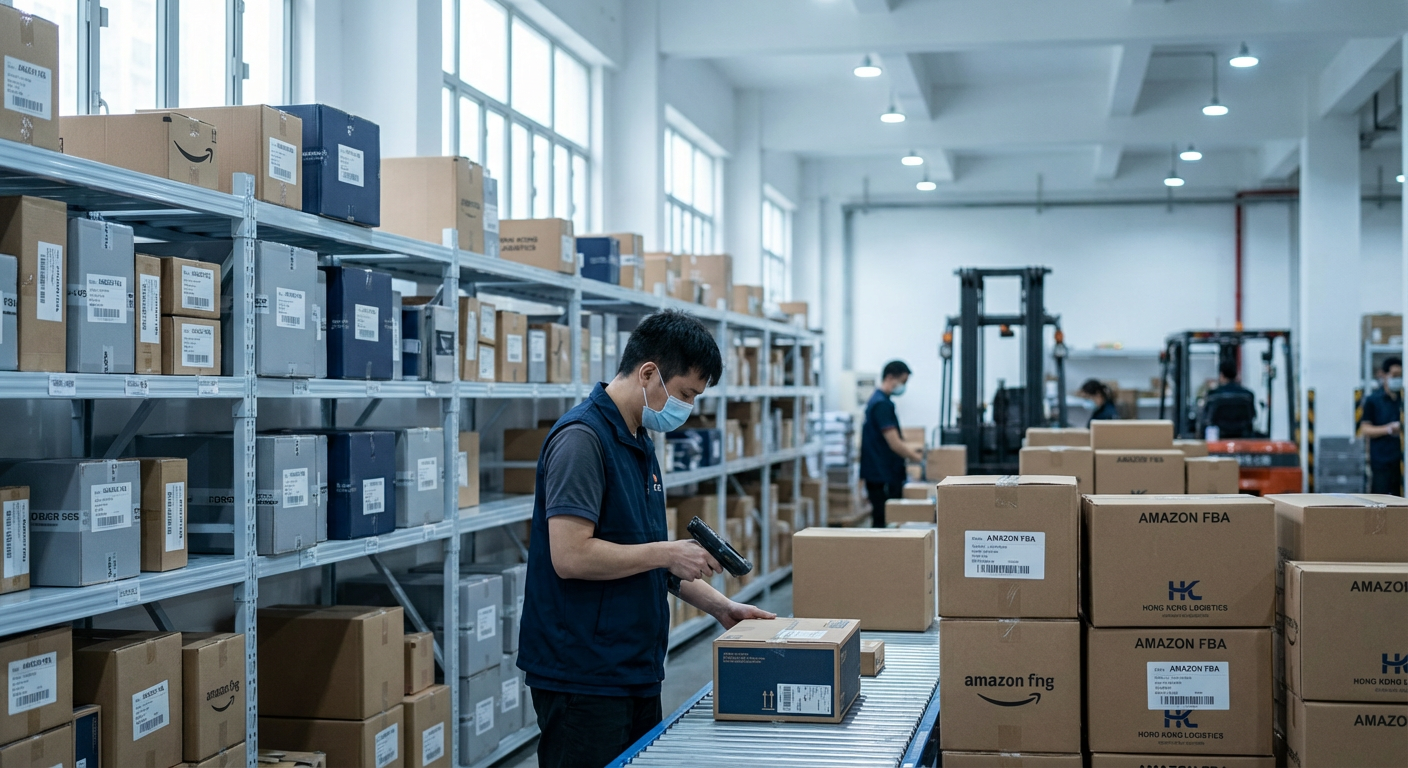
Amazon FBA Sourcing Guide: Finding Products That Sell
Learn how to source products for Amazon FBA from China. A complete guide to requirements, packaging, labeling, and shipping directly to warehouses.