Customs Clearance Guide: Importing from China Without Delays
#Introduction
Your products are manufactured, packed, and shipped. They arrive at the port... and sit there. For weeks.
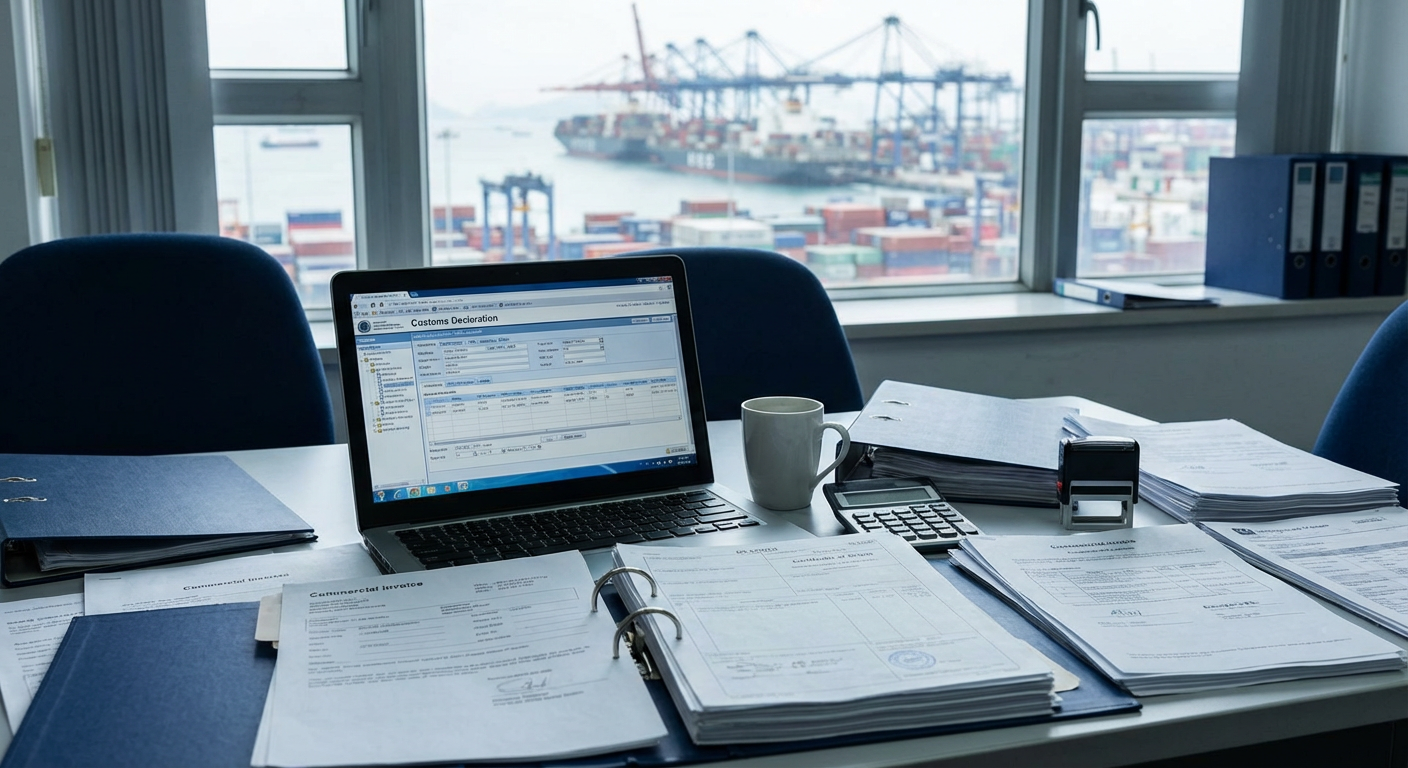
Customs clearance is the final hurdle in international sourcing, and it's where many beginners trip. A missing document, a wrong HS code, or improper labeling can lead to massive storage fees, fines, or even seizure of goods.
This guide explains exactly what you need to clear customs smoothly and legally.
#The Customs Clearance Process
Document Preparation
Supplier provides Commercial Invoice, Packing List, and Bill of Lading.
ISF Filing (US Only)
Importer Security Filing must be submitted 24 hours BEFORE goods load on the vessel.
Arrival & Entry
Customs broker files the entry summary (CBP Form 7501) upon arrival.
Examination
Customs may inspect the cargo (X-ray or physical exam).
Release & Delivery
Duties are paid, and goods are released for pickup.
#Essential Documentation
If you don't have these, your goods aren't moving.
Required Documents Checklist
- Commercial Invoice (Value of goods)
- Packing List (Weight, dimensions, count)
- Bill of Lading (B/L) or Air Waybill
- Certificate of Origin (for tariff reductions)
- Arrival Notice (from carrier)
- Customs Bond (US imports >$2,500)
Value Declaration
Never under-declare the value of your goods to save on taxes. It is illegal and can result in severe penalties and blacklisting.
#HS Codes and Duties
The Harmonized System (HS) Code determines your duty rate. It's a 6-10 digit number that classifies your product.
Example:
- 6109.10: T-shirts, cotton
- 8517.62: Smartphones
Strategy:
- Ask your supplier for the HS code they use.
- Verify it with your local customs broker (codes vary slightly by country).
- Calculate duty: (Value of Goods + Freight*) x Duty Rate. *(Note: US calculates on FOB value; EU calculates on CIF value)
#Common Reasons for Delays
- Missing Country of Origin: "Made in China" must be permanently marked on the product.
- Incomplete Invoice: Missing detailed descriptions or values.
- IP Infringement: Suspected counterfeit goods.
- Regulatory Holds: FDA (food/drugs), FCC (electronics), CPSC (toys) holds.
#Do You Need a Customs Broker?
Unless you are a logistics expert, YES.
A customs broker is licensed to file entries on your behalf. They ensure compliance and handle the complex paperwork. For a fee of $100-$150 per entry, they save you thousands in potential mistakes.
Avoid Customs Nightmares
Our logistics partners provide full customs brokerage services to ensure your goods clear quickly and compliant.
Contact UsRelated Resources:
Share this article
Related Articles
Incoterms Explained: The Ultimate Guide to FOB, CIF, and EXW
Demystify international shipping with this complete guide to Incoterms. Learn when to choose FOB, CIF, or EXW to minimize risk and cost.
Amazon FBA Sourcing Guide: Finding Products That Sell
Learn how to source products for Amazon FBA from China. A complete guide to requirements, packaging, labeling, and shipping directly to warehouses.

Reduce Manufacturing Lead Times: Strategies for Faster Inventory
Strategies to speed up production and shipping. Learn how to reduce manufacturing lead times without sacrificing quality or increasing risks.