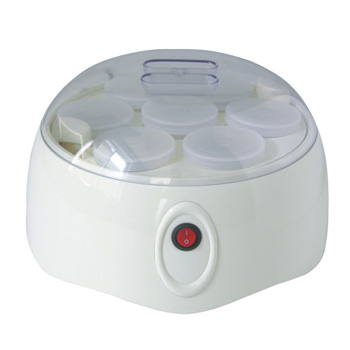
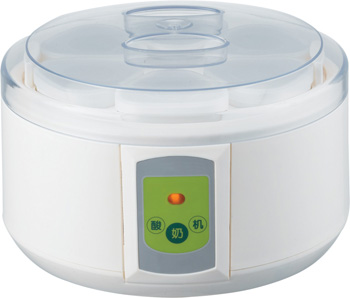
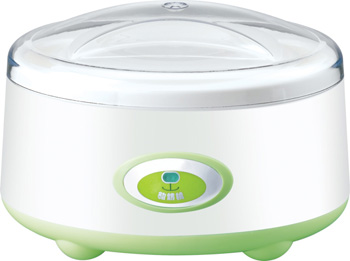
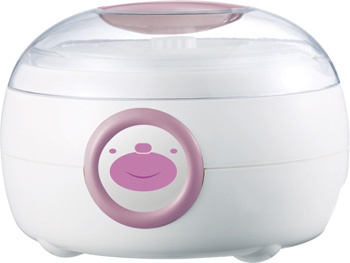
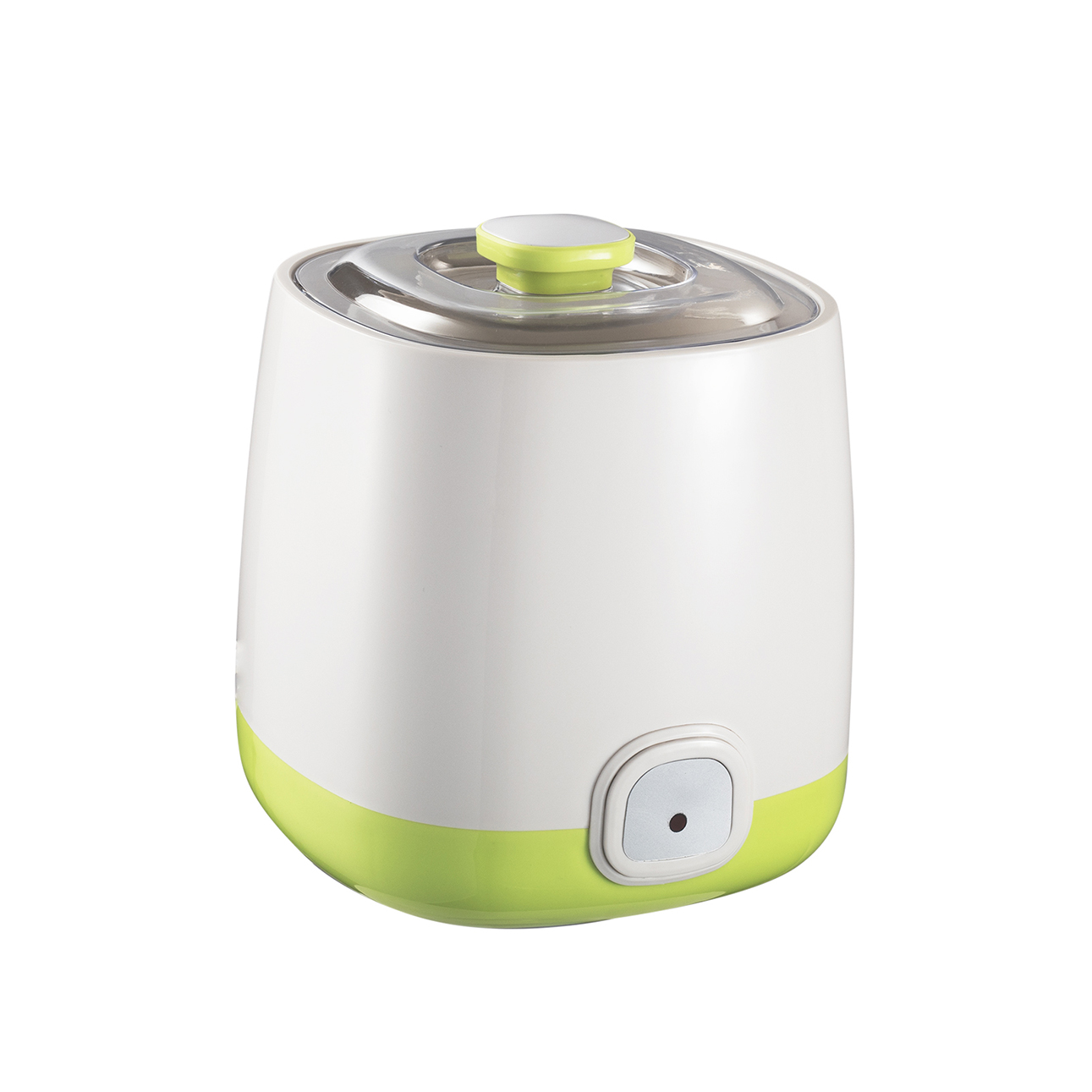
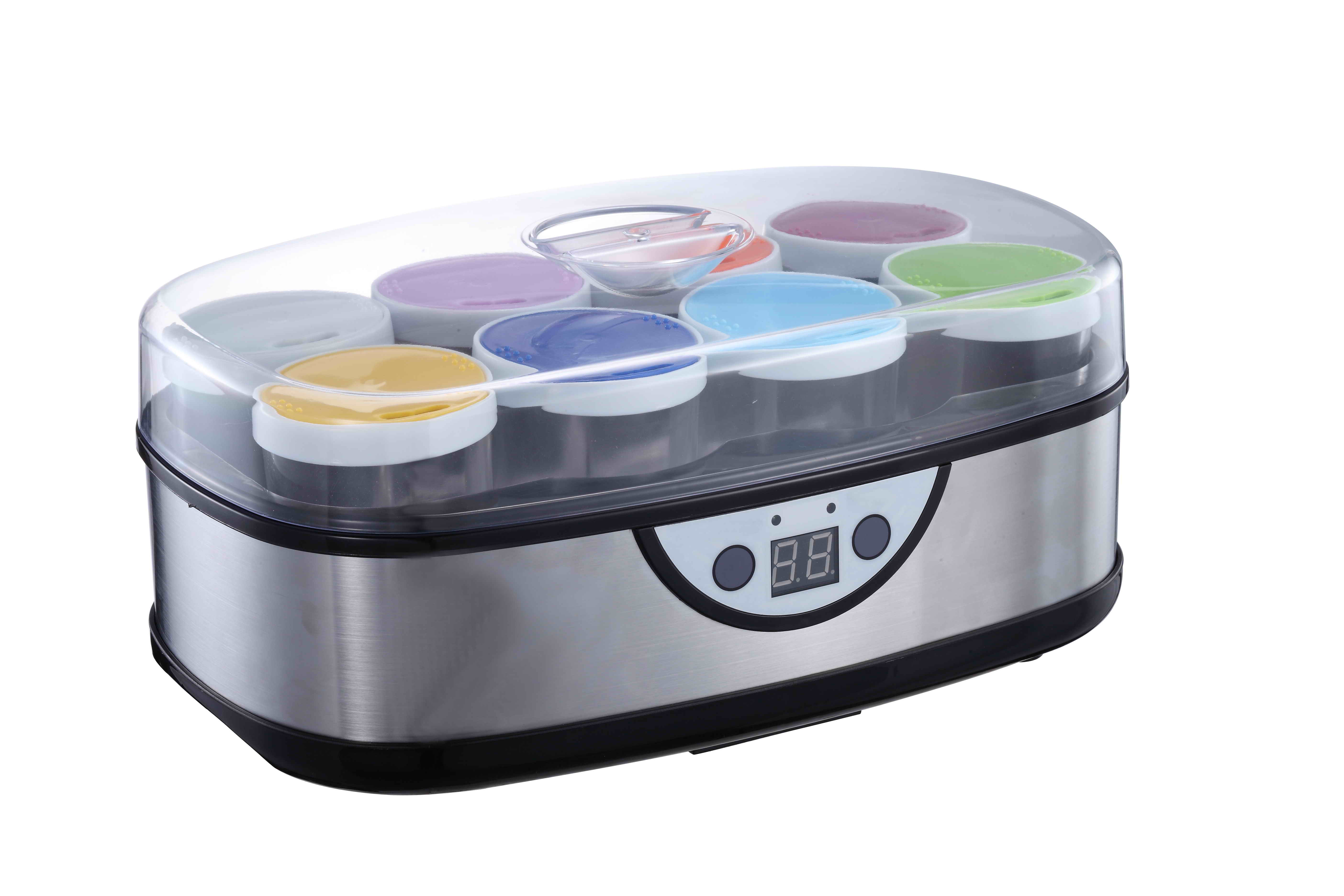
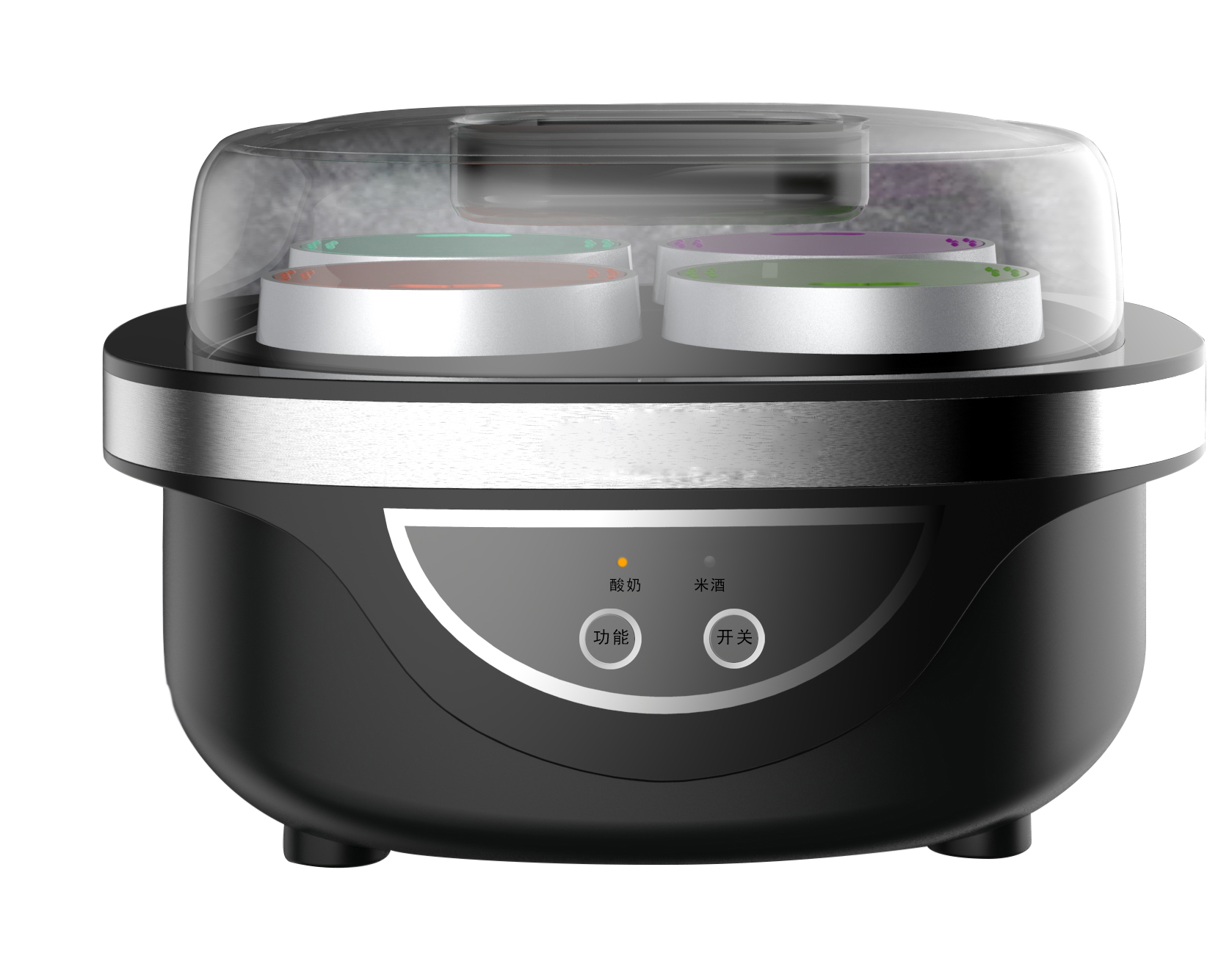
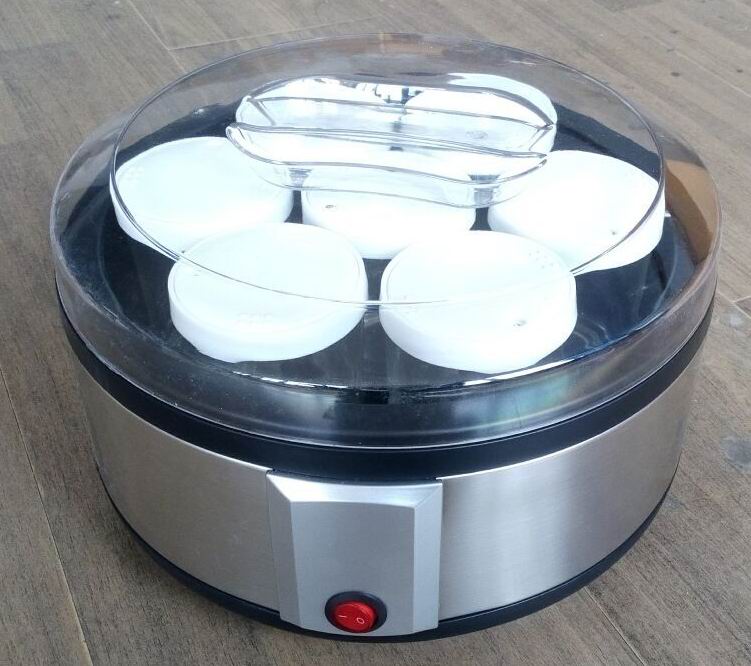
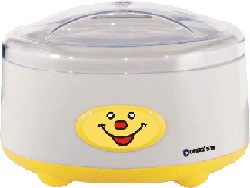
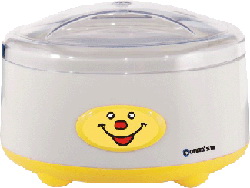
Yogurt Makers
Source high-quality yogurt makers from vetted suppliers and manufacturers across Asia. Designed for importers, wholesalers, distributors, and appliance brands looking for reliable bulk purchasing or custom OEM/ODM production, our network delivers consistent temperature control and safety compliance at scale.
Sourcing yogurt makers in volume requires strict attention to thermal stability, electrical safety, and food-grade material compliance. Because the fermentation process demands a continuous, precise temperature range of 40 to 45 degrees Celsius (104 to 113 Fahrenheit) over an 8-to-12-hour cycle, a variance of just a few degrees can result in product failure. For bulk buyers, the challenge lies in identifying manufacturers who combine reliable heating components with rigorous assembly standards, ensuring low defect rates and long-term performance.
Core Specifications: Heating and Materials
The internal architecture of a yogurt maker dictates its reliability. When evaluating factory prototypes or specifying requirements for a production run, pay close attention to the heating element, temperature sensors, and the materials used for the inner containers.
Most reputable manufacturers utilize PTC (Positive Temperature Coefficient) heating elements. PTC heaters are self-regulating, meaning they naturally stabilize at a specific temperature without complex external controllers, drawing minimal power (typically 15W to 30W). This is paired with NTC (Negative Temperature Coefficient) thermistors to monitor the internal cavity temperature.
The choice of internal container material significantly impacts both the wholesale cost and the end-user experience.
| Container Material | Thermal Retention | Durability | Manufacturing Cost |
|---|---|---|---|
| Borosilicate Glass | Excellent | Fragile but scratch-resistant | High |
| Stainless Steel (SUS304) | Very Good | Highly durable | Medium-High |
| Food-Grade PP (Plastic) | Moderate | Impact resistant | Low |
Quality Control and Common Manufacturing Defects
In small kitchen appliance manufacturing, inconsistencies often arise during the final assembly and wiring stages. A poorly insulated heating element or a misaligned sensor can lead to "thermal runaway," where the unit overheats and melts the plastic housing, posing a severe fire risk.
Implementing rigorous Quality Control & Inspection protocols is essential before any shipment leaves the factory floor.
Critical QC Checks for Yogurt Makers
- Hi-Pot (High Potential) testing to verify electrical insulation and ground continuity.
- Thermal mapping over a full 12-hour cycle to ensure temperature remains within the 40-45 Celsius range.
- Visual inspection of the injection-molded housing for flash, sink marks, or misaligned seams.
- Verification of plug type, voltage rating, and cord strain relief against destination market standards.
- Food-grade material certification checks for all components touching the yogurt.
Struggling with inconsistent product quality from your current supplier? Let us help you implement strict factory-level quality control.
Talk to our teamRegulatory Compliance and Certifications
Yogurt makers sit at the intersection of electrical appliances and food-contact products, meaning they must clear two distinct regulatory hurdles. Failing to secure the correct documentation can result in customs seizures or costly recalls.
For the electrical components, standard market requirements apply: CE and RoHS for Europe, and UL or ETL for North America. For the inner jars and lids, Compliance & Testing must verify that the materials meet FDA standards in the US or LFGB standards in the EU. Always demand verifiable test reports from recognized third-party laboratories rather than relying solely on a factory's internal claims.
Production Realities: MOQs, Pricing, and Lead Times
Understanding standard factory requirements helps in negotiating favorable terms and planning your supply chain.
Pricing is heavily influenced by the container material, the inclusion of digital timers versus analog switches, and the complexity of the housing design. If you are developing a custom product, engaging OEM/ODM Services allows you to control these variables, balancing unit cost against premium features. Tooling for a new injection-molded housing typically adds 25 to 40 days to the initial development timeline.
Ready to scale your appliance sourcing? We manage the entire process from factory vetting to final delivery.
Get a free consultationFrequently Asked Questions
Successfully importing yogurt makers requires partnering with manufacturers who understand the delicate balance of thermal management and electrical safety. Thorough Factory Audits are the most effective way to verify a supplier's engineering capabilities and assembly standards before committing to a large volume order.
Get Sourcing Help for Yogurt Makers
Tell us your requirements and our experts will connect you with verified manufacturers.