Woodworking Machinery Parts
Source bulk Woodworking Machinery Parts from vetted Chinese manufacturers and suppliers. Designed for importers, wholesalers, distributors, and machinery brands seeking reliable OEM or private-label production, our catalog connects you directly with factory-direct pricing on high-precision components built for demanding industrial applications.
Woodworking machinery operates under severe conditions: extreme RPMs, highly abrasive dust, and continuous heavy-duty loads. Whether you are sourcing replacement parts for wholesale distribution or custom components for your own equipment brand, the margin for error is non-existent. Sourcing reliable woodworking machinery parts at scale requires strict attention to material metallurgy, dynamic balancing, and dimensional tolerances.
Critical Specifications for High-Speed Components
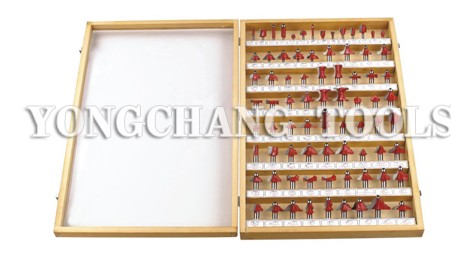
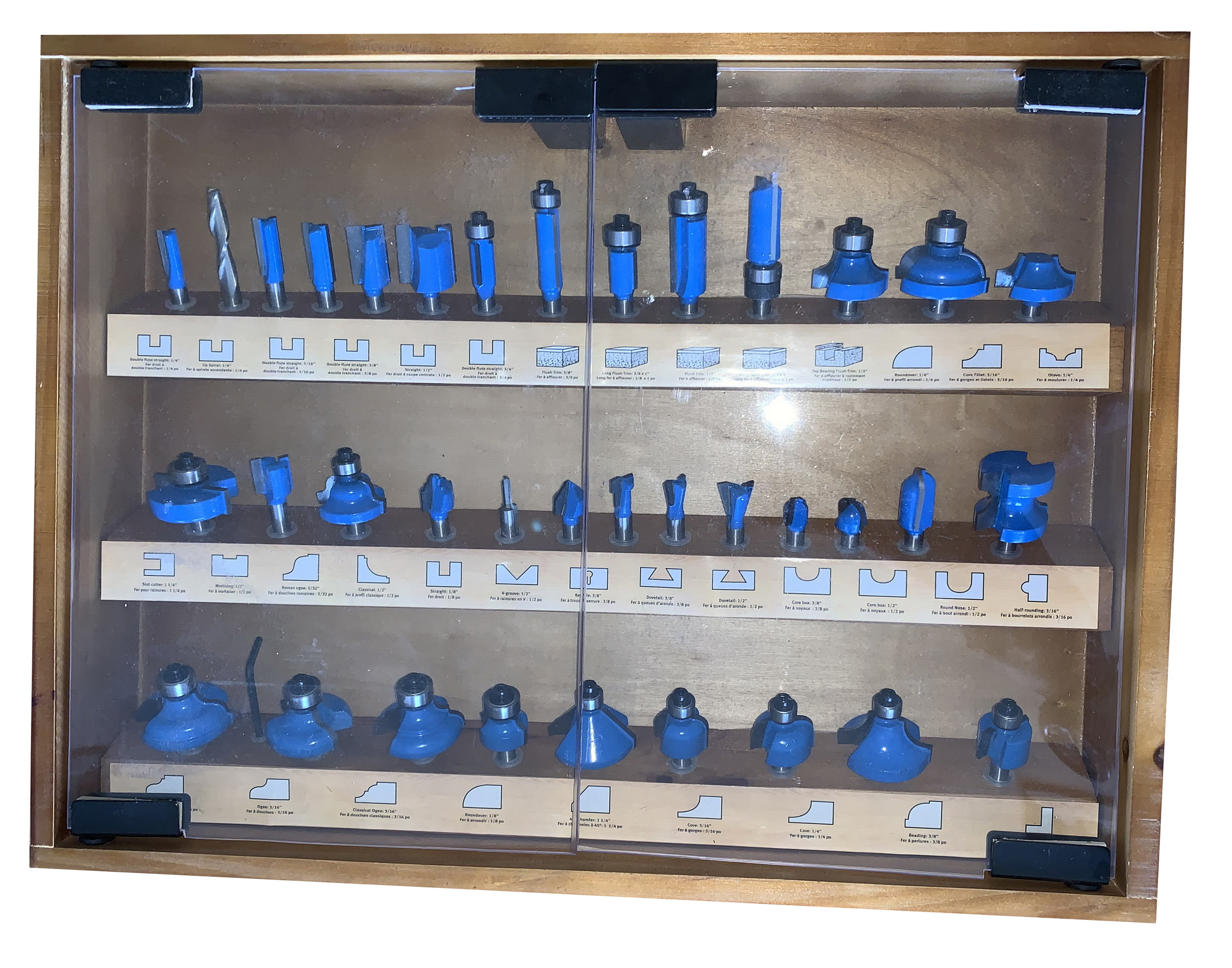
Because woodworking spindles, cutter heads, and router bits frequently operate between 12,000 and 24,000 RPM, standard industrial tolerances are rarely sufficient. Even microscopic imbalances will cause vibration, leading to chatter marks on the finished wood and premature bearing failure.
When specifying parts to overseas manufacturers, your technical requirements must be explicit.
| Component Type | Primary Material | Critical Specifications |
|---|---|---|
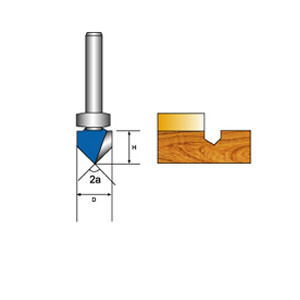
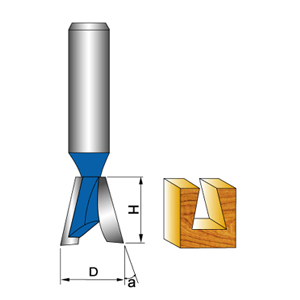
| Cutter Heads & Blades | Micro-grain Tungsten Carbide (TCT) or HSS | Hardness (HRC 60+), Edge retention, Concentricity |
| High-Speed Spindles | Forged Alloy Steel | Runout (under 0.005mm), ISO 1940-1 G2.5 dynamic balance |
| Feed Rollers | Polyurethane (PU) or Rubber over Steel Core | Shore A hardness (usually 60-85), Delamination resistance |
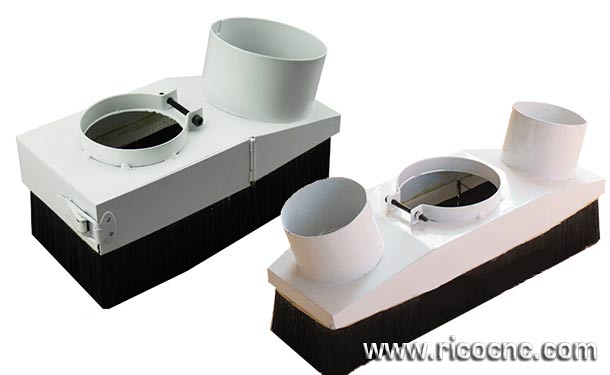
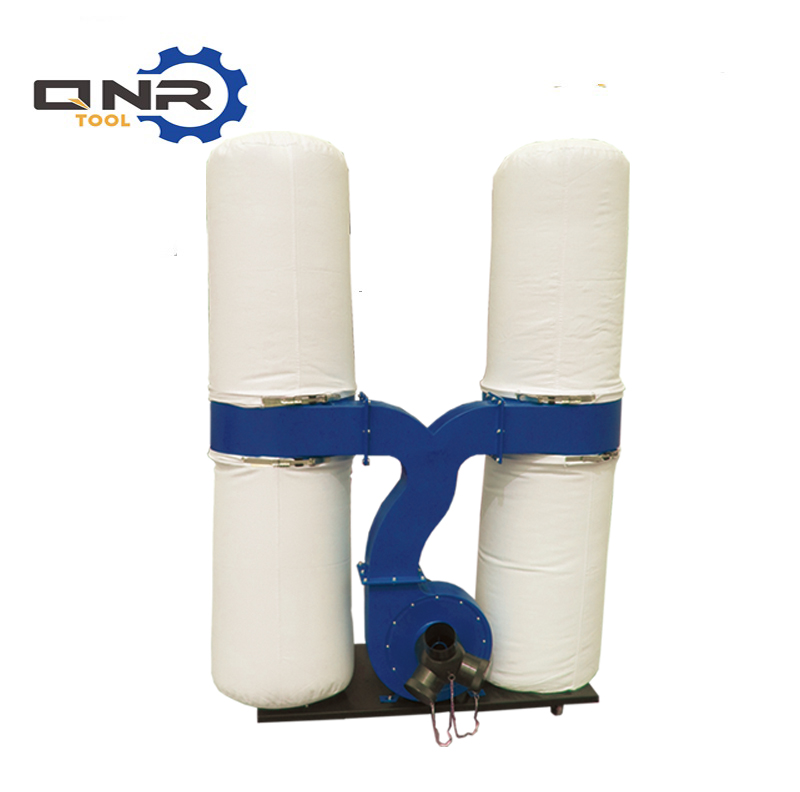
| Dust Extraction Parts | Galvanized Steel, Anti-static PVC | Airflow optimization, Abrasion resistance |
The Importance of Heat Treatment and Balancing
Many mid-tier factories in China outsource their heat treatment and dynamic balancing. If these secondary processes are poorly controlled, the parts will fail under load. When evaluating a new supplier, it is highly recommended to conduct rigorous Factory Audits to verify whether they have in-house balancing equipment (such as Schenck balancing machines) and how they manage their heat treatment subcontractors.
Need to verify a factory's machining tolerances and quality control systems before placing a bulk order?
Talk to our teamManufacturing Quality Control: Where Defects Happen
Wood dust is highly abrasive and hygroscopic (it absorbs moisture). Machinery parts must be designed and manufactured to withstand this specific environment.
Key Inspection Points for Woodworking Parts
- Bearing Seals: Ensure high-speed bearings utilize double-lip or labyrinth seals to prevent fine wood flour ingress.
- Surface Finish: Check cast iron tables and fences for precision grinding and appropriate rust-inhibiting treatments.
- Polyurethane Bonding: Test feed rollers for proper adhesive bonding between the steel core and the PU layer to prevent delamination under heavy feed pressures.
- Dynamic Balancing: Request balancing reports for all rotating components (pulleys, cutter heads, spindles) before shipment.
Implementing strict Quality Control & Inspection protocols at the factory—specifically pre-shipment inspections that verify runout and balance—is the most effective way to prevent defective batches from reaching your warehouse.
Pricing, MOQs, and Lead Times
The sourcing mechanics for woodworking machinery parts depend heavily on whether you are buying standardized aftermarket components or developing custom parts through OEM/ODM Services.
Pricing is driven by raw material costs (especially for tungsten carbide and specialized alloys) and the required machining time. Tightening a runout tolerance from 0.02mm to 0.005mm can double the machining cost due to the required precision grinding and higher rejection rates at the factory level.
Looking to consolidate parts from multiple specialized manufacturers into a single shipment?
Get a free consultationFrequently Asked Questions
Sourcing woodworking machinery parts is an exercise in risk management. A single out-of-balance cutter head or poorly sealed bearing can cause significant machinery downtime and damage your brand's reputation. Success requires working with specialized manufacturers who understand the unique demands of the woodworking industry, backed by uncompromising quality control.
Get Sourcing Help for Woodworking Machinery Parts
Tell us your requirements and our experts will connect you with verified manufacturers.