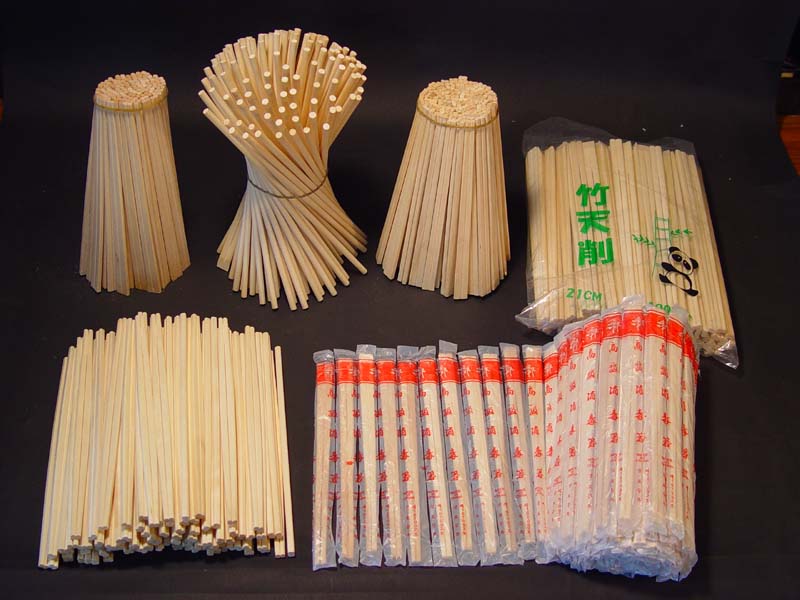
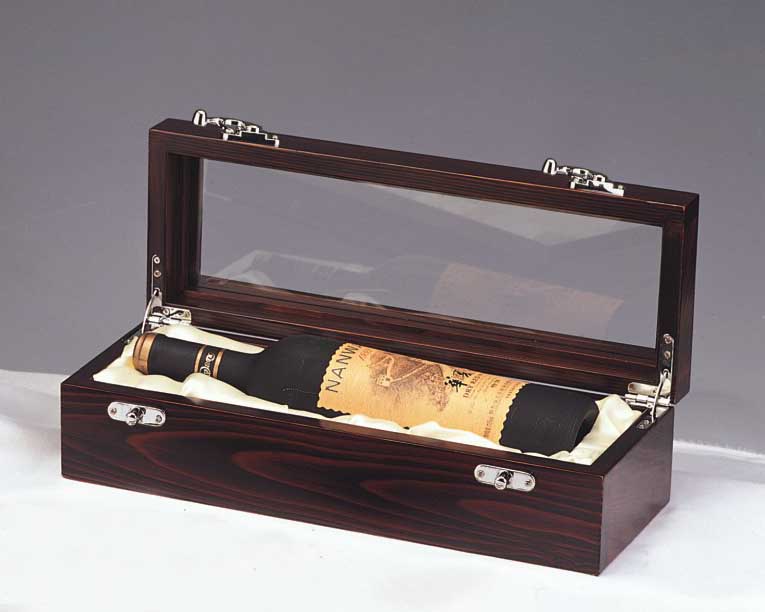
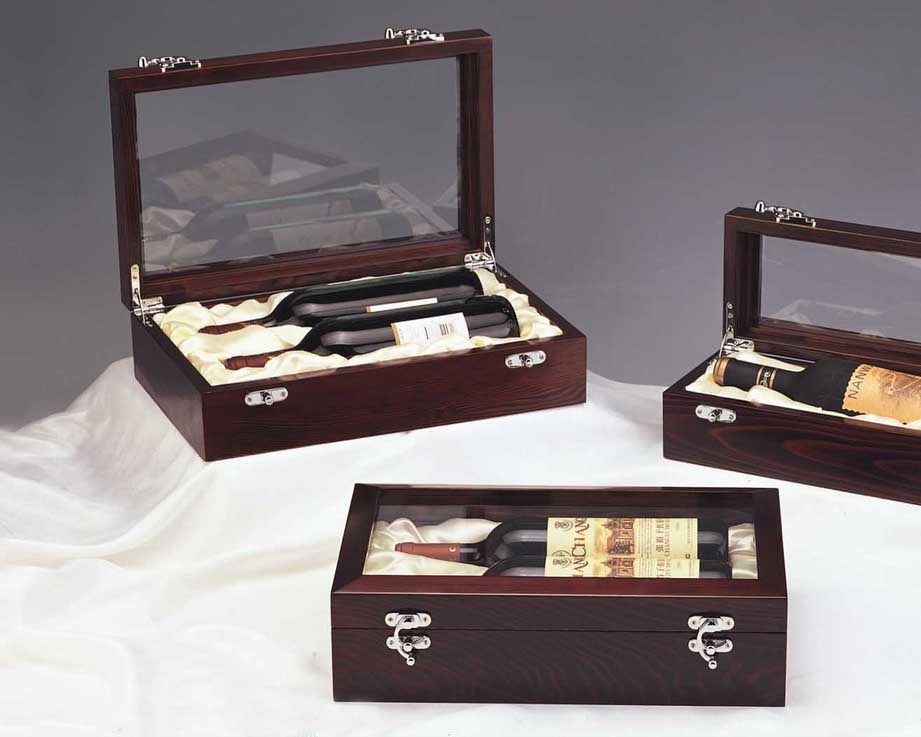
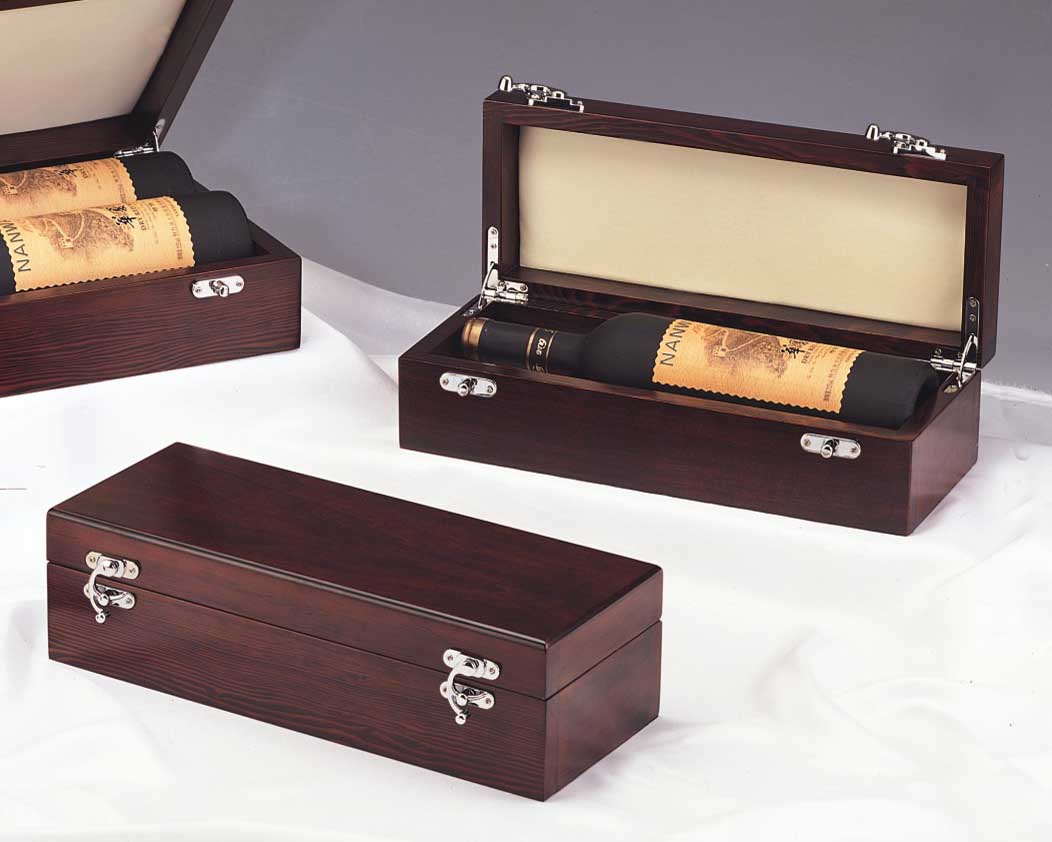
Wooden & Bamboo Boxes
Source premium Wooden & Bamboo Boxes from vetted manufacturers and suppliers. Designed for importers, wholesalers, distributors, and brands seeking reliable OEM and private-label production, our bulk wholesale packaging solutions offer exceptional craftsmanship and scalable capacity. Find your ideal factory partner below.
Sourcing wooden and bamboo boxes at scale requires balancing aesthetic appeal with rigid structural stability. Unlike standard paper or plastic packaging, natural materials are highly susceptible to environmental changes during ocean transit. The core challenge for volume buyers lies in controlling moisture content, ensuring precise hardware alignment, and maintaining finish consistency across thousands of units.
Material Selection & Moisture Management
The foundation of a high-quality box is the raw material and how it is processed before assembly. Common choices range from fast-growing, cost-effective options like pine, paulownia, and bamboo, to premium hardwoods like walnut, oak, and mahogany.
Regardless of the species, moisture management is the single most critical factor in production. Wood and bamboo are hygroscopic; they absorb and release moisture based on their environment.
Moisture Content (MC) is Critical
Failing to specify a Moisture Content (MC) tolerance based on your destination climate will result in warping, cracking, or mold during sea freight. Always specify a strict MC range (typically 8 to 12 percent for North America and Europe) and ensure the factory has industrial kiln-drying capabilities.
Manufacturing Precision and Hardware Integration
A wooden box is only as premium as its fit and finish. High-end packaging requires tight tolerances that can only be achieved with well-maintained CNC routing and precise assembly jigs.
When evaluating a factory's capabilities, pay close attention to:
- Joint Construction: Are they using simple butt joints with staples, or stronger box joints, dovetails, and mitered joints with splines?
- Hardware Alignment: Hinges, clasps, and concealed magnets must sit perfectly flush. Even a millimeter of misalignment will cause the lid to overhang or fail to close smoothly.
- Wall Thickness: Thinner walls reduce shipping weight and material costs but increase the risk of warping. Bamboo, due to its laminated structure, can often be milled thinner than solid wood while retaining structural integrity.
Need help verifying a factory's CNC and assembly capabilities? We can evaluate their production lines and technical competence before you commit to an order.
Talk to our teamSurface Finish and Quality Control
The finishing process dictates the final tactile and visual quality of the box. Factories typically use Polyurethane (PU), Nitrocellulose (NC), or UV-cured lacquers, alongside natural oils for eco-friendly positioning.
Inconsistent sanding between coats leads to rough patches, while poor drying environments cause dust inclusions and "orange peel" textures in the lacquer. To prevent these defects from reaching your warehouse, robust Quality Control & Inspection protocols must be implemented directly on the factory floor.
Critical QC Checks for Wood & Bamboo Boxes
- Moisture content verification using calibrated pin meters on raw and finished goods
- Hardware pull-tests and visual alignment checks (zero lid overhang allowed)
- Finish consistency (checking for pooling, drips, dust inclusions, or rough edges)
- Odor testing (ensuring lacquers and glues are fully cured prior to packing)
- Drop testing of the final export carton to verify internal protective packaging
Customization and OEM/ODM Production
For brands looking to elevate their product presentation, wooden and bamboo boxes offer extensive customization. Whether you are developing a completely new structural design through OEM/ODM Services or applying custom branding to an existing mold, the application method matters.
Laser engraving provides a permanent, tactile logo but can burn inconsistently depending on the wood grain. Silk-screen printing offers vibrant colors but requires perfectly smooth, sealed surfaces to prevent ink bleeding. Hot stamping with metallic foils works exceptionally well on lacquered premium woods. If your project requires complex custom inserts (EVA foam, molded pulp, or velvet-lined card), coordinating these elements requires meticulous Branding & Design alignment with the manufacturer.
Pricing, MOQs, and Lead Times
Pricing for wooden and bamboo boxes is highly variable, driven by material choice, dimensions, hardware quality, and the complexity of the finish.
| Material | Typical MOQ | Cost Profile | Common Applications |
|---|---|---|---|
| Pine / Paulownia | 1,000 - 3,000 | Low to Medium | Wine boxes, basic gift sets, craft blanks |
| Bamboo | 1,000 - 2,000 | Medium | Eco-friendly packaging, cosmetics, tea boxes |
| Walnut / Mahogany | 500 - 1,000 | High | Luxury watches, high-end jewelry, spirits |
Lead times for custom production generally span 15 to 25 days for prototyping and sampling, followed by 35 to 45 days for mass production. Factoring in drying times for both the raw wood and the applied lacquers is essential; attempting to rush production inevitably leads to quality failures.
Looking for accurate pricing for your custom packaging design? Share your specifications with us for a detailed, realistic cost breakdown.
Get a free consultationFrequently Asked Questions
Securing high-quality wooden and bamboo packaging at scale is an exercise in risk management. A supplier's showroom samples will always look flawless, but their ability to replicate that quality across ten thousand units depends entirely on their environmental controls and internal processes. Conducting thorough Factory Audits prior to placing your deposit is the most effective way to ensure your packaging partner can actually deliver on their promises.
Get Sourcing Help for Wooden & Bamboo Boxes
Tell us your requirements and our experts will connect you with verified manufacturers.