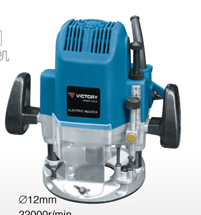
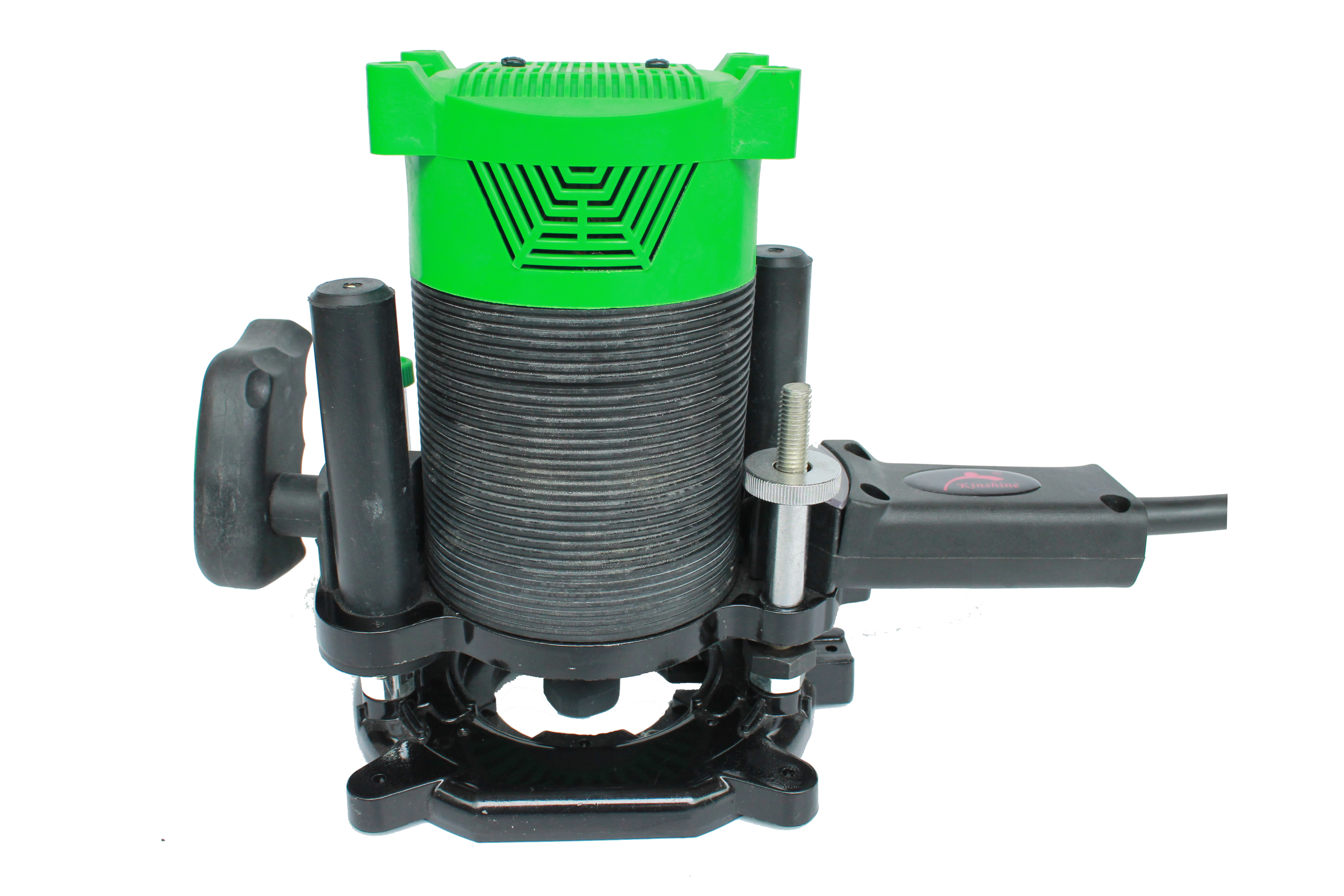
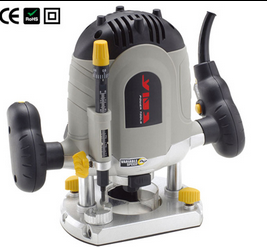
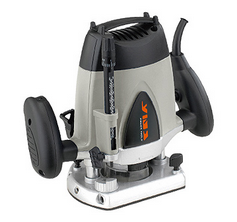
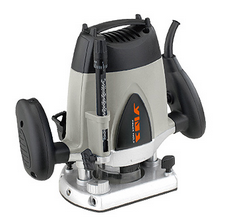
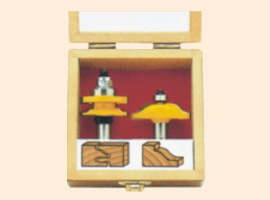
Wood Routers
Source industrial and commercial-grade wood routers from vetted suppliers and manufacturers. Designed for importers, woodworking machinery distributors, and brands seeking reliable OEM/ODM production, this catalog features high-performance routing equipment built for precision and volume manufacturing.
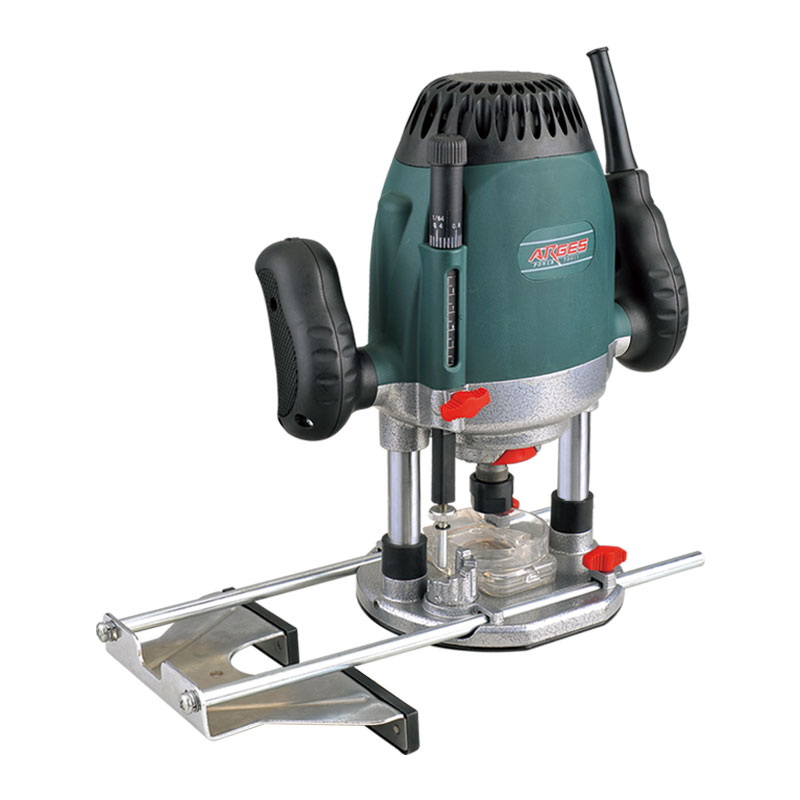
Sourcing commercial wood routers requires balancing motor endurance with precision tolerances. Whether you are importing heavy-duty plunge routers for construction distributors or sourcing fixed-base models for cabinet shops, the primary challenge lies in verifying internal component quality. What appears to be a rugged magnesium housing on the outside can easily hide poorly wound motors that overheat under continuous load, or unbalanced armatures that cause excessive vibration and bit chatter.
To build a reliable supply chain for power tools, buyers must look past the exterior casing and mandate strict requirements for motor winding, bearing grades, and electronic speed control (ESC) reliability.
Core Technical Specifications to Define
When negotiating with manufacturers, vague specifications lead to inconsistent batches. Professional buyers must define the exact performance metrics required for their target market.
- Motor Windings & Insulation: Specify 100 percent copper windings. Cheaper units often substitute copper-clad aluminum (CCA), which severely reduces the tool's lifespan under heavy load. The insulation class should be Class F or higher to withstand high operating temperatures.
- Collet Systems: Standard capacities are 1/4-inch and 1/2-inch (or 6mm and 12mm for metric markets). The collet cone and nut must be precision-machined steel; cast alloys here will fail and cause dangerous bit slippage.
- Electronic Speed Control: Modern commercial routers require soft-start modules to prevent jarring upon startup, and constant-speed circuitry to maintain RPM when the bit engages the wood.
Need to verify a factory's motor winding and assembly standards before placing a bulk order?
Talk to our teamWhere Quality is Won or Lost on the Factory Floor
The difference between a DIY-grade router and a professional tool is dictated by the manufacturer's assembly tolerances and component sourcing. If you are not conducting rigorous Quality Control & Inspection during production, you risk importing tools that fail prematurely.
Critical Factory-Level Quality Checks
- Armature Balancing: Armatures must be dynamically balanced to prevent high-RPM vibration.
- Bearing Sourcing: Specify sealed, dust-proof bearings from reputable brands (e.g., NSK, SKF or top-tier domestic equivalents).
- Plunge Mechanism Machining: The plunge posts must be centerless ground and brass-bushed for smooth, bind-free travel.
- Switch Durability: Dust-sealed toggle or trigger switches rated for minimum 50,000 cycles.
- Die-Cast Density: Inspect aluminum or magnesium housings for porosity which can lead to structural failure.
OEM/ODM Customization and Private Labeling
Many importers choose to leverage OEM/ODM Services to build their own brand of power tools rather than reselling factory brands. Modifying an existing factory platform (white labeling) is the fastest route to market, while full OEM requires custom tooling.
| Customization Level | White Label (Off-the-shelf) | Full OEM (Custom Tooling) |
|---|---|---|
| Housing Design | Standard factory molds | Custom exterior design & ergonomics |
| Color & Branding | Custom Pantone & labels | Embossed logos, custom colors |
| Internal Components | Factory standard options | Buyer-specified bearings, ESC, wiring |
| Time to Market | 30 to 45 days | 90 to 120+ days (including tooling) |
Before committing to custom tooling, it is highly recommended to execute comprehensive Factory Audits to ensure the supplier has the actual engineering capability and testing facilities to support custom product development.
Pricing Drivers, MOQs, and Lead Times
Wood router pricing is highly sensitive to raw material costs—specifically copper for the stators/armatures and aluminum/magnesium for the housings.
- Minimum Order Quantities (MOQs): For standard white-label orders with custom colors and packaging, expect MOQs between 500 and 1,000 units. For full OEM projects requiring new injection molds or die-casting tooling, factories typically require commitments of 2,000 units or more to amortize setup costs.
- Cost Drivers: Upgrading from generic Chinese bearings to Japanese NSK bearings will add a few dollars per unit but drastically reduce warranty claims. Similarly, adding advanced constant-response electronic modules increases the unit cost but elevates the tool to professional-grade status.
- Lead Times: Standard production runs typically take 45 to 60 days. If you are ordering during peak seasons or requiring specialized safety certifications (UL, CSA, CE), allow an additional 15 to 30 days for compliance testing and component sourcing.
Looking to negotiate better pricing, lower MOQs, or consolidate shipments from multiple tool manufacturers?
Get a free consultationSuccessfully sourcing wood routers in bulk means paying strict attention to what happens inside the motor housing. By defining exact specifications for windings, bearings, and electronics, and enforcing those standards through rigorous inspection, importers can secure highly competitive, professional-grade tools. If you need experienced personnel on the ground to manage supplier vetting and quality control, our sourcing team is ready to assist.
Get Sourcing Help for Wood Routers
Tell us your requirements and our experts will connect you with verified manufacturers.