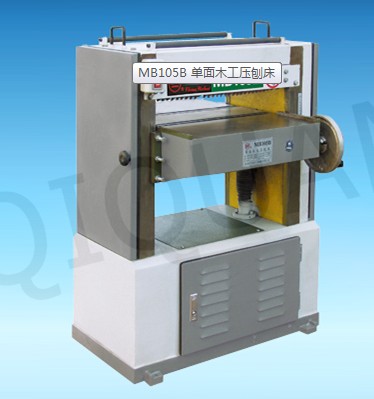
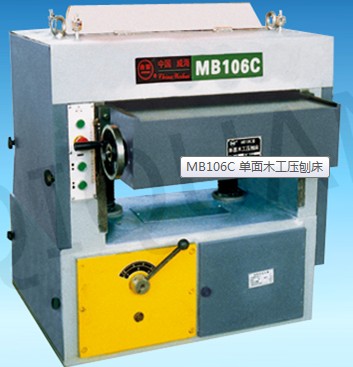
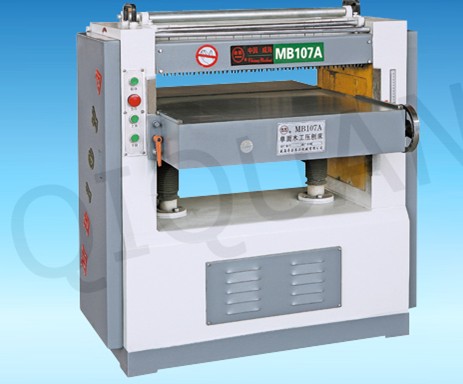
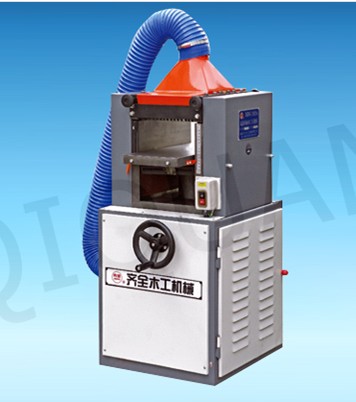
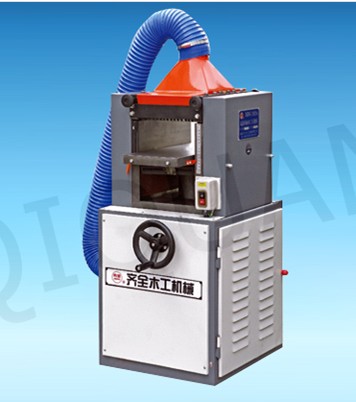
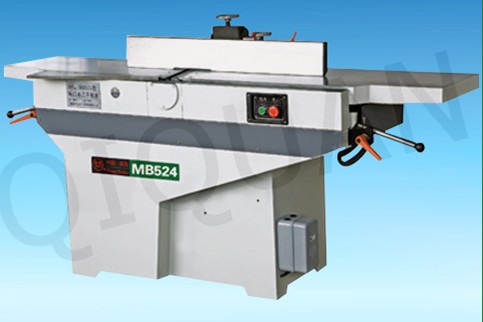
Wood Planers
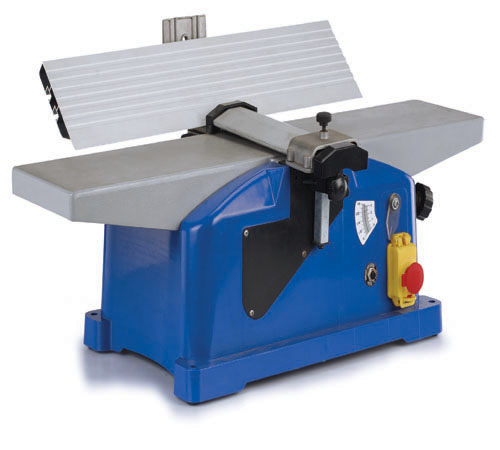
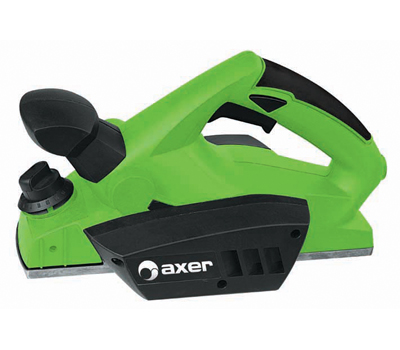
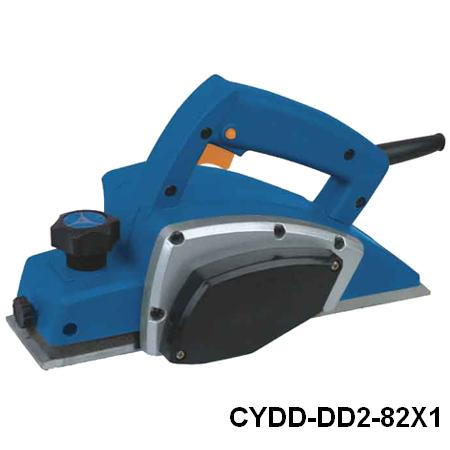
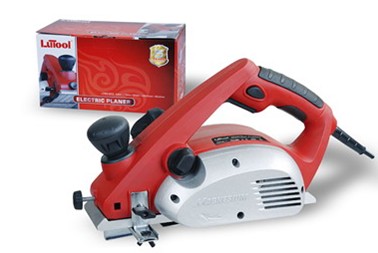
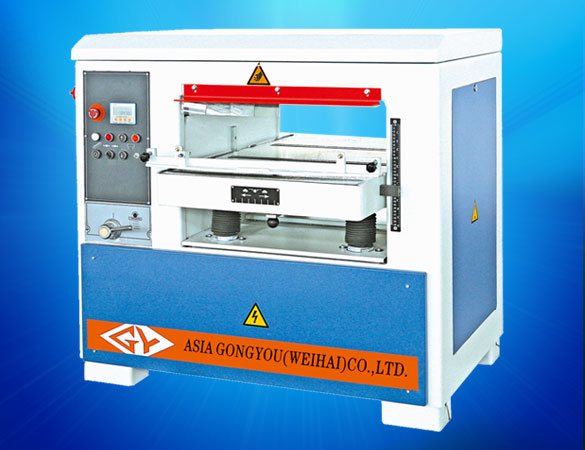
Source industrial wood planers in bulk directly from vetted manufacturers and suppliers. Designed for importers, wholesalers, distributors, and brands seeking OEM or private-label production, our catalog features robust thickness and surface planers built for professional woodworking operations and high volume retail.
Sourcing industrial woodworking machinery requires strict attention to mechanical tolerances and motor durability. When importing wood planers in volume, the primary challenge is ensuring consistency across production runs—specifically regarding cast iron bed flatness, cutterhead balance, and electrical safety compliance. A poorly manufactured planer will suffer from excessive vibration, motor overheating under continuous load, and unacceptable levels of "snipe" (gouging at the end of a board).
Core Specifications and Cutterhead Selection
The heart of any wood planer is its cutterhead and motor assembly. When specifying units for your catalog, the choice of cutterhead significantly impacts both the FOB price and the target market segment.
| Cutterhead Type | Target Market | FOB Cost Impact | Maintenance Profile |
|---|---|---|---|
| Straight Knife (HSS) | Entry commercial / Value | Baseline | Frequent sharpening, difficult alignment |
| Helical / Spiral (Carbide) | Premium industrial / Pro | Higher initial cost | Indexable inserts, low downtime, quieter |
Beyond the cutterhead, pay close attention to the motor specifications. Industrial planers should utilize Totally Enclosed Fan Cooled (TEFC) induction motors with 100% copper windings. Aluminum windings are a common cost-cutting measure in lower-tier factories, leading to premature thermal failure during heavy continuous planing.
Need help verifying supplier specifications and motor quality? Our engineering team can review factory technical files before you place an order.
Talk to our teamManufacturing Tolerances and Quality Control
The performance of a planer is dictated by the rigidity of its frame and the precision of its machined surfaces. Cast iron tables must be properly cured before grinding to prevent warping over time.
When evaluating a manufacturer, you must look at their in-house machining capabilities. Relying on third-party factory audits is highly recommended to verify that the supplier uses high-precision CNC grinders for the tables and dynamic balancing machines for the cutterheads.
Critical Factory QC Checkpoints for Planers
- Dynamic balancing of cutterheads to prevent harmonic vibration.
- Table flatness tolerances ground to under 0.005 inches across the entire bed.
- In-feed and out-feed roller spring tension consistency.
- Column parallelism in four-post thickness planers.
- Hipot testing for electrical safety and insulation resistance.
Addressing Snipe at the Factory Level
Snipe is the most common complaint from end-users. It is caused by the cutterhead lifting or the board pivoting as it enters or exits the rollers. Ensure your supplier utilizes a robust cutterhead locking mechanism and easily adjustable in-feed/out-feed tables to mitigate this design flaw.
Customization and Private Labeling
For brands looking to establish a unique market presence, standard off-the-shelf models are rarely sufficient. Engaging in OEM/ODM services allows you to specify custom paint schemes, branded cast-iron molds, specific bearing brands (e.g., SKF or NSK), and upgraded dust collection chutes. Ensure that any electrical modifications (such as 110V/220V single-phase vs. 380V three-phase) meet the regulatory requirements of your destination market, such as UL, CSA, or CE certifications.
Typical Pricing, MOQs, and Lead Times
Because wood planers are heavy, bulky machinery, logistics and minimum order quantities are heavily tied to container optimization.
Prices fluctuate based on raw material costs (primarily cast iron and copper) and the specific components used. Upgrading to a helical cutterhead or specifying premium Taiwanese bearings will noticeably increase the unit cost, but drastically reduce post-sale warranty claims.
Optimize your machinery supply chain. Let us help you negotiate MOQs, pricing, and warranty terms with top-tier manufacturers.
Get a free consultationFrequently Asked Questions
Successfully importing wood planers at scale requires more than just finding a low price; it demands rigorous mechanical verification and consistent oversight. Implementing strict quality control protocols before the machines are crated ensures that the heavy equipment arriving at your warehouse performs exactly as specified, protecting your brand's reputation in a demanding market.
Get Sourcing Help for Wood Planers
Tell us your requirements and our experts will connect you with verified manufacturers.