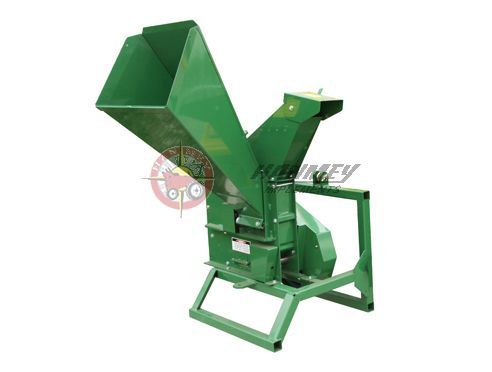
Wood Chippers
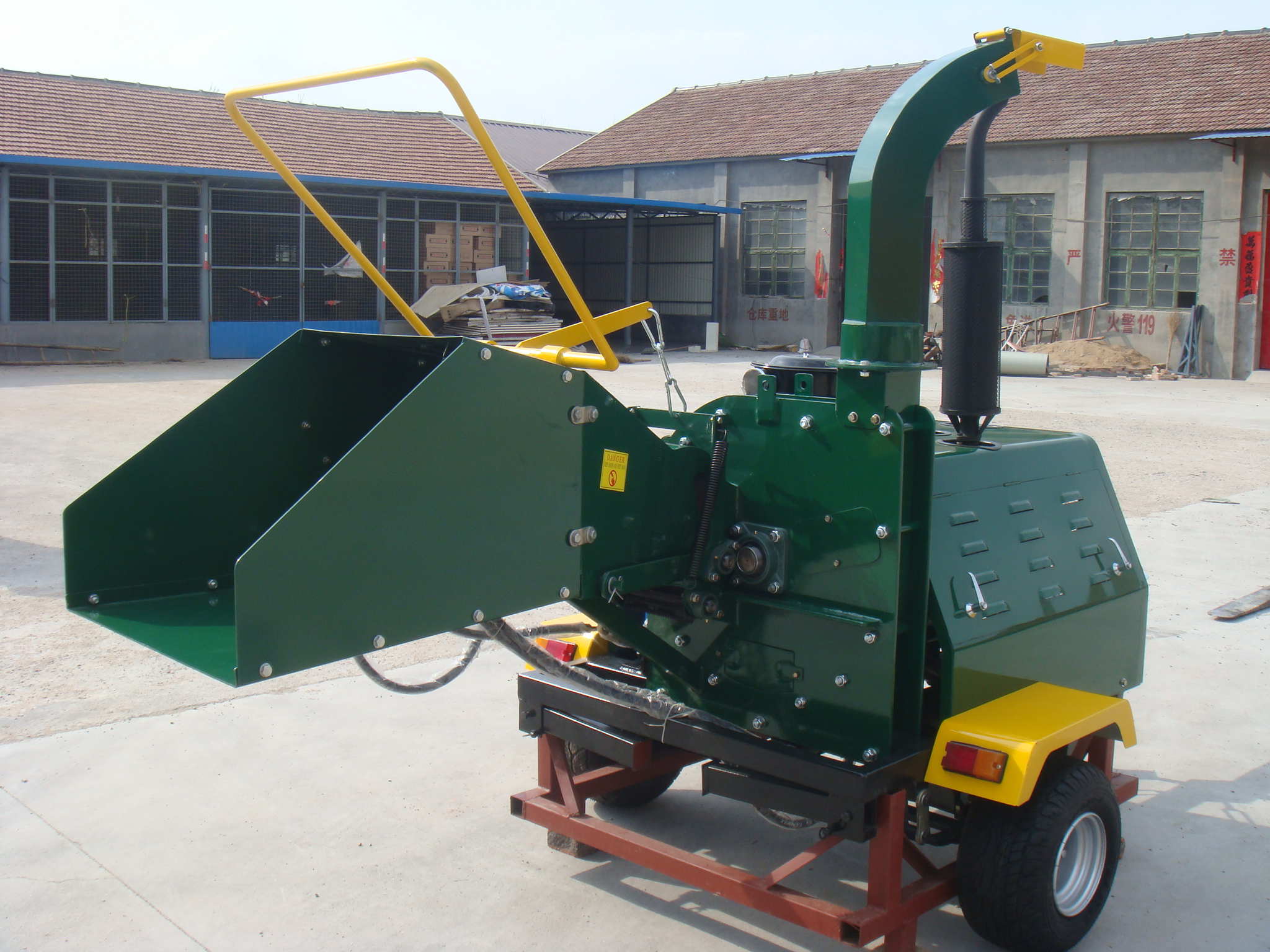
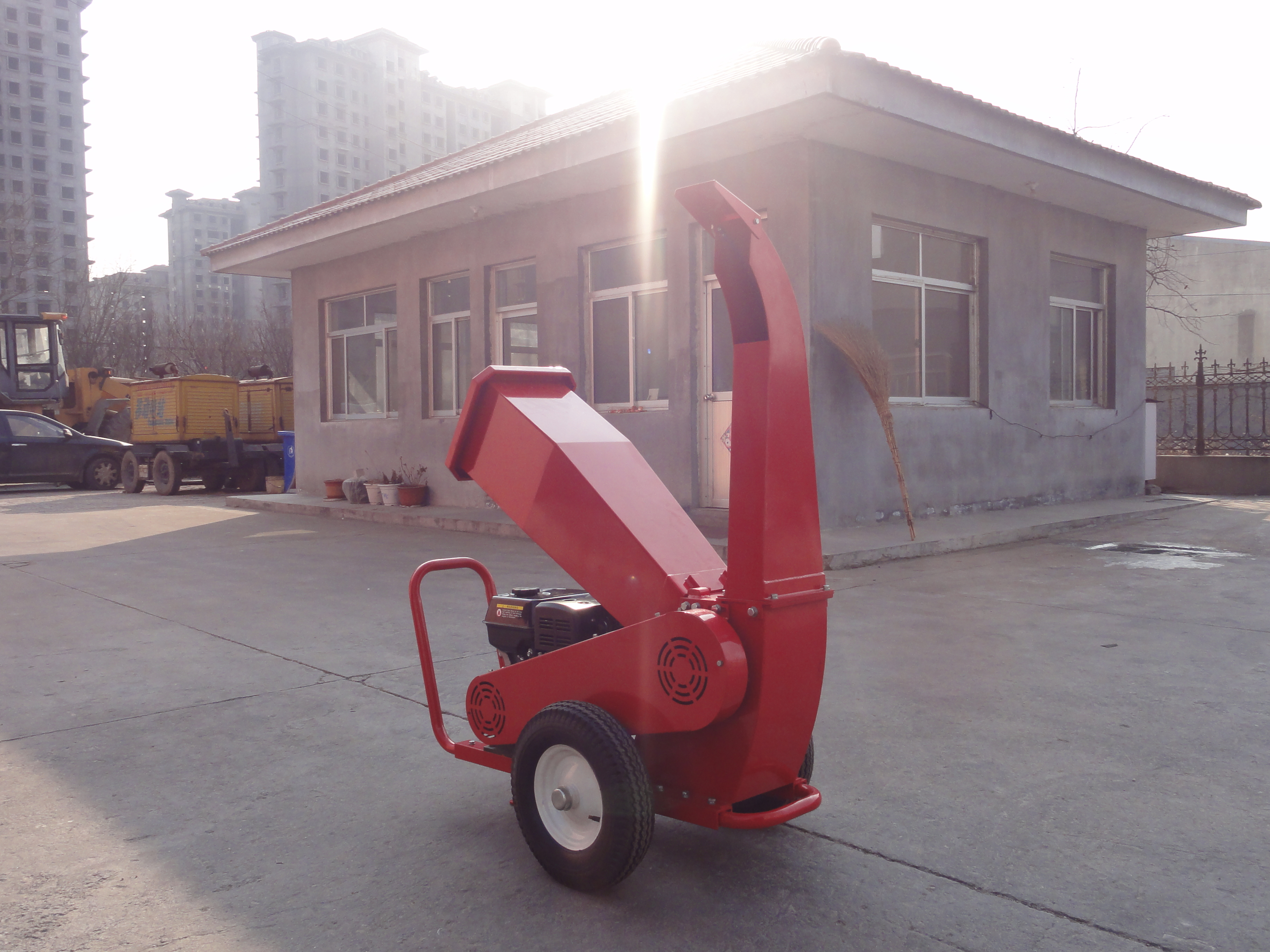
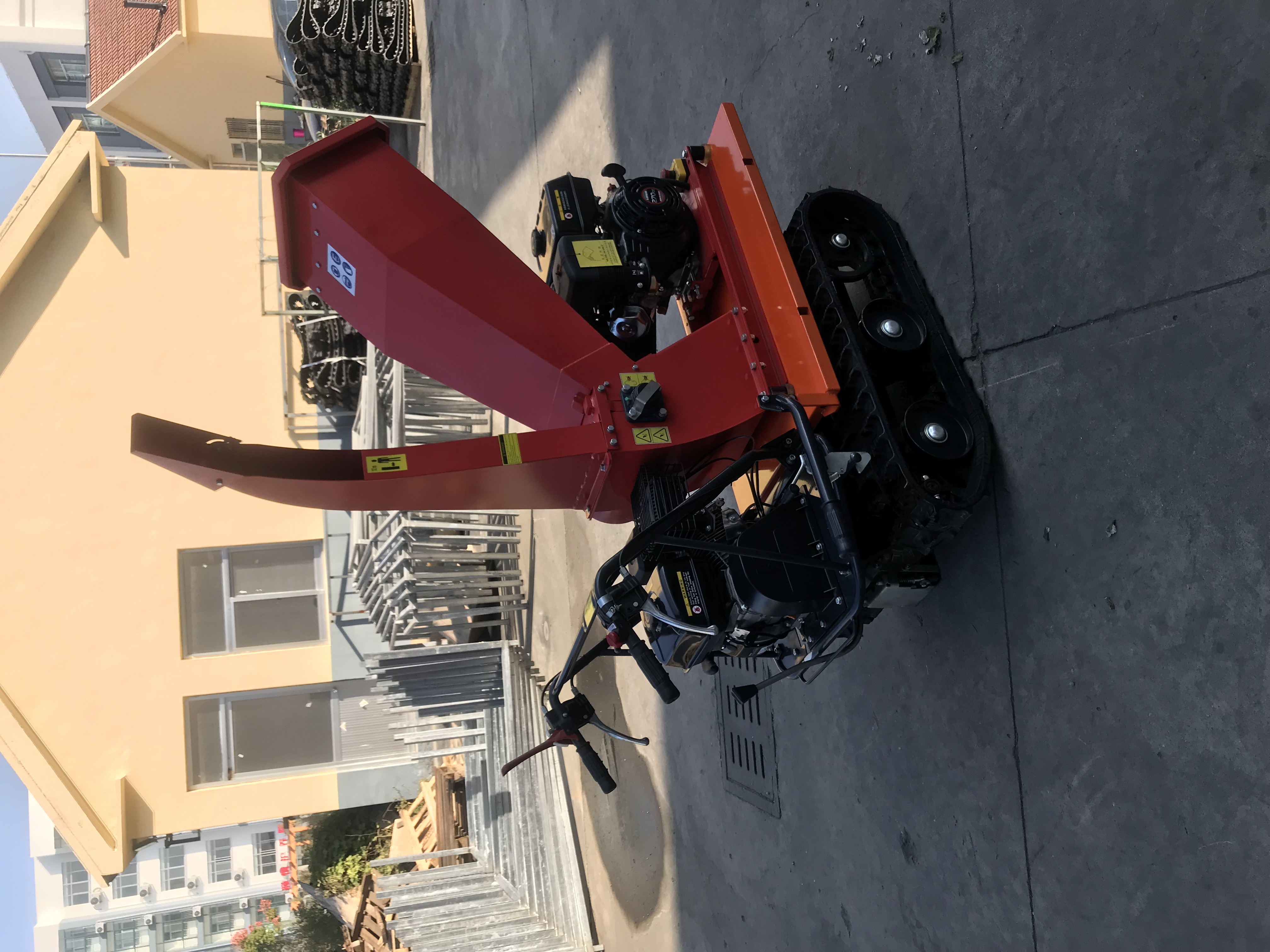
Source high-performance Wood Chippers from vetted suppliers and manufacturers across Asia. Designed for importers, agricultural equipment distributors, and brands requiring reliable OEM or private-label production, our catalog connects volume buyers with industrial and commercial-grade machinery built for strict market compliance.
Importing wood chippers at scale requires navigating a complex matrix of engine emissions standards, blade metallurgy, and structural durability. For commercial and industrial applications, a chipper is only as good as its rotor balance and the quality of its cutting steel. Sourcing reliable equipment means identifying manufacturers with in-house machining capabilities, rigorous dynamic balancing processes, and access to compliant, brand-name or high-tier domestic engines.
Cutting Mechanisms and Core Specifications
When specifying wood chippers with a factory, the primary decision revolves around the cutting mechanism and the power source. These choices dictate the machine's application, processing speed, and maintenance requirements.
| Specification | Disc Chippers | Drum Chippers |
|---|---|---|
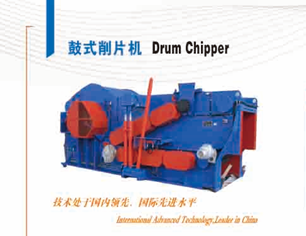
| Mechanism | Blades mounted on a rotating steel disc | Blades mounted on a heavy cylindrical drum |
| Best For | Clean, uniform chips; brush and branches | High-volume, mixed debris; fibrous materials |
| Energy Efficiency | Higher (uses disc momentum) | Lower (requires more continuous power) |
| Maintenance | Easier blade access | More complex blade replacement |
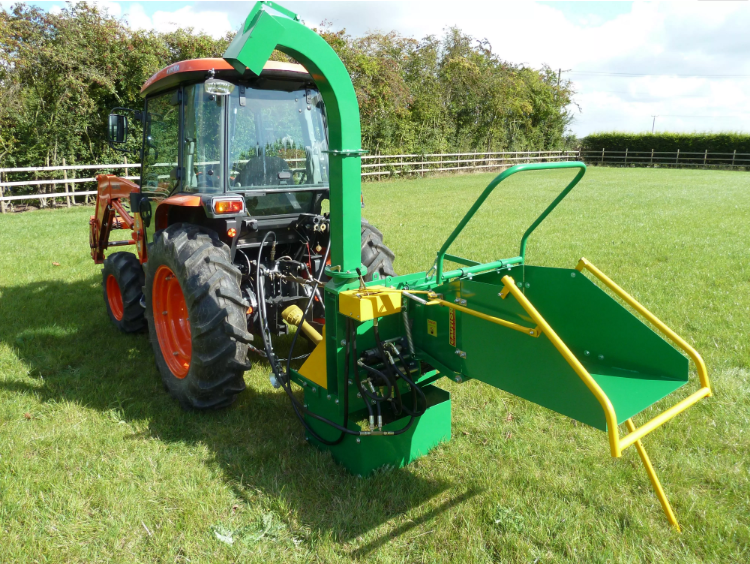
Beyond the cutting mechanism, power delivery is critical. Power Take-Off (PTO) models rely on the buyer's existing tractor, making them mechanically simpler and cheaper to import since they lack an integrated engine. Engine-driven models (gasoline or diesel) offer standalone operation but introduce significant regulatory compliance hurdles.
Navigating engine emissions standards and factory capabilities requires technical expertise. Let us help you identify the right manufacturing partners.
Talk to our teamManufacturing Tolerances and Metallurgy
The lifespan of a wood chipper is determined on the factory floor, specifically in the welding bays and the CNC machining centers.
Rotor and Drum Balancing
An unbalanced disc or drum will destroy the machine's bearings through excessive vibration. Reputable manufacturers use computerized dynamic balancing machines on every rotor assembly. When evaluating a supplier, verifying their dynamic balancing equipment and acceptable tolerance levels is a mandatory step during factory audits.
Blade Steel and Hardening
Chipper blades (knives) must hold a sharp edge while resisting catastrophic failure upon impact with hidden stones or nails.
- Standard Steel: 9CrSi or T8 steel is common in entry-level models but requires frequent sharpening.
- Premium Steel: CR12MoV, A8, or D2 tool steel offers superior wear resistance and toughness. Ensure the factory specifies the exact heat-treatment process and Rockwell Hardness (HRC) target—typically between HRC 55 and 58. Too hard, and the blades become brittle; too soft, and they dull rapidly.
Structural Integrity
The main housing and chute must withstand constant high-velocity impacts. Look for minimum steel plate thicknesses of 4mm to 6mm for commercial models, with continuous, robotic MIG welds on critical stress points rather than manual spot welds.
Compliance and Quality Control
Importing engine-driven machinery into North America or Europe without the correct certifications will result in customs seizures.
If you are sourcing gasoline or diesel models, the engines must meet EPA/CARB standards (for the US) or Euro V emissions standards (for the EU). You cannot rely on a factory's verbal assurance; verifying valid, up-to-date engine certificates through rigorous compliance and testing protocols is non-negotiable. Furthermore, the entire machine must often carry a CE mark for the European market, covering mechanical safety and emergency stop functionality.
Pre-Shipment Inspection Focus Areas
- Verify engine serial numbers against emissions certificates.
- Check dynamic balance reports for the specific batch.
- Inspect weld penetration on the chassis, rotor housing, and feed chute.
- Perform a dry-run test to check for abnormal bearing noise or vibration.
- Confirm engagement and disengagement of the auto-feed mechanism (if applicable).
Implementing strict quality control before the containers are loaded is the only way to prevent costly rework or warranty claims in your target market.
Pricing, MOQs, and Lead Times
Wholesale pricing for wood chippers varies drastically based on the power source, engine brand, and processing capacity.
- PTO Wood Chippers: Generally range from $800 to $2,500 per unit for standard agricultural sizes, as they lack an engine.
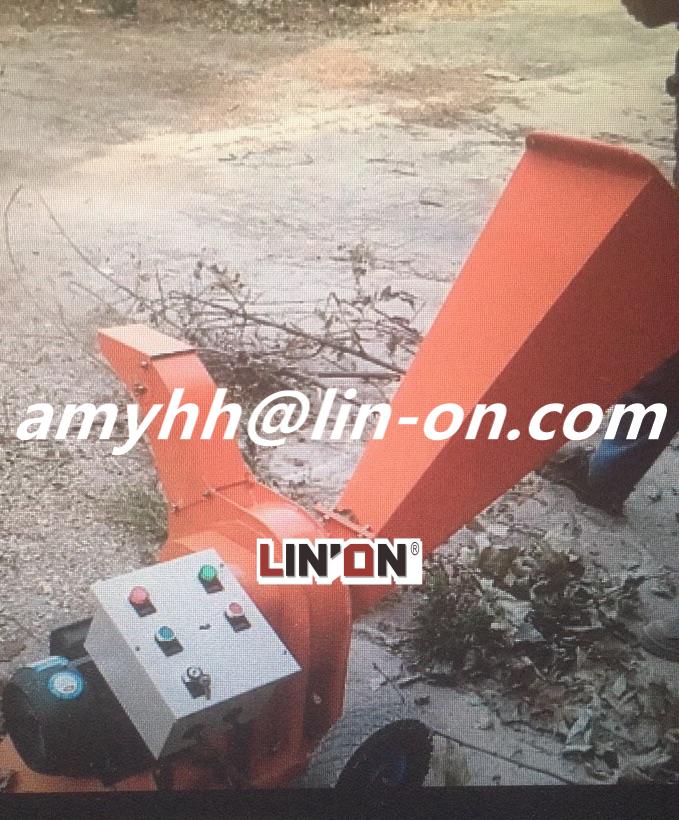
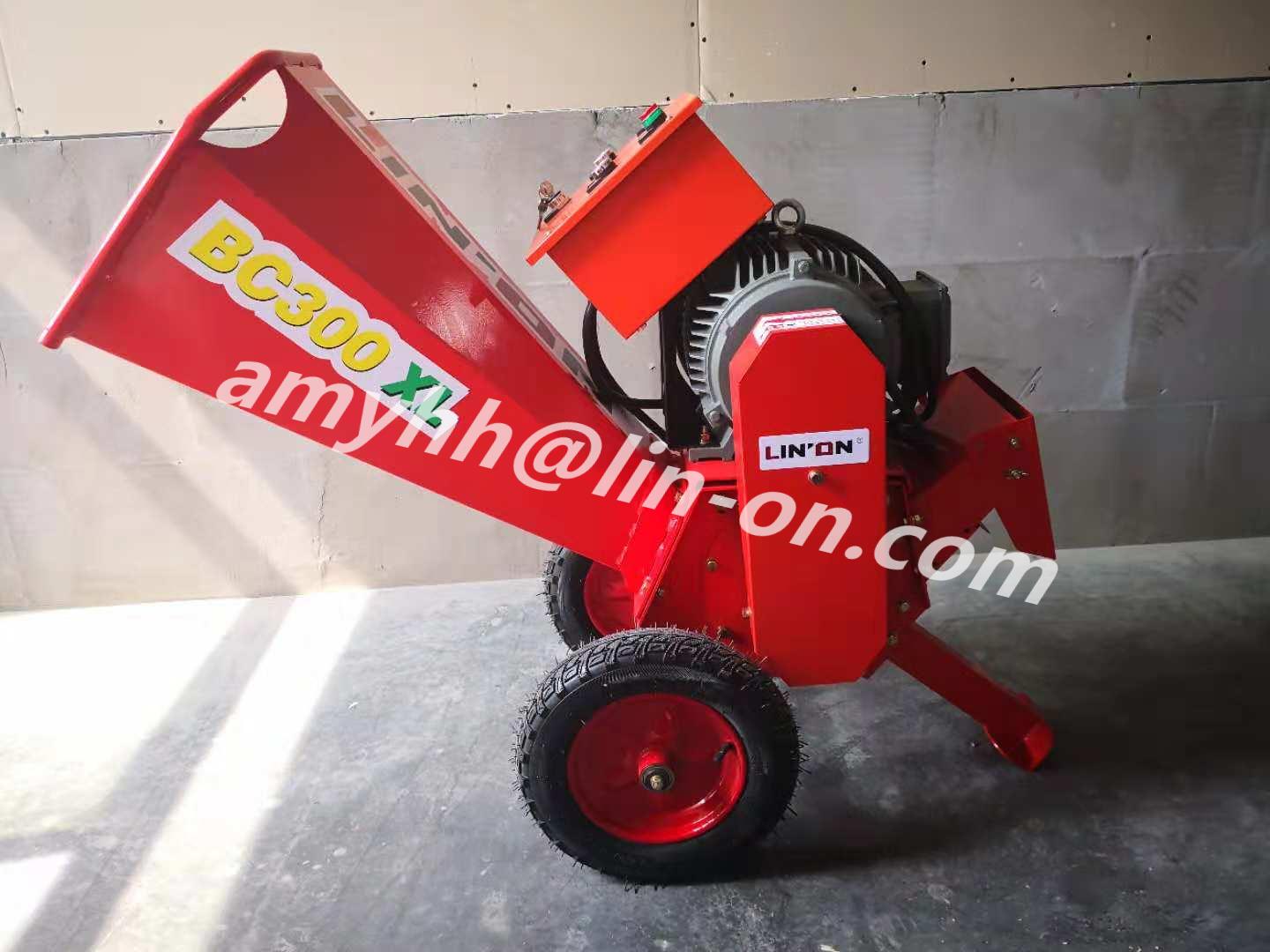
- Small Engine Chippers (Gasoline, up to 15HP): Typically priced between $400 and $1,200.
- Commercial Diesel Chippers (30HP to 100HP+): Can range from $3,500 to over $15,000, heavily dependent on the engine brand (e.g., domestic Chinese diesel vs. imported Kubota or Yanmar) and hydraulic auto-feed systems.
If you are utilizing OEM/ODM services to apply custom powder coating, proprietary safety decals, or specific engine configurations, expect factories to enforce stricter MOQs to cover their setup costs.
Optimize your pricing and container loading strategies with a customized sourcing plan.
Get a free consultationFrequently Asked Questions
Successfully sourcing wood chippers in bulk requires looking past the glossy exterior to scrutinize the metallurgy, balancing tolerances, and regulatory compliance of the core components. Securing a reliable factory partner ensures your equipment performs safely and consistently in the field.
Get Sourcing Help for Wood Chippers
Tell us your requirements and our experts will connect you with verified manufacturers.