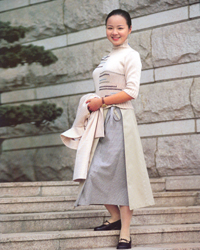
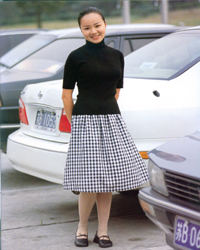
Women's Sets
Source bulk Women's Sets from vetted manufacturers and wholesale suppliers across Asia. Designed for importers, distributors, and apparel brands seeking reliable OEM and private-label production, this catalog features premium coordinated garments ready for high-volume manufacturing and global distribution.
Sourcing women's sets in bulk presents a unique manufacturing challenge: ensuring absolute consistency between top and bottom pieces. Unlike single garments, sets require rigorous dye lot management, synchronized production runs, and matched fabric shrinkage rates to prevent paired items from looking mismatched on the retail floor.
The Challenge of Dye Lot Consistency
When manufacturing coordinated apparel, the primary failure point at the factory level is dye lot variation. Even if the fabric rolls are dyed in the same facility, slight variations in temperature, chemical concentration, or water quality between vats can result in tops and bottoms that do not perfectly match.
Professional buyers must specify that all components of a single set are cut from the exact same dye batch. If your factory utilizes different fabric rolls for tops and bottoms to maximize marker efficiency (fabric yield), you risk ending up with sets that exhibit a visible color shift under retail lighting.
Struggling with mismatched dye lots or inconsistent sizing across apparel sets? Let Merhein manage your factory's production controls and secure your supply chain.
Talk to our teamTech Packs and OEM Specifications for Sets
Developing sets through OEM/ODM Services requires compounded tolerances. If a top is sewn at the maximum positive tolerance limit and the bottom is sewn at the maximum negative limit, the set will look disproportionate on the wearer. Your tech packs must account for the relationship between the two garments.
Essential Tech Pack Callouts for Sets
- Specify identical dye lot batching for all paired pieces
- Define acceptable shrinkage differentials between tops and bottoms
- Align grain lines across both garments to ensure identical drape
- Set strict compounded grading tolerances for multi-piece sizing
- Mandate synchronized cutting and bundling before sewing
The Risk of Split Production
Never allow a factory to split the production of tops and bottoms across different lines or facilities. This almost guarantees slight variations in tension, stitching, and finishing. Ensure your supplier sews and bundles sets in synchronized batches.
Quality Control and Defect Prevention
Because sets are sold as a single SKU, a defect in one piece renders the entire set unsellable. Rigorous Quality Control & Inspection is critical before the garments are polybagged.
Inspectors must check for dimensional stability (shrinkage) and colorfastness. If the top bleeds onto the bottom during transit or after the consumer's first wash, the product fails. Crocking tests (both wet and dry) should be mandatory for highly pigmented sets. Furthermore, inspectors must verify that the factory is correctly nesting the sizes—pairing a medium top with a medium bottom—before final sealing.
Typical MOQs, Pricing, and Lead Times
Apparel factories generally calculate MOQs for sets based on fabric consumption rather than unit count. Because a set consumes more yardage than a single piece, the unit MOQ might appear lower, but the fabric minimum remains the same.
Pricing is heavily influenced by the complexity of the matching process. Factories charge a premium for the administrative and labor overhead required to keep paired pieces together throughout the cutting, sewing, and finishing stages.
Need to negotiate better MOQs or conduct thorough factory audits for a new apparel supplier? Merhein's sourcing specialists can step in.
Get a free consultationBefore placing a high-volume order, conducting Factory Audits is essential to verify that the supplier has the organizational capacity to handle multi-piece bundling without mixing sizes or dye lots.
Frequently Asked Questions
Sourcing women's sets at scale is an exercise in synchronization. Success depends on treating the pieces as a single, inseparable unit from the fabric mill to the final polybag. When you need absolute control over dye lots, tolerances, and factory execution, having experienced sourcing professionals on the ground makes all the difference.
Get Sourcing Help for Women's Sets
Tell us your requirements and our experts will connect you with verified manufacturers.