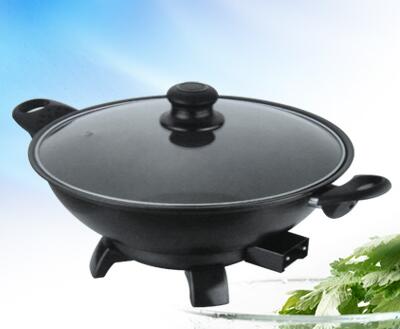
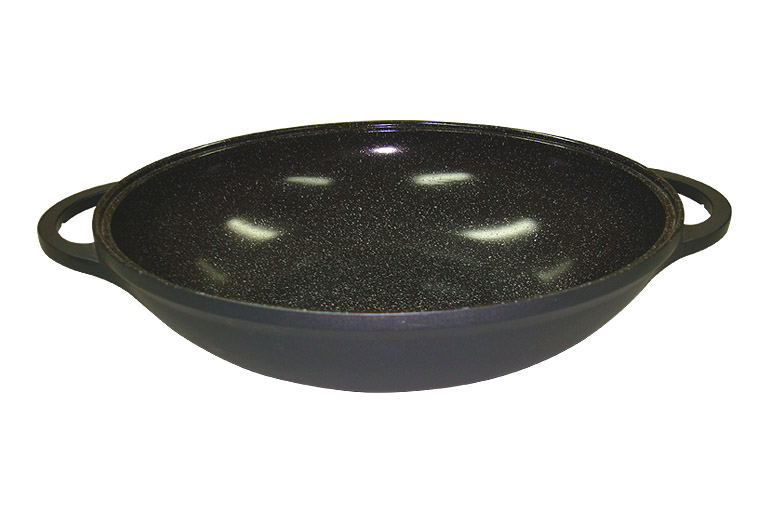
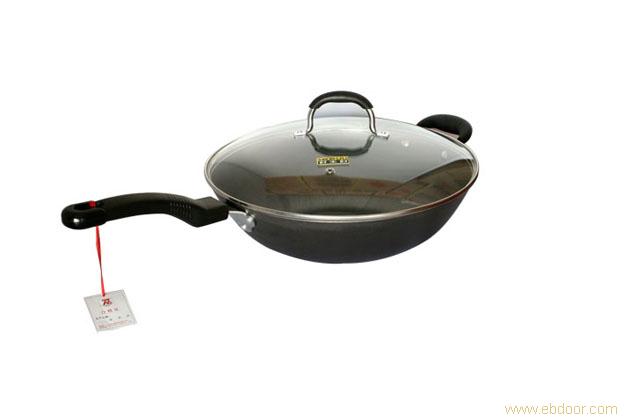
Woks
Source premium woks directly from vetted manufacturers and wholesale suppliers across Asia. Built for importers, distributors, and kitchenware brands, our network supports high-volume bulk orders and custom OEM/ODM production. Secure reliable pricing, consistent quality, and scalable manufacturing for your cookware lines.
Sourcing commercial-grade or consumer woks at scale requires strict attention to material gauge, handle attachment strength, and surface finishing. Whether you are developing a professional restaurant line or retail-ready cookware, balancing unit cost with thermal performance and durability is the primary manufacturing challenge when managing bulk orders.
Core Material Specifications
The base material dictates the manufacturing process, tooling costs, and end-user performance. Specifying the correct material and gauge is the first step in any successful production run.
| Material | Typical Gauge | Manufacturing Method | Best For |
|---|---|---|---|
| Carbon Steel | 1.2mm - 2.0mm | Spinning or Stamping | Traditional & Commercial Cooking |
| Cast Iron | 3.0mm - 4.5mm | Sand Casting | High Heat Retention |
| Stainless Steel | 2.0mm - 2.5mm (Tri-ply) | Deep Drawing | Premium Retail & Induction |
When developing private-label lines through OEM/ODM services, carbon steel remains the dominant choice due to its rapid heat response. For commercial applications, a minimum thickness of 1.8mm is standard to prevent warping under intense commercial burners.
Navigating material choices and factory capabilities? Let us help you match your exact specifications to the right manufacturer.
Talk to our teamManufacturing Processes and Quality Control
Wok production generally falls into three categories: stamping (high volume, lower cost), spinning (better structural integrity, medium cost), and cold-forging or hand-hammering (premium positioning). The method chosen directly impacts the factory's tooling requirements and your unit cost.
Quality control on the factory floor must focus heavily on structural and chemical integrity. Handle attachments are a common failure point; riveted handles must be checked for flush seating, while welded handles require stress testing to ensure the weld penetrates sufficiently without compromising the pan's interior surface.
Implementing rigorous quality control & inspection is critical before the goods leave the factory.
Pre-Shipment Wok Inspection Checklist
- Gauge verification using digital calipers at the rim and base.
- Handle stress testing (weight bearing and torque resistance).
- Coating adhesion testing (cross-hatch test for non-stick finishes).
- Base flatness check for induction-compatible models.
- Visual inspection for tooling marks, sharp edges, or uneven polishing.
Furthermore, if your woks feature non-stick coatings (PTFE or ceramic) or pre-seasoned finishes, they must pass strict compliance & testing protocols, such as FDA (US) or LFGB (Europe) standards for food contact materials.
Buying Mechanics: MOQs, Lead Times, and Pricing
Procuring woks in bulk requires understanding standard factory operational thresholds. Tooling for custom shapes or proprietary handle designs will increase upfront costs and extend initial lead times.
Unit pricing is highly sensitive to raw material indices (especially steel and aluminum) and the complexity of the handle assembly (e.g., phenolic resin vs. cast steel vs. natural wood).
Need reliable pricing and lead times for your next cookware order? Contact us to discuss your volume requirements.
Get a free consultationFrequently Asked Questions
Successfully sourcing woks in high volumes means looking past the surface finish and understanding the factory's underlying metalworking capabilities. By partnering with suppliers who maintain strict metallurgical standards and robust assembly lines, you ensure your cookware performs reliably in the end user's kitchen.
Get Sourcing Help for Woks
Tell us your requirements and our experts will connect you with verified manufacturers.