Wireless and RF Modules
Source commercial-grade Wireless and RF Modules from vetted suppliers and manufacturers. Designed for electronics importers, hardware distributors, and brands seeking reliable bulk or OEM production, our network delivers high-performance connectivity solutions with verified quality, stable supply chains, and strict market compliance.
Sourcing reliable wireless and RF modules at volume requires balancing component availability, precise RF calibration, and strict regulatory compliance. Whether you are integrating standard 2.4 GHz modules for smart home devices or deploying sub-1 GHz transceivers for industrial IoT networks, the core challenge remains consistent: ensuring uniform RF performance across thousands of units while navigating a volatile semiconductor supply chain.
Critical Specifications for RF Module Sourcing
When engaging a factory for bulk orders, vague specifications lead to inconsistent performance in the field. You must define the exact technical parameters the module must meet, as these dictate the bill of materials (BOM) and the testing protocols required on the assembly line.
- Transmit (TX) Power and Receive (RX) Sensitivity: Specify the required TX power in dBm and the acceptable tolerance (typically ±1.5 dB). RX sensitivity must be clearly defined to ensure reliable link budgets, especially in noisy environments.
- Operating Frequency and Bandwidth: Define the exact frequency bands. For global deployment, ensure the module's hardware supports the necessary regional bands without requiring hardware redesigns.
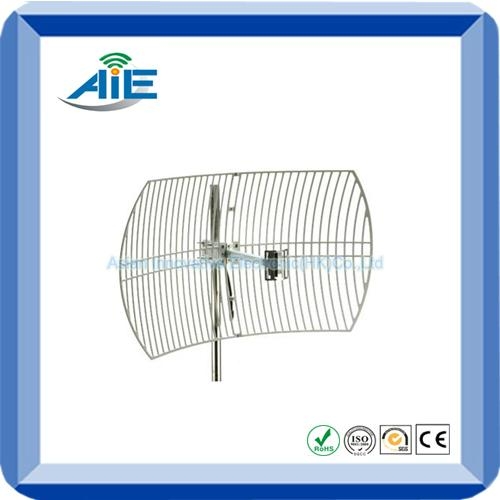
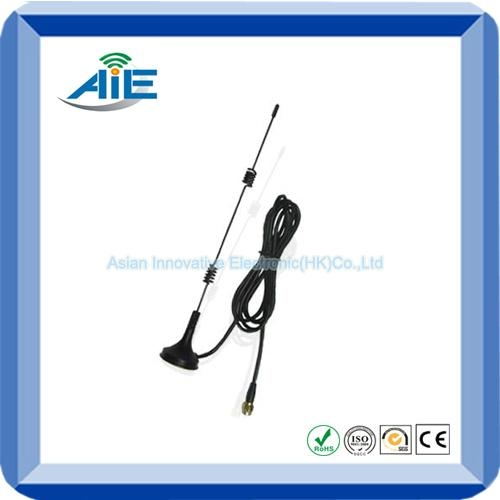
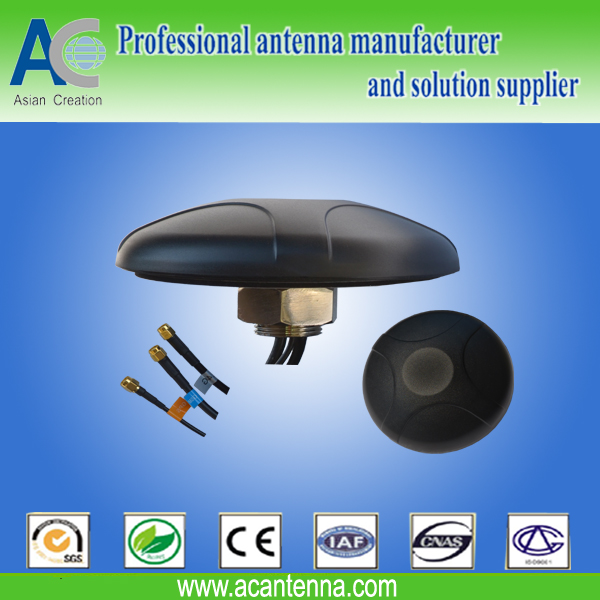
- Antenna Interface: Specify whether the module requires an integrated PCB trace antenna, a ceramic chip antenna, or an external U.FL/IPEX connector. Impedance must be tightly controlled to 50 ohms.
- Host Interfaces: Clarify the required communication protocols (UART, SPI, I2C, I2S) and GPIO pinouts to ensure seamless integration with your host microcontroller.
| Module Class | Typical Range | Power Consumption | Primary Applications |
|---|---|---|---|
| 2.4 GHz (BLE/Wi-Fi) | 10m to 100m | Moderate to High | Smart home, consumer wearables, high-data rate streaming |
| Sub-1 GHz (LoRa/FSK) | Up to 15km | Ultra-low | Smart metering, agricultural sensors, industrial telemetry |
| Cellular IoT (NB-IoT/LTE-M) | Global (Network dependent) | Moderate | Asset tracking, remote infrastructure monitoring |
Struggling to find reliable factory partners for your custom RF modules? Let our sourcing engineers evaluate your specs and match you with vetted manufacturers.
Talk to our teamManufacturing Process and Quality Control
The reliability of a wireless module is won or lost during the Surface Mount Technology (SMT) process and subsequent testing. Poor solder joints on the RF path or improperly placed shielding cans will severely degrade performance.
When evaluating a manufacturer, look for facilities that utilize automated optical inspection (AOI) and X-ray inspection for BGA components. More importantly, the factory must have dedicated RF testing capabilities. Using standard multimeters is insufficient; the factory must utilize spectrum analyzers and network analyzers to verify RF output and antenna matching on the production line.
In-Line RF Module Inspection Points
- Verification of SMT placement accuracy, particularly for impedance-matching passive components.
- AOI and X-ray inspection of shielding can solder joints to prevent EMI leakage.
- Automated RF functional testing (TX power, RX sensitivity, frequency offset) using calibrated spectrum analyzers.
- Firmware flashing verification and bootloader integrity checks.
- Thermal cycling and burn-in testing for industrial-grade modules.
To mitigate risks before mass production, conducting thorough factory audits is essential. This ensures the supplier actually possesses the specialized RF testing equipment they claim to have.
Compliance and Certification Requirements
RF modules are heavily regulated. Importing uncertified modules can result in customs seizures or forced recalls. Depending on your target market, the modules must pass rigorous testing for electromagnetic compatibility (EMC) and radio frequency (RF) emissions.
If you are sourcing pre-certified modules, verify that the factory's FCC ID or CE RED documentation matches the exact hardware revision you are purchasing. Any change to the BOM—even swapping a passive component in the RF path—can invalidate the certification. If you are developing a custom module via OEM/ODM services, you will need to budget time and capital for intentional radiator testing. Navigating this process often requires dedicated compliance testing support to ensure all regulatory filings are handled correctly before shipment.
Buying Mechanics: MOQs, Pricing, and Lead Times
Pricing for wireless and RF modules is primarily driven by the core chipset (e.g., Nordic, Silicon Labs, Espressif), the amount of onboard memory, and the complexity of the RF front-end (such as the inclusion of power amplifiers or low-noise amplifiers).
Lead times can fluctuate wildly based on the global semiconductor market. Securing reliable allocation for the core ICs is often the biggest hurdle in RF module procurement. Working with a partner who can manage your supply chain management ensures that component shortages are identified early and alternative sourcing strategies are implemented before production stalls.
Need to stabilize your module pricing and lead times? Connect with us to discuss your volume requirements and production schedule.
Get a free consultationFrequently Asked Questions
Successfully sourcing wireless and RF modules requires moving beyond basic BOM cost comparisons. By focusing on the manufacturer's SMT precision, RF testing infrastructure, and component allocation capabilities, you can secure a stable supply of high-performance modules that keep your production lines moving.
Get Sourcing Help for Wireless and RF Modules
Tell us your requirements and our experts will connect you with verified manufacturers.