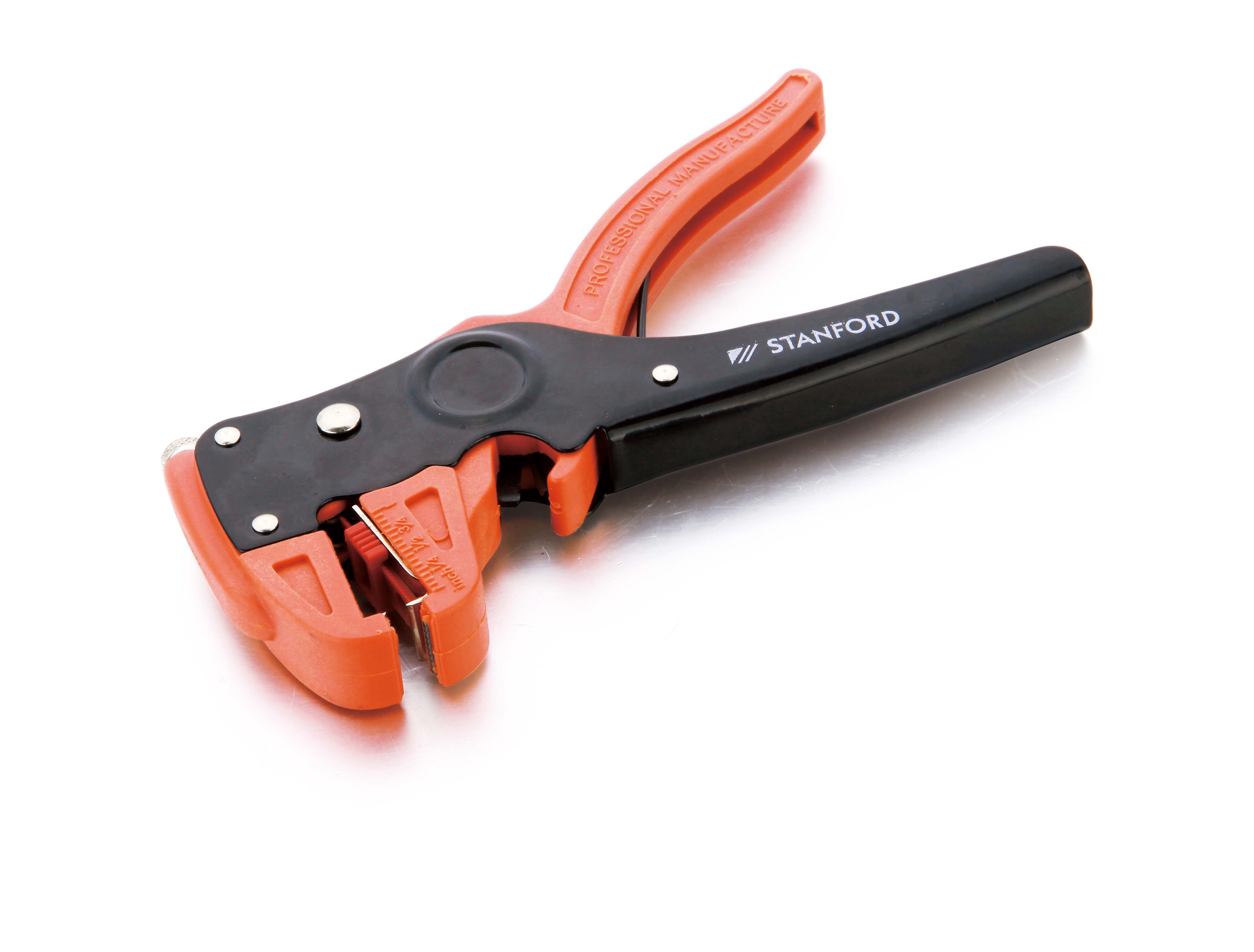
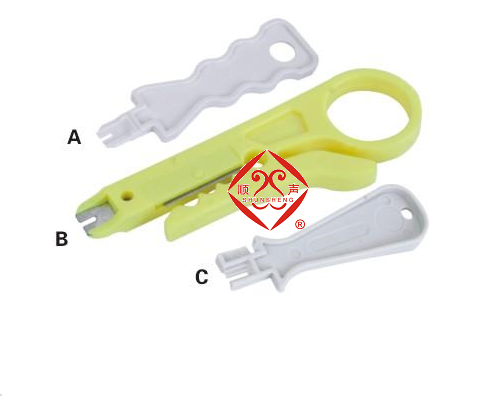
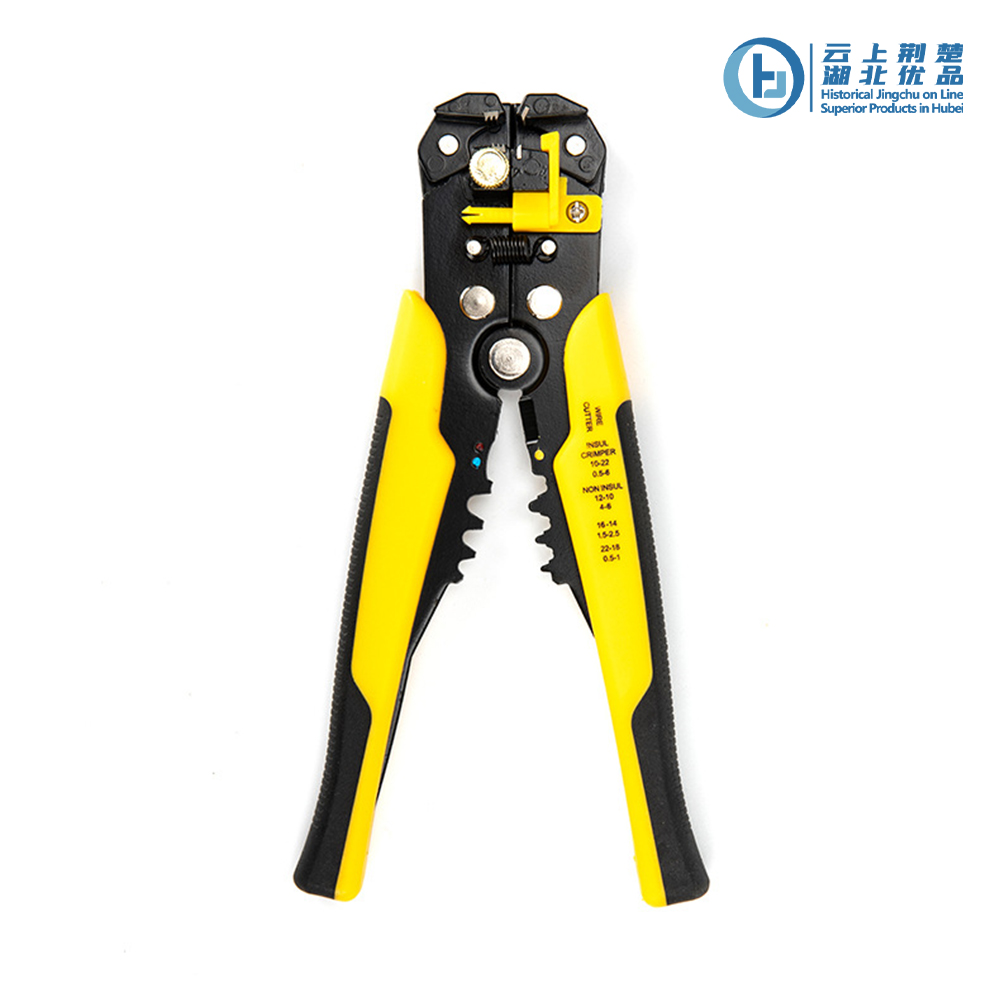
Wire Crimpers
Source high-quality wire crimpers from vetted suppliers and manufacturers across Asia. Designed for importers, industrial distributors, and hardware brands seeking bulk wholesale or custom OEM/ODM production. Secure competitive pricing and reliable volume manufacturing for your hand tool supply chain.
Sourcing wire crimpers at scale requires balancing unit cost with strict mechanical precision. A crimping tool is only as good as its die alignment and ratcheting mechanism; even slight deviations during manufacturing can lead to failed electrical connections and severe safety risks for your end-users. Successfully procuring these tools in volume means looking past the surface finish to evaluate the factory's machining capabilities, heat treatment processes, and quality management systems.
Specifications and Manufacturing Variables
The core performance of a wire crimper relies on the material hardness and the precision of the crimping profile. When evaluating manufacturers, buyers must specify the exact material grades and machining methods required for their target market.
Most standard bodies are stamped from medium-to-high carbon steel (such as S45C or S50C), which offers an acceptable balance of rigidity and cost. However, professional-grade tools often utilize Chrome Vanadium (CrV) or specialized alloys for the frame, reducing flex under maximum crimping force.
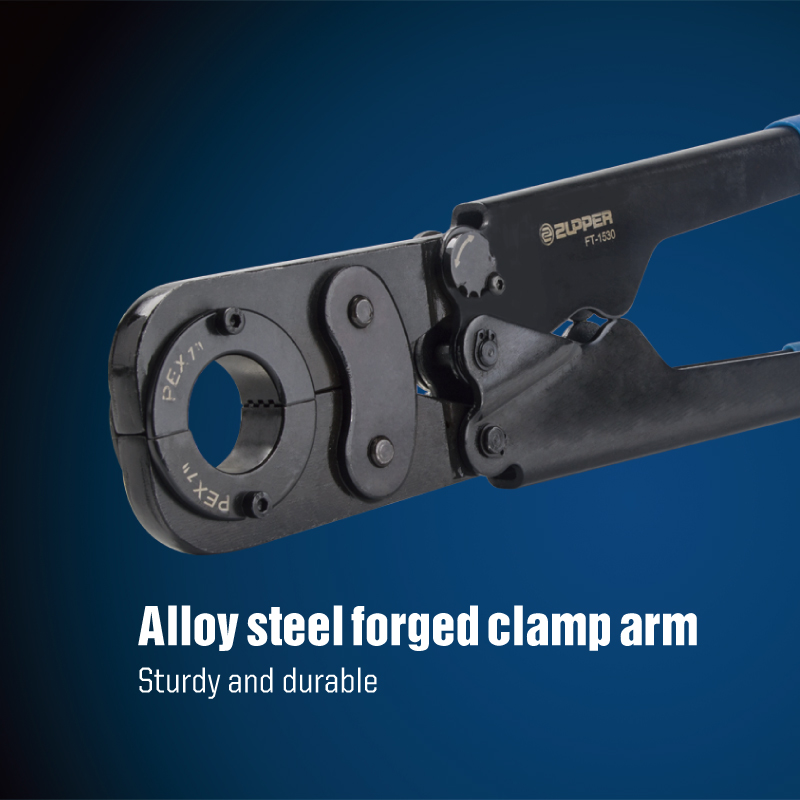
The most critical component is the die. The manufacturing method used for the die directly dictates the tool's precision, lifespan, and unit cost.
| Die Manufacturing Method | Precision Level | Best Application |
|---|---|---|
| Investment Casting | Moderate to Low | Budget consumer tools |
| CNC Machining | High | Professional electrical tools |
| Powder Metallurgy (PM) | Exceptional | High-cycle industrial crimping |
Ratcheting mechanisms also require strict attention. The pawl and gear teeth must undergo precise heat treatment to achieve a hardness of HRC 45 to 50. If the steel is too soft, the teeth will shear under pressure; if it is too hard, the mechanism becomes brittle and prone to snapping.
Need help verifying a factory's machining and heat treatment capabilities? Our engineering team can evaluate technical specifications before you commit to a supplier.
Talk to our teamDefect Prevention and Quality Control
Visual inspections are insufficient for wire crimpers. A tool may look flawless but fail to deliver the required pull-out force on a terminal. Factories must have testing protocols in place to ensure compliance with international standards (such as DIN or UL requirements for wire pull-out force).
When setting up your Quality Control & Inspection protocols, ensure the factory is checking the following parameters during production:
Critical QC Checks for Wire Crimpers
- Die Alignment: Checking for zero-gap closure when jaws are fully compressed.
- Ratcheting Release: Verifying the emergency release trigger functions smoothly under load.
- Handle Adhesion: Testing the pull-off force of TPR/PVC grips to ensure they do not slip during heavy use.
- Crimp Profile Verification: Performing sample crimps and testing terminal pull-out force using a digital force gauge.
- Hardness Testing: Sampling dies and ratchet gears to confirm Rockwell hardness (HRC) meets specifications.
Typical MOQs, Pricing Drivers, and Lead Times
Tooling factories in major manufacturing hubs like Zhejiang and Jiangsu operate with specific volume thresholds based on the level of customization required.
Cost Drivers in Production
- Handle Customization: Standard single-dip PVC handles are inexpensive and keep MOQs low. Dual-color TPR (Thermoplastic Rubber) injection grips offer superior ergonomics but require specific molds. If you are leveraging OEM/ODM Services for a proprietary handle design, expect higher initial tooling costs and MOQs of at least 3,000 units to justify the injection molding setup.
- Surface Finish: Black oxide is standard and cost-effective. Electrophoresis or premium nickel plating improves rust resistance but adds to the per-unit cost and requires environmentally compliant plating partners.
- Interchangeable vs. Fixed Dies: Tools designed with quick-change die systems require tighter tolerances on the mounting hardware, increasing both assembly time and component costs.
Optimize your hand tool supply chain. We negotiate MOQs, manage tooling investments, and secure the best pricing from qualified manufacturers.
Get a free consultationFrequently Asked Questions
A reliable wire crimper supply chain is built on strict material selection, precise machining, and rigorous quality oversight. By partnering with vetted manufacturers and enforcing strict mechanical tolerances, you can deliver professional-grade tools that perform consistently in the field.
Get Sourcing Help for Wire Crimpers
Tell us your requirements and our experts will connect you with verified manufacturers.