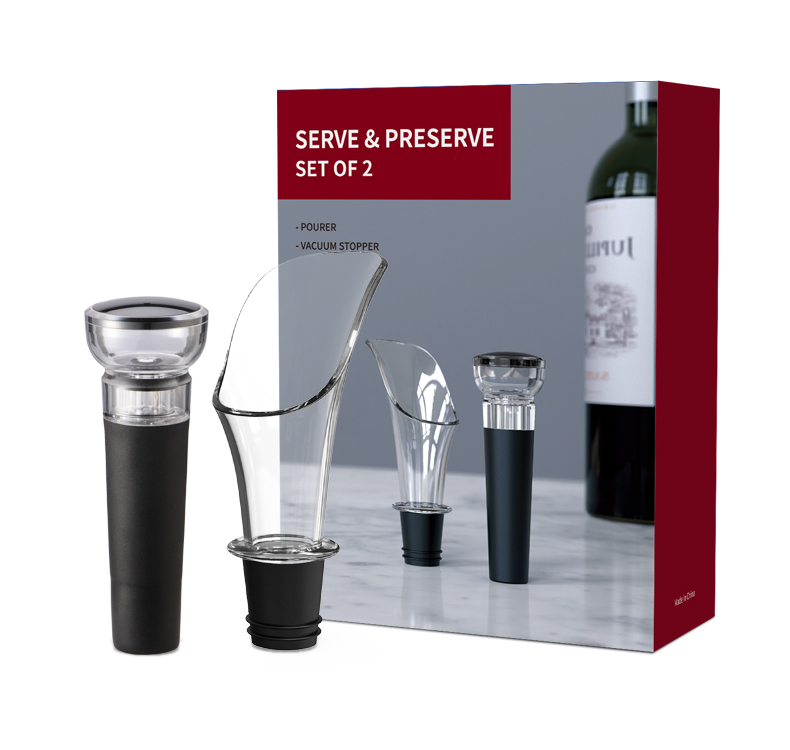
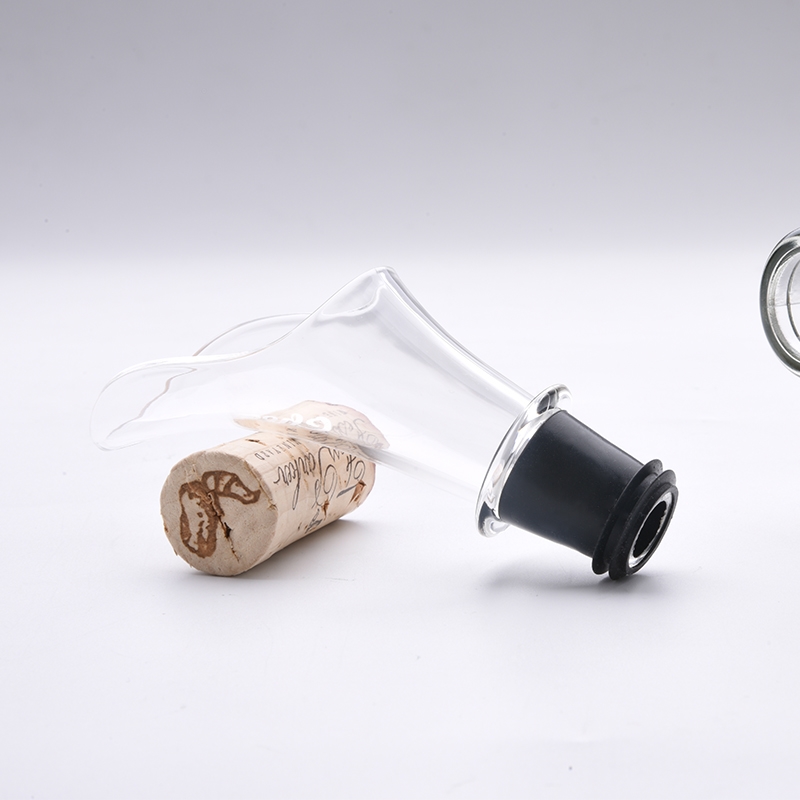
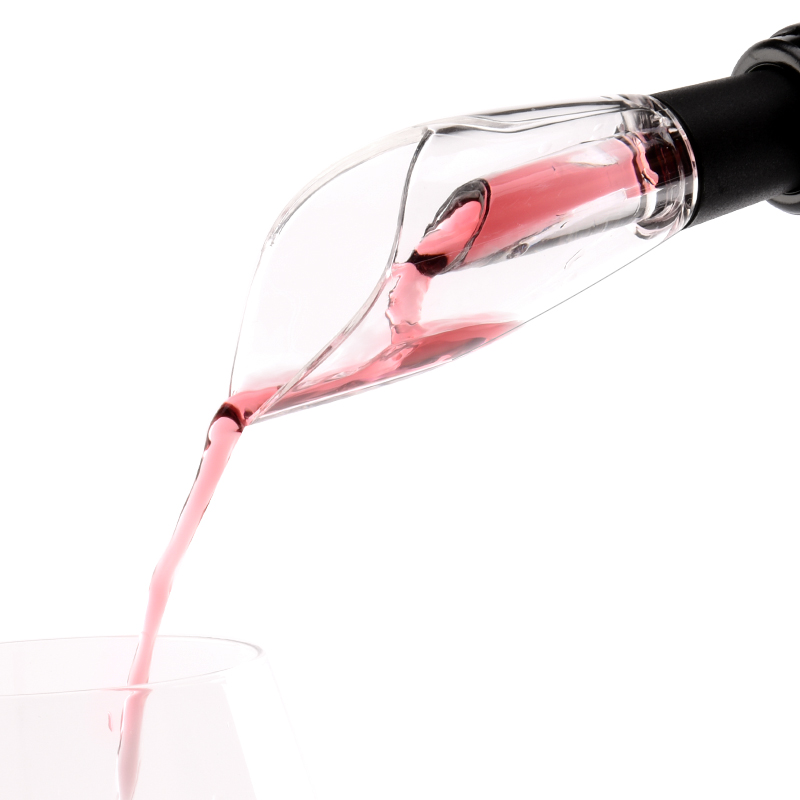
Wine Stoppers
Source premium Wine Stoppers from vetted suppliers and manufacturers in China and across Asia. Designed for importers, wholesalers, distributors, and brands seeking reliable OEM and private-label production, our network delivers bulk manufacturing with rigorous quality control and precise material specifications.
Sourcing wine stoppers at volume requires balancing aesthetic appeal with functional reliability. A stopper that looks premium but fails to maintain an airtight seal or degrades upon contact with alcohol is a liability. For bulk buyers and brands, the core procurement challenge lies in validating food-grade material compliance while managing the unit economics of metal casting, silicone molding, and custom finishing.
Material Specifications and Sealing Mechanics
The longevity and performance of a wine stopper depend entirely on the interplay between the rigid core and the flexible sealing rings. When negotiating with manufacturers, specifying the exact grade of these materials is critical to avoid substitutions that compromise product safety or durability.
| Component | Standard Market Material | Premium / Export Grade |
|---|---|---|
| Core/Body | Zinc Alloy (susceptible to pitting if poorly plated) | 304 or 316 Stainless Steel |
| Sealing Rings | TPE or standard commercial rubber | 100% Food-Grade Silicone (FDA or LFGB) |
| Surface Finish | Basic electroplating | PVD (Physical Vapor Deposition) coating |
The flexible sealing rings must withstand repeated compression and exposure to ethanol and acidic environments. Food-grade silicone is the industry standard, but buyers importing to Europe must specify LFGB-compliant silicone, which undergoes more rigorous extraction testing than standard FDA-compliant materials. Partnering with a reliable compliance testing provider ensures your shipments meet the regulatory requirements of your target market.
Manufacturing Tolerances and Quality Control
Most decorative wine stoppers utilize zinc alloy die-casting for the decorative top and a machined or cast stem. The primary failure points in production occur during the polishing and plating phases. If the raw casting is not polished to a mirror finish before plating, the final product will exhibit micro-blisters. Over time, these blisters rupture, leading to oxidation and pitting.
Implementing strict quality control protocols at the factory level is non-negotiable.
Critical Pre-Shipment Inspection Points
- Plating Adhesion: Conduct cross-hatch testing to ensure plating does not flake off.
- Silicone Ring Tension: Verify that sealing rings are firmly seated in their grooves and do not roll off during insertion.
- Dimensional Accuracy: Measure the stem diameter against standard bottle neck dimensions (typically 18.5mm to 19.5mm).
- Weight Tolerance: Check for hollow spots in cast metals that indicate poor mold filling or material skimming.
- Chemical Odor: Ensure silicone components have been properly post-cured to eliminate volatile compounds.
Struggling with inconsistent plating or material compliance? Let us vet your suppliers and manage quality at the factory level.
Talk to our teamCustomization and OEM Production
For brands developing custom stoppers, the manufacturing method dictates the upfront tooling investment. Zinc alloy die-casting is highly cost-effective for complex, 3D decorative tops. Tooling for zinc alloy is relatively inexpensive and allows for intricate detailing. However, if your design demands the weight and corrosion resistance of solid stainless steel, expect higher machining costs and longer production times, as these are typically CNC-machined rather than cast.
When utilizing OEM/ODM services, define your surface treatment requirements early. PVD coating offers superior scratch resistance and color retention for gold, matte black, or rose gold finishes compared to traditional wet electroplating.
Production Economics: MOQs and Lead Times
Factory minimum order quantities (MOQs) and pricing are heavily influenced by the degree of customization and the chosen materials. Off-the-shelf designs with custom laser-engraved logos require significantly lower volume commitments than fully custom molds.
Tooling Ownership
Always explicitly state in your manufacturing agreement that you own the custom molds once tooling fees are paid. Without this stipulation, factories may repurpose your proprietary designs for other buyers.
Ready to optimize your procurement strategy and negotiate better terms for your next production run?
Get a free consultationFrequently Asked Questions
Successful procurement in the barware category requires moving beyond unit price and focusing on material integrity and manufacturing precision. By partnering with an experienced product sourcing team, you can secure reliable production lines that consistently deliver retail-ready quality at scale.
Get Sourcing Help for Wine Stoppers
Tell us your requirements and our experts will connect you with verified manufacturers.