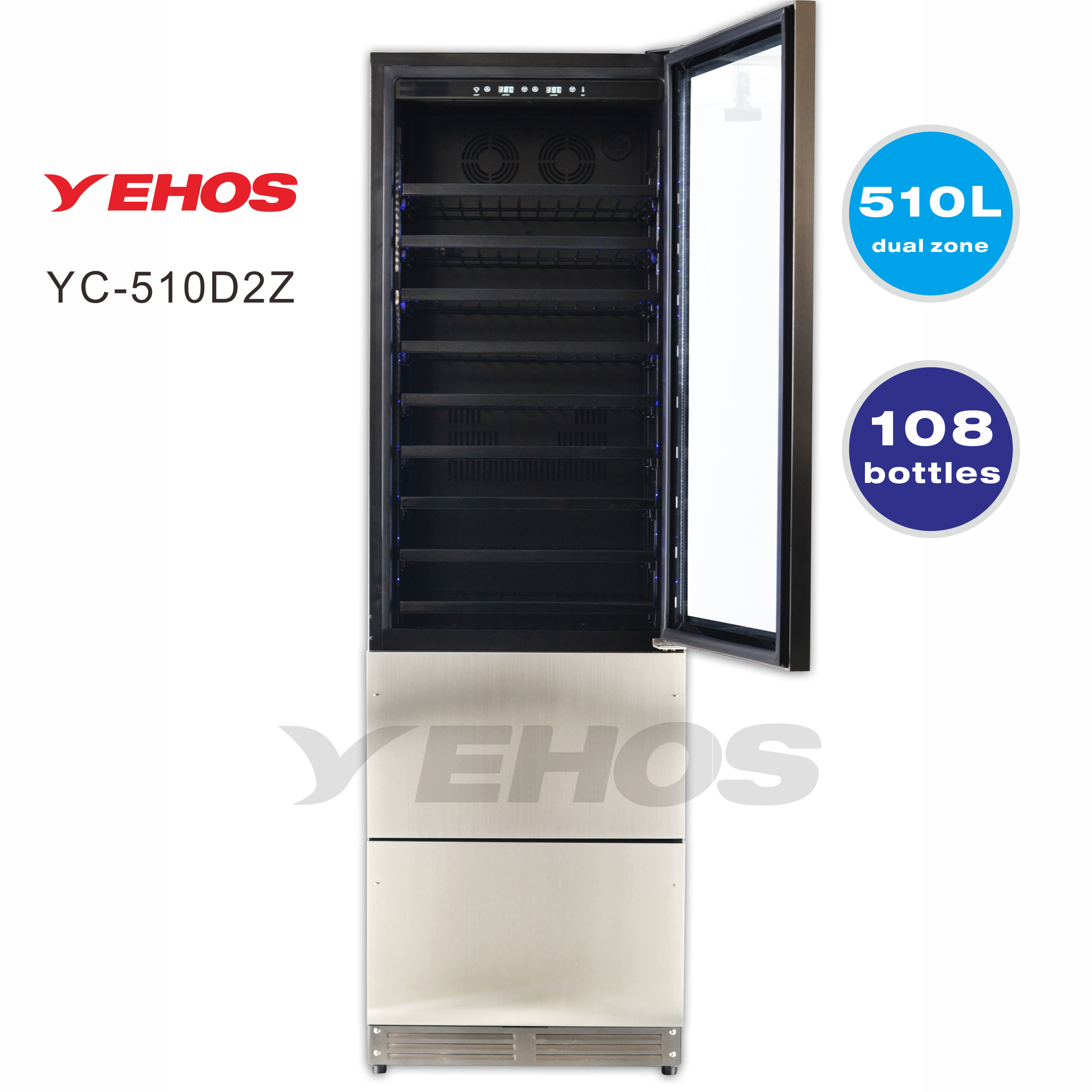
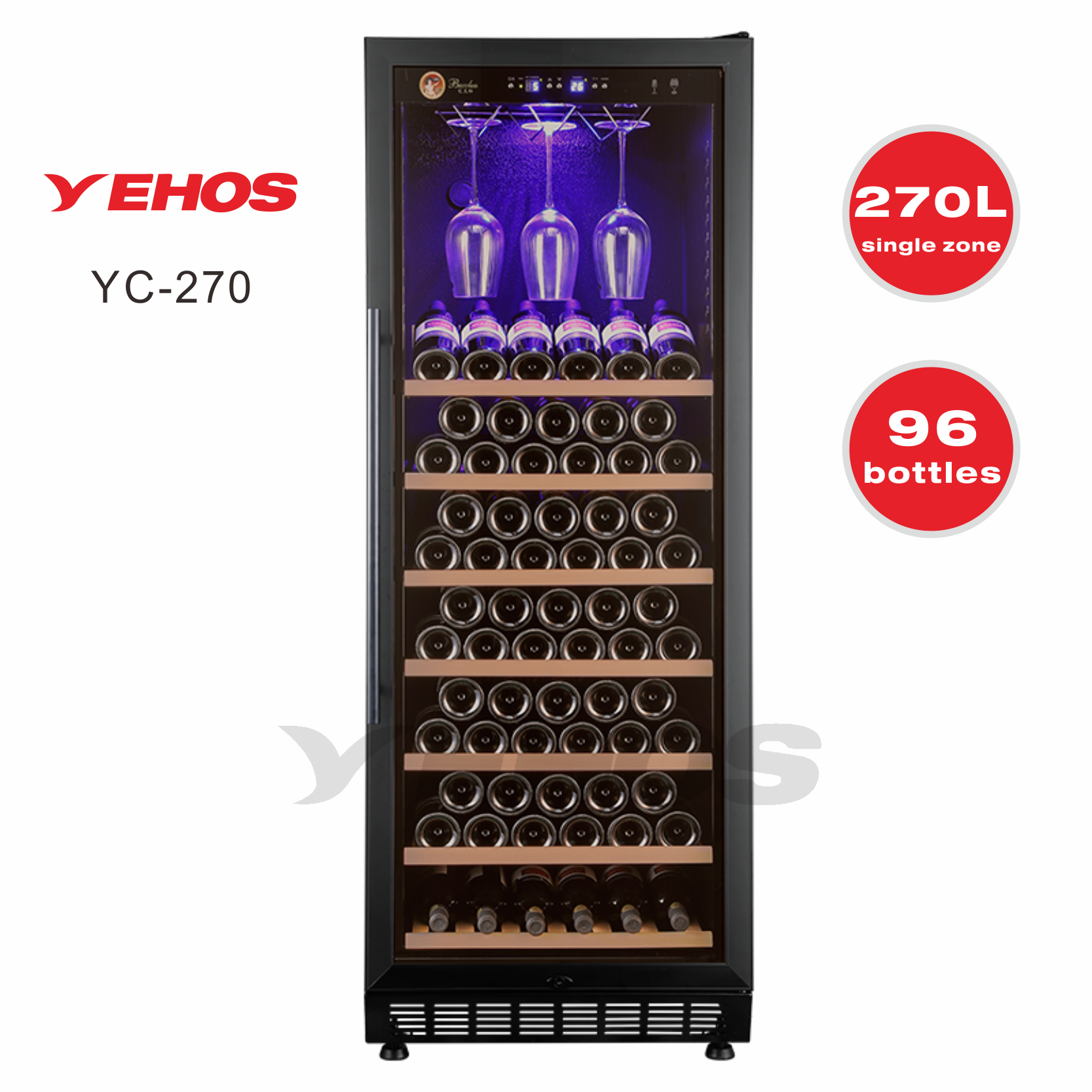
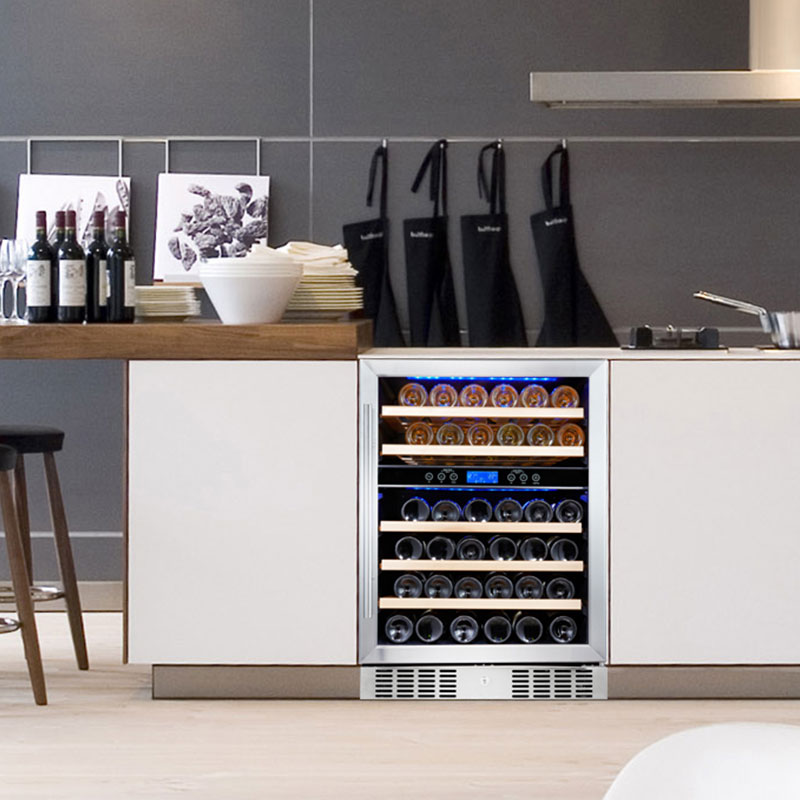
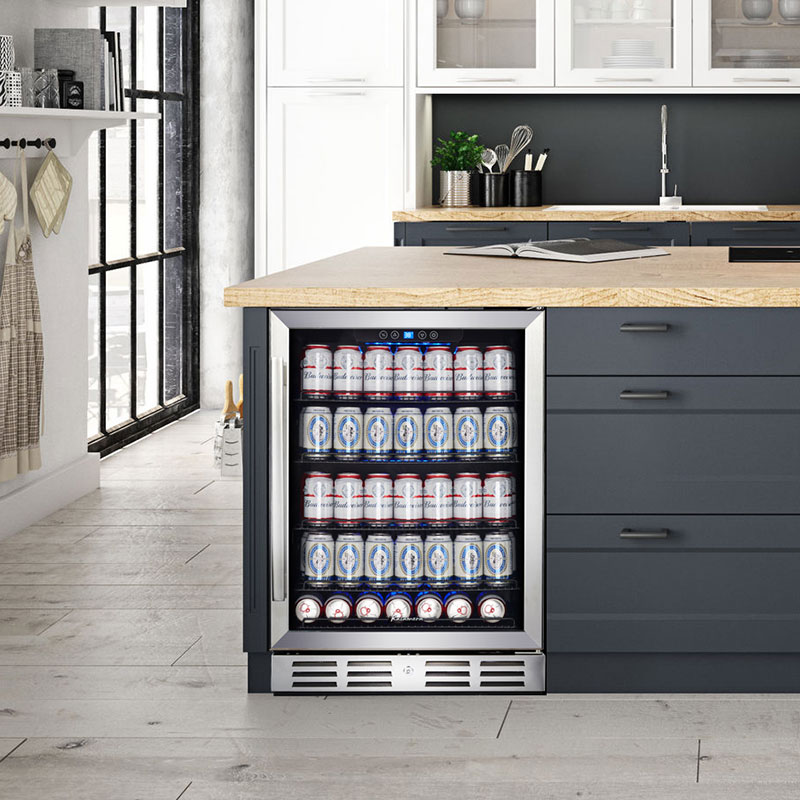
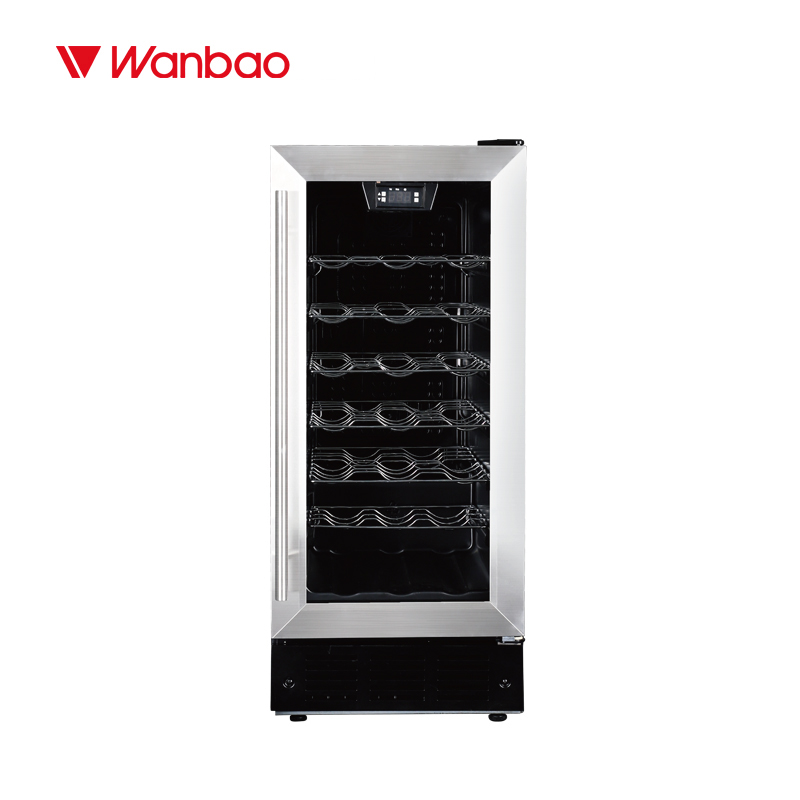
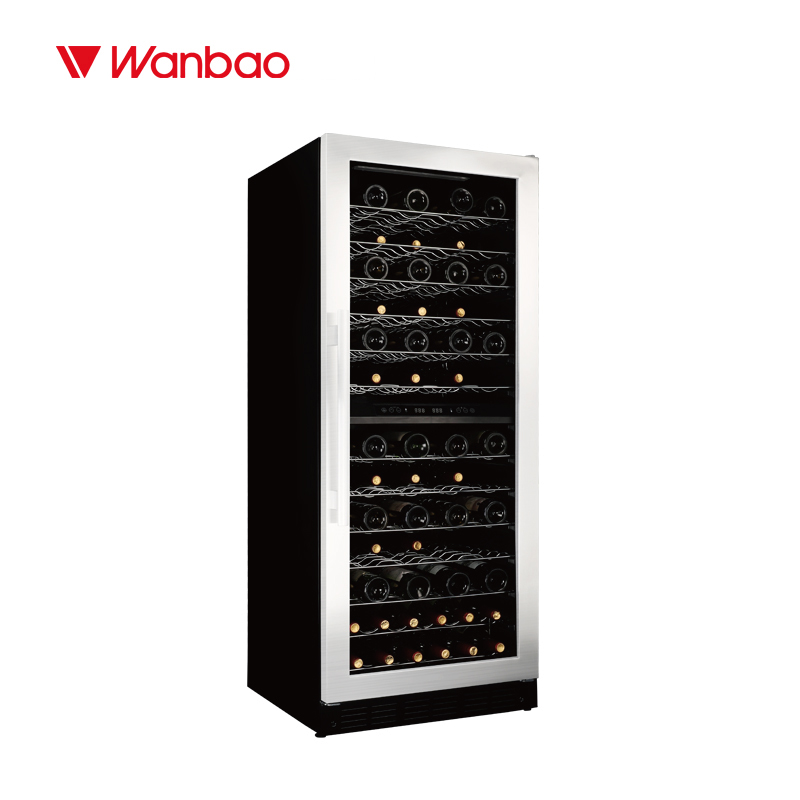
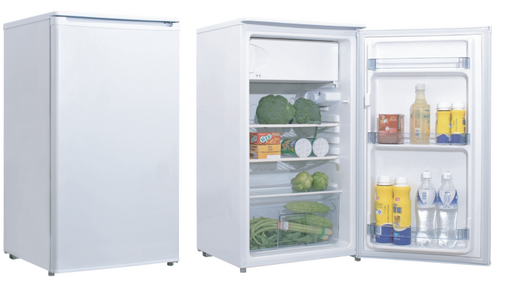
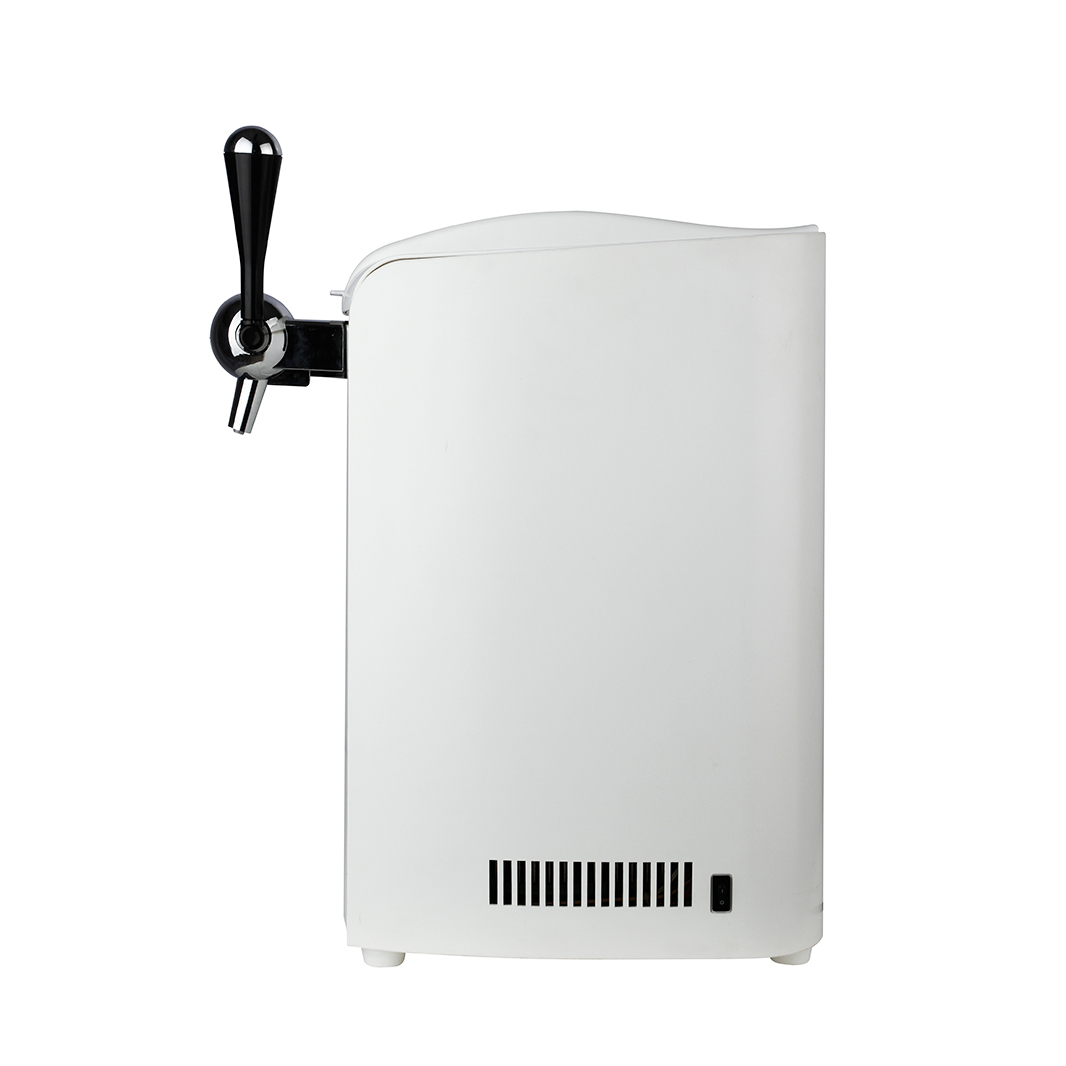
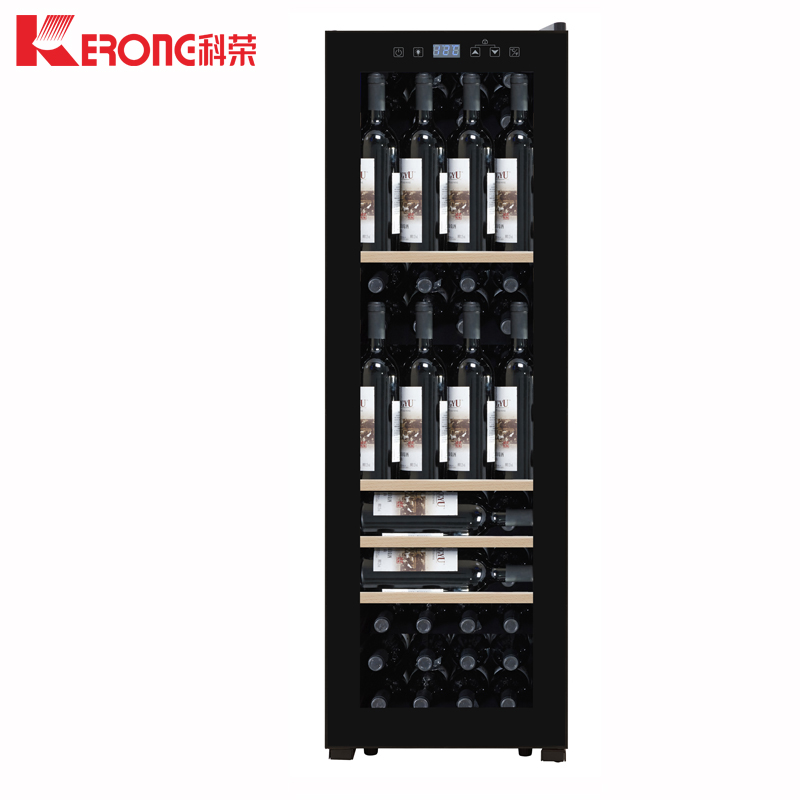
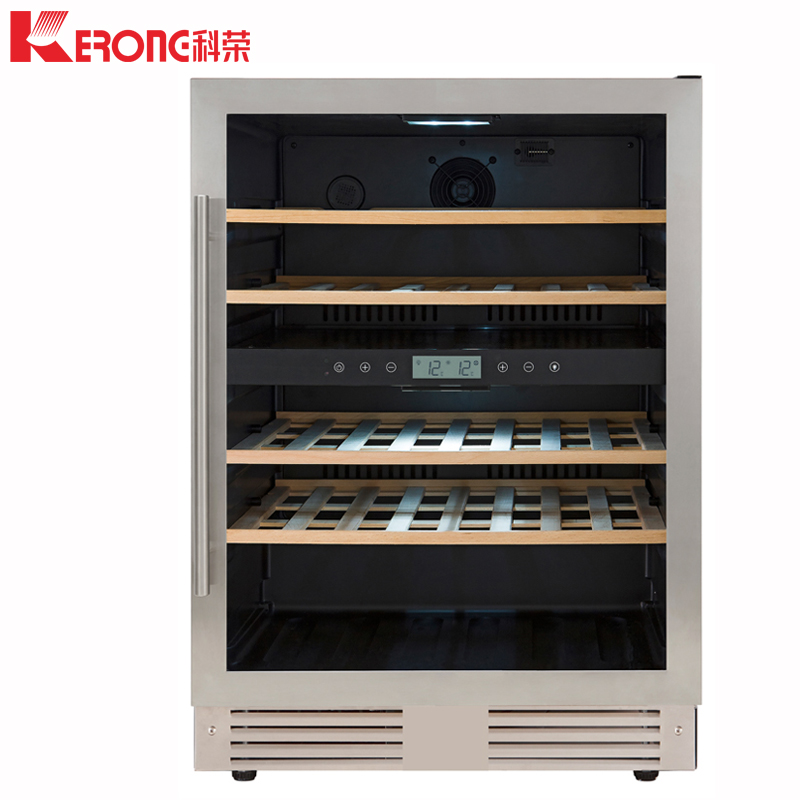
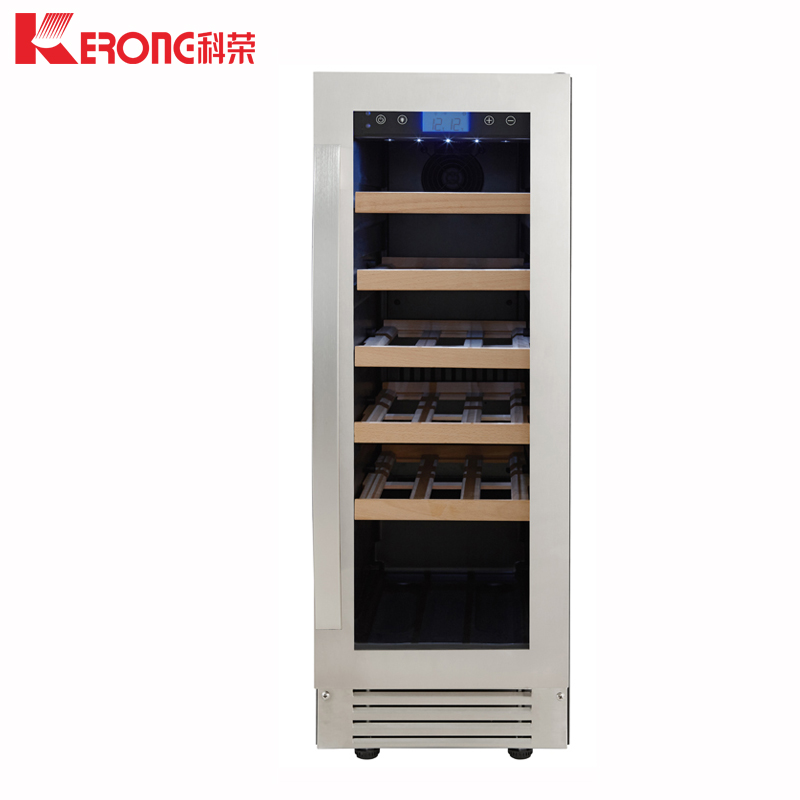
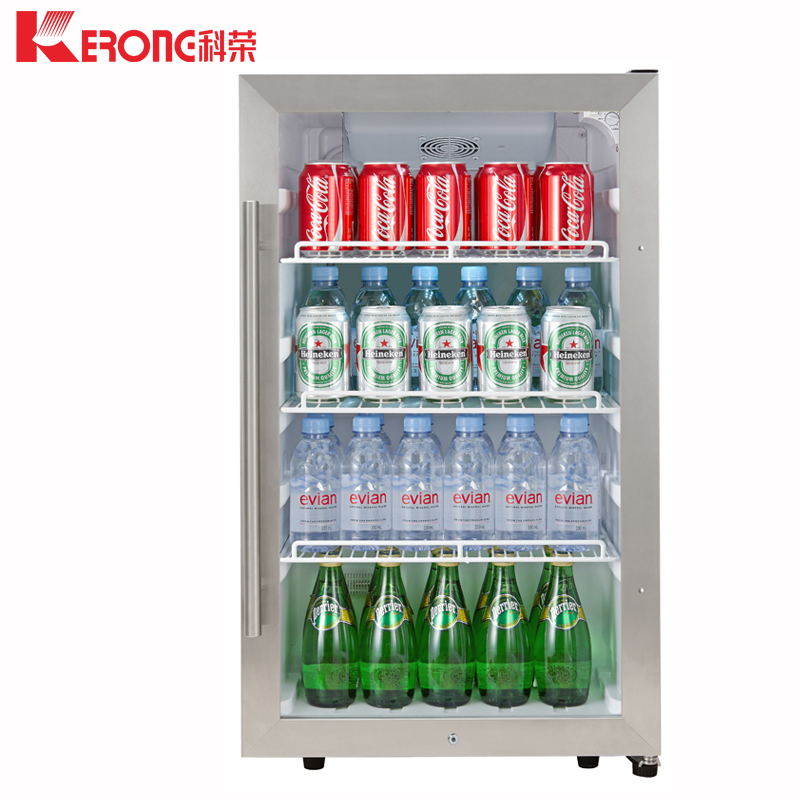
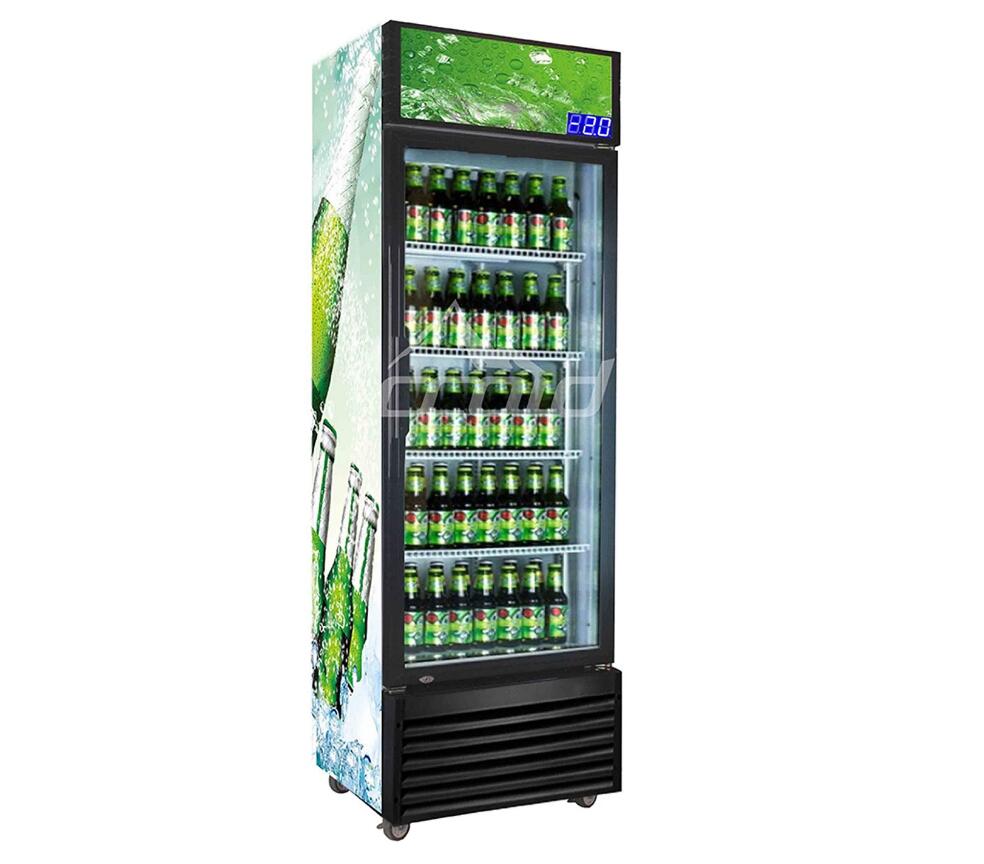
Wine & Beverage Coolers
Source premium wine and beverage coolers from vetted manufacturers and suppliers across Asia. Designed for importers, appliance wholesalers, and brands seeking reliable OEM and private-label production, our network delivers high-performance refrigeration units built to exact market specifications and compliance standards.
Sourcing wine and beverage coolers requires balancing aesthetic appeal with precise thermal management. The core challenge lies in finding a manufacturing partner capable of consistent temperature calibration, vibration control, and energy efficiency compliance, rather than just assembling off-the-shelf refrigeration components. Success in this category depends on specifying the right core technologies and enforcing strict quality tolerances on the factory floor.
Core Cooling Technologies and Specifications
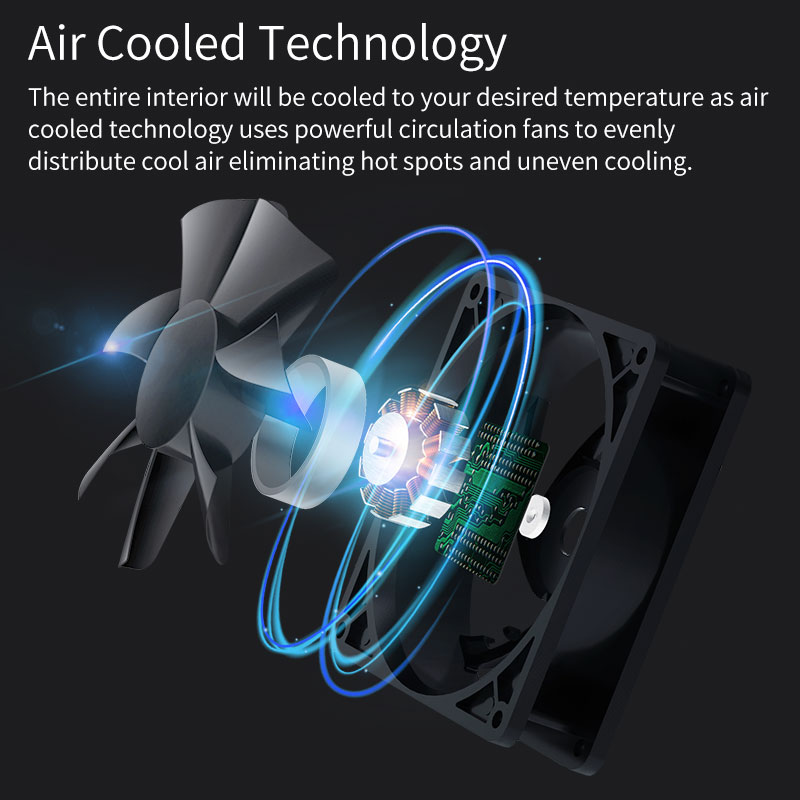
The fundamental decision in beverage refrigeration is the cooling mechanism. While thermoelectric systems still hold a share of the entry-level market, compressor-based systems dominate the mid-to-high-end segments due to their superior cooling capacity and reliability in varying ambient temperatures.
When developing a product line, the choice of compressor dictates the unit's lifespan, noise level, and energy efficiency. Specifying trusted compressor brands (such as Jiaxipera, Donper, or Embraco) is a standard practice for premium units. Furthermore, the transition to eco-friendly refrigerants like R600a (isobutane) is now mandatory for most Western markets to meet environmental and energy efficiency regulations.
| Specification | Compressor-Based | Thermoelectric (Peltier) |
|---|---|---|
| Cooling Capacity | High (unaffected by ambient spikes) | Limited (max 15°C below ambient) |
| Vibration & Noise | Requires dampening (38-42 dB typical) | Virtually silent (under 35 dB) |
| Lifespan | 10+ years with proper maintenance | 3-5 years (fan/module failure common) |
| Best Application | Built-in, high-capacity, dual-zone | Small countertop, entry-level |
Need help identifying factories with proven expertise in premium compressor integration?
Talk to our teamManufacturing Tolerances and Quality Control
A wine cooler's primary job is to protect its contents from temperature fluctuations, UV light, and vibration. Poor manufacturing processes quickly compromise these functions. For example, inadequate polyurethane foam density in the cabinet walls leads to thermal leaks, forcing the compressor to overwork and increasing noise levels.
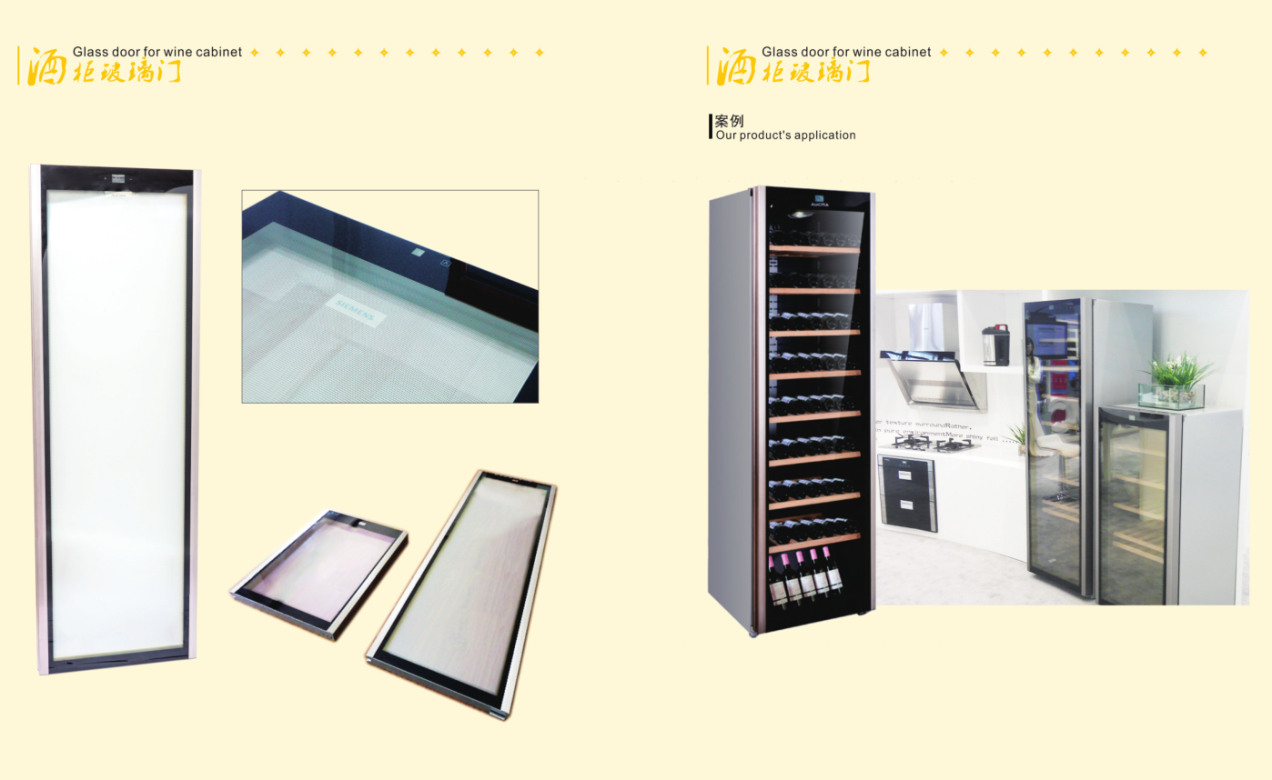
Condensation on glass doors is another common defect. High-quality units utilize double or triple-paned tempered glass with a Low-E (low emissivity) coating and argon gas fill to prevent exterior condensation in humid environments. Verifying these material specs requires rigorous Quality Control & Inspection before shipment, as visual checks alone cannot confirm gas fills or Low-E coatings.
Critical Factory-Floor Inspection Points
- Compressor mounting: Verify rubber dampeners are installed correctly to absorb vibration.
- Cabinet insulation: Check polyurethane foam injection for uniform density and zero voids.
- Door seals (gaskets): Ensure magnetic gaskets provide an airtight seal with no gaps.
- Thermostat calibration: Test PCB sensors against ambient and internal temperature probes.
- Glass specification: Confirm Low-E coating application and verify argon gas presence in multi-pane doors.
Thorough Factory Audits are essential to ensure the supplier has the necessary testing equipment, such as psychrometric chambers for energy testing and acoustic rooms for decibel rating verification.
Compliance and Energy Standards
Regulatory compliance is a major hurdle in refrigeration. Units destined for North America must meet DOE (Department of Energy) efficiency standards and carry safety certifications like UL or ETL. European markets require CE, CB, and strict adherence to ERP (Energy Related Products) directives. Failing to secure the proper Compliance & Testing documentation can result in shipments being rejected by customs or major retail buyers.
Refrigerant Regulations
Ensure your supplier is fully transitioned to R600a or other low-GWP (Global Warming Potential) refrigerants. Older refrigerants like R134a are heavily restricted or banned in many jurisdictions for new consumer appliances.
Pricing, MOQs, and Production Lead Times
Unit costs in beverage refrigeration are highly sensitive to raw material prices (copper for evaporators, steel for cabinets) and component selection. Customization also plays a significant role. Modifying interior shelving (e.g., sliding beech wood vs. fixed wire) or exterior finishes (seamless stainless steel vs. black powder coat) will shift the price point.
For brands utilizing OEM/ODM Services to develop custom cabinet dimensions or proprietary smart-cooling PCBs, expect upfront tooling costs and higher initial commitments.
Ready to optimize your landed costs and secure reliable production capacity?
Get a free consultationFrequently Asked Questions
Successfully importing wine and beverage coolers requires looking past the polished exterior to scrutinize the thermodynamics and component quality inside. By partnering with manufacturers who prioritize precise engineering and rigorous testing, you can build a resilient, compliant product line that performs reliably in the field.
Get Sourcing Help for Wine & Beverage Coolers
Tell us your requirements and our experts will connect you with verified manufacturers.