Windshields
Source high-quality automotive windshields from vetted suppliers and manufacturers across Asia. Designed for auto parts importers, distributors, and aftermarket brands, our wholesale network delivers reliable OEM and aftermarket glass. Secure competitive pricing for bulk windshield orders with full quality assurance.
Sourcing automotive windshields in bulk requires balancing stringent safety compliance with complex manufacturing and specialized logistics. Because windshields are structural safety components, a minor optical distortion, a sub-standard interlayer, or poor bracket adhesion can render an entire container unsellable and expose your business to liability.
Technical Specifications: Beyond Basic Lamination
Modern windshields are highly engineered assemblies. While all automotive front glass must be laminated (typically two layers of 2.1mm annealed glass bonding a Polyvinyl Butyral or PVB interlayer), the specific grade of these materials dictates the product's market tier.
When negotiating with manufacturers, you must define the exact PVB specifications. Standard windshields utilize a 0.76mm clear or tinted PVB layer. However, premium aftermarket replacements often require acoustic PVB (which incorporates a specialized dampening core) or solar-absorbing variants that reduce cabin heat.
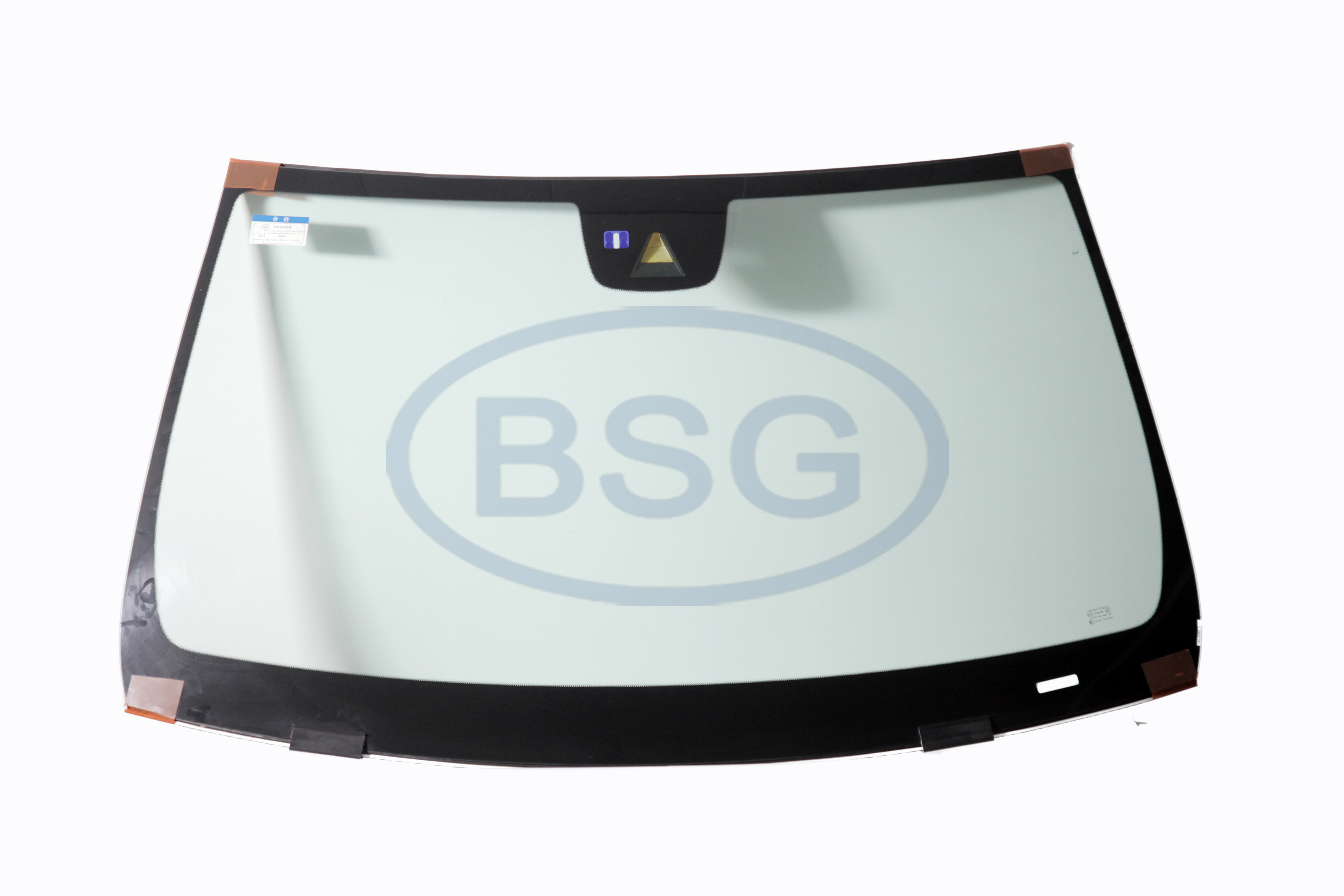
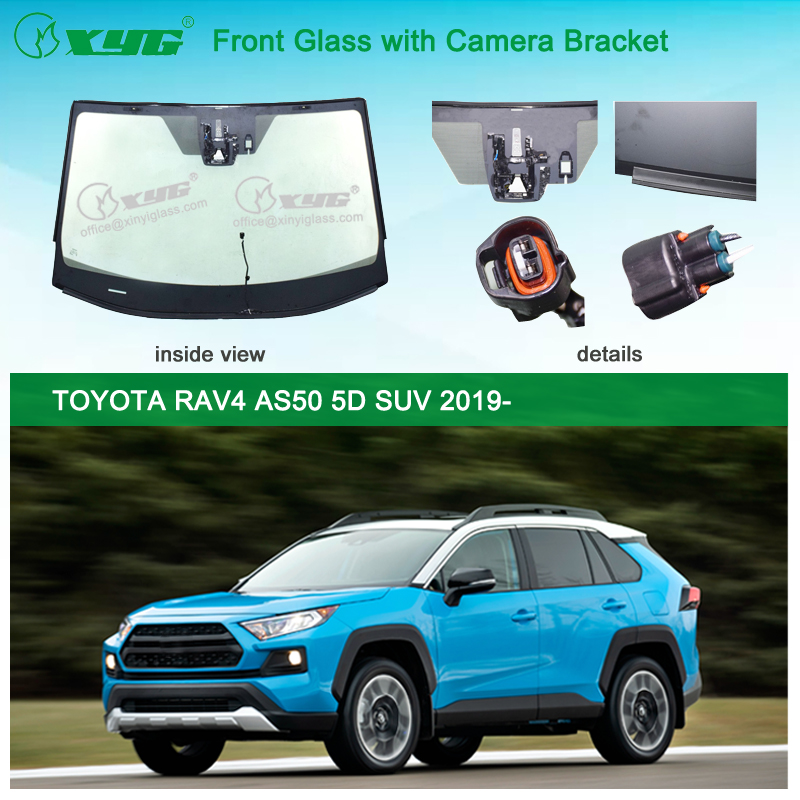
If you are sourcing for modern vehicles equipped with Head-Up Displays (HUD) or Advanced Driver Assistance Systems (ADAS), the technical requirements increase significantly. HUD windshields require a wedge-shaped PVB interlayer to prevent double-image reflection, while ADAS-equipped glass requires precise camera brackets bonded with OEM-grade polyurethane (PUR) adhesives.
| Specification | Standard Replacement | Advanced (HUD/ADAS) |
|---|---|---|
| PVB Interlayer | 0.76mm standard clear/tinted | Wedge PVB or Acoustic PVB |
| Optical Tolerance | Standard DOT/ECE baseline | Ultra-low distortion for camera zones |
| Hardware | Basic mirror button | Pre-mounted ADAS brackets & rain sensors |
| Heating Elements | None | Tungsten wire or silver coating options |
Navigating complex glass specifications? Let us match you with a manufacturer capable of producing advanced acoustic and ADAS-compatible windshields.
Talk to our teamManufacturing Tolerances and Quality Control
The durability and clarity of a windshield are won or lost in the factory's cleanroom and autoclave. The lamination process requires a strictly climate-controlled environment to prevent moisture from trapping between the glass and PVB, which later causes delamination (bubbling).
Once assembled, the glass enters an autoclave where high pressure and heat permanently bond the layers. Factories cutting corners on autoclave cycle times will produce glass prone to edge separation. Verifying a factory's equipment and process controls through Factory Audits is a critical first step before placing high-volume orders.
Critical Windshield Inspection Points
- Optical Distortion: Test using grid reflection to ensure zero distortion in the primary viewing area.
- Edge Stress: Use polariscopes to check for residual stress from the bending and cooling process.
- PVB Adhesion: Pummel testing on sample batches to verify the bonding strength of the interlayer.
- Bracket Alignment: Verify ADAS and mirror brackets are positioned within millimeter tolerances.
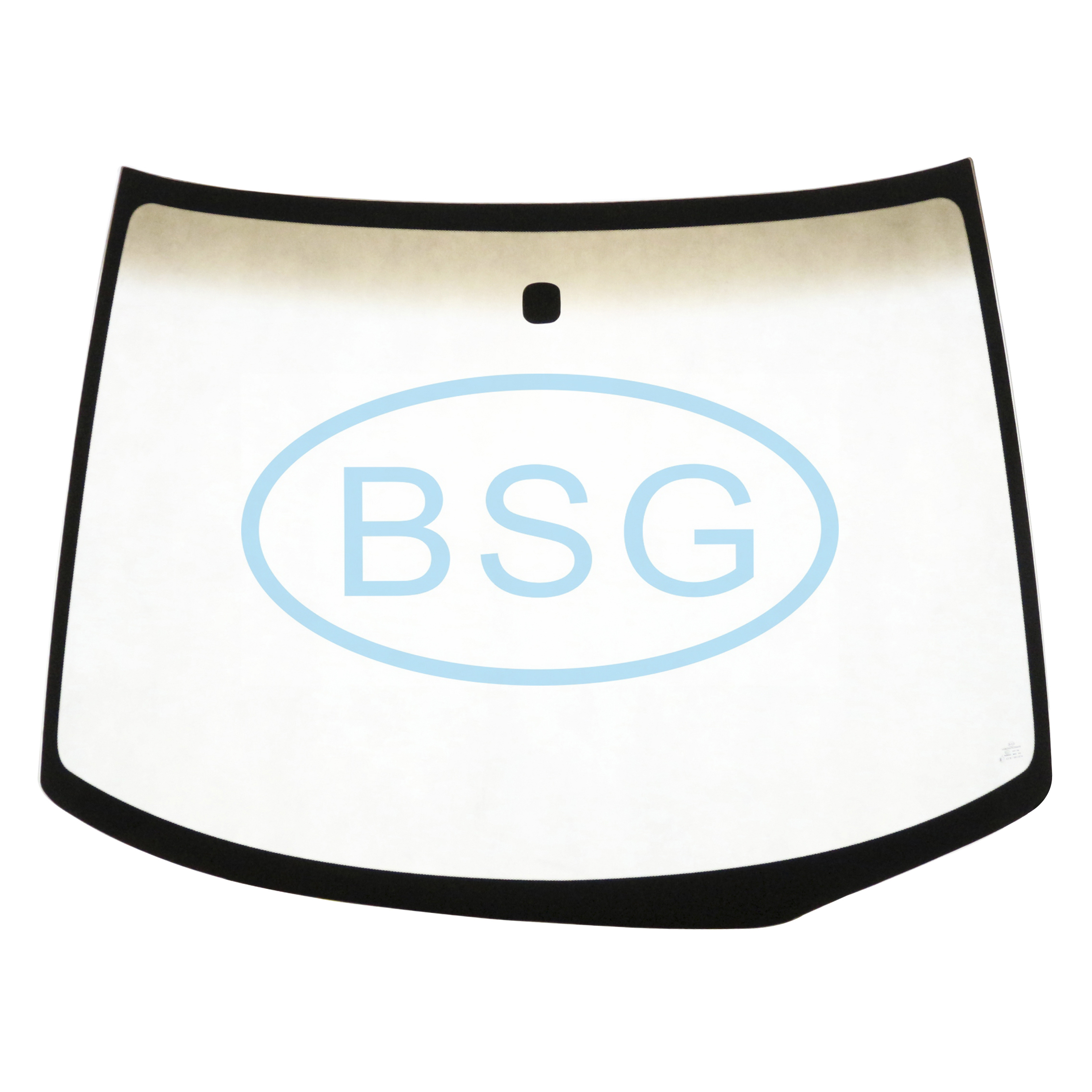
- Silk Screen Printing: Ensure the black ceramic frit band is fully baked and opaque.
Thorough Quality Control & Inspection prior to container loading is non-negotiable. Identifying optical defects or incorrect bracket placements after the glass has crossed the ocean destroys profit margins.
Certifications and Market Compliance
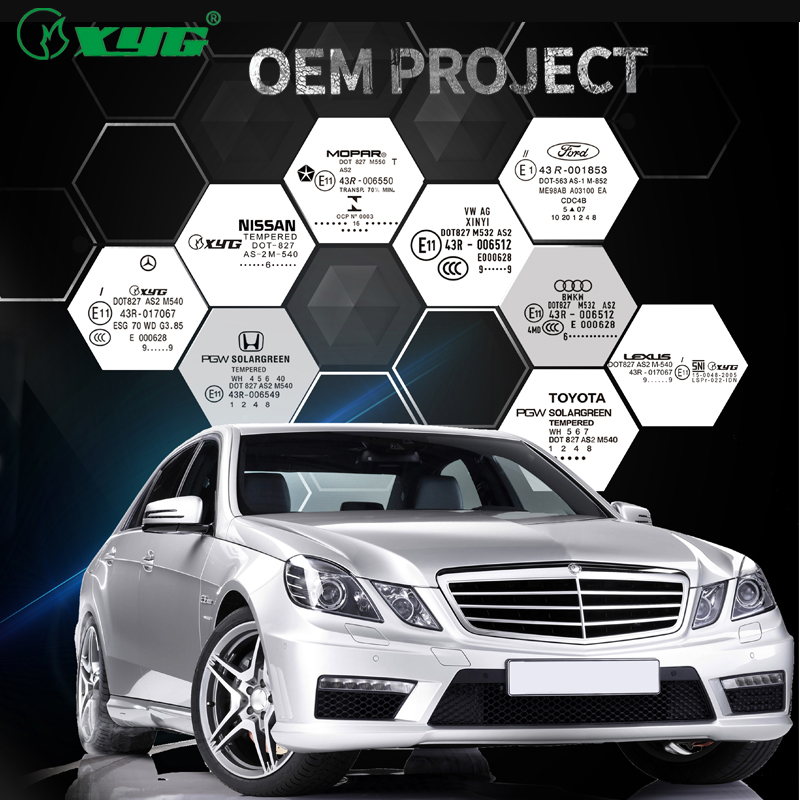
Windshields are heavily regulated. You cannot import or sell automotive glass without the appropriate homologation marks permanently printed on the glass (the "bug").
- North America: Must comply with FMVSS 205 and bear the AS1 DOT mark.
- Europe: Must meet ECE R43 standards and display the E-mark.
- China: Requires the CCC (China Compulsory Certificate) mark.
Ensure your supplier holds valid, up-to-date certificates for the specific factory location producing your glass. Utilizing professional Compliance & Testing services helps verify that the factory's DOT or E-mark registrations are legitimate and currently active.
Pricing, MOQs, and Logistics Reality
Windshield pricing is driven by glass thickness, PVB type, included hardware (sensors/brackets), and production volume. Tooling costs for new bending molds apply if you are developing custom glass, though most established suppliers have extensive catalogs of existing vehicle molds.
Logistics represent a significant portion of your landed cost. Windshields are heavy and highly fragile. They must be packed in specialized wooden A-frame crates, tightly secured to prevent any movement during transit. Because glass cannot be stacked flat, optimizing container space is a specialized skill. Partnering with experts in Shipping & Freight ensures your containers are loaded safely to minimize breakage rates while maximizing the number of units shipped.
Need to optimize your automotive glass supply chain? We handle supplier vetting, quality control, and specialized freight consolidation.
Get a free consultationFrequently Asked Questions
Successful windshield sourcing relies on strict adherence to technical specifications and rigorous oversight of the factory's lamination and packing processes. By defining your PVB requirements clearly and enforcing strict pre-shipment inspections, you can secure reliable, high-margin auto glass for your distribution network.
Get Sourcing Help for Windshields
Tell us your requirements and our experts will connect you with verified manufacturers.